أصبح العاكس الهجين الشمسي خيارًا عمليًا للمنازل التي ترغب في الحصول على الطاقة الشمسية، وبطاريات احتياطية، وتقليل الأعطال اليومية الناتجة عن مولدات الديزل. فعند انقطاع التيار الكهربائي ليلًا أو أثناء سوء الأحوال الجوية، لا يقتصر الأمر على الجانب التقني فحسب، بل يتعلق أيضًا باستمرار عمل أجهزة الإضاءة، وجهاز التوجيه، والثلاجة، ومضخة المياه دون الحاجة إلى تشغيل محرك كهربائي.
قريبا هي شركة متخصصة في توفير حلول الطاقة الشمسية، وتعمل في مجال وحدات الخلايا الكهروضوئية، ومحولات الطاقة الشمسية، وأنظمة تخزين طاقة الليثيوم، ومنتجات الطاقة ذات الصلة. حوالي 20 عامًا في مجال الخلايا الكهروضوئيةتدعم الشركة مشاريع الطاقة السكنية والتجارية والريفية ومشاريع الطاقة الاحتياطية من خلال تصنيع المعدات الأصلية (OEM) وتصميمها (ODM) ومطابقة المنتجات والخدمات الفنية. وتكتسب هذه الخدمات أهمية بالغة، لأن نظام الطاقة الشمسية المنزلي ليس مجرد جهاز واحد، بل هو خطة طاقة متكاملة تتطلب اختيارًا دقيقًا منذ البداية.
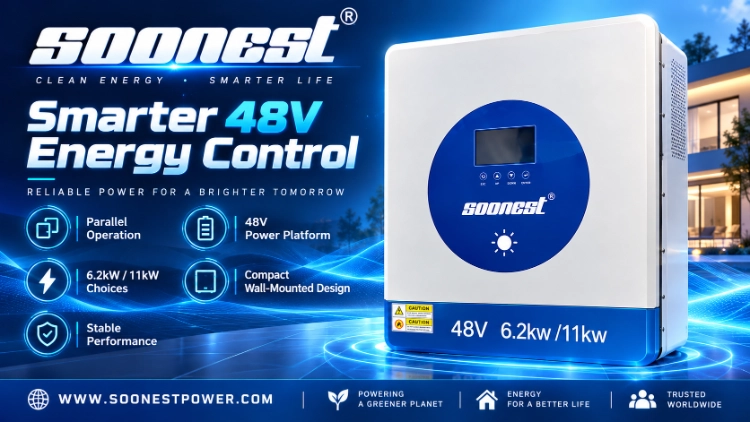
المنتج الموصى به هنا هو محول طاقة شمسية هجين منخفض الجهد 380 فولت بمعيار IP65متوفر بنماذج بقدرات 6 كيلوواط، و8 كيلوواط، و10 كيلوواط، و12 كيلوواط. صُمم هذا الجهاز للمنازل التي تعمل بالطاقة الشمسية والمواقع التجارية الصغيرة التي تحتاج إلى حماية خارجية، والتحكم في البطارية، ومخرج تيار متردد مستقر، واستخدام أفضل للطاقة الشمسية المخزنة.
لماذا يتجه أصحاب المنازل إلى الابتعاد عن استخدام مولدات الطاقة الاحتياطية التي تعمل بالديزل؟
لا تزال مولدات الديزل مفيدة في بعض الأماكن، ولا يمكن لأحد إنكار ذلك. ولكن بمجرد تركيب الألواح الشمسية في المنزل، يصبح الديزل أشبه بحل احتياطي بدائي من زمنٍ مضى. فهو يُبقي التيار الكهربائي مستمرًا، ولكنه لا يُساعدك على الاستفادة من الطاقة الشمسية المُستمدة من سطح منزلك.
ارتفاع تكاليف الوقود والخدمات
لا يقتصر سعر مولد الديزل على السعر المذكور في الفاتورة فقط، بل يشمل تكاليف الوقود والزيت والفلاتر وفحص المحرك وقطع الغيار وأجور الصيانة. كما تتأثر تكلفة الوقود بتقلبات أسعار النفط ومسافة التوصيل والضرائب والإمدادات المحلية. في المزارع والجزر والمنازل الجبلية والبلدات الصغيرة ذات شبكات الكهرباء الضعيفة، قد يصبح توصيل الوقود جزءًا من المشكلة.
تختلف آلية عمل الطاقة الشمسية. فبعد تركيب الألواح، يصبح السؤال الأهم هو كمية الطاقة التي يمكنك تخزينها واستخدامها. ويساعد العاكس الهجين الشمسي في الإجابة على هذا السؤال من خلال إدارة مدخلات الطاقة الشمسية وشحن البطاريات وأحمال المنزل في نظام واحد.
الضوضاء، والعادم، وتخزين الوقود
قد يكون مولد الديزل قويًا، لكنه ليس صديقًا للبيئة المنزلية. فهو يُصدر ضجيجًا، ويُطلق عوادم، ويحتاج إلى تخزين آمن للوقود. كما أن وضعه في مكان مناسب أمرٌ صعب، إذ يجب أن يكون بعيدًا عن أماكن المعيشة، ومحميًا من المطر، ويسهل الوصول إليه عند الحاجة إلى إعادة تعبئته.
تُشير إدارة معلومات الطاقة الأمريكية إلى أن وقود الديزل المستخدم في التدفئة المنزلية يُنتج 22.45 رطلاً من ثاني أكسيد الكربون لكل جالون. وعند تشغيل المولد الكهربائي بشكل متكرر، يتراكم هذا الرقم بسرعة أكبر مما يتوقعه الكثيرون.
| خيار النسخ الاحتياطي | تكلفة التشغيل الرئيسية | نقطة بيانات ثاني أكسيد الكربون | شعور الاستخدام اليومي |
|---|---|---|---|
| مولد ديزل | الوقود، الزيت، الفلاتر، الصيانة | 22.45 رطل من ثاني أكسيد الكربون لكل جالون من وقود الديزل | صاخب، يدوي، يعتمد على الوقود |
| نظام بطارية شمسية | فحص تقادم البطارية وفحص النظام | لم يتم حرق أي وقود أثناء استخدام البطارية الشمسية | هادئ، تلقائي، أسهل في المنزل |
غير مناسب للمنازل التي تعمل بالطاقة الشمسية
لا يقوم مولد الديزل بتخزين الطاقة الشمسية المولدة من سطح المنزل، ولا ينقل الطاقة المولدة خلال النهار إلى المساء، ولا يحسن الاستهلاك الذاتي للطاقة الشمسية، بل يبقى ببساطة في الخارج حتى ينقطع التيار الكهربائي.
بالنسبة للمنازل التي تعتمد على الطاقة الشمسية، فهذا حل غير مناسب. أنت بحاجة إلى نظام قادر على توليد الطاقة من الألواح، وشحن البطاريات، وتلبية احتياجات المنزل، واستخدام الطاقة المخزنة عند انقطاع التيار الكهربائي. يمكن الاحتفاظ بالديزل لحالات انقطاع التيار الطويلة النادرة، ولكن لا ينبغي أن يكون الخيار الأول في كل مرة.
كيف يُحسّن العاكس الهجين الشمسي استخدام الطاقة المنزلية؟
يتكون نظام الطاقة الشمسية المنزلي من عدة أجزاء متحركة. تُنتج الألواح طاقة التيار المستمر، وتُخزن البطارية هذه الطاقة، بينما تحتاج الأجهزة الكهربائية إلى طاقة التيار المتردد. قد يكون التيار الكهربائي مستقرًا في يومٍ ما، ثم ينقطع في اليوم التالي. إذا لم تعمل هذه الأجزاء معًا، فستُهدر الطاقة الشمسية، أو يكون وقت النسخ الاحتياطي قصيرًا، أو قد يتعرض النظام لانقطاعات مزعجة.
تنسيق الطاقة الشمسية والبطاريات والشبكة
يربط محول الطاقة الهجين الشمسي الألواح الشمسية والبطاريات وشبكة الكهرباء والأحمال المنزلية. خلال النهار، يمكن للطاقة الشمسية أن تغذي الأجهزة أولاً. ويمكن استخدام الطاقة الفائضة لشحن البطارية. وفي الليل، يمكن للطاقة المخزنة أن تدعم الأحمال المختارة.
عندما يكون ضوء الشمس ضعيفًا، يمكن للشبكة الكهربائية أن تساعد. وعند انقطاع التيار، يمكن للبطارية أن تُشغّل الدوائر الكهربائية الأساسية إذا صُمّم النظام بشكل صحيح. لهذا السبب تُعدّ الأنظمة الهجينة مفيدة جدًا للمنازل التي تواجه تقلبات في الطاقة الكهربائية ولكنها لا تزال ترغب في الحصول على الراحة اليومية.
الاستخدام الأمثل للطاقة الشمسية خلال النهار
تُنتج العديد من المنازل كميات وفيرة من الطاقة الشمسية وقت الظهيرة، عندما يكون استهلاك الكهرباء منخفضًا. ثم يأتي المساء، ويزداد الطلب. وبدون أنظمة تخزين وتحكم، قد تذهب الطاقة الشمسية الفائضة إلى الشبكة بعائد منخفض أو تفقد قيمتها تمامًا، وذلك بحسب القوانين المحلية.
تُعدّ خاصية "فترات الذروة والانخفاض" مفيدة في المناطق التي تعتمد فيها أسعار الكهرباء على الوقت. يمكنك تخزين الطاقة عندما يكون إنتاج الطاقة الشمسية قويًا أو عندما تكون أسعار الكهرباء من الشبكة منخفضة، ثم استخدامها عندما ترتفع الأسعار. إنها ليست حيلة معقدة، بل هي تفصيل عملي يُساهم في خفض فاتورة الكهرباء مع مرور الوقت.
دعم احتياطي أقوى أثناء انقطاع التيار الكهربائي
أثناء انقطاع التيار الكهربائي، لا تحتاج معظم المنازل إلى جميع الأجهزة. فهي تحتاج إلى الثلاجة، والإضاءة، وشبكة الواي فاي، والمراوح، ومضخة المياه، ونظام الأمان، وبعض المقابس الكهربائية. وقد يحتاج منزل ريفي أيضًا إلى أجهزة التحكم في الري أو أدوات صغيرة. كما تحتوي بعض المنازل على أجهزة طبية، مما يجعل الطاقة الاحتياطية أكثر أهمية.
قد يتوقف العاكس المتصل بالشبكة الكهربائية عن العمل أثناء انقطاع التيار الكهربائي لأسباب تتعلق بالسلامة. أما النظام الهجين المزود ببطارية، فيمكنه تشغيل أحمال محددة، مما يجعله خيارًا أفضل لتطبيقات الطاقة الشمسية المنزلية.
لماذا يُعد محول الطاقة الشمسية الهجين ذو الجهد المنخفض IP65 380V مناسبًا للاستخدام المنزلي الحقيقي؟
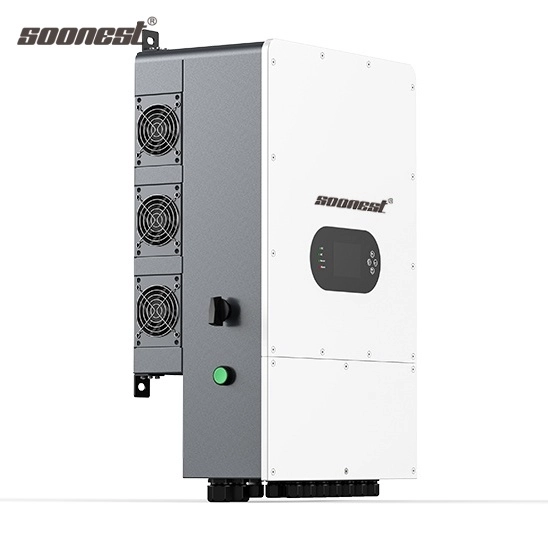
يجب أن يتناسب العاكس مع الموقع، وليس فقط مع ما هو مذكور في الكتالوج. فالجدار الداخلي النظيف شيء، ومبنى المزرعة المغبر، والمنزل الساحلي الرطب، وموقف السيارات، وسقيفة السطح، أو منطقة المعدات الخارجية شيء آخر. محول طاقة شمسية هجين منخفض الجهد 380 فولت بمعيار IP65 صُممت هذه الأجهزة للأماكن التي تُعد فيها الحماية والتحكم الذكي أمراً بالغ الأهمية.
نطاق الموديلات من 6 كيلوواط إلى 12 كيلوواط
يتوفر هذا الطراز بإصدارات 6 كيلوواط، و8 كيلوواط، و10 كيلوواط، و12 كيلوواط. يساعد هذا التنوع المشترين على اختيار ما يناسب منازلهم المختلفة دون اختيار حجم أكبر من اللازم أو أصغر من اللازم.
قد لا يحتاج المنزل ذو الاستهلاك المنخفض للطاقة إلا إلى الإضاءة والمراوح وشبكة الواي فاي والثلاجة وعدد قليل من المقابس الكهربائية أثناء انقطاع التيار الكهربائي. أما المنزل الأكبر حجماً فقد يحتاج إلى مضخة مياه، وثلاجة إضافية، ومحرك بوابة، وأدوات ورشة صغيرة، أو تكييف هواء جزئي. كما تحتاج المضخات والضواغط إلى صيانة دورية لأن تيار بدء تشغيلها قد يكون أعلى بكثير من قدرتها على العمل.
حماية خارجية بمعيار IP65
تصف معلومات المنتج الرسمية تصنيف IP6X بأنه يوفر حماية كاملة ضد دخول الغبار، بينما يوفر تصنيف IPX5 حماية ضد رذاذ الماء منخفض الضغط من أي اتجاه. بعبارة أخرى، يُعد هذا التصنيف مفيدًا عند تركيب العاكس بالقرب من الغبار أو المطر أو الرطوبة أو هواء المزارع أو رطوبة المناطق الساحلية.
لا يزال التركيب الجيد مهماً. اترك مساحة حول الوحدة. حافظ على ترتيب الكابلات. تجنب الأماكن التي قد يتجمع فيها الماء. لا تعيق تدفق الحرارة. هذه التفاصيل الصغيرة ليست مثيرة، لكنها توفر عليك الكثير من المتاعب لاحقاً.
تتبع نقطة الطاقة القصوى (MPPT) واتصال البطارية
يتميز محول الطاقة الشمسية الهجين ذو الجهد المنخفض IP65 380V بكفاءة محول تصل إلى 98.8%، وتقنية MPPT المتقدمة بكفاءة تصل إلى 99.9%، و4 أجهزة تتبع MPPT مستقلة، واتصال Modbus/CAN، واتصال BMS لبطارية الليثيوم، ومخرج تيار متردد بموجة جيبية نقية، ودعم فترات الذروة والقاع.
| ميزات المنتج | البيانات المدرجة | ماذا يعني ذلك بالنسبة لك؟ |
|---|---|---|
| نماذج القوة | 6 كيلوواط / 8 كيلوواط / 10 كيلوواط / 12 كيلوواط | سهولة أكبر في التوفيق بين المنازل المختلفة |
| كفاءة العاكس | تصل إلى 98.8% | فقد أقل للطاقة أثناء عملية التحويل |
| كفاءة MPPT | تصل إلى 99.9% | تحسين استغلال الطاقة الشمسية مع تغير ضوء الشمس |
| تصميم MPPT | 4 أجهزة تتبع MPPT مستقلة | مناسب بشكل أفضل للأسقف ذات الاتجاهات المختلطة |
| الاتصالات | مودبوس/كان | تسهيل عمليات فحص النظام ومراقبته |
| دعم البطارية | اتصال نظام إدارة البطارية (BMS) لبطارية الليثيوم | تحكم أكثر أمانًا في الشحن والتفريغ |
| حماية | IP65 | مقاومة أفضل للغبار ورذاذ الماء |
بالنسبة للعديد من المنازل، لا يُعد العاكس الهجين الشمسي مجرد جزء كهربائي، بل يصبح نقطة التحكم بين الألواح والبطارية والأجهزة والطاقة الاحتياطية.
كيف يجب عليك تحديد حجم محول الطاقة الشمسية الهجين ذي الجهد المنخفض IP65 380V؟
لا يمكن لمنتج جيد أن يحل مشكلة نظام غير مناسب. قبل الشراء، تأكد من قائمة الأحمال، وسعة الألواح الشمسية، وحجم البطارية، ومكان التركيب. قد تبدو هذه الخطوة بسيطة، لكنها تجنّب العديد من الأخطاء المكلفة.
قائمة الأحمال الأساسية
ابدأ بتحديد الأجهزة التي يجب تشغيلها أثناء انقطاع التيار الكهربائي. الثلاجة، الإضاءة، جهاز التوجيه، مضخة المياه، المروحة، نظام الأمان، وجهاز طبي إن وجد. ثم اكتب قائمة ثانية للأحمال الاختيارية، مثل الفرن، مكيف الهواء الكبير، آلة الورشة، أو شاحن السيارة الكهربائية.
قد يناسب نموذج بقدرة 6 كيلوواط خطة احتياطية أساسية. أما نموذج بقدرة 8 أو 10 كيلوواط فيوفر مجالاً أوسع للاستخدام المنزلي المتنوع. بينما قد يناسب نموذج بقدرة 12 كيلوواط المنازل الأكبر حجماً، أو المزارع، أو المواقع التي تحتوي على مضخات وأحمال بدء تشغيل أعلى.
سعة البطارية وتوافق نظام إدارة البطارية
تُعدّ بطاريات LiFePO4 شائعة الاستخدام في أنظمة تخزين الطاقة الشمسية نظرًا لثبات تركيبها الكيميائي، وعمرها التشغيلي الطويل، وأدائها الجيد في الشحن والتفريغ اليومي. مع ذلك، يجب أن تتناسب سعة البطارية مع احتياجاتك الاحتياطية.
مع محول الطاقة الشمسية الهجين منخفض الجهد IP65 380V، تأكد من جهد البطارية وسعتها القابلة للاستخدام وبروتوكول الاتصال وتوافقها مع نظام إدارة البطارية (BMS) قبل الطلب. لا تكتفِ بالسؤال عما إذا كان بالإمكان توصيل البطارية، بل اسأل أيضًا عما إذا كان بإمكان المحول والبطارية التواصل بشكل آمن ومستقر.
مكان التركيب وإمكانية الوصول إلى الخدمة
أين سيتم تركيب العاكس؟ على جدار خارجي، في المرآب، في غرفة المضخات، على سطح المنزل، في حظيرة المزرعة، أم في غرفة معدات الطاقة الشمسية؟ لكل مكان ظروفه الخاصة من حيث الحرارة والغبار والأمطار ومسافة الكابلات ومشاكل الوصول إلى الخدمات.
من السهل نسيان سهولة الوصول إلى نظام الصيانة. ينبغي أن يتمكن الفنيون من فحص الأسلاك، وقراءة البيانات، والتحقق من حالة البطارية، وإجراء الصيانة اللاحقة دون الحاجة إلى فك نصف النظام. قد تبدو المساحة الإضافية حول العاكس أقل ترتيبًا، لكنها مفيدة.
كيف يمكنك الحصول على قيمة أفضل على المدى الطويل من النظام؟
ليس الهدف شراء جهاز وانتظار النتائج، بل الهدف هو تقليل استهلاك الديزل، وتخزين المزيد من الطاقة الشمسية، وحماية البطارية، واستمرار الحياة اليومية عند انقطاع التيار الكهربائي.
مطابقة المنتج الصحيحة
يجب اختيار محول الطاقة الهجين الشمسي بناءً على استهلاك الطاقة الفعلي للمنزل. يرجى مشاركة معلومات عن بلدك، وحالة شبكة الكهرباء، وسعة الألواح الشمسية، وخطة البطارية، وقائمة الأجهزة، ووقت النسخ الاحتياطي المتوقع قبل تأكيد اختيار الطراز.
إذا كانت أحمالك الأساسية تقتصر على الإضاءة والثلاجة وشبكة الواي فاي ومضخة صغيرة، فقد لا تحتاج إلى الطراز ذي الطاقة الأعلى. أما إذا كنت تشغل عدة مضخات أو أدوات ثقيلة أو أحمال بدء تشغيل كبيرة، فيجب توخي المزيد من الحذر عند اختيار الجهاز.
خدمة ودعم النظام
يشمل نظام تخزين الطاقة الشمسية المتكامل الألواح الشمسية، والعاكس، والبطارية، وقواطع الدائرة، والكابلات، ونظام المراقبة، وتصميم التركيب. إذا كان هناك خلل في أحد أجزائه، فسيتأثر النظام بأكمله. لذا، فإن خدمة ما بعد البيع ضرورية.
مطابقة المنتجات، دعم OEM/ODMيمكن لنصائح البطاريات وخدمات ما بعد البيع أن تقلل من أخطاء التركيب. يعمل محول الطاقة الشمسية الهجين ذو الجهد المنخفض IP65 380V بأفضل كفاءة عند استخدامه كجزء من نظام طاقة شمسية متكامل للمنزل، وليس كقطعة غيار عشوائية.
تواصل معنا للحصول على استشارات بشأن المشاريع
قبل طلب عرض سعر، قم بإعداد ملخص بسيط للمشروعموقع المنزل، جهد الشبكة، الأجهزة الرئيسية، ذروة الحمل، حجم اللوحة، نوع البطارية، ساعات التشغيل الاحتياطية، وموقع التركيب. معلومات أفضل تؤدي إلى توصية أفضل.
بالنسبة للمنازل التي ترغب في نظام طاقة احتياطية أكثر هدوءًا واستخدام أفضل للطاقة الشمسية، يُعدّ محول الطاقة الشمسية الهجين ذو الجهد المنخفض IP65 380V استثمارًا عمليًا. فهو يوفر حماية خارجية، وشحنًا بالطاقة الشمسية، واتصالًا بالبطارية، وخيارات طاقة تتراوح من 6 كيلوواط إلى 12 كيلوواط. لن يُخفي محول الطاقة الشمسية الهجين عيوب تصميم النظام، ولكن مع اختيار الحجم المناسب، يُمكنه توفير ساعات تشغيل طويلة لمولدات الديزل.
أسئلة متكررة
ما هو حجم محول الطاقة الشمسية الهجين الذي تحتاجه لمنزلك؟
يعتمد اختيار العاكس الهجين الشمسي المناسب على الأحمال الأساسية، وتيار بدء التشغيل، وحجم الألواح الشمسية، وسعة البطارية. قد يحتاج منزل صغير إلى 6 كيلوواط. أما منزل أكبر، أو مزرعة، أو موقع مزود بمضخات، فقد يحتاج إلى 8 كيلوواط، أو 10 كيلوواط، أو 12 كيلوواط.
هل يمكن لهذا العاكس أن يعمل مع بطاريات LiFePO4؟
نعم. يدعم هذا الطراز نظام إدارة البطارية (BMS) الخاص ببطاريات الليثيوم، مما يساعد على إدارة الجهد والتيار ودرجة الحرارة وحدود الحماية أثناء الشحن والتفريغ. مع ذلك، يُنصح بالتأكد من توافق البطارية قبل الشراء.
هل يُعدّ تصنيف IP65 مهماً لتطبيقات الطاقة الشمسية المنزلية؟
نعم. يُعدّ تصنيف IP65 مفيدًا عند تركيب العاكس في الهواء الطلق أو بالقرب من الغبار أو المطر أو الرطوبة أو المناطق الزراعية أو مواقف السيارات أو الهواء الساحلي. فهو يساعد على حماية الغلاف من الغبار ورذاذ الماء، مع ضرورة التركيب الصحيح.