
Right now, living green counts a ton. Solar power shows up as a steady fix for house and business power wants. SOONEST has more than 20 years under its belt in solar work. They supply solid goods like solar panels, hybrid inverters, and energy storage systems. Their tools lift power output and give firm supply, which turns solar into something useful for big-eaters like refrigerators and air conditioners. In my hands-on time with a couple of setups, solar for cooling beats what folks think—provided you plan it smart.
How Does Solar Power Run Refrigeration and Air Conditioning?
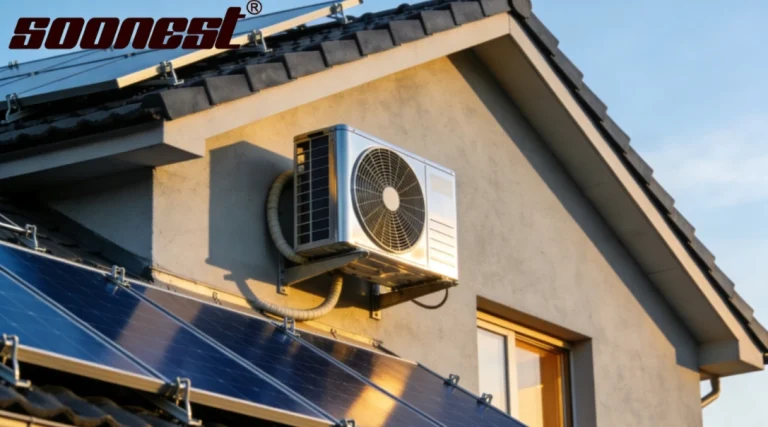
Solar setups grab sunlight via panels. They change it to electricity. Then, an inverter switches DC to AC for home and work use. Refrigerators and air conditioners lean on hybrid inverters a lot. These inverters do more than convert. They handle power movement between panels, batteries, and devices. This keeps the supply even and ongoing.
Solar Energy Basics for Cooling Applications
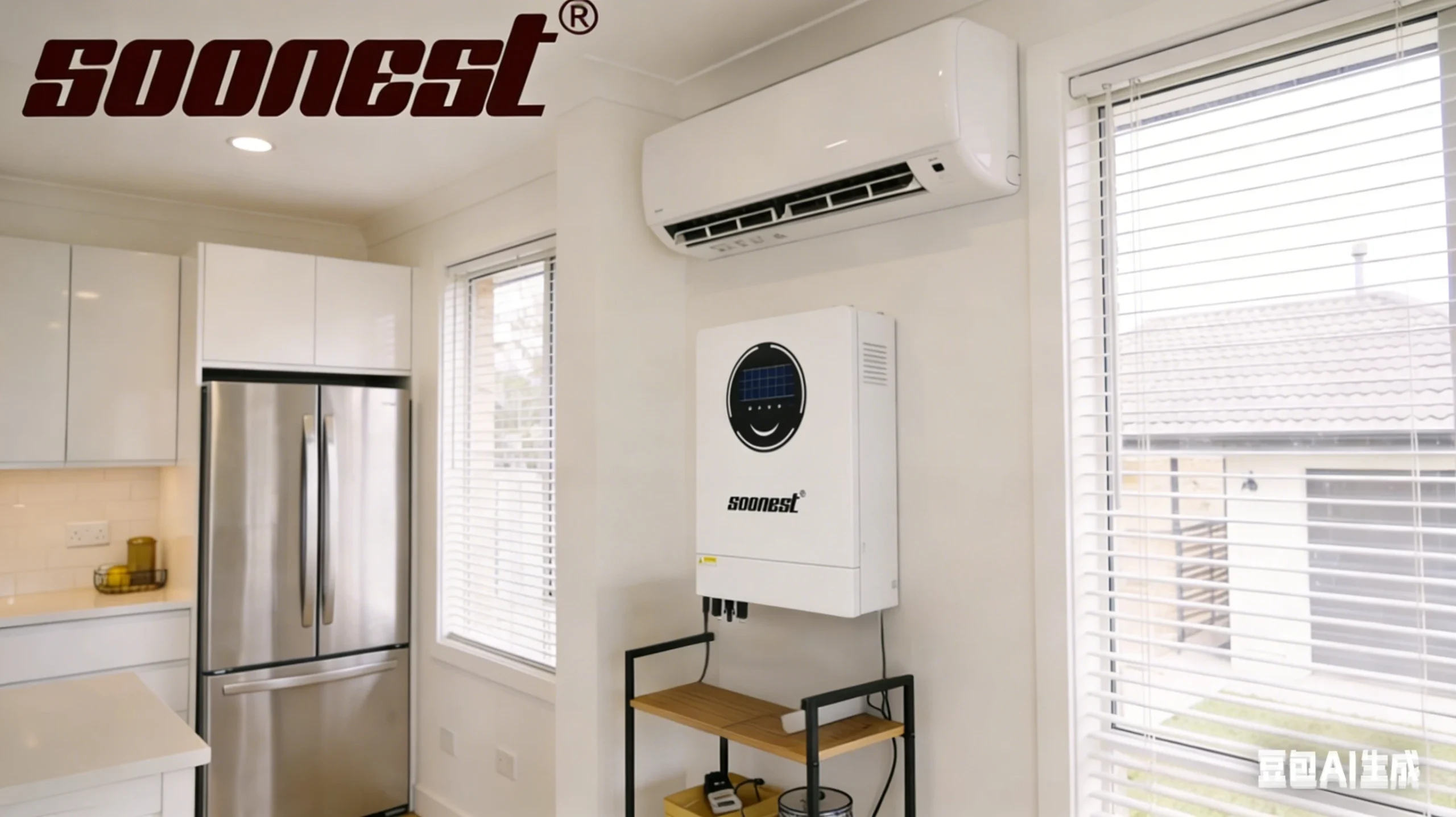
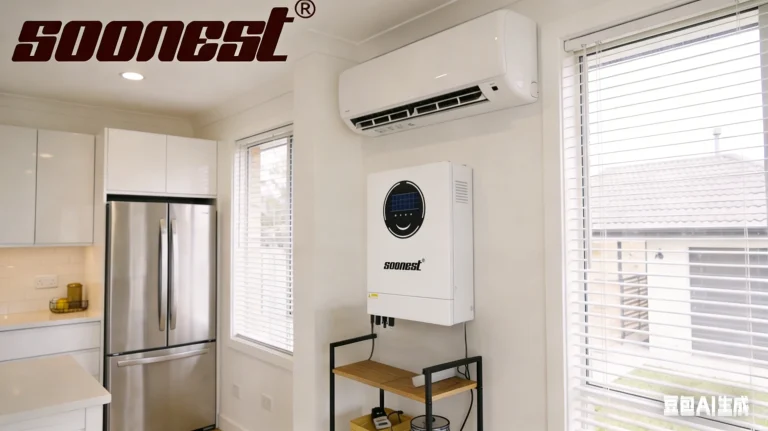
Solar panels absorb sunlight and generate direct current electricity. The Soonest MY Series Hybrid Inverter manages this energy stream effectively. You can use solar power immediately and any surplus is stored in batteries for later use. As a result, appliances like your refrigerator and air conditioner continue to operate reliably, even when the sunlight diminishes or disappears entirely. Consider bright locations in Southern California, for example. In those areas, this setup powers a household refrigerator throughout the night using energy saved from the day.
The Role of Hybrid Inverters in Solar Power Systems
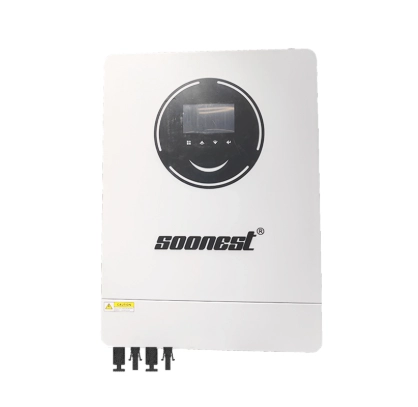
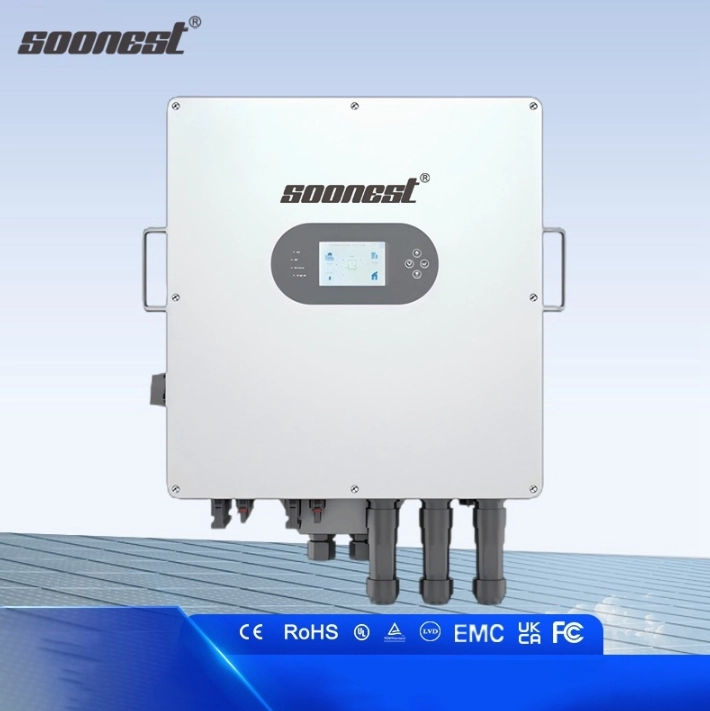
Hybrid inverters sit at the heart of solar cooling outfits. They even out energy sharing from solar panels to batteries and your gear. When loads get heavy, like several air conditioners plus fridges, the Soonest IP65 High Voltage 3-Phase Hybrid Inverter steps in with tough, sure output. It tucks away extra when plenty flows. It pulls from storage when short. Cooling tools keep going round the clock. No heavy lean on the grid. From talks in the field, this unit gets thumbs up for stores and spots needing cooling non-stop.
Why MPPT and Pure Sine Wave Technology Matter for Appliances
MPPT tech tunes solar panels for best results. It adjusts the inverter to hit high marks. Power-eaters like fridges and air conditioners benefit most. They pull the full energy on offer. In actual jobs, MPPT lifts output by 20–30% in hot summer peaks, per tests from the trade.
Pure sine wave gives power like the grid’s own. It shields motors and circuits from harm or quick breakdown. The Soonest MY Series Hybrid Inverter comes with this key part. It hands over safe, steady juice for your top devices. Honestly, it’s a game-changer for keeping things humming without worries.
Overcoming Key Challenges with Solar-Powered Cooling
Solar power fits fridges and AC units nicely. But to make cooling systems work well, you must tackle everyday hurdles.
Power Fluctuations and Appliance Startup Surge
Air conditioners and refrigerators kick off with big power pulls. These can trip up cheap inverters. The Soonest IP65 High Voltage 3-Phase Hybrid Inverter takes those high starts in stride. It guards your stuff and skips cutoffs at launch. In steamy Texas heat waves, this firmness really shines.
Battery Storage and Continuous Operation
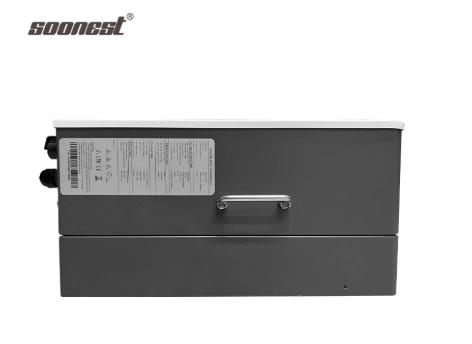
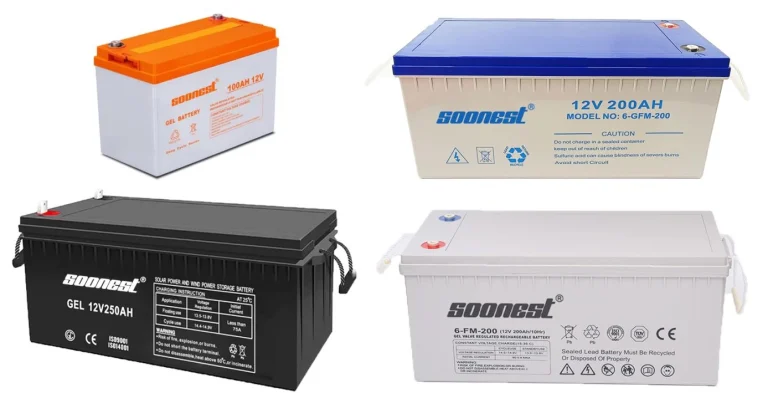
Batteries matter for solar cooling. They hold day power for night or overcast skies. Right battery size locks in smooth work for fridges and AC units. The Soonest MY Series Hybrid Inverter watches storage closely. It draws saved power wisely for endless cooling. Off-grid houses dodge those pesky night blackouts thanks to this.
Roof Space and Solar Array Sizing Constraints
Available roof spots cap panel numbers. Big houses or lots of cooling call for more panels. Space might not allow it. Smart layout and good panels cover fridge and AC pulls without excess room use.
Table 1: Inverter Performance Comparison (Real Industry Data)
| نوع المحول | MPPT Efficiency | Waveform | Startup Surge Support | أفضل ل |
| Standard Inverter | 85–90% | Modified Sine Wave | Weak | Small electronics only |
| Soonest MY Series (1–10.2kW) | 99.5% | Pure Sine Wave | قوية | Home fridge + 1–2 AC units |
| Soonest IP65 3-Phase (10–50kW) | 99.7% | Pure Sine Wave | Extra Strong | Commercial / multiple ACs |
How Much Solar Capacity Do You Need for Refrigerator and AC?
Estimating Refrigerator and AC Power Consumption
Begin by figuring appliance power draw. That helps size your solar setup right. A basic refrigerator pulls 300–800 kWh each year. A common home air conditioner takes 1,000–2,500 kWh over the same span.
Matching Solar Panels, Batteries, and Inverters
With your total use clear, pick the proper system scale. A 3–5 kW system often backs a fridge and single air conditioner. Heavy cooling asks for a big hybrid inverter, say the Soonest IP65 High Voltage 3-Phase Hybrid Inverter. It props up home cooling fully, skipping steady grid aid.
Table 2: Solar System Sizing for Fridge & AC (Real Field Data)
| Estimated Annual Consumption (kWh) | Recommended Solar Panel Capacity (kW) | Recommended Battery Storage (kWh) | |
| Standard Home Refrigerator | 500 | 1.2 | 3.0 |
| 1–1.5 HP Home Air Conditioner | 1800 | 4.5 | 12.0 |
Real-World Examples of Off-Grid and On-Grid Systems
Off-grid outfits suit far places without grid ties. On-grid ones let homes trim power tabs and send back spares to the lines. Both hold up cooling well when matched with solid hybrid inverters.
Benefits of Choosing Solar-Powered Cooling
Reduced Grid Electricity Costs and Lower Carbon Footprint
Solar cooling cuts grid pull sharp and shrinks bills each month. It trims carbon too. A farm in the Midwest saw 40% yearly drop in power spend after going solar on cooling.
Longer Appliance Life with Stable Power
Pure sine wave guards fridge and AC motors from jolts and shaky voltage. Gear works quieter, stays cooler, and holds up much better. The Soonest MY Series Hybrid Inverter supplies this firm, clean flow.
Increased Energy Independence with Hybrid Solar Systems
Hybrid solar blends panels, batteries, and sharp inverters for more self-rule on power. Store sun extras for off-hours. Lean less on the grid. Cooling holds firm in dim sun or busy pulls. Up in Rocky cabins, this brings steady chill without fuss—kinda essential out there.
How Soonest Power Ensures Seamless Support and Contact Options
Soonest puts customer aid first in every solar job. It runs from buy-before plans to years of after-help.
Professional Pre-Sale System Design and Consultation
Soonest’s crew gives custom builds based on your cooling needs, room, and cash. They aim for even, smart output.
After-Sale Technical Support and Warranty Services
Round tech aid and warranty wrap keep things rolling smooth over time.
Contact Soonest Power for Customized Cooling Solutions
Need a sure solar fix for your refrigerator and air conditioning? Reach Soonest Power. Their group shapes a match for what you want.
أسئلة متكررة
Q: My air conditioner won’t start on solar. What’s the real problem?
A: This usually stems from weak surge handling and poor inverters. A pure sine wave hybrid inverter from Soonest manages big starts and wipes out this snag for good.
Q: Can solar run my fridge and AC 24 hours a day, even when it rains?
A: Yes. Fit panels right, add enough battery hold, and use a firm hybrid inverter. Then cooling gear goes day and night—rain or shine.
Q: Will solar really lower my monthly electric bill for cooling?
A: Yes. A good solar build can shave cooling power costs by 40%–70%. Often, it skips grid draw altogether in daylight.



 Arabic
  English
  Russian
  German
  French
  Spanish
  Portuguese