ما هي مضخة المياه الشمسية وكيفية عملها
توفر مضخة المياه الشمسية طريقة عملية لسحب المياه من المصادر ونقلها إلى الأماكن اللازمة باستخدام طاقة الشمس النظيفة. تتجنب هذه الإعدادات استخدام الكهرباء العادية للشبكة أو وقود الديزل. بدلاً من ذلك ، يعتمدون على الألواح الشمسية الضوئية لإنشاء الطاقة المطلوبة. تتكون مضخة المياه الشمسية من لوحة شمسية تحول طاقة الضوء إلى طاقة كهربائية ، ثم يتم تجهيزها بمضخة مياه شمسية خاصة منخفضة الجهد. عندما يصيب ضوء الشمس الألواح ، يتم تشغيل النظام بنفسه لتشغيل المضخة. بدوره ، يحول هذا الإجراء المياه من أصلها إلى الموقع المطلوب.
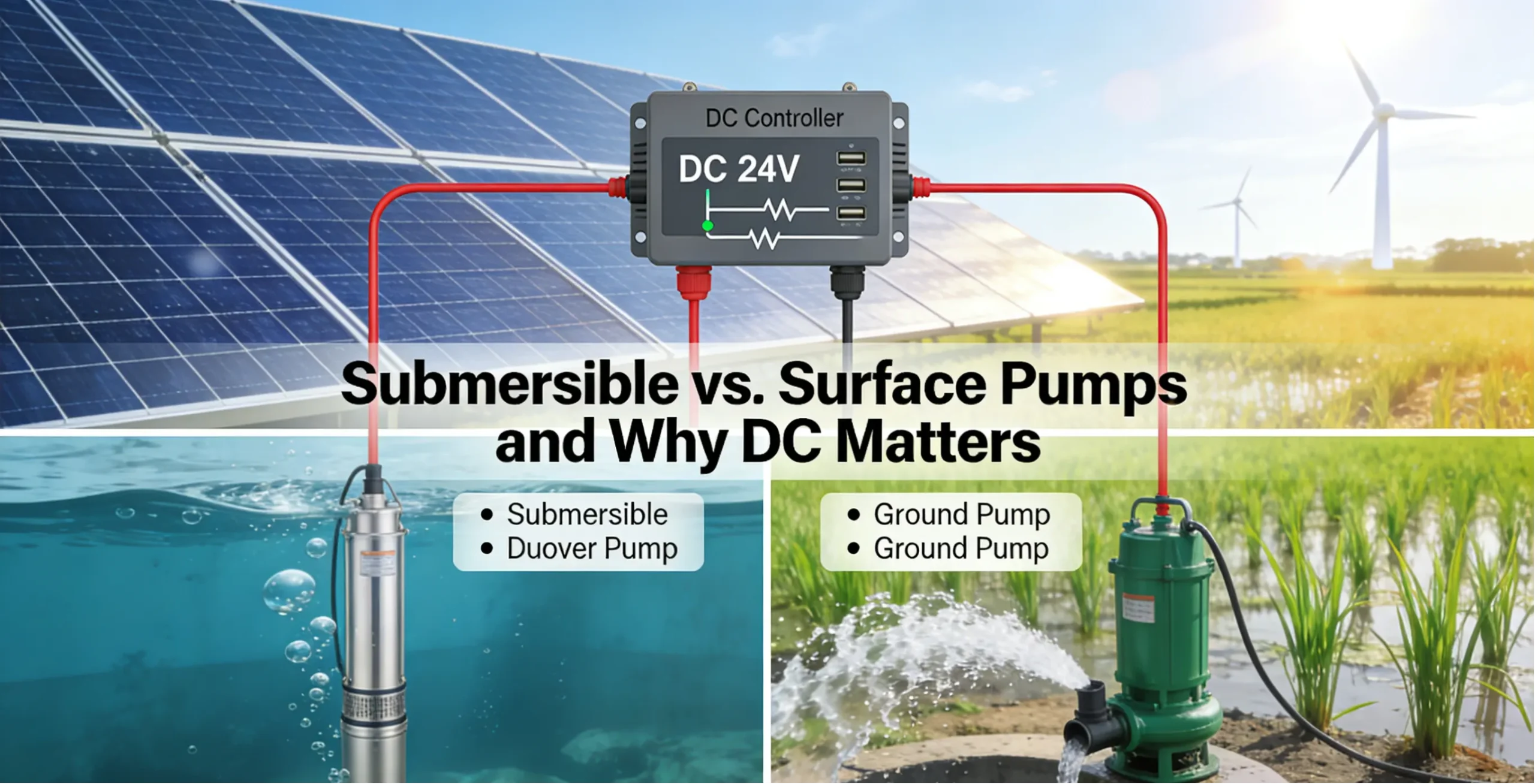
كل إعداد عادة يحتوي على الألواح الشمسية، وحدة تحكم، ومضخة. قد تكون المضخة قابلة للغمر أو سطحية، اعتمادا على المهمة المعروضة. نظام مضخة المياه الضوئية الشمسية يتكون أساسا من ثلاثة أجزاء: الألواح الشمسية ، ومحول مضخة المياه الضوئية الشمسية ، ومضخة المياه. يتولى وحدة التحكم مهمة رئيسية في حماية الإعداد مع خيارات مثل وقف مشاكل التشغيل الجاف وإدارة السرعة والجهد الدراعي. وحدة التحكم تعمل بالكامل ، مع حماية الاتصال العكسي ، وحماية التحميل الزائد / الجهد المنخفض ، وحماية درجات الحرارة العالية ، وحماية التشغيل الجاف ، والتحكم في السرعة ، ويمكن ربطها مباشرة باللوحة الشمسية من خلال وحدة التحكم. هذه الحمايات تبقي الوحدة بأكملها تعمل بشكل مستقر وآمن مع مرور الوقت.
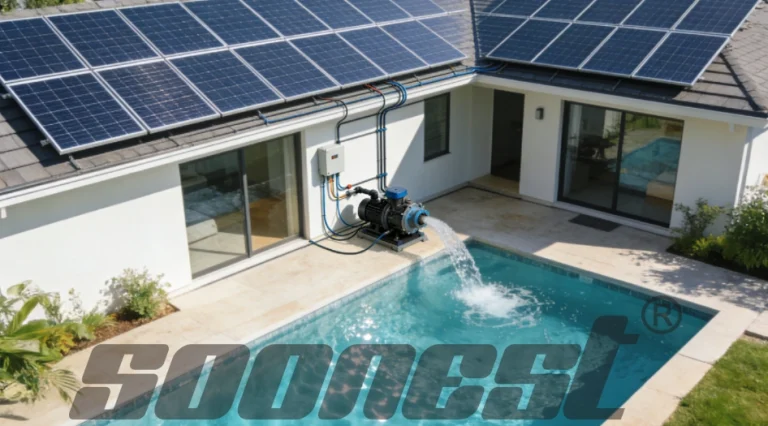
تعمل هذه المضخات بشكل جيد في المناطق الريفية والأماكن التي لا تتوفر فيها شبكة الكهرباء، حيث يبقى إمدادات الكهرباء متباينة أو صعبة الحصول عليها. ويمكن استخدامها في سيناريوهات مثل الري الزراعي ومعالجة مياه الشرب واستخدام المياه المنزلية وري الحدائق ومضخات الآبار العميقة واستخدام مياه حمام السباحة. على سبيل المثال، يستخدمها المزارعون لمياه الحقول في المواسم الجافة. تعتمد الأسر في المناطق النائية عليهم للاحتياجات اليومية. يجدها البستانيون مفيدين للحفاظ على النباتات على قيد الحياة دون جهد يدوي.
الفوائد الرئيسية لمضخات المياه الشمسية
تجلب إعدادات المياه التي تعمل بالطاقة الشمسية عدة نقاط جيدة مقارنة بأساليب الضخ القديمة. مضخات المياه الشمسية آمنة وخالية من الضوضاء وخالية من التلوث. لا تنتج أي مواد ضارة صلبة أو سائلة أو غازية وهي صديقة للبيئة تماما. لأنها تعمل مباشرة من الطاقة الشمسية ، يتجاوز المالكون احتياجات الديزل أو فواتير الشبكة. وهذا يؤدي إلى عدم تكاليف الوقود وتوفيرات كبيرة في الرحلات اليومية.
الصيانة تبقى منخفضة. فهي سهلة التركيب والصيانة، ولها تكاليف تشغيل منخفضة وهي مناسبة للتشغيل بدون مراقبة. بفضل ميزات مثل محركات DC بدون فرشاة والبناء المقاوم للماء ، تتمتع هذه الأنظمة بعمر خدمة طويل حتى في ظروف بيئية قاسية. المحركات تفتقر إلى الفرشاة ، لذلك تتآكل ببطء. الأجزاء المقاومة للماء تقاوم المطر والغبار. وبالتالي، تستمر الوحدات سنوات في أماكن صعبة مثل الحقول الساخنة أو الأراضي الرطبة دون إصلاحات متكررة.
ويشمل تطبيقها العملي الري الزراعي، وري الماشية، والإمدادات السكنية في المناطق الخارجة عن الشبكة، وحتى عمليات الإغاثة في حالات الكوارث. مضخات المياه الضوئية مدفوعة مباشرة بالطاقة الشمسية، لذلك لها فوائد واضحة جدا توفير الطاقة وحماية البيئة. في الزراعة، يقللون من استهلاك الطاقة مع الحفاظ على تدفق المياه ثابتًا. بالنسبة للحيوانات ، فهي توفر إمدادات نظيفة بدون ضوضاء. المنازل في المناطق البعيدة تحصل على وصول موثوق به. خلال الأزمات ، تقدم المياه السريعة دون مخاوف الوقود.
مضخات المياه الشمسية الغامرسة مقابل السطحية
اختيار النوع الصحيح من المضخة يعتمد إلى حد كبير على مصدر المياه الخاص بك ’ العمق والاستخدام المقصود. فهم الاختلافات بين خيارات الغواص والسطح يساعدك على اتخاذ قرار مستنير. من خلال وزن هذه العوامل مبكرا، يمكنك اختيار مطابقة تناسب موقعك وتجنب المشاكل اللاحقة.
المضخات الشمسية الغارقة: الميزات والتطبيقات
هذه المضخات تدخل في الماء داخل الآبار أو الحفر. إنها تناسب سحب المياه العميقة بشكل أفضل. تقع مضخة المياه الشمسية الغامرة تحت الأرض ... وتستخدم المضخة الغامرة لنقل المياه من الآبار إلى الأرض. وضعت تحت السطح ، وتشتغل بهدوء وتستخدم الطاقة بشكل جيد. الضوضاء المنخفضة تناسب البيئات الريفية السلمية. الاستخدام الجيد للطاقة يعني أقل نفايات أثناء التشغيل.
واحدة من الميزات الرئيسية هي قدرتها على دفع الماء على مسافات عمودية طويلة. كما يحميهم وضع تحت الأرض من الطقس أو الأضرار العرضية. والأهم من ذلك ، فإن بعض الأنظمة تحافظ على معدلات تدفق ثابتة حتى لو كان ضوء الشمس يتقلب طوال اليوم. العواصف أو الغيوم التي تمر بالكاد تبطئ الإنتاج. هذا العمل المستمر يساعد في الأماكن ذات المصادر العميقة ، مثل المزارع الصخرية حيث تختبئ المياه أبعد من ذلك بكثير. يعتمد المستخدمون على هذا حتى الري بدون ثغرات.
مضخات الطاقة الشمسية السطحية: الميزات والتطبيقات
المضخات السطحية تجلس على الأرض وتسحب من البراك أو الأنهار أو الخزانات. نحن’ أسهل تثبيت وصيانة لأن جميع المكونات متاحة. تعمل هذه الأنظمة بشكل أفضل عندما يكون مستوى المياه قريبًا من السطح ويتطلب الحد الأدنى من الرفع العمودي. بالقرب من الأنهار أو حمامات السباحة الضحلة ، يرسمون بضغط قليل. يسمح الوصول السهل للمالكين بالتحقق من الأجزاء بسرعة.
عملية تركيبها أقل تعقيدا من عملية المضخات الغامرة. إذا سمحت التضاريس الخاصة بك ومصدرك ضحل ، فإن نماذج السطح فعالة من حيث التكلفة وسهلة النقل. الأرض المسطحة تجعل الإعداد بسيط. نقلهم يناسب الاحتياجات المتغيرة، مثل تغيير بقع الحديقة. المبتدئين يتعاملون معهم مع الخطوات الأساسية ، وتوفير المساعدة المحترفة.
أهمية الطاقة المستمرة في أنظمة الضخ الشمسي
الطاقة DC (التيار المستمر) تجلب بعض المزايا التقنية لضخ المياه الشمسية. بما أن الألواح الشمسية تنتج طاقة DC بشكل طبيعي ، فإن استخدام محرك DC يقلل من فقدان الطاقة عن طريق القضاء على الحاجة إلى معدات تحويل AC / DC. لوحات الخروج DC على الفور. المحركات التي تتطابق تأخذها مباشرة، وتتجاوز صناديق التغيير التي تفقد الطاقة كحرارة. في المناطق النائية المشمسة ، يحافظ هذا على المزيد من الطاقة لعمل المضخة.
لماذا المضخات الشمسية التي تعمل بالطاقة المستمرة تقدم كفاءة أكبر
تبدأ المضخات التي تعمل بالطاقة المستمرة بسهولة أكبر في ظروف الضوء المنخفض وعادة ما تكون متطلبات طاقة بدء التشغيل أقل مقارنة بنظرائها المتردد. محرك مضخة المياه بدون فرشاة DC الشمسية هو أفضل مضخة مياه بدون فرشاة DC مدفوعة بخلايا شمسية من بين مضخات المياه الشمسية القائمة على محركات DC بدون فرشاة حتى الآن. إنها تعمل بشكل أكثر استمرارية طوال اليوم مع اختلاف ضوء الشمس. الغموض في الصباح المبكر أو التلاشي في وقت متأخر من بعد الظهر يؤثر عليهم أقل. حتى أن هذا التشغيل يدعم المهام التي تحتاج إلى الماء في أوقات محددة.
محرك كفاءة آخر هو إدراج تقنية MPPT (تعقب نقطة الطاقة القصوى) في العديد من الأنظمة. نظام تتبع الطاقة المتقدم MPPT لديه معدل تحويل طاقة النظام بنسبة 85٪. هذا يضمن الاستخدام الأمثل للطاقة الشمسية المتاحة في أي وقت معين. MPPT تتبع التحولات الشمسية وتعدل لسحب أقصى قدرة. يتعامل مع تغييرات الزاوية أو غطاء السحابة بشكل جيد. لذلك ، تحصل المضخة على الاستفادة الكاملة من أي ضوء يصل.
مقارنة أنظمة المضخات الشمسية DC مقابل AC في الأداء والتكلفة
تميل أنظمة DC إلى أن يكون لها مكونات أقل - لا يعني أي محول تصميم أبسط وتكلفة أقل. نحن’ نحن موثوقون بشكل خاص في المناطق النائية حيث النسخ الاحتياطي للشبكة ليس خيارا. من ناحية أخرى، قد تناسب أنظمة التيار المتردد التطبيقات الهجينة حيث تتوفر مصادر الطاقة الاحتياطية ولكن قد تتكبد استثمارات أولية أعلى بسبب المعدات الإضافية. تبقى إعدادات DC أساسية وصعبة للحياة خارج الشبكة. تلك AC تربط إلى سلطات أخرى ولكن إضافة التكلفة من المزيد من الأجزاء. اختر DC للبقع الشمسية النقية لتوفير مقدما. الذهاب AC للاحتياجات المختلطة، على الرغم من مراقبة النفقات الإضافية.
سلطة الضوء على المنتج: في أقرب وقت AC / DC عالية رأس قوية مضخة الري الشمسية
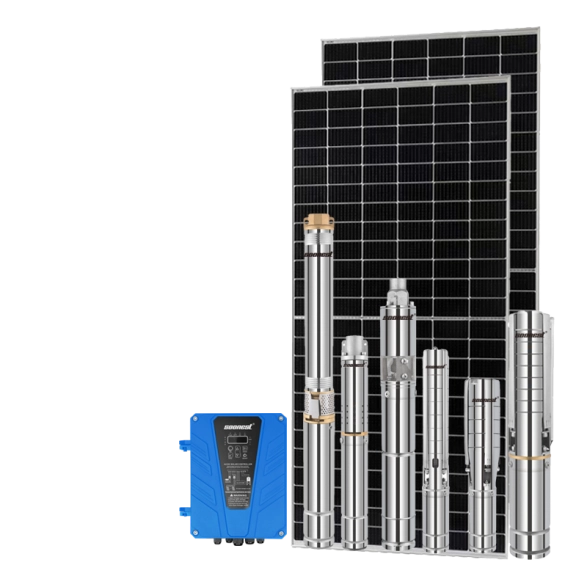
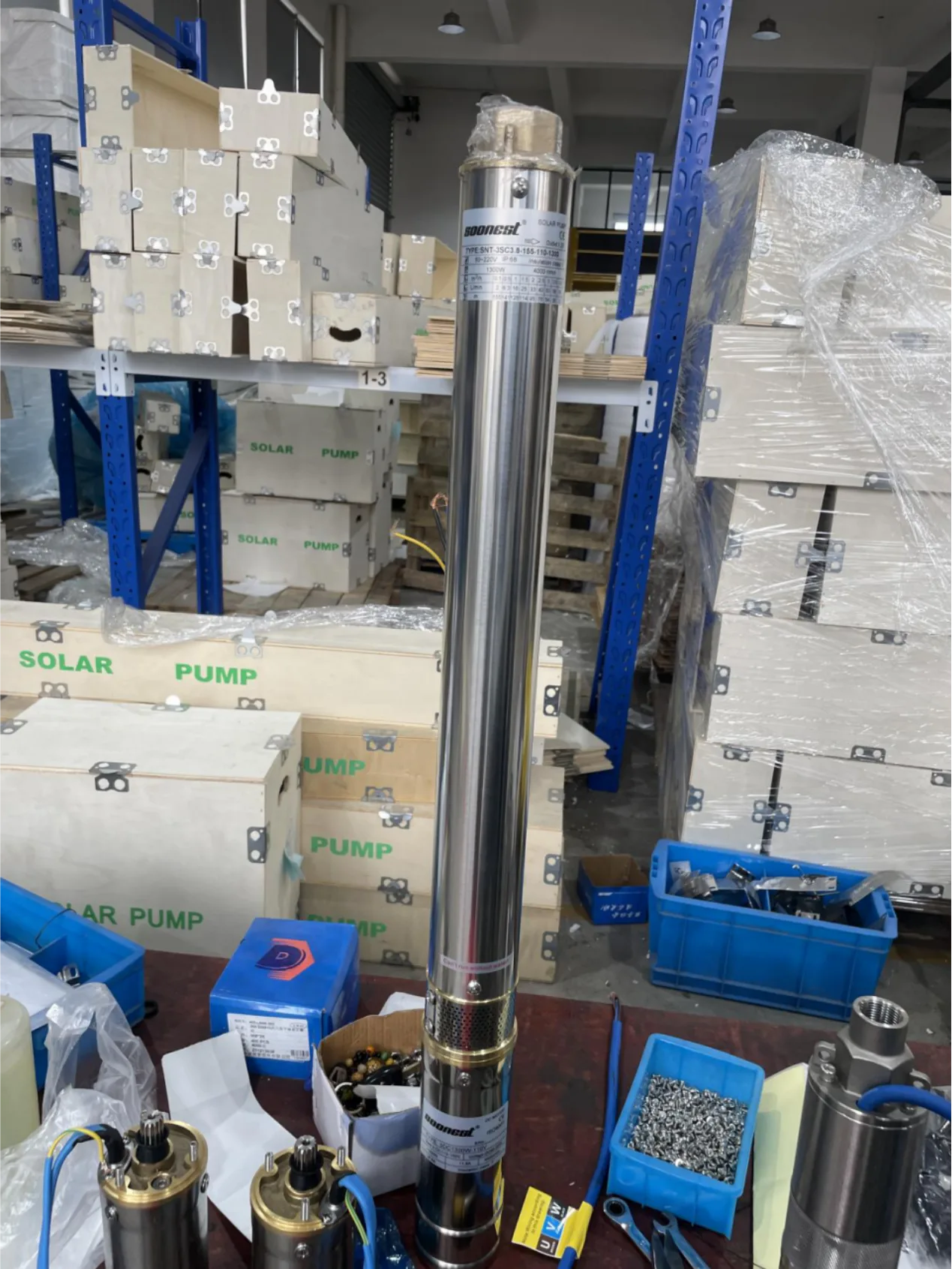
إذا كنت’ إعادة البحث عن حل قوي ومتعدد الاستخدامات يعمل في ظروف مختلفة ، فكر في AC / DC مضخة شمسية - عالية رأس قوية مضخة المياه الشمسية الري. يوفر هذا النظام المزدوج المرونة عن طريق العمل على إما مدخلات AC أو DC - مثالية للسيناريوهات التي تتطلب كل من التشغيل المستقل والنسخ الاحتياطي للشبكة من حين لآخر. التبديل بين الأوضاع عندما تغطس الشمس أو تدخل الشبكة. هذا يغطي المزارع التي تحتاج إلى مياه ثابتة، ليلا أو نهارا.
تعتمد المضخات الشمسية على الكهرباء التي تولدها الألواح الضوئية (Pv) أو الحرارة المشعة التي يتم الحصول عليها من ضوء الشمس المجمع لتشغيلها ، بدلا من طاقة الشبكة أو مضخات المياه التي تعمل بالديزل. يتضمن محركات DC بدون فرشاة عالية الكفاءة التي توفر ما يصل إلى 25٪ في استهلاك الطاقة. مع MPPT المدمج ، يتكيف بشكل ديناميكي مع تغير مستويات ضوء الشمس للحصول على أقصى أداء. المحركات بدون فرشاة تقطع الاحتكاك للعمل أكثر سلاسة. MPPT يضبط إلى التحولات الخفيفة، وضمان انتاج قوي طوال اليوم.
وعلى وجه الخصوص، فإنه يتميز بحماية من التشغيل الجاف، وحماية من التحميل الزائد، ومكونات مصبوبة من الراتنج لمقاومة الطقس، وتصنيف مقاوم للماء IP68 - مما يجعله مناسبا حتى للبيئات البحرية أو المعرضة للفيضانات. يتوقف التشغيل الجاف إذا افتقر الماء ، مما يمنع الضرر. الحمل الزائد يحمي ضد التوتر الزائد. الراتنج يتحمل العواصف والملح. IP68 يمنع دخول المياه ، ويتناسب مع الاستخدام الرطب أو الساحلي.
وتتراوح التطبيقات من ري المحاصيل في المزارع النائية إلى ري الماشية والاستخدام السكني. وتدعم قدرة الرأس العالي تغيرات الارتفاع تصل إلى 320 متر مع قدرة تدفق 700 متر مكعب في الساعة - مثالية للتضاريس التلالية. يصل الرفع العالي إلى الحقول العليا على المنحدرات. تغطي مساحات كبيرة بسرعة. المواقع البعيدة تعمل بدون رحلات الوقود. المنازل توفر الحوض والحمامات بشكل موثوق.
اختيار المضخة المناسبة بناء على احتياجاتك
تعتمد المضخة الصحيحة على عدة عوامل رئيسية:
عمق مصدر المياه
إذا كان بئرك أو حفرك عميقًا ، فاذهب مع نموذج غامر. المضخات السطحية مناسبة بشكل أفضل للمصادر الضحلة مثل الأنهار أو خزانات التخزين. البقع العميقة تحتاج إلى دفع تحت الماء للوصول الكامل. تلك الضحلة تسمح بسهولة السحب العلوي دون إعداد عميق.
معدل التدفق المطلوب
تقدير احتياجاتك اليومية أو الموسمية من المياه بناء على تطبيقك - سواء كان ’ s ري المحاصيل، ري الحيوانات، أو توفير الأسرة. قد تتطلب معدلات تدفق أكبر محركات أقوى أو مجموعات لوحات أكبر. حقول المحاصيل تتطلب حجما كبيرا حتى لتنقص. أحواض الحيوانات تحتاج ثابتة ولكن أقل. الاستخدام المنزلي يناسب معدلات معتدلة. حجم المحركات والألواح لمطابقة دون الزائد.
الموقع & توافر ضوء الشمس
قم بتقييم عدد ساعات ضوء الشمس التي يتلقاها موقعك في المتوسط يومياً. هذا يحدد عدد الألواح التي ’ سوف تحتاج إلى تشغيل نظامك بشكل موثوق على مدار السنة. تتطلب البقع المشمسة أقل لنفس الناتج. المناطق المظلمة تدعو إلى المزيد لتغطية المنخفضات. تعداد لوحة دليل البيانات المحلية للتدفق على مدار السنة.
الميزانية التكاليف على المدى الطويل
في حين تختلف التكاليف الأولية حسب حجم النظام وميزاته ، تذكر أن المضخات الشمسية تقلل بشكل كبير من نفقات الوقود وتكاليف الصيانة مع مرور الوقت. تتكون المضخات الشمسية من مجموعات الألواح الشمسية ، وحدات التحكم في الشحن الشمسي ، ومضخات المياه المستمرة … مما يجعلها أكثر اقتصادية بشكل رئيسي بسبب انخفاض تكاليف التشغيل والصيانة. الشراء الأولي يغطي الأساسيات ، ولكن لا يوجد وقود مستمر يسترد قريبا. الإصلاحات المنخفضة تضيف إلى الوفورات في عمليات التشغيل عن بعد.
لماذا الشراكة مع أسرع لاحتياجات مضخة المياه الشمسية الخاصة بك
عند اختيار مزود الحلول الشمسية الخاص بك، العمل مع مصنع ذو خبرة يضمن منتجات ذات جودة مدعومة بالدعم. يقدم المصنعون المهرة معدات تقف في اختبارات حقيقية. يتضمن الدعم النصائح والإصلاحات.
Yiwu أقرب شركة طاقة جديدة ، Ltd. يدمج R & amp; د، التصنيع، والتوزيع العالمي تحت سقف واحد. مع أكثر من 50 براءة اختراع في التكنولوجيا الإلكترونية وقدرات OEM / ODM قوية ، تقدم حلول قابلة للتخصيص مصممة خصيصاً للزراعة والاستخدام السكني والتطبيقات الصناعية. رؤيتنا هي: جعل الأرض مكانا أفضل، ملتزمة بتعزيز أنظمة الطاقة الضوئية وتخزين الطاقة. الفرق تبني على مواصفاتك للحقول أو المنازل. الوصول العالمي يناسب أي حجم المشتري.
من الاستشارات التقنية قبل البيع إلى إرشادات الصيانة بعد البيع - بما في ذلك الوصول إلى قطع الغيار - تضمن Soonest دعمك في كل مرحلة. تغطي المحادثات قبل الشراء تناسب الموقع. تشمل مساعدة ما بعد الإعداد طلبات جزئية. هذه السلسلة تبقي الوحدات تعمل بسلاسة.
يقع المصنع في مدينة فوشان مع 4000 متر مربع من مساحة المكاتب والإنتاج ... توفير توفير الطاقة ومنتجات الطوارئ السلامة الطاقة الآمنة للمستخدمين العالميين. الخطوط تنتج عناصر نظيفة ومفحصة. أسرع مساعدات التحولات الخضراء في جميع أنحاء العالم.
أسئلة متكررة
س: هل يمكنني استخدام مضخة مياه شمسية إذا كان موقعي يحتوي على ضوء شمسي محدود؟
ج: نعم. وتشمل العديد من الأنظمة وحدات تحكم MPPT التي تحسن الأداء خلال ظروف الضوء المنخفض. يمكنك أيضًا تثبيت أنظمة تخزين البطارية أو أنظمة AC / DC الهجينة لنسخ احتياطي. MPPT يعزز استخدام الضوء الضعيف. تخزن البطاريات لساعات مظلمة. الهجينات تضيف أمان الشبكة.
س: هل أحتاج إلى تركيب محترف لنظام مضخة شمسية؟
ج: في حين أن الإعدادات الأساسية يمكن أن تكون صديقة DIY ، يضمن التثبيت المهني الحجم الأمثل للألواح والاتصالات الكهربائية الصحيحة - خاصة للأنظمة الغامرة. الايجابيات تتعامل مع المواضع العميقة بشكل صحيح. يعمل DIY على السطح البسيط.
س: كم من الوقت تستمر مضخة المياه الشمسية؟
ج: مع الصيانة المناسبة ، تعمل معظم الأنظمة عالية الجودة بكفاءة لأكثر من 10 سنوات بفضل المحركات المتينة والمكونات المقاومة للطقس مثل الإسكان المصنف IP68. الفحوصات المنتظمة تمدد العمر في الأماكن الصعبة.



 Arabic
  English
  Russian
  German
  French
  Spanish
  Portuguese