
اختيار أفضل مصدر طاقة لمحطتك المحمولة يتجاوز مجرد التفاصيل التقنية. إنه خيار حول السلامة والمتانة والثقة الحقيقية. سواء كنت تستعد لرحلة خارج الشبكة ، أو ترتيب نسخة احتياطية طوارئ ، أو تشغيل موقع عمل بعيد ، يجب أن يكون جوهر إعدادك - البطارية - موثوقًا به وصعبًا وفوق كل شيء ، آمنًا.
تأسيس الطاقة المحمولة الموثوقة
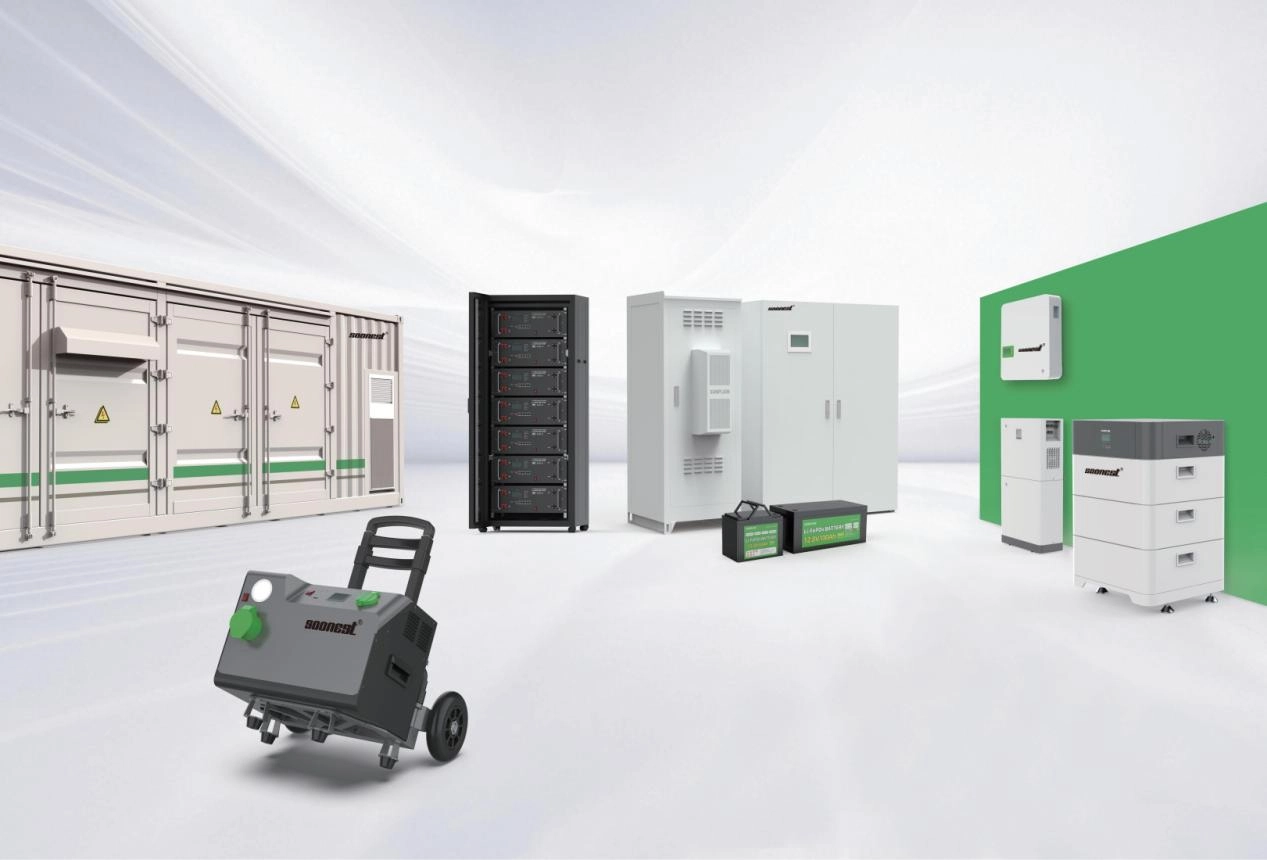
عندما تريد حرية الطاقة، تبحث عن شركات تبذل جهدا حقيقيا في التكنولوجيا الرئيسية التي تجعلها تعمل. تحتاج إلى المعرفة، وهدف واضح للأفكار الجديدة، وتاريخ قوي في توريد الخلايا التي تتعامل مع ظروف الحياة الحقيقية الصعبة. هذا هو المكان الذي يبرز فيه مقدمو الطاقة المركزون حقا. لأكثر من عشر سنوات، عملت مجموعتنا الملتزمة فقط على تحسين أنظمة تخزين الطاقة، مع العلم بأن الخيارات المعتادة لا تستطيع مواكبة الاحتياجات المتزايدة لإنتاج طاقة قوي والسلامة الكاملة. نحن نعتمد نهجنا الكامل للتطوير على هدف رئيسي واحد: إعطائك أصعب وأكثر قوة آمنة متاحة، بنيت للقوة والاستخدام الطويل في أي بيئة. وعدنا يذهب أبعد من البند نفسه؛ هو حول تقديم المساعدة التقنية الكاملة والثقة في كيفية أداء النظام الخاص بك لسنوات عديدة. إذا كنت على وشك التحقق من التكنولوجيا التي تشكل مستقبل تخزين الطاقة، يمكنك الذهاب إلى قريبا‘ الموقع الرسمي لمشاهدة مجموعة كاملة من حلولنا المركزة.
السؤال الأساسي الذي يتعامل معه كل مستخدم للطاقة هو: أي نوع من الكيمياء يسمح لنظامي بالعمل بشكل ثابت لأطول فترة مع تقليل أي مخاطر حرارية؟ الجواب الواضح هو فوسفات الحديد الليثيوم (LiFePO4).
ميزة السلامة المتأصلة في LiFePO4: تخفيف المخاطر الحرارية
قلقك الرئيسي عند شراء محطة طاقة عالية السعة هو السلامة. تريد معرفة متأكدة بأن مصدر الطاقة الخاص بك لن يخلق خطر حريق، وخاصة عندما يتم الاحتفاظ به في سيارة أو خيمة أو منزل. تعطي كيمياء LiFePO4 هذه المعرفة المؤكدة بسبب إعدادها الذري الخاص ، والذي يوفر ميزة كبيرة على أنواع الليثيوم الأخرى الأقل استقرارًا.
الاستقرار الكيميائي والمقاومة للهروب الحراري
الفرق الرئيسي هو كيفية اتصال ذرة الأكسجين داخل بناء الخلية. في أنواع أيون الليثيوم الأخرى ، تترك أكسيدات المعادن بسرعة الأكسجين تحت الحرارة العالية أو الشحن الكبير. هذا الأكسجين المحرر يغذي أي حريق بدء، مما يسبب هروب حراري سريع وكامل - التدفئة الذاتية البرية التي يمكن أن تؤدي إلى الانفجارات والحرائق السيئة.
ولكن في LiFePO4 ، أيون الفوسفات (PO) ₄) يخلق روابط قوية جدا مع ذرة الحديد (Fe). هذه الرابطة الضيقة تبقي الإعداد ثابتًا ، لذلك تقاوم الانهيار حتى عندما تكون الخلية مليئة. عندما ترتفع الحرارة من الظروف القاسية - مثل الدائرة القصيرة أو الضرر المادي أو الشحن الزائد الثقيل - يبقى البناء كاملًا. ونتيجة لذلك، يمكن للنظام أن يأخذ المزيد من الحرارة قبل بدء أي تعطل. هذا الحد الحراري العالي يعني أن نقطة البداية للهروب الحراري هي مئات الدرجات أكثر دفئا من بطاريات أيون الليثيوم العادية. تحصل على عازلة أمان مهمة، وتحويل حدث محتمل مخاطر إلى حالة معالجة، غير الاحتراق. هذا الحاجز الكيميائي الطبيعي هو السبب في أن هذه الكيمياء تتحول بسرعة إلى المعيار العالمي للاستخدامات الصعبة والمهمة.
دور إدارة الطاقة الذكية
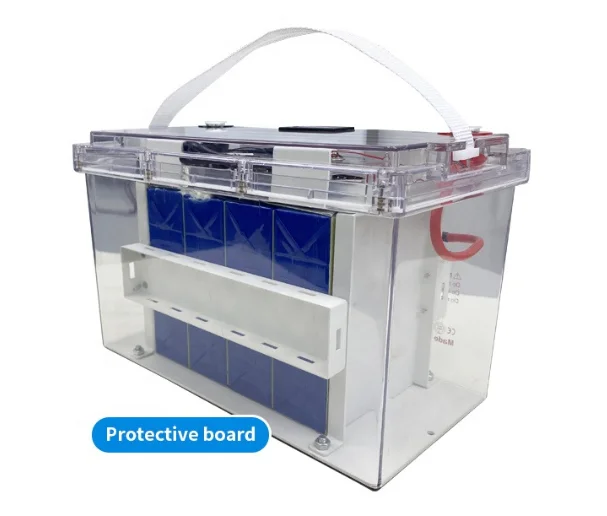
في حين أن الكيمياء توفر الحماية الأساسية، النظام’ القوة الحقيقية تعتمد على التحكم الإلكتروني الذكي. يعمل نظام إدارة البطارية الذكي (BMS) كمركز التحكم الرئيسي لمحطة الطاقة الخاصة بك ، يراقب دائما تشغيل الخلية. هذا النظام مهم لأنه يصلح المشاكل المحتملة قبل أن تصبح خطيرة.
يتحقق نظام BMS عالي الجودة من عدة تدابير مهمة في الوقت الحقيقي، بما في ذلك:
- حماية الشحن الزائد / التفريغ الزائد: إنه يوقف الجهد من الذهاب فوق أو تحت مستويات آمنة ، وهو سبب كبير لتآكل الخلية وعدم الاستقرار في أي بطارية.
- التحكم في درجة الحرارة: يراقب BMS عن كثب درجات الحرارة داخل الخلية. إذا اكتشف النظام مشكلة تسخين مفرط - قبل أن يكون الاستقرار الكيميائي في خطر - فإنه يقطع على الفور تدفق الشحن أو التفريغ ، مما يوقف أي تراكم حراري أكثر.
- حماية الدوائر القصيرة: قطع سريع يوقف التيارات العالية بشكل خطير من التشغيل، وحماية المعدات والشخص الذي يستخدمها.
من خلال الجمع بين هذه الكيمياء الثابتة جدا مع نظام BMS مصنوع بشكل جيد ، يصل إعداد الطاقة بأكمله إلى مستوى من السلامة والموثوقية لا يمكن أن تصل إليه أنواع البطارية الأخرى. أنت لا تعتمد فقط على الكيمياء. أنت تعتمد على تصميم دقيق يهدف إلى الحفاظ على سلامتك.
أطول أداء: التحمل والموثوقية
السلامة ضرورية، ولكن لأي شراء أن تدفع ثمنها، فإنه يحتاج أيضا إلى إعطاء صلابة كبيرة وعمر. بطاريات LiFePO4 هي الفائزين الواضحين للطاقة الدائمة في عالم الإعداد المحمول ، مما يوفر لك سنوات خدمة أكثر بكثير من الكيمياء القديمة. تأتي هذه القوة من قدرة دورة قوية وانخفاض صغير في القدرة مع مرور الوقت.
مرونة دورة عميقة استثنائية
يتم قياس عمر البطارية ليس فقط في السنوات ، ولكن في عدد دورات الشحن والتفريغ التي يمكن أن تقوم بها قبل أن تنخفض سعتها إلى أقل من 80٪ من المبلغ البدائي. ويسمى هذا التدبير دورة حياته. هذه الكيمياء تعمل بشكل رائع هنا بسبب شبكتها الذرية الثابتة جدا. مع تحول أيونات الليثيوم إلى الداخل والخروج من الكاثود أثناء الشحن والتفريغ ، يواجه إعداد LiFePO4 ضغوط مادية قليلة جداً أو تغيير الحجم. هذا الإجهاد الصغير يوقف الشقوق الصغيرة وبناء الضرر داخل الخلية، والتي هي الأسباب الرئيسية لفقدان القدرة في المواد الكيميائية الأقل استقرارا.
النتيجة هي بطارية قادرة على التعامل مع عدد مفاجئ من الدورات. في حين أن بطاريات الرصاص الحمضية قد تعطي بضع مئات من الدورات ، والخيارات المعتادة لأيونات الليثيوم أكثر قليلا ، فإن الخلايا الراقية التي تستخدم هذه الكيمياء الأفضل يمكن أن توفر أكثر من 4000 دورة شحن / تفريغ عميقة. وهذا يعني أنه يمكنك تشغيل وإعادة شحن محطة الطاقة المحمولة كل يوم لأكثر من عشر سنوات قبل أن تشهد انخفاضا كبيرا في السعة. أنت لا تحصل على عنصر سريع الاستخدام؛ أنت تضع المال في إصلاح الطاقة لمدة عشر سنوات.
تحسين العمر مع تصميم الدورة العميقة
أفكار البناء وراء المنتجات المصنوعة لخدمة طويلة الأجل تعزز هذه القوة الطبيعية الدائمة أكثر. يتم إعداد منتج تم تصميمه فقط لاستخدام دورة عميقة لإدارة دورات التفريغ الصعبة والمستمرة وغالباً ما تكون كاملة الشائعة في التخزين الشمسي أو الاستخدامات البعيدة.
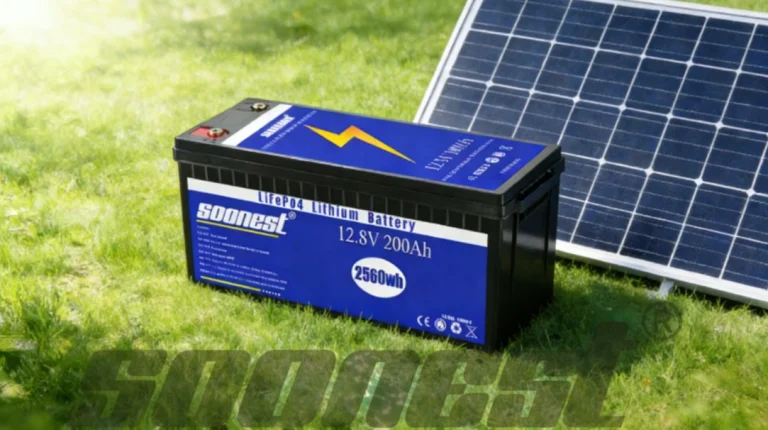
على سبيل المثال ، فكر في قواعد التصميم في SOONEST Deep Cycle Solar بطارية LiFePO4. هذا النوع من الإعداد يضع المركز الأول على الحصول على أقصى قدر من كل دورة. العبارة “ دورة عميقة” يظهر أن البطارية مصنوعة لتفريغ الكثير - غالباً إلى 10٪ أو 20٪ حالة الشحن (SOC) - دون ضرر سريع أو سريع. هذا يقف في تناقض حاد مع البطاريات القياسية التي تحب التفريغات الخفيفة. يضيف الرابط الشمسي إلى القوة ، لأن الإعدادات الشمسية تعتمد على العمل اليومي بالدورة الكاملة (الشحن في النهار والتفريغ في الليل). بالنسبة لك، يعني هذا إمدادات طاقة أفضل على مدى عمر المنتج الكامل. تحصل على الموثوقية في أصعب الأماكن ، مثل تشغيل جهاز رئيسي طوال الليل أو إعطاء طاقة ثابتة أثناء انقطاع تشغيل طويل.
مزايا النظام الشاملة: تعظيم الكفاءة والقيمة
تجاوزت القواعد الرئيسية للسلامة والقوة الدائمة، والانتقال إلى LiFePO4 تكنولوجيا يجلب مكاسب سريعة وحقيقية تعزز العمل اليومي والقيمة الإجمالية لمحطة الطاقة المحمولة الخاصة بك.
خفض كبير في الوزن والحجم
عند التعامل مع “ المحمولة” محطة الطاقة، الوزن يهم كثيرا. كثافة الطاقة لهذه الكيمياء معينة أعلى بكثير من التكنولوجيا القديمة مثل حمض الرصاص. وهذا يعني أن البطارية التي تعطي نفس الكمية من الطاقة القابلة للاستخدام ستكون أخف وزنا وأصغر بكثير.
- قابلية النقل العملية: محطة طاقة LiFePO4 سهلة الحمل والنقل ، مما يجعلها محمولة حقًا للتخييم والسيارات المعدنية ومواقع العمل. لم تعد تحمل وزنا إضافيا. أنت تحمل طاقة معبأة وفعالة.
- كفاءة المساحة: يسمح الحجم الأصغر للمصنعين بإنشاء محطات طاقة أكثر رقاقة ومرونة تناسب بشكل جيد في المناطق الصغيرة - وهو أمر لا بد منه في إعدادات السيارات والمساحات المعيشية الضيقة.
هذا المزيج من الطاقة والوزن الخفيف يسمح لك بأخذ المزيد من المعدات المطلوبة في رحلاتك دون فقدان كمية الطاقة.
المسؤولية البيئية والصيانة المنخفضة
كمشترين ، تفكر أكثر في تأثيرك على الأرض. يجب أن تتطابق الأجزاء التي تختارها مع الطرق الخضراء.
- تركيب صديق للبيئة: تتخطى بطاريات LiFePO4 المعادن الثقيلة مثل الكادميوم أو الرصاص ، لذلك فهي أكثر أمانا وأسهل إعادة تدويرها في نهاية عمرها الطويل جدا. وهذا يجعلهم اختيار أخضر أفضل ، يتناسب مع العمل العالمي لخفض النفايات السامة.
- الصيانة الصفرية: على عكس أنواع البطاريات القديمة التي تحتاج إلى الري المنتظم أو تدفق الهواء أو موازنة الشحنات ، هذه التكنولوجيا مغلقة بالكامل ولا تحتاج إلى رعاية على الإطلاق. هذه سهولة كبيرة؛ يمكنك فقط الاتصال واستخدام محطة الطاقة الخاصة بك دون التفكير في الرعاية أو الخطوات الخاصة. النظام يهتم بنفسه.
من خلال اختيار إصلاح الطاقة بناء على هذه الأفكار ، يمكنك اتخاذ خيار يساعد مالك ومهامك اليومية والعالم.
ما وراء الأجهزة: ضمان الدعم والوصول على المدى الطويل
منتج الطاقة الرائع جيد فقط مثل الشركة التي تدعمه. يجب أن يأتي إنفاقك على إصلاح الطاقة عالي الجودة وطويل الأمد مع مساعدة عملاء قوية وطرق سهلة للحصول على المعلومات.
توجيهات تقنية موثوقة
يجب عليك البحث عن المساعدة التقنية الكاملة والحاجة إليها. ويشمل هذا:
- استشارة ما قبل الشراء: تساعد على التأكد من اختيار الحجم المناسب ومواصفات الإنتاج لما تخطط للقيام به، وتجنب النظام الذي هو كبير جدا أو صغير جدا.
- دعم مخصص لما بعد البيع: الوصول إلى المحترفين الذين يمكنهم إصلاح المشاكل والإجابة على أسئلة التكنولوجيا الصلبة حول الربط (بشكل رئيسي مع الأجزاء الشمسية) ، والحصول على أقصى استفادة من الإعداد الخاص بك. هذه المساعدة إلى الأمام تتأكد من أن نظامك يعمل بشكل أفضل من البداية حتى السنة العاشرة.
يتأكد فريق مركز من إصلاح أي مشكلة تقنية تواجهها بسرعة ، وتقليل وقت التوقف وتعزيز ما تحصل عليه من إنفاقك.
قنوات واضحة للمشاركة
الانفتاح وسهولة الوصول مهمين للغاية. يجب أن يكون العثور على تفاصيل المنتج الكاملة وحقائق الضمان وخطوط المحادثة المباشرة بسيطة ومباشرة. يجب أن تكون قادرا على العثور بسرعة على:
- كتالوجات المنتجات: معلومات كاملة عن جميع النماذج، مخططات العمل، وتفاصيل BMS.
- معلومات الضمان: ضمان واضح وطويل الأجل يتطابق مع عمر الدورة المعلنة للبطارية - علامة حقيقية على الشركة المصنعة ’ الثقة في عنصرهم.
اختيار مزود يهتم بالمناقشة المفتوحة يعني أن لديك دائما شريك في عملك في مجال الطاقة.
الاستنتاج: اتخاذ الاختيار النهائي للسلطة
الاختيار اختيار بطارية LiFePO4 لمحطة الطاقة المحمولة الخاصة بك يأتي من الحس الجيد ، مدفوعة بالعمل القوي ، ومقفل بالاستقرار الكيميائي. تترك وراءك أوجه القصور في تكنولوجيا البطارية القديمة وتدخل في مجال سلامة أفضل وقوة دائمة لا مثيل لها وأفضل قيمة. عندما تنظر إلى احتياجاتك - من الاستقرار الحراري الشديد إلى آلاف الدورات العميقة المؤكدة - تعطي هذه الكيمياء دائماً الإصلاح الأكثر احترافاً وموثوقية. يضع المال في إصلاح الطاقة المصممة لموثوقية الدورة العميقة يضمن أن لديك الطاقة متى وأين تحتاجها أكثر.
FAQS
س: كيف تقارن التكلفة الإجمالية للملكية (TCO) بين بطارية LiFePO4 وبطارية الرصاص الحمضي التقليدية؟
ج: على الرغم من أن سعر البداية لبطارية LiFePO4 غالبا ما يكون أعلى من بطارية الرصاص الحمضي ، إلا أن تكلفة ملكيتها الإجمالية تنتهي بأقل بكثير. يحدث هذا لأن بطاريات LiFePO4 تستمر حتى عشر مرات أطول (4,000 دورة مقابل بضع مئات فقط) ، ولا تحتاج إلى رعاية ، ولديها كفاءة أفضل ، لذلك يتم فقدان طاقة أقل في المسؤولية والتفريغ. على مدى عشر سنوات ، سيكون عليك تبادل بطارية الرصاص الحمضي عدة مرات ، لذلك يتضح LiFePO4 الخيار الأرخص بكثير على المدى الطويل.
س: هل هناك حاجة إلى شاحن متخصص لبطارية LiFePO4 ، أو يمكنني استخدام شاحن قياسي موجود؟
ج: يجب عليك دائما استخدام شاحن مصنوع للكيمياء للحصول على أفضل حياة وسلامة. في حين أن العديد من محطات الطاقة الجديدة لديها نظام BMS مدمج ومراقبة الشحن التي تدير هذا بنفسها ، إذا كنت تقوم بإنشاء نظام مخصص أو باستخدام مصادر شحن خارجية (مثل الألواح الشمسية) ، فإن وحدة التحكم في الشحن تحتاج إلى خيار LiFePO4. يضمن هذا الخيار أن البطارية تحصل على الجهد العلوي الصحيح ونمط الشحن ، مما يوقف التآكل المبكر أو مشاكل السلامة من الكثير من الجهد.
س: هل يمكن تفريغ بطاريات LiFePO4 بالكامل إلى حالة الشحن بنسبة 0٪ (SOC) دون تلف الخلية؟
ج: على الرغم من أن هذه البطاريات مصممة لركوب الدراجات العميقة ، إلا أن دفعها إلى 0٪ SOC عن عمد ليست فكرة جيدة ، لأنها تضع الضغط على الأجزاء الداخلية. ستمنع الخلايا ذات الجودة الجيدة و BMS المدمج التفريغ الحقيقي بنسبة 0٪ عن طريق إيقاف المخرج تلقائيًا عند نقطة الجهد المنخفض (غالبًا ما يكون 10-20٪ SOC). هذا التوقف منخفض الجهد هو خطوة حراسة. للحصول على أفضل طاقة دائمة ، من الذكي دائماً الحفاظ على شحن البطارية أكثر من 20٪ إذا استطعت.



 Arabic
  English
  Russian
  German
  French
  Spanish
  Portuguese