Solarpanele und Windkraftanlagen erscheinen jetzt häufig auf Dächern, in Fabriken, auf Bauernhöfen und an außerhalb des Weges. Die Produktion selbst ist jedoch nicht ausreichend. Saubere Energie kann ohne zuverlässige Speicherung nicht den Platz der regulären Energie einnehmen. Lithium-Ionen-Batterien dienen als Hauptwerkzeug, das unregelmäßige Ausgabe mit einer stetigen Lieferung verbindet.
Erweiterter Batteriespeicher ermöglicht die Verwendung von Solar- und Windenergie genau dann, wenn dies in Einrichtungen erforderlich ist, die von der Selbstnutzung zu Hause bis hin zu Geschäftsreserven und gemischten Mikronetzen reichen. Als erfahrener Energiespeicherhersteller, Kürzlich Stromversorgung Lithium- und Deep-Cycle-Batterieoptionen für praktische erneuerbare Anwendungen.
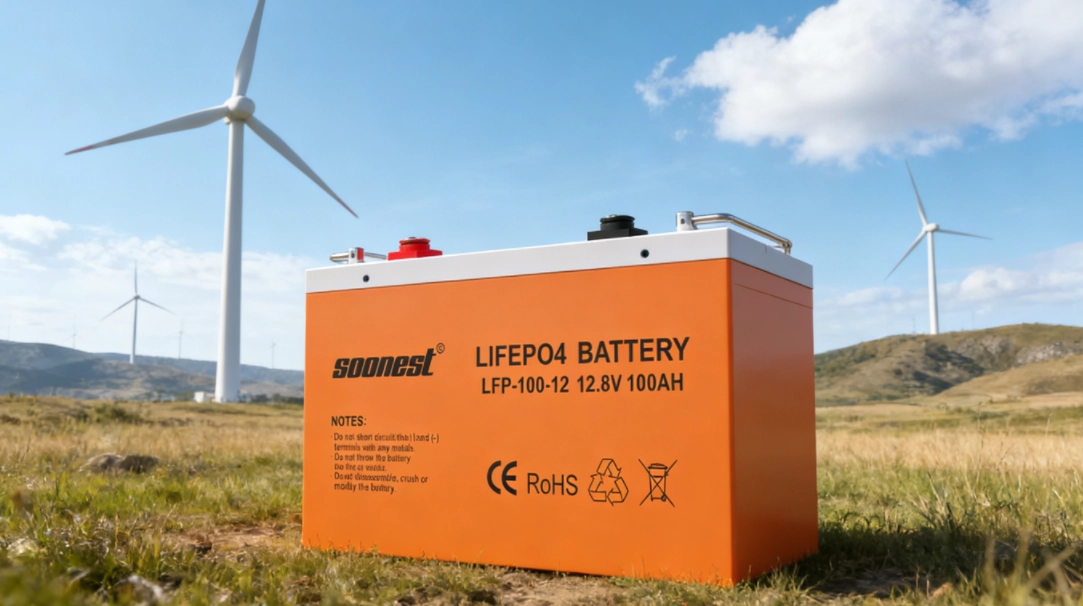
Warum ist Energiespeicherung für Solar- und Windenergiesysteme kritisch?
Erneuerbare Energien entsprechen nicht den Nutzungsmustern. Die Sonnenleistung erreicht ihren höchsten Punkt am Mittag, während der Strombedarf in der Regel abends steigt. Die Winderzeugung ändert sich je Stunde je nach Wetter. Ohne Speicher geht zusätzliche Strom entweder verloren oder geht für kleine Zahlungen zurück ins Netz.
Die Energiespeicherung behebt dieses Problem, indem sie zusätzliche Energie aufnimmt und sie freilässt, wenn der Bedarf wächst. Die Veränderung der Arbeitsweise von Systemen mit oder ohne Speicher fällt vor allem bei getrennten und kombinierten Setups auf.
Es erweist sich als nützlich, das größere Energiespeicherbild zu erfassen, bevor Batteriearten überprüft werden.
Das rasante Wachstum der Batteriespeicher weltweit
Batteriespeicher wachsen weltweit schnell. Laut den Berichten der Internationalen Energieagentur World Energy Outlook and Electricity Market überstieg die weltweite Batteriespeicherkapazität 2023 60 GW, verglichen mit weniger als 10 GW im Jahr 2018. Lithium-Ionen machen aufgrund niedrigerer Kosten und solider Technologie die meisten neuen Setups aus.
Auch die Kosten für Lithium-Ionen-Batterien sind in den letzten zehn Jahren stark gesunken. BloombergNEF-Daten zeigen, dass die durchschnittlichen Lithium-Ionen-Paketpreise von etwa 1.200 USD pro kWh im Jahr 2010 auf etwa 139 USD pro kWh im Jahr 2023 gesunken sind. Dieser Kostenrückgang hat die Zuhause- und Geschäftsspeicherung viel einfacher gemacht.
| Jahr | Durchschnittlicher Lithium-Ionen-Batteriepreis (USD/kWh) | Quelle |
|---|---|---|
| 2010 | ~1,200 | BloombergNEF |
| 2015 | ~350 | BloombergNEF |
| 2020 | ~137 | BloombergNEF |
| 2023 | ~139 | BloombergNEF |
Günstigere Preise und bessere Ergebnisse haben den Speicher von einer speziellen Wahl zu einem regelmäßigen Teil von heute geändert’ Solar- und Windsysteme.
Netzstabilität und Peak Demand Management
Batteriesysteme überwinden Höhen und Tiefen in der erneuerbaren Energieproduktion. In geschäftigen Ausgangszeiten geht zusätzliche Energie in die Speicherung, anstatt geschnitten zu werden. In den Abendstunden oder in schwachen Windzeiten kommt diese eingespart Strom zur Deckung des Bedarfs. Dies hält Spannung und Frequenz gleichmäßig, senkt den Netzdruck und senkt die Stromrechnungen für Geschäftsnutzer.
An Orten mit zeitbasierten Tarifen ermöglicht die Speicherung es Unternehmen, Energie zu günstigen Zeiten zu ziehen und zu verwenden, wenn die Tarife steigen. Im Laufe der Zeit wird das Geld, das gespart wird, zu viel hinzufügen.
Energieunabhängigkeit und Backup-Zuverlässigkeit
Stromausfälle bedeuten große Probleme für Häuser und Fabriken, nicht nur kleine Ärger. Sie stoppen die Produktion, schädigen die Ausrüstung und zerstören die täglichen Routinen. Eingebaute Lithiumbatteriesysteme liefern schnell, in Millisekunden, Backup-Strom, wenn das Netz stoppt.
In Systemen, die nicht im Netz sind, sind Batterien ein Muss, kein Extra. Sie bilden das Zentrum des Setups. Solarpanelen erzeugen tagsüber Energie, aber Batterien laufen nachts oder an bewölkten Tagen mit Lichtern, Kühlschranken und Schlüsselgeräten.
Warum dominieren Lithium-Ionen-Batterien die Speicherung erneuerbarer Energien?
Verschiedene Batterietypen arbeiten für Solar- und Windaufgaben, wie AGM und GEL Blei-Säure. Trotzdem führt Lithium-Ionen, insbesondere Lithium-Eisenphosphat (LiFePO4), in neuen Setups.
Die Kenntnis der technischen Unterschiede hilft Planern und Käufern, klug zu wählen.
Höhere Effizienz und tiefere Entladung
Lithium-Ionen-Batterien erreichen oft eine Hin- und Rückeffizienz von 90 bis 95 Prozent. Alte Blei-Säure-Systeme laufen normalerweise bei 70 bis 85 Prozent. Dieser Unterschied hängt davon ab, wie viel nützliche Energie Sie sofort bekommen.
Wie tief Sie entladen zählt auch. Blei-Säure-Batterien halten sich an etwa 50 Prozent, um Leben zu retten, aber LiFePO4-Batterien verarbeiten 80 bis 100 Prozent sicher.
| Parameter | Lithium-Eisenphosphat (LiFePO4) | AGM Blei-Säure | GEL Blei-Säure |
|---|---|---|---|
| Hin- und Rückfahrt Effizienz | 90–95% | 80–85% | 75–85% |
| Typische Entladungstiefe | 80–100% | ~50% | 50–60% |
| Zyklus Leben | 4.000-6.000 Zyklen | 500–1.000 Zyklen | 700–1.200 Zyklen |
| Wartung | Niedrig | Niedrig | Niedrig |
Industriepapiere und Herstellerspecifikationen zitieren diese Zahlen oft. In einem zehnjährigen Plan, Lithium-Ionen’ Die längere Lebensdauer des Zyklus reduziert, wie oft Sie sie ersetzen.
Längere Lebensdauer und geringere Lebensdauerkosten
Der Ausgangspreis zeigt nicht das ganze Bild. Eine Blei-Säure-Batterie kostet zunächst weniger, muss aber nach einigen Jahren stetiger Nutzung gewechselt werden. Eine LiFePO4-Batterie mit 4.000 oder mehr Zyklen hält bei richtiger Handhabung über zehn Jahre.
Wenn man die gesamte kWh über ihre Lebensdauer berechnet, liefern Lithium-Ionen-Systeme letztendlich einen besseren Wert, vor allem für Solararbeiten mit vielen Zyklen.
Kompaktes Design und flexible Installation
Lithium-Ionen-Batterien wiegen weniger und nehmen weniger Platz in Anspruch als alte Blei-Säure-Batterien. Dies macht es einfacher, sie in Heimgaragen, Versorgungsstellen und Telekommunikationsboxen zu setzen. Modulare Rack-Designs ermöglichen es Ihnen, Kapazität zu erhöhen, wenn der Strombedarf steigt.
Diese einfache Änderung ist sehr wichtig für gemischte Systeme, die später wachsen.
Wie bietet Fastest Power fortgeschrittene Lithiumbatterielösungen für Solar- und Windanwendungen?
Da der Bedarf an solidem Speicher steigt, sind Batteriequalität und Einbau in Systeme der Schlüssel. Soonest Power arbeitet daran, Lithium- und Deep-Cycle-Batterien für erneuerbare Projekte in Zuhause, Unternehmen und Fabriken geeignet zu machen.
Das Unternehmen verfügt über einige Produktlinien, die unterschiedliche Spannungen, Größen und Einrichtungsbedürfnisse erfüllen.
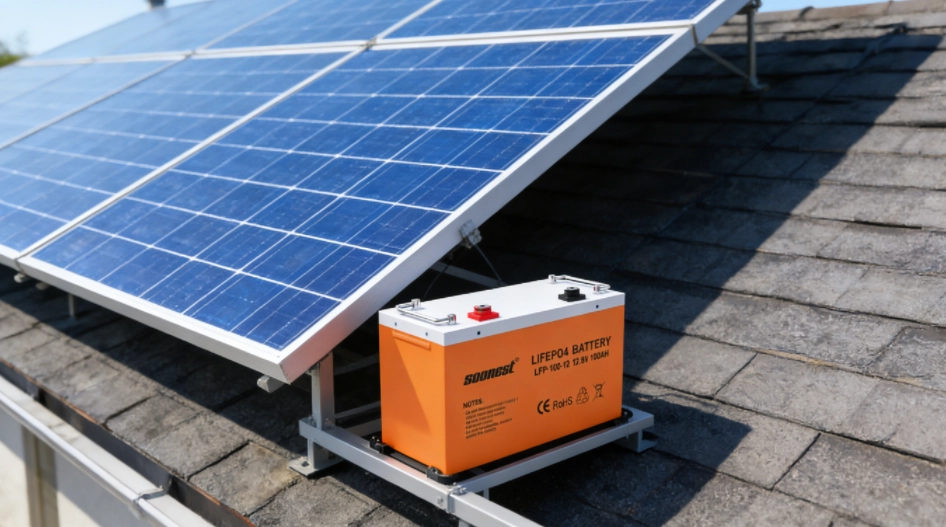
48V und 51,2V LiFePO4 Heim Energiespeichersysteme
Die SOONEST 48V und 51,2V Lithium-Ionen-Batterie-Pack-Serie umfasst 100Ah, 200Ah und 500Ah Optionen, mit Größen von 5kWh bis 30kWh plus 17,5kWh Teile für bestimmte Aufgaben. Diese Packungen eignen sich für Heimsolarsysteme, Hybrid-Wechselrichter und Kleinunternehmen-Speicher.
LiFePO4-Typ bietet Wärmebeständigkeit und lange Zyklusliebzeit. Eingebaute Batteriemanagementsysteme schützen vor zu viel Ladung, zu viel Ablauf, Kurzschlüssen und wilden Temperaturen. Rack- und Wandmontageauswahlen machen das Verbinden einfach.
Hausbesitzer, die mehr Selbstnutzung oder Backup wollen, finden diese 48V-Systeme gut mit aktuellen Hybrid-Wechselrichtern, die auf Dachsolar verwendet werden.
Deep Cycle AGM und GEL Solarbatterien
In einigen Projekten, wie bei Kostenbeobachtungen oder mit wenigen Zyklen, passen AGM- und GEL-Batterien immer noch. Schnellste Macht gibt 12V Deep-Cycle AGM und GEL Solarbatterien von 100Ah bis 250Ah.
Diese Batterien brauchen keine Pflege und arbeiten für ferne Telekommunikationsstellen, winzige Off-Grid-Hütten und Backup mit guten Zyklusbedürfnissen. Sie passen auch gut zu Stromladungsreglern und Wechselrichtern.
Lithium-Ionen übertreffen die Leistung, aber AGM und GEL passen an Stellen, an denen Geld- oder Designgrenzen gelten.
12,8V und 25,6V LiFePO4 Modulare Batterien
Für RV-Systeme, Bootsausrüstungen und kleine Wind-Solar-Mischungen hat Soonest Power 12,8V und 25,6V LiFePO4 Batterien in 100Ah, 150Ah und 200Ah Typen.
Diese kleinen Einheiten ermöglichen eine parallele Verknüpfung, um die Kapazität zu erhöhen. Ihre konstante Spannung und tiefe Entladung passen zu Arbeitsplätzen, bei denen Gewicht und Platz begrenzt sind, aber Vertrauen am wichtigsten ist.
Diese Schritt-für-Schritt-Methode ermöglicht es Planern, Speicher langsam aufzubauen, anstatt mit großen zentralen Batteriegruppen zu beginnen.
Welche Faktoren sollten bei der Auswahl einer Solar- oder Windspeicherbatterie berücksichtigt werden?
Die Wahl der richtigen Batterie geht über die Größe hinaus. Einige reale Faktoren prägen Systemarbeit und Gesamtkosten.
Überprüfen Sie vor der Einrichtung die Spannungsversammlung mit dem Wechselrichter. Heimsysteme laufen meist bei 48V, während kleine häufig 12V oder 24V verwenden.
Berechnen Sie den täglichen Energieverbrauch und die Backup-Zeit auch mit Sorgfalt. Zu groß machen erhöht die Startkosten ohne Grund und zu kleine Schnitte reduzieren die Zuverlässigkeit. Wärmepegel, Luftstrom und Platz für die Installation beeinflussen die Wahl, insbesondere in heißen oder kalten Bereichen.
Die Zusammenarbeit mit einem getesteten Hersteller hilft, die Spezifikationen der Batterie an die tatsächlichen Arbeitsbedingungen anzupassen, nicht nur mathematische Vermutungen.
Schlussfolgerung
Lithium-Ionen-Batterien stehen heute überall im Herzen des Wachstums der Solar- und Windenergie. Ihre starke Effizienz, lange Laufzeit und kleine Größe machen sie zu einer guten Passform für heute’ Erneuerbare Systeme.
Wenn die Preise sinken und die Arbeit besser wird, ist der Speicher nicht mehr ein Extra. Es schließt sich dem Hauptsystembau an. Soonest Power unterstützt diese Veränderung mit einem breiten Sortiment, das 48V LiFePO4 Heimspeichersysteme, modulare 12V- und 24V-Lithiumbatterien sowie Deep-Cycle AGM- und GEL-Antworten umfasst.
Solide Speicherung ermöglicht den Wechsel von sauberer Energie von der gegenwärtigen Herstellung auf einen stetigen täglichen Gebrauch. Diese Veränderung macht erneuerbare Energie wirklich funktionieren.
FAQ (häufig gestellte Fragen)
Q1: Wie lange halten Lithium-Ionen-Solarbatterien in der Regel?
A: LiFePO4 Solarbatterien geben normalerweise 4.000 bis 6.000 Ladezyklen. Zuhause Solar mit einem Zyklus pro Tag, das bedeutet über 10 Jahre Gebrauch unter guten Bedingungen.
Q2: Sind Lithium-Ionen-Batterien sicherer als herkömmliche Blei-Säure-Batterien?
A: Lithium-Eisen-Phosphat-Typ ist für Wärmebeständigkeit und weniger Wahrscheinlichkeit von Wärmeausflügen als andere Lithium-Typen bekannt. Eingebaute Batteriemanagementsysteme bieten mehr Sicherheit vor Überladung und Wärmeansammlung.
Q3: Kann Lithium-Ionen-Batterien in Off-Grid-Wind- und Solar-Hybridsystemen verwendet werden?
A: Ja. Lithium-Ionen-Batterien werden in Hybridsystemen aufgrund ihrer hohen Effizienz, ihrer tiefen Entladungsfähigkeit und ihrer langen Lebensdauer weit verbreitet. Stellen Sie vor der Installation sicher, dass die Spannung passt und der Wechselrichter funktioniert.