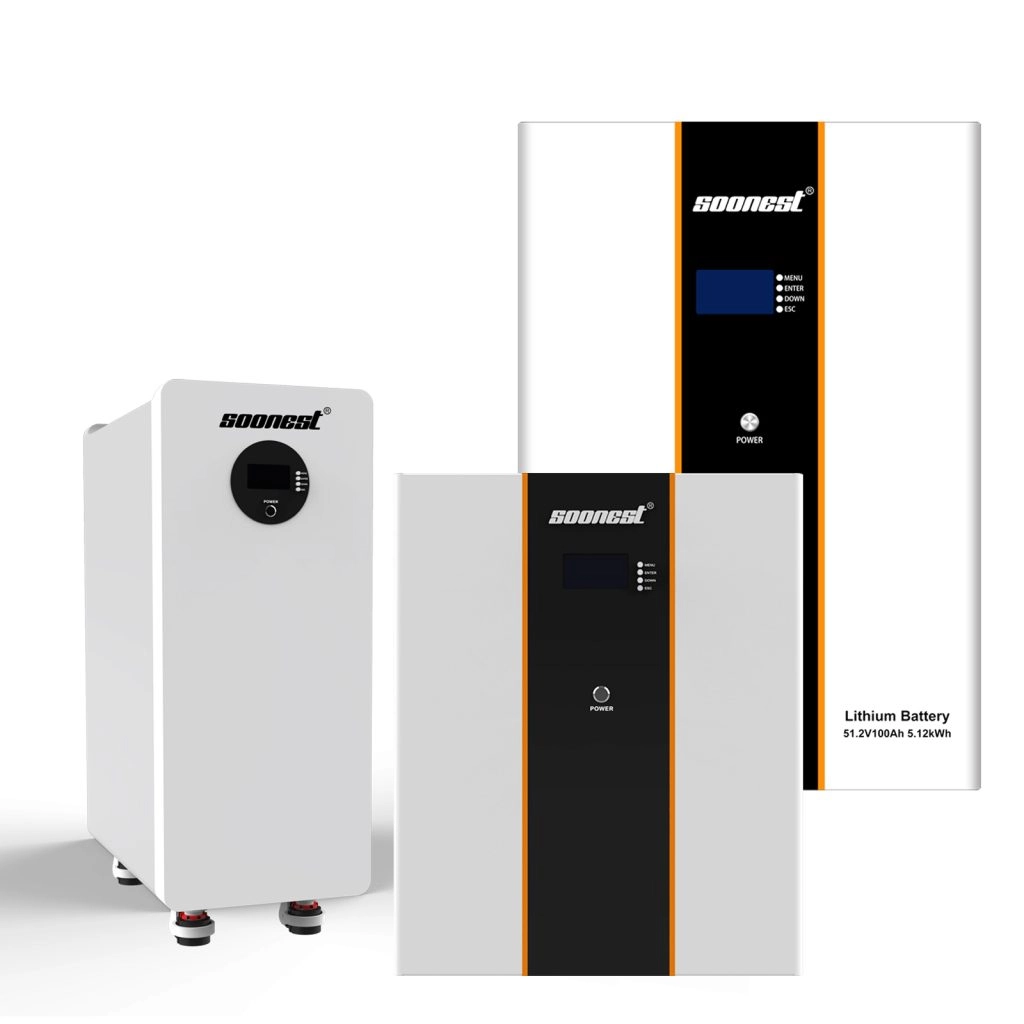
Für Solaranlagen zur Notstromversorgung von Wohnhäusern, SOONEST Dies ermöglicht eine einfachere Dimensionierung von Lithiumspeichern, da man von den Verbrauchern anstatt vom Gehäuse ausgeht. LiFePO4 Heimspeicherbatterie Die Produktlinie deckt 48V- und 51,2V-Systeme mit Kapazitäten von 5 kWh, 10 kWh, 15 kWh, 20 kWh, 25 kWh und 30 kWh ab, sodass Sie die Batterie optimal an das tatsächliche Verhalten Ihres Hauses anpassen können.
Bei der Dimensionierung von Notstromspeichern geht es weniger um Imponiergehabe, sondern vielmehr darum, welche Geräte bei einem Stromausfall weiterhin funktionieren müssen. Die Auswahl an Heimspeichern ist hilfreich, wenn Sie zunächst die Kapazität für Ihre Familie vergleichen möchten. Letztendlich hängt die benötigte Speicherkapazität jedoch von Ihrem individuellen Stromausfallverhalten und den Geräten ab, auf die Sie auf keinen Fall verzichten möchten.
Welche Kapazität entspricht Ihren Backup-Anforderungen?
Die richtige Batteriewahl beginnt mit der Frage: Was muss nach Einbruch der Dunkelheit noch funktionieren? Sobald diese Frage beantwortet ist, wird der benötigte Kapazitätsbereich in der Regel klar.
5 kWh Notstromversorgung
Eine 5-kWh-Batterie ist der ideale Einstieg für Haushalte, die nur die grundlegendsten Geräte benötigen: Licht, Router, Handy-Ladegerät, einen kleinen Kühlschrank und vielleicht ein oder zwei weitere kleine Stromkreise. Sie ist eine Batterie für die wichtigsten Geräte und kein Garant dafür, jedes einzelne Gerät im Haus zu betreiben.
Für Käufer, denen es lediglich darauf ankommt, dass das Haus auch unter schwierigen Bedingungen funktioniert, kann diese Größe gut geeignet sein. Sie hält das Budget überschaubar und erleichtert die Erstinstallation – allerdings nur, wenn der Eigentümer ehrlich angibt, welche Geräte bei einem Stromausfall ausgeschaltet bleiben.
10 kWh Alltagsresilienz
Eine 10-kWh-Batterie bietet mehr Flexibilität. Sie eignet sich besser, wenn im Haushalt ein längeres Zeitfenster am Abend, ein gleichmäßigerer Kühlzyklus oder zusätzliche Komfortgeräte benötigt werden, ohne dass das System zu einer riesigen Anlage werden muss. Für viele Haushalte stellt dies die optimale Balance zwischen nützlicher Notstromversorgung und angemessenen Kosten dar.
Diese Größe fühlt sich im Alltag oft am angenehmsten an. Die Batterie ist groß genug, um einen Stromausfall zu überbrücken, aber nicht so groß, dass der Besitzer für Kapazität bezahlt, die er nie nutzt. Für viele Solaranlagen im Privatbereich ist genau dieses ausgewogene Verhältnis das, was sich der Kunde wünscht.
20 kWh Breitband-Lastpuffer
Eine 20-kWh-Batterie eignet sich für Haushalte, die eine längere Notstromversorgung, eine längere Nachtabdeckung oder eine größere Anzahl angeschlossener Geräte benötigen. Sie ist sinnvoll, aber nur, wenn der Lastplan dies zulässt. Bleiben im Haushalt weiterhin alle energieintensiven Geräte angeschlossen, entlädt sich eine große Batterie schneller als erwartet.
Diese Größe ist sinnvoller, wenn der Stromausfall die ganze Nacht andauert oder wenn im Haushalt mehrere Geräte gleichzeitig genutzt werden. Sie eignet sich auch für Familien, die eine größere Pufferzeit benötigen, bis die Solaranlage wieder Strom liefert. Entscheidend bleibt: Die größere Batterie sollte einem tatsächlichen Bedarf entsprechen, nicht auf Vermutungen beruhen.
Wie sollte die Preisgestaltung für Solaranlagen für Privathaushalte aussehen?
Die Kosten beschränken sich nicht nur auf den Batterieschrank. Sie umfassen auch den passenden Wechselrichter, die Kabel, die Montagearbeiten, die Schutzvorrichtungen und den Zeitaufwand für die korrekte Funktion des Systems.
Niedrige, mittlere und hohe Kostenklassen
Am einfachsten lässt sich die Preisgestaltung anhand der Kapazitätsstufen verstehen. Eine 5-kWh-Batterie bildet das günstigste Einstiegssegment, eine 10-kWh-Batterie liegt üblicherweise im mittleren Bereich, und ein 20-kWh-System gehört zum teuersten Segment, da die Zellenzahl, die Gehäusegröße und der Installationsumfang entsprechend zunehmen.
Diese Stufenlogik ist hilfreich, weil sie das Kaufgespräch praxisnah gestaltet. Der Käufer kann vergleichen, wie viel Backup-Leistung tatsächlich benötigt wird und wie viel Geld er aktuell ausgeben kann. Für die Planung der Batterienutzung ist das in der Regel besser, als sich auf einen hohen Preis zu konzentrieren und darauf zu hoffen, dass er später passt.
Was treibt den Preis in die Höhe?
Der Preis steigt, wenn für das Haus ein kompatibler Wechselrichter, aufwendigere Kabelverlegung, Wandmontage, stärkere Schutzvorrichtungen oder Kommunikationseinstellungen benötigt werden, die nicht sofort einsatzbereit sind. Sollte die Batterie zudem Platz für zukünftige Erweiterungen benötigen, sollte die Erstinstallation diese Möglichkeit vorsehen, anstatt alles in einem einzigen, beengten Schrank unterzubringen.
Ein ordentlicher Verteilerkasten kostet oft etwas mehr als ein unsauberer, da Kabelführung, Sicherungen, Montage und Belüftung mehr Sorgfalt erfordern. Das ist keine Verschwendung. Es ist der Unterschied zwischen einem System, das sich professionell anfühlt, und einem, das provisorisch zusammengewürfelt wirkt.
| Batteriegröße | Optimale Nutzung | Kostenband | Hauptrisiko |
| 5 kWh | Nur das Nötigste | Niedrigster Einstieg | Der Akku ist zu schnell leer, wenn zu viele Verbraucher gleichzeitig geladen werden. |
| 10 kWh | Ausgewogene Heim-Backup-Lösung | Mittleres Band | Kann auch ohne Laststeuerung schnell entleert werden. |
| 20 kWh | Längere Ausfallabdeckung | Höchste Stufe | Es ist teurer und kann schlechte Planung verschleiern. |
Was senkt die Kosten pro Backup-Stunde?
Die günstigste Batterie ist nicht immer die günstigste Notstromversorgung. Wenn Sie unnötige Verbraucher abschalten, die richtigen Stromkreise an die Batterie anschließen und sie bei nächster Sonneneinstrahlung aufladen, kann sich ein kleineres Gerät als sinnvoller erweisen als ein größeres. Das ist meist der Unterschied zwischen einem klugen Kauf und einem schweren, ungenutzten Gerät.
Anders ausgedrückt: Die Kosten werden niedriger, wenn das Haus nicht mehr den gesamten Strombedarf über die Batterie decken muss. Solaranlagen für Privathaushalte funktionieren am besten, wenn Hausbesitzer akzeptieren, dass ein Teil des Stromverbrauchs auf die normale Stromversorgung und nicht auf die Notstromversorgung angewiesen ist. Diese Entscheidung spart oft mehr als ein zusätzlicher Verteilerkasten.
Welche Vor- und Nachteile sind vor dem Kauf wichtig?
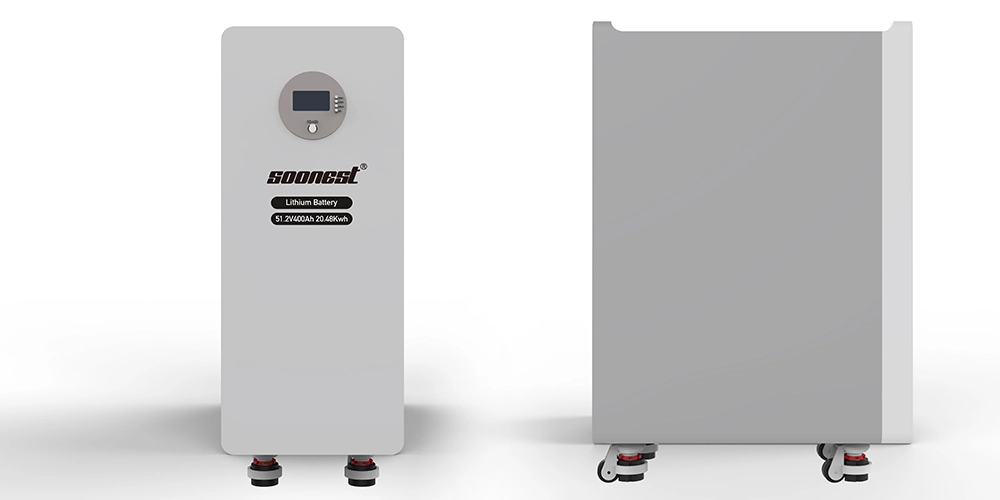
Eine Batterie sollte auch dann zuverlässig funktionieren, wenn das Stromnetz instabil ist und das Wetter ungünstige Bedingungen mit sich bringt. Das bedeutet, dass Chemie, Schutz und Kommunikation gleichermaßen wichtig sind.
LiFePO4-Chemie und BMS
Die Speicherlinie verwendet LiFePO4 Die Batterie verfügt über eine spezielle Chemie und ein integriertes Batteriemanagementsystem (BMS) zum Schutz vor Überladung, Tiefentladung, Kurzschluss und Überhitzung. Diese Schutzmechanismen ersetzen zwar keine fachgerechte Installation, bieten der Heimbatterie aber eine deutlich bessere Grundlage als eine lose Ansammlung unüberwachter Zellen.
Wechselrichter-Kommunikation
Die Batterie unterstützt CAN-, RS485- und RS232-Kommunikationsoptionen für kompatible Wechselrichter. Dies ist wichtig, da eine Batterie, die einwandfrei mit dem Wechselrichter kommuniziert, sich unter Last in der Regel besser verhält, sich vorhersehbarer lädt und leichter zu diagnostizieren ist, wenn der Besitzer nach einem längeren Stromausfall die Ursache ermitteln möchte.
Dadurch werden zukünftige Änderungen ebenfalls vereinfacht. Sollte später ein weiterer Verteilerkasten oder ein anderer Wechselrichter installiert werden, bietet die Kommunikationsschicht dem Installateur einen besseren Ausgangspunkt. Dies ist im Alltag von Vorteil, da die Lastliste nach dem ersten Kauf selten geändert wird.
Wenn mehr Kapazität nicht besser ist
Eine größere Batterie kann dennoch die falsche Anschaffung sein, wenn im Haushalt keine Lastverteilung vorhanden ist. Viele Häuser fahren mit einer mittelgroßen Batterie und einem übersichtlichen Verteilerkasten für kritische Verbraucher besser als mit einer riesigen Batterie an jeder Steckdose. Die beste Wahl ist die, die zu Ihrer Ausfallzeit, Ihrem Budget und Ihren täglichen Gewohnheiten passt.
Deshalb sollte ein Heimspeicher immer als Teil eines Gesamtsystems betrachtet werden. Die Kapazität ist wichtig, aber auch die zugehörige Elektronik, das Ladefenster und der tägliche Stromverbrauch der Familie spielen eine Rolle. Wenn all diese Faktoren zusammenpassen, wirkt der Speicher sinnvoll und nicht überdimensioniert.
Schlussfolgerung
Für Solaranlagen zur Notstromversorgung von Privathaushalten sind 5 kWh optimal für den Grundbedarf, 10 kWh bieten einen guten Mittelweg für die tägliche Versorgungssicherheit, und 20 kWh sind sinnvoll, wenn längere Ausfallzeiten abgedeckt oder mehr Geräte versorgt werden müssen. LiFePO4 Heimspeicherbatterie ist eine gute Wahl, da es gängige Haushaltsspannungen, mehrere Kapazitätsstufen und Batteriemanagementfunktionen abdeckt, die dazu beitragen, dass das System geordnet bleibt.
Wenn Sie sich noch nicht entschieden haben, schauen Sie sich ein paar an. Service-Support-Hinweise und senden Sie dann die Ladeliste durch Kontakt KanalEine kurze Größenprüfung jetzt spart in der Regel später Geld.
FAQ (häufig gestellte Fragen)
Reicht eine 5-kWh-Solaranlage für die Notstromversorgung eines Hauses aus?
Ja, wenn Sie nur die nötigsten Geräte für kurze Stromausfälle benötigen. Für einen hohen Komfortbedarf oder längere Stromausfälle über Nacht ist es nicht ausreichend, es sei denn, der Haushalt verbraucht sehr wenig Strom.
Bedeutet eine 20-kWh-Batterie eine Notstromversorgung für das gesamte Haus?
Nicht von allein. Die Nennleistung des Wechselrichters, die Lastverteilung, die Motoranläufe und die Verkabelung bestimmen weiterhin, was die Batterie tatsächlich liefern kann.
Welche Fragen sollten Sie vor der Bestellung eines Heimspeichers stellen?
Erfragen Sie die nutzbare Kapazität, die Batteriechemie, die BMS-Funktionen, die Wechselrichterkompatibilität, die Kommunikationsmethode, die Erweiterungsmöglichkeiten und den Servicezugang.