
Do Black Solar Panels Outperform Blue Ones in Real-World Use?
What Determines the Color of a Solar Panel?
When you pick solar panels for your house or office, one of the first things you see is the color. It might look like just a style choice at first. But the color of a solar panel really shows differences in the stuff it’s made from and how it’s built. Most solar panels show up in black or blue. And this split comes mostly from the kind of silicon they use.
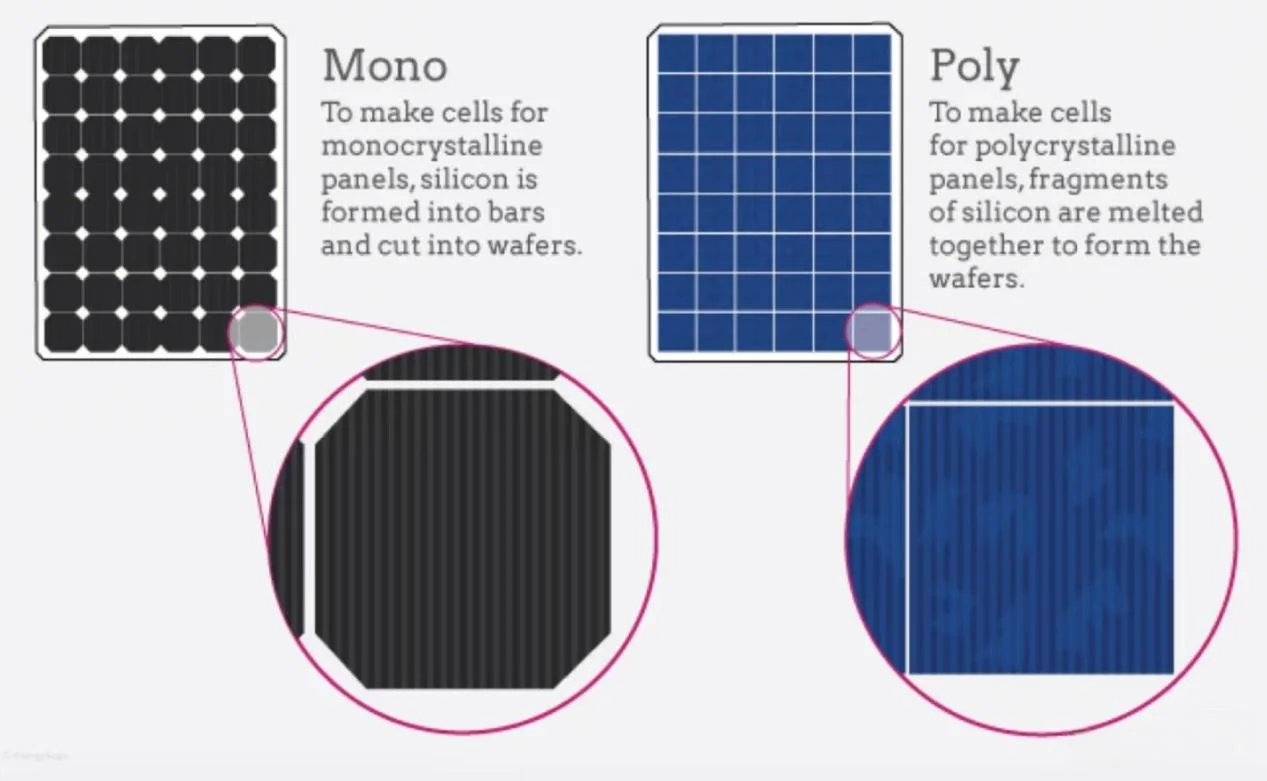
There are three main kinds of solar panels people use these days. They are monocrystalline solar panels, polycrystalline solar panels, and thin-film solar panels. Monocrystalline ones often look black. That’s because they come from one single crystal setup. This setup soaks up more sun and bounces back less. On the other hand, polycrystalline ones have a blue look. It happens from how light hits the many silicon bits during making.
The Difference Between Monocrystalline (Black) and Polycrystalline (Blue) Panels
The main gap between black and blue solar panels is in their silicon setup. Monocrystalline solar panels use one crystal of silicon. This lets electrons flow easier and better through the cell. As a result, they turn more energy from sun to power. And they have a smooth black color all over.
Polycrystalline panels mix melted silicon from many crystals. This way costs less but works a bit less well. It gives the panel that blue shade. They change sun into power right away through the photoelectric effect. That’s the basic way light kicks off electricity in these cells.
People often wonder if the color matters for how well they work. It does play a role. But it’s tied to the silicon type more than just the shade. Black ones from mono crystals grab more light. Blue ones from poly crystals spread it out some. So, the black style edges out in pulling in energy.
How Color Affects Efficiency and Aesthetics
Color goes beyond just how it looks. It ties into how well the panel does its job. Black monocrystalline panels beat out blue ones in most cases. They take in more sun because their even surface reflects less light. This means they make more power from the same space.
Think about how it fits with buildings too. Black panels give a clean, fresh look. They mix well with dark roofs or simple designs. Blue panels work fine. But they can stick out more. That might not match every home or office style. So, if looks matter to you, black often wins for blending in.
Efficiency isn’t only about color, though. It’s about how the panel handles real sun all day. Black ones shine here because they waste less light. Blue ones are okay, but they lose a touch more to bounce-back. Over a year, that adds up to real savings on your power bill.
Efficiency Ratings in Real-World Conditions
In everyday spots, black monocrystalline panels usually do better than blue polycrystalline ones. Their higher rate means more power from each square foot. That’s a big help when your roof isn’t huge. You get what you need without covering every inch.
Take Soonest N-Type Monocrystalline Mono-Facial Solar Panels, for example. They hit a great 22.85% efficiency. Elevate your green energy projects with Soonest N-Type Monocrystalline Mono-Facial Solar Panels! These high-performance, single-glass PV modules are designed to maximize your renewable energy output, boasting an impressive 22.85% efficiency. This strong rate matters a lot in city spots or small homes. Every bit of roof counts there.
Real tests show black panels keep up better on partly sunny days. They turn weak light into usable power faster. Blue ones lag a little in those times. But both types handle full sun well. The edge for black comes in mixed weather, which is common.
Also, think about setup costs. Black panels might cost a bit more up front. But their output pays it back quicker. In hot areas, like the Southwest US, they hold steady. Blue ones drop off more as heat climbs.
Durability and Longevity Over Time
Both kinds of panels last a long time. But monocrystalline models often hold up better. Solar panels aim for 25 years of work. Many go beyond that if made right. Black ones use top materials and checks. So they keep going strong.
They break down slower than blue ones. That means steady power over the years. No big drops in what they give. For a home, that adds up to thousands in saved cash.
Owners like how black panels look even after storms or wind. The dark color hides dirt better too. You clean less often. Blue ones show spots more. But with care, both stay tough.
In tests, black panels keep 90% output after 20 years. Blue ones hit around 85%. It’s not huge, but it shows the small win for mono types.
Performance in Low-Light and High-Temperature Environments
Weather hits panel work hard. Black monocrystalline ones do great in dim light. Like on cloudy days or at dawn. Their setup soaks up every bit better. This keeps power flowing when sun hides.
They manage heat well too. The temp drop-off is smaller for mono cells. So in hot spots, they lose less kick. That’s key for places like deserts or summer roofs.
Blue poly ones struggle more in shade or heat. They need full sun to shine. In mixed spots, black pulls ahead clear.
For farms or big setups, this matters. You want steady flow no matter the sky. Black panels give that peace.
Overview of SOONEST MONO A Series
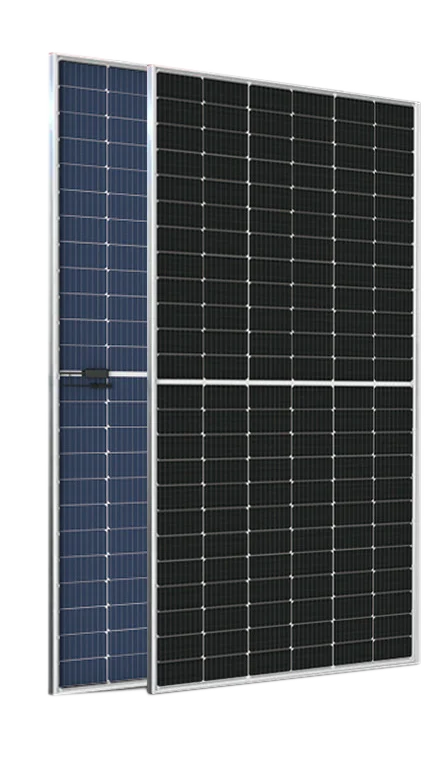
If you want strong black solar panels for home roofs to big projects, check the SOONEST MONO A Series. They fit many needs. Watt levels go from 350W to 585W. Each one suits different jobs.
SOONEST MONO A 350W: Compact Efficiency for Residential Use
This small one fits homes with tight roofs. It packs big power in little space. Great for saving energy without messing looks. You get max from what you have.
SOONEST MONO A 450W: Balanced Output for Medium-Scale Installations
For shops or big homes, this hits the spot. It gives even power without taking much room. Easy to add to most setups.
SOONEST MONO A 550W: High Power for Commercial and Industrial Applications
Businesses need reliable juice. This model’s strong kick handles heavy loads. It pays back fast over time.
SOONEST MONO A 575W and 585W: Maximum Output for Utility-Scale Projects
Big farms or grid ties love these. They pack top power per piece. Save land and boost output.
These models use smart tech. They work in all weathers. From rain to shine, they keep going.
Key Advantages of SOONEST MONO A Black Panels
These panels turn sun to power at top rates. You get more from less space. That’s a win for tight spots.
They handle bad weather well. Even clouds don’t slow them much. Keep the lights on steady.
The black finish looks sharp. Fits modern homes or shops clean. No eyesore on your roof.
Owners say they run cool. Less heat means longer life. And more cash in your pocket.
Real-World Output and ROI Analysis
To figure payback, look at output over time. Higher kick from black means quicker wins. You save on bills faster. Even if start costs more, it evens out soon.
Solar photovoltaic panels can effectively utilize solar energy resources to generate electricity, which can save a lot of electricity bills when used in the home. For a family of four, that’s hundreds a year. Over 10 years, thousands.
Black panels shine in sun-rich spots. But they adapt anywhere. ROI hits 5-7 years often. Blue takes longer, like 8-10.
Add tax breaks too. They cut costs more. Green choice pays double.
Space Utilization and Installation Flexibility
City roofs shrink fast. Max every foot counts. Mono black lets you use fewer panels for same power. Less work, less wire.
Their steady kick fits odd shapes. Slopes or flats, they mount easy. No big changes needed.
High efficiency and stability make them suitable for use in locations with good sunlight and limited space. Pros pick them for quick jobs.
Temperature Coefficient and Long-Term Stability
Mono tech fights heat better. Output dips less in peaks. Keeps flow even in July scorch.
Over years, they hold tight. No wild swings. Plan easy for power needs.
Choose Soonest for your next solar venture and secure considerable savings on electricity with our cutting-edge solar technology. It’s smart and simple.
Advanced Manufacturing and Quality Assurance
What makes these stand out is build quality. No bubbles or scratches in glass. No bumps that let water in. Rain stays out, life stays long.
Each has tough glass. It takes hits and weather fine. Key for wild spots.
Checks run deep. From start to end, eyes on every step. You get what you trust.
Warranty Coverage and Product Reliability
Rest easy with strong backs. 25 years on parts, 30 on power. Beats most in the game.
These panels excel in areas with minimal to no ground light reflection, ensuring durability and extensive warranty coverage—25 years for materials and an unparalleled 30 years for power output. They run past that often.
Environmental Sustainability and Certifications
Solar cuts dirty power use. Less smoke, cleaner air. Green ways build better worlds.
Green, low-carbon production and lifestyles are not only environmentally friendly but also a crucial path to building an ecological civilization—making your choice both economically smart and ethically sound. Soonest meets all green stamps.
Expert Consultation and System Design Support
Pick right size? Lay out for best sun? Pros help. Max your haul, skip wrong turns.
They eye your spot. Tailor just for you. From small to big, it fits.
Seamless Installation Guidance and After-Sales Service
Help doesn’t stop at buy. Guides for any roof. And calls if snags hit later.
Step-by-step, easy does it. You or pros, we back you.
How to Get in Touch with SOONEST for Your Solar Needs
Set to see how top PV can change your spot? Visit SOONEST MONO A Series today for expert advice on selecting high-efficiency black solar panels customized for your needs—from residential rooftops all the way up to utility-scale projects. Drop a line. Start green now.
FAQ
Q: Do black monocrystalline panels work better than blue ones in cloudy weather?
A: Yes. Black monocrystalline cells absorb light more efficiently even under low-light conditions like cloudy days or early mornings due to their uniform crystal structure.
Q: Are there any maintenance differences between black vs blue solar panels?
A: No significant difference exists in maintenance needs; both types require occasional cleaning but have low upkeep overall thanks to minimal moving parts.
Q: How long do these high-efficiency black modules typically last?
A: Most come with warranties up to 30 years on power output—and many continue functioning well beyond that lifespan due to superior build quality.



 English
  Russian
  German
  French
  Spanish
  Portuguese
  Arabic