
La energía solar ha pasado de ser un método especializado a una opción de energía común para casas y empresas. Muchos propietarios de tierras en estos días piensan en instalar un sistema solar de 10 kW, ya que supone una mezcla razonable de costos de instalación y creación de energía. Una configuración como esta puede ejecutar una casa familiar grande o de vuelta necesidades empresariales modestas, en función del área’ disponibilidad del sol.
Sin embargo, una pregunta frecuente persiste: ¿cuánta energía realmente produce un sistema solar de 10 kW cada mes? La respuesta depende de algunos aspectos técnicos y meteorológicos. Cuando las personas comprenden el método de calculación y la parte que juegan las piezas principales como los inversores híbridos, pueden medir el rendimiento energético real y seleccionar el engranaje adecuado para obtener resultados continuos.
¿Cómo genera un sistema solar de 10 kW electricidad?
Una instalación solar puede parecer básica en el techo, pero su funcionamiento cubre varias etapas de cambio de energía. Comprender cómo se mueve la energía a través de la configuración ayuda a aclarar cómo calcular el rendimiento de energía mensual.
Principios de conversión de energía solar
Los paneles solares generan energía mediante el proceso fotovoltaico. Los rayos solares golpean las células en un panel, y los fotones liberan electrones, lo que forma electricidad de corriente continua (CC).
Las casas y las empresas dependen de corriente alterna (CA), por lo que esta alimentación de CC necesita cambiar antes de su uso práctico. Ese interruptor tiene lugar dentro de un inversor solar, y conecta los paneles a la configuración de energía.
Componentes clave de un sistema solar de 10 kW
Un sistema solar habitual de 10 kW contiene módulos solares, un marco de montaje, un inversor y, con frecuencia, una unidad de almacenamiento de batería. Cada pieza tiene una mano en el rendimiento de potencia final.
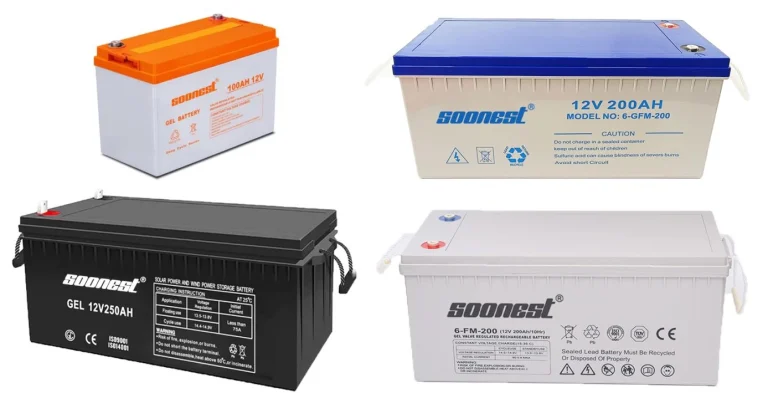
Los paneles solares establecen el nivel máximo posible de creación, mientras que el inversor da forma a lo bien que esa energía se convierte en energía viable. Los sistemas híbridos actuales también contienen baterías, por lo que la energía adicional puede ahorrar en momentos en que el sol es escaso.
El papel de los inversores solares híbridos en la conversión de energía
La gente a menudo llama al inversor “ corazón” del sistema solar. Los inversores híbridos manejan el cambio de energía entre los paneles solares, las baterías y la red, y esto los hace bastante prácticos para colocaciones domésticas y de pequeñas empresas.
Artículos como el Pronto Los inversores híbridos de la serie MY (1kW-10.2kW) convierten la energía de corriente continua en energía de corriente alterna de onda sinusoidal limpia, además respaldan la carga solar y el manejo inteligente de la batería. Basado en las especificaciones del producto, el sistema toma un amplio rango de entrada fotovoltaica de 30-400VDC y carga solar MPPT a 80A, lo que se adapta para usos de energía individual o de repuesto.
¿Qué factores afectan a la potencia mensual de un sistema solar de 10 kW?
While a solar system carries a set rated level, its true creation shifts with weather and tech settings. Such elements make sense of why same setups make varying power amounts in varied spots.
Irradiación solar y ubicación geográfica
Las cantidades de sol son el elemento clave que da forma al rendimiento solar. Los puntos más cercanos al ecuador a menudo reciben más rayos solares durante el año, pero los puntos del norte se enfrentan a mayores oscilaciones anuales.
La siguiente lista muestra los niveles promedio anuales de irradiación solar en una gama de puntos por datos solares mundiales del Atlas Solar Global del Banco Mundial.
| Región | Radiación solar promedio (kWh/m²/día) | Producción mensual estimada para el sistema de 10kW (kWh) |
| Europa del Sur | 4.5 – 5.0 | 1,350 – 1,500 |
| Estados Unidos (California) | 5.5 – 6.0 | 1,650 – 1,800 |
| Oriente Medio | 6.0 – 6.5 | 1,800 – 1,950 |
| Europa del Norte | 2.5 – 3.0 | 750 – 900 |
These figures reveal that spot by itself can alter monthly creation by over 1,000 kWh. Such a gap clarifies why setup plan and gear pick need to fit area weather patterns.
Eficiencia del panel y diseño del sistema
Solar panels differ in output based on the tech in play. Monocrystalline panels, which now lead home setups, often hit 20–24% efficiency, and polycrystalline panels tend to work near 15–18%.
Better output panels make extra power in tight spots, a vital matter for roof setups. Facing direction, slope level, and shade likewise shape how much sun panels grab each day.
Eficiencia del inversor y pérdidas de conversión de energía
Despite solid sun and strong-output panels, some energy vanishes in the shift and send process. Inverters, wire drag, and heat impacts all add to these drops.
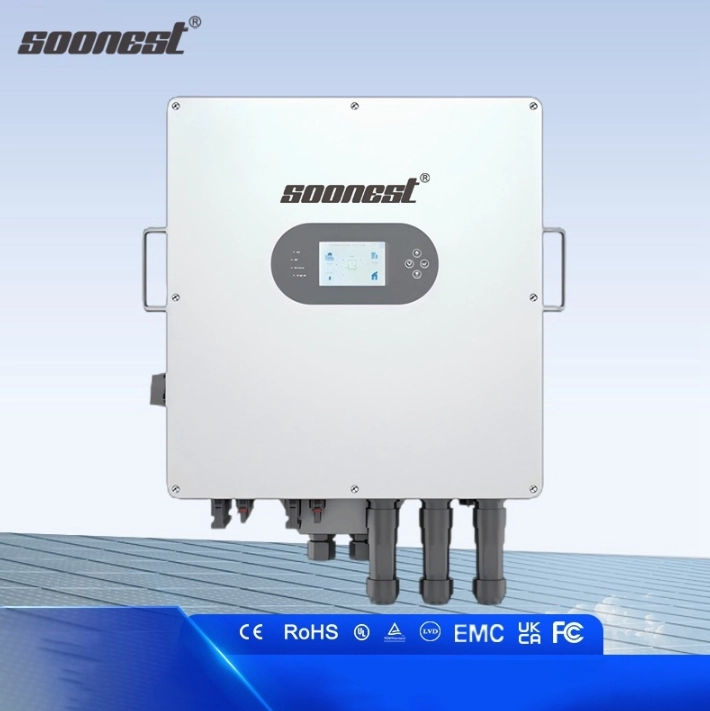
The SOONEST FY Series Hybrid Inverter (1kW–10.2kW) shows how fresh gear cuts shift drops. This piece has 99.8% MPPT tracking efficiency and around 94% top shift efficiency, so more sun power gets to the load or battery storage setup.
How Can You Calculate the Monthly Energy Production of a 10kW Solar System?
After folks know the big shaping aspects, gauging monthly solar yield turns simple. The solar field uses a number of usual equations for fast figuring.
Standard Solar Output Calculation Formula
The core equation for setup plan goes like this:
Monthly Output (kWh) = System Size (kW) × Average Sun Hours × Days × System Efficiency
Take a 10kW system set in a spot with 5 peak sun hours per day and a full output rate of 75% ; it would make:
10 × 5 × 30 × 0.75 = 1,125 kWh per month
This value acts as a basic gauge, but it gives a solid base when outlining setup scale or weighing placements.
Example Monthly Power Output Calculation
The next list shows gauged creation under varied sun settings.
| Average Sun Hours | Estimated Monthly Output (kWh) | Annual Output (kWh) |
| 3 hours/day | ~675 kWh | ~8,100 kWh |
| 4 hours/day | ~900 kWh | ~10,800 kWh |
| 5 hours/day | ~1,125 kWh | ~13,500 kWh |
| 6 hours/day | ~1,350 kWh | ~16,200 kWh |
These gauges match details from groups like the U.S. National Renewable Energy Laboratory (NREL), which notes a regular 10kW home system makes 10,000–16,000 kWh per year based on spot.
Real-World System Loss Adjustments
True setups bring in more drops from dirt, heat shifts, wire drag, and inverter changes. These drops often cut setup work by 10–25% against ideal yield.
Developed hybrid inverters aid in lessening these drops with MPPT follow and smart battery charge. Paired with solid solar modules, such tech holds creation near hoped levels.
Which Hybrid Inverters Are Best for a 10kW Solar System?
Picking the proper inverter ranks among the top moves in setup plan. Hybrid kinds gain ground because they blend solar shift, battery charge, and grid link in one tool.
SOONEST MY Series Hybrid Inverter System Integration
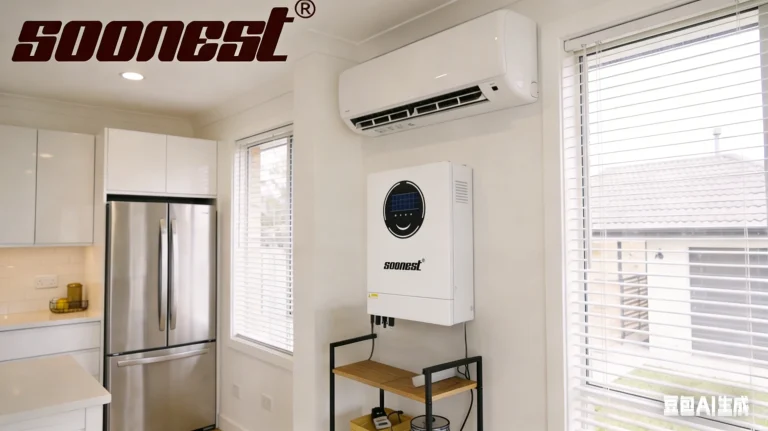
El SOONEST MY Series Inverter híbrido fits for solo and spare solar setups. It turns DC power into clean sine wave AC power, and it gives bendy charge options via an LCD screen.
This inverter backs settable battery charge current, AC/solar first choices, and fit with generators or grid power. These traits let the setup run steadily in far spots, home placements, or small business builds.
SOONEST FY Series Hybrid Inverter High-Efficiency Performance
For grid-tied setups, the SOONEST FY Series Hybrid Inverter offers better follow output and stepped-up guard traits. The piece covers overload guard, lightning surge guard, and deep drain shields for battery setups.
The inverter further backs WiFi or GPRS watch, so setup runners can view work from afar. This role works well for spread roof works or business power setups.
SOONEST IP65 Hybrid Solar Inverter Flexible Installation
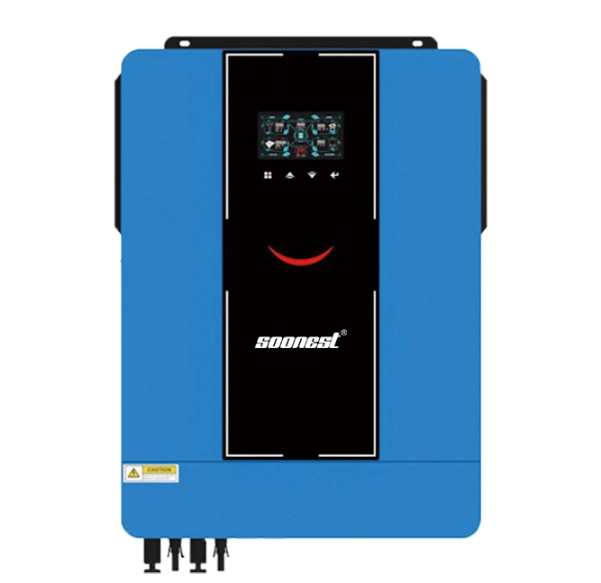
One more useful pick is the SOONEST IP65 Hybrid Solar Inverter Module, open in power bands from 3.6kW to 10kW. Its IP65 grade lets setup in outside spots where dust or wet could harm other gear.
The hybrid build backs on-grid and off-grid run, and this makes it a flexible fix for home systems, farm uses, or small microgrid works.
How Can You Optimize the Power Output of Your 10kW Solar System?
A smartly planned solar setup can give firm work for over twenty years. Yet, right setup handling and place habits still hold a large role in keeping long energy creation.
Smart Energy Management and Monitoring
Watch software lets users follow daily creation and spot work issues soon. Lots of fresh hybrid inverters give far watch through phone apps or web sites, which eases setup handling.
With live data, setup owners can fast spot shade troubles, gear flaws, or odd energy use ways.
Battery Storage and Self-Consumption Optimization
Battery holds aid solar setups in using daytime-made energy better. Rather than sending extra power back to the grid, hybrid systems save it for night use or crisis hold.
This way boosts self-use rates and cuts need on grid power, above all in spots with steep power costs.
Proper Installation and System Maintenance
Right place angles, low shade, and regular clean all add to greater energy creation. Solar panels often need scant upkeep, but steady checks aid in holding work over the setup’s life.
Most photovoltaic modules carry a hoped life of 25 years or more, so solar power counts as one of the toughest green tech options out there now.
Preguntas frecuentes
Q1: How much electricity does a 10kW solar system produce per month?
A: A typical 10kW system produces between 900 and 1,500 kWh per month, depending on local sunlight conditions, panel efficiency, and system losses.
Q2: Is a hybrid inverter necessary for a 10kW solar system?
A: A hybrid inverter is not mandatory, but it offers advantages such as battery storage support, flexible energy management, and backup power capability. These features make hybrid systems popular for residential and small commercial installations.
Q3: How many solar panels are required for a 10kW system?
A: The number of panels depends on their wattage. For example, using 400W solar panels, a 10kW system usually requires around 25 panels. Higher-efficiency panels can reduce the total number required.



 Spanish
  English
  Russian
  German
  French
  Portuguese
  Arabic