
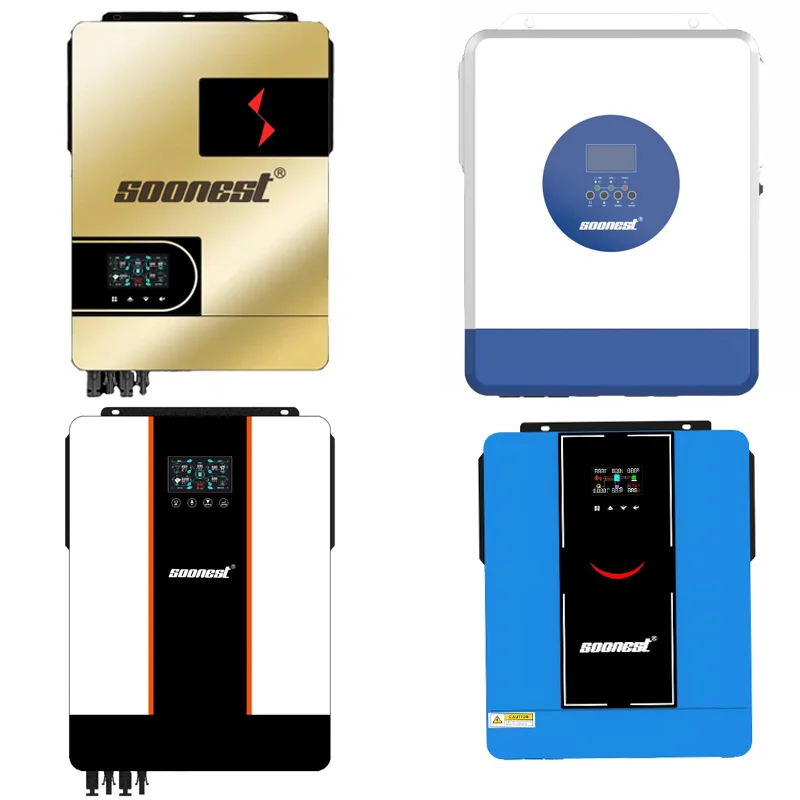
Por qué el tamaño del inversor es importante para su sistema solar
Muchas personas instalan paneles solares. Esperan bajas facturas de energía. Pero entonces, esas facturas permanecen altas. ¿Por qué? El inversor no coincide bien. No puede manejar la carga. O pierde energía en tiempos de ocupación. El inversor cambia la alimentación de CC de los paneles a la alimentación de CA para su hogar. Un tamaño equivocado causa problemas. Esto conduce a sobrecargas. O fracasos tempranos. Incluso puede perder la energía de la luz solar.
El tamaño adecuado arregla eso. Ayuda a que tu sistema funcione bien. Ahorra energía. La configuración dura más tiempo. Para tus objetivos solares, el inversor adecuado trae calma. Alimenta pequeños apartamentos o grandes casas familiares. Si quieres opciones sólidas, echa un vistazo a Soonest. Esta empresa es líder en inversores híbridos. Los expertos lo construyeron. Trabajaron en trabajos fuera de la red en lugares calientes y soleados. El engranaje mezcla nueva tecnología con fácil configuración. Sus productos sobresalen en producción y crecimiento. Los propietarios como usted obtienen resultados sencillos. No hay molestias adicionales.
Piense en los inversores que se conectan rápidamente para obtener más potencia. O aquellos que se encogen para los inicios básicos. Utilizan poca energía cuando están ociosos. Rastrea los ahorros en una aplicación. Mostra datos en tiempo real. Esto es más que gear. Ayuda a su libertad energética. Una garantía de 10 años muestra confianza. Las unidades baratas a menudo se rompen en calor o uso duro. Pero estas opciones convierten los riesgos en ganancias fáciles. Vamos a cubrir los pasos para encontrar su tamaño. Terminarás listo para elegir lo que se ajusta a tu vida diaria.
Evaluar tus necesidades energéticas
Empiezas con esta parte. Su uso de energía establece la base. Tome un cuaderno. O abra una hoja simple. Lista todos los dispositivos domésticos. La nevera funciona todo el día. El aire acondicionado comienza en días cálidos. Encuentra cada vatio. Mira la etiqueta. O busque en línea rápidamente. Nota las horas de uso cada día. Multiplique los vatios por horas. Esto da vatios-horas por artículo. Agrégalos para el total de kWh diarias. La mayoría de los hogares utilizan 10-20 kWh. Pero si trabajas en casa o cargas un vehículo eléctrico, va a 30 kWh o más.
Los promedios no son suficientes. Los tiempos picos llegan cuando los elementos se ejecutan a la vez. Como cocinar con luces, horno y TV. Añadir un 20-30% extra a ese pico. Detene los viajes de interruptor de las sobretensiones. Mira tus hábitos también. ¿Tienes noches de juegos con frecuencia? Plan para esas explosiones. Mira hacia adelante también. Puedes añadir luces inteligentes o una piscina más tarde. Este mapa ofrece una visión clara. Dirige tus próximos movimientos. Su inversor coincidirá con patrones reales. No hay problemas.
Evalúe su capacidad solar
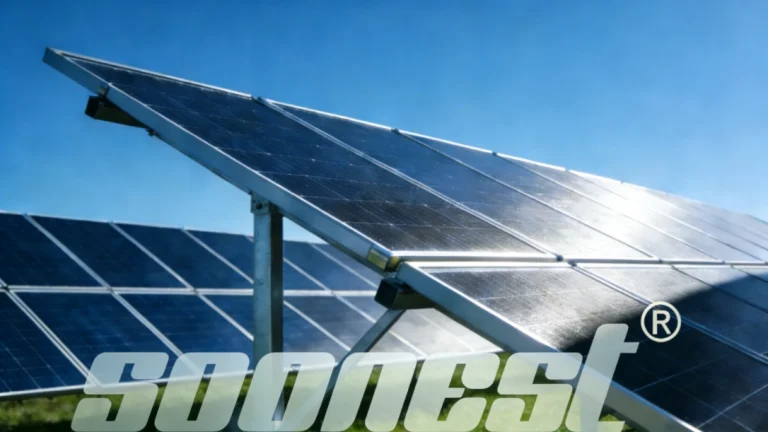
Mantén tu plan energético ahora. Gira a la salida del panel. La matriz’ s kW total limita lo que hace el inversor. Combine el inversor con esto de cerca. Dimensionalo en el 80-120% de la calificación de la matriz. Esto atrapa toda la producción. No “ recorte” residuos solares extra.
Su lugar’ El sol importa. Las zonas soleadas dan 4-6 horas pico al día. Las nubladas caen a 3-4. Herramientas gratuitas como la ayuda de PVWatts. Introduzca su dirección. Consigue números exactos. La sombra de los árboles o techos corta un 10-20%. Camine por la zona. Spot bloques. Volver al sur para obtener la mejor inclinación. Coincide con tu latitud.
Esto vincula a sus necesidades. Una matriz de 5 kW con picos de 7 kW significa baterías o ayuda a la red. El inversor actúa como un eslabón fuerte. Convierte el sol en energía doméstica. Se ajusta a tus matemáticas de carga.
Comprender los tipos y capacidades de los inversores
Ya sabes el uso y la salida. Vea cómo encajan los inversores. Los tipos híbridos ofrecen opciones. Se conectan a la red para las ventas. Agregan baterías para la energía de tormenta. También trabajan fuera de la red. Los tipos de cuerdas se ajustan a techos planos. Los micro impulsan cada panel. Bueno para manchas de sombra. Los híbridos se adaptan a la mayoría de los hogares. Lo hacen todo en uno.
El tamaño utiliza una matemática básica. Tome la carga máxima kW. veces 1.25 para espacio extra. Dividir por eficiencia. A menudo 95-98%. Un pico de 4 kW requiere una unidad de 5-6 kW. Ordenar por tamaño de casa. Los pequeños menores de 10 kWh diariamente consumen 3-5 kW. Las familias crecen a 6-8 kW. Las grandes casas quieren 10 kW o más.
Tipo de ajuste a la derecha. Un híbrido fuerte falla si la matriz es pequeña. Este paso se une a sus cheques. Muestra caminos que crecen con objetivos. Ofrece trabajo superior, sin desperdicio.
Explora los inversores híbridos – adaptados a cada configuración
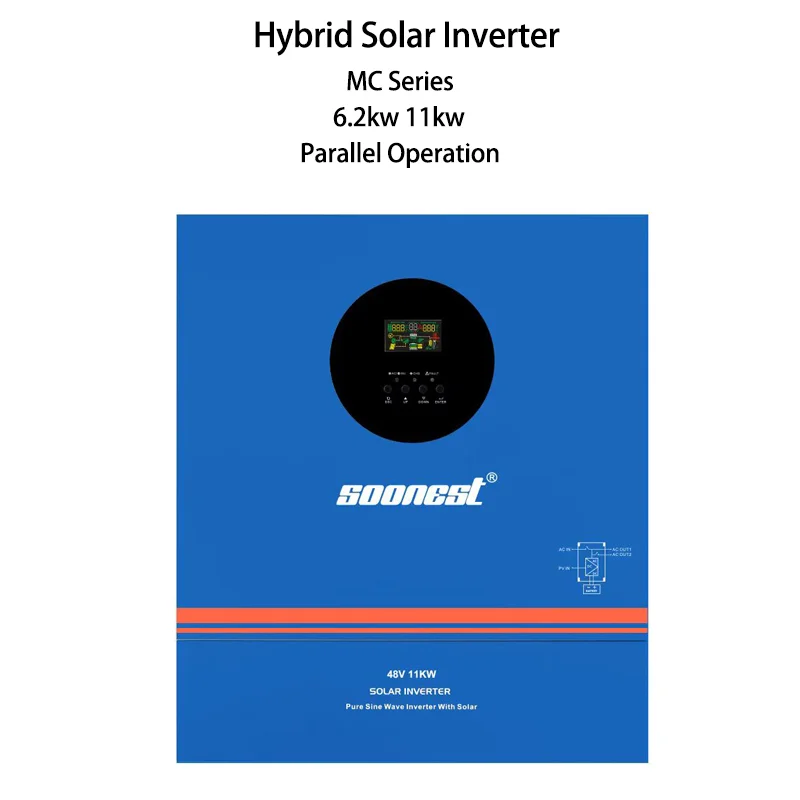
Comprobaste las cargas y las matrices de tamaño. Has aprendido lo básico. Ahora mira los híbridos que lo atan. Estos brillan mezclando enlaces de red con soportes de batería. Almacene extra por la noche o mal tiempo. Para escalas domésticas que cambian, el inversor híbrido de la serie MY (1kW-10.2kW monofase) funciona muy bien. Sus niveles te permiten empezar bajo. Un 3 kW para las necesidades del apartamento. Crezca a medida que los paneles se unen. Todo en líneas de fase única en casa.
La producción alcanza el 98%. Menos pérdidas en el cambio. Las piezas MPPT agarran el máximo de los cambios solares. Montajes de tamaño pequeño en paredes fáciles. Se adapta a puntos apretados. El bajo uso en ocio reduce los costos. La aplicación te permite ver desde el teléfono. Ajuste para cargar las baterías en tiempos de red de bajo precio.
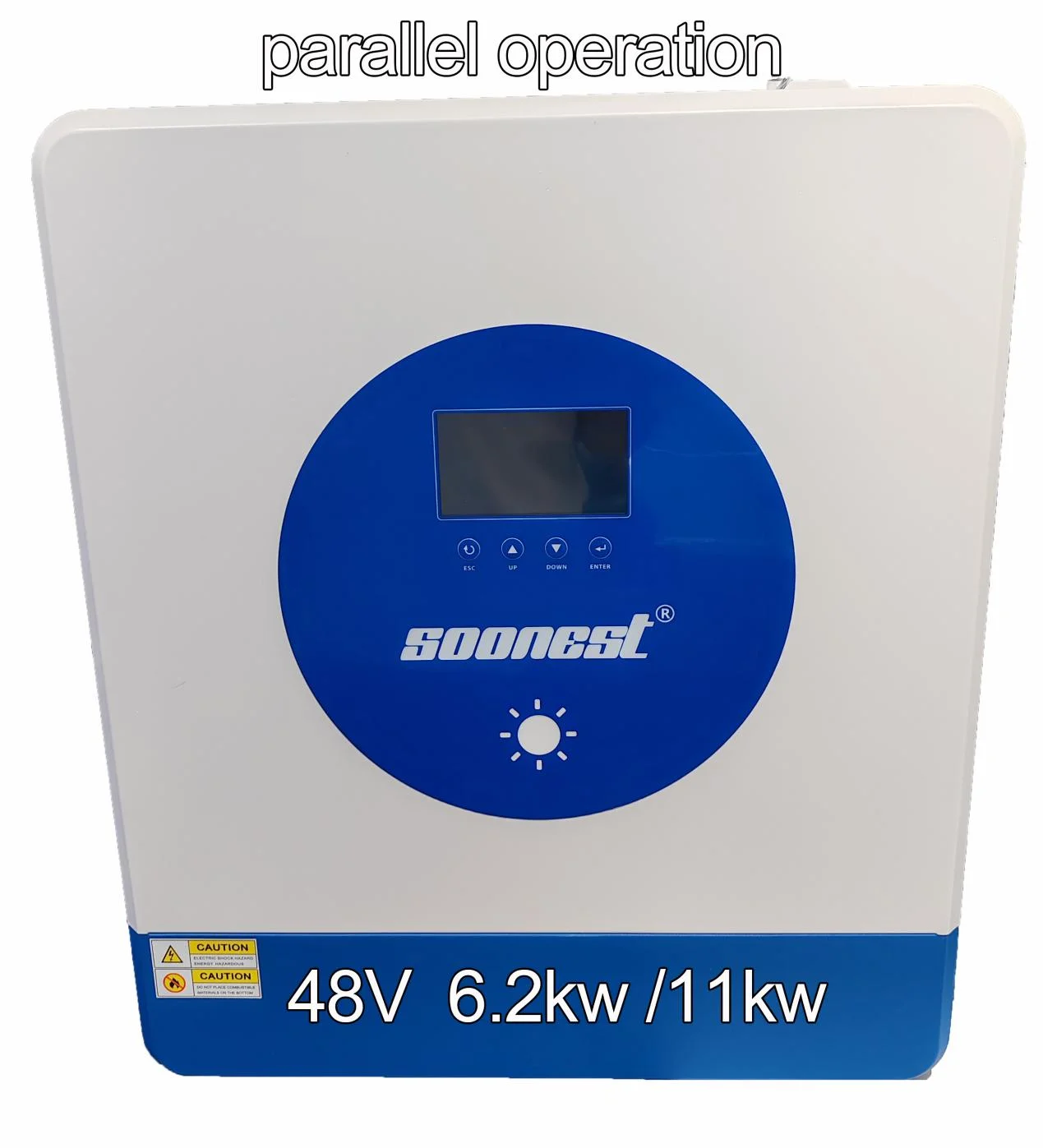
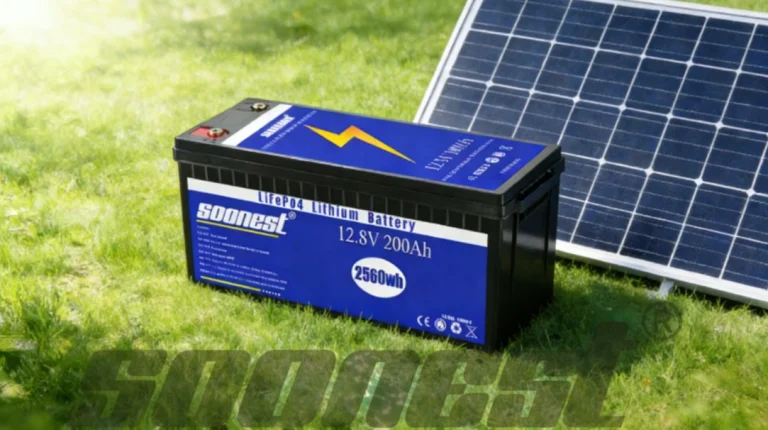
Para tiras más grandes, como hogares de 15 kWh con enchufes para vehículos eléctricos, elija el inversor híbrido de la serie MC (operación paralela de una sola fase de 6,2 kW a 11 kW). Conecta hasta seis. Crece hasta 66 kW para casa completa o tienda pequeña. La coincidencia de la batería es suave. Toma tipos de litio o plomo. Los guardias de sobrecarga detienen los viajes en ráfagas. IP65 supera el polvo y la humedad. Bueno para lugares exteriores. 10 años atrás muestra una construcción fuerte. Probado en lugares difíciles.
Los básicos tardan más en pagar. Esto lo redujo en un 20%. Los caminos inteligentes venden alto sol a la red. O ahorrar para tiempos oscuros. Arreglan tus principales miedos. ¿Puede crecer? - Sí. - Sí. Enchufe y agrega. ¿Durará días reales? Por supuesto. Con guardias y cheques sencillos. Elija por necesidad. MY para inicios rápidos. MC para caminos fuertes. Ver los residuos desaparecer.
Consejos de tamaño final y trampas comunes
Tira de todas las partes ahora. Prueba calculadoras gratuitas como EnergySage. Corren los números rápidamente. Agrega cargas, tamaño de matriz y punto. Obtén consejos personalizados. Hable con profesionales locales para obtener cheques. Encontran puntos impares de alambre o golpes de regla.
Detecta los malos movimientos. Demasiado pequeño trae sobrecargas a menudo. Usa paneles rápidamente. Demasiados costos más por adelantado. Sin ganancias adicionales. Salta los tipos equivocados. Como la rejilla solo para los sueños fuera. Comprueba las marcas siempre. UL 1741 para seguridad. Partido temprano. El inversor se ajusta a los voltajes del panel y los tipos de batería.
Estos consejos terminan tus pasos. Convertir hechos en pasos. Saltas decisiones tristes. Construye lo que crece contigo.
Conclusión: Enciende con confianza
El tamaño del inversor derecho abre la energía limpia’ Es perfectamente bueno. Seguro suministro. Costos más bajos. Menos daño a la Tierra. Comprobaste las necesidades. Arrays de tamaño. Tipos de sierras. He visto híbridos en forma. Crecen fácilmente. Adelante con claridad.
¿Estás listo para vincular esto a tu lugar? Llame a nuestros profesionales para obtener tamaños y precios. Llevan del plan a correr. Le damos toda la ayuda. Guías de configuración. Compruebe las visitas. Llamadas de arreglo todo el día. Mantiene que vaya sin problemas. Enviar nota al sitio web oficial. O toca el punto de contacto ahora. Su mejor configuración está cerca. Encendemos.
Preguntas frecuentes
P: ¿Cómo sé si un inversor de 5 kW se adapta a mi panel solar de 4 kW?
R: Compruebe primero sus cargas máximas: si alcanzan 4 kW o menos con un tampón del 20%, encaja bien. El ligero tamaño excesivo maneja picos de sol sin recorte, aumentando el rendimiento general en un 10-15%.
P: ¿Puedo agregar más paneles más tarde sin cambiar el inversor?
R: Sí, con híbridos con capacidad paralela como la serie MC. Amplian la potencia hasta 66 kW, por lo que crece sin dolor a medida que evolucionan las necesidades.
P: ¿Qué pasa si mi área tiene interrupciones frecuentes? ¿Cambia el tamaño?
R: Priorizar híbridos con una fuerte integración de batería. Tamaño para cargas diarias completas más reserva del 50%; Esto asegura que las copias de seguridad cubran lo esencial cuando la rejilla se sumerge.



 Spanish
  English
  Russian
  German
  French
  Portuguese
  Arabic