
Why Solar Battery Storage Matters to You
Solar energy storage is now a key part for anyone eager to tap into renewable power for homes or businesses. You have options: high-voltage solar batteries or low-voltage ones. Each type serves unique needs in lithium solar battery systems. Both shine with specific perks for saving energy and working with your setup. LiFePO4 lithium solar batteries stand tall for their safety and long-lasting power, topping the charts in both groups. This guide dives into their differences, perks, and best uses, spotlighting top-tier LiFePO4 lithium solar batteries to fit your solar battery storage goals.
Picture a steady power flow that keeps your lights on during blackouts or heavy use without constant battery swaps. That’s where top-notch solutions step in. Soonest Power leads the pack, crafting LiFePO4 lithium solar batteries that mix smart tech with real-world dependability. Their products tackle tough issues like harsh weather or big power demands, ensuring your solar battery storage works when it matters most. With designs that grow with you and tools to track performance, these batteries make life easier. Check out their range at Soonest Power’s lithium battery collection to see what fits your plans. Soonest Power builds batteries that last, backed by years of know-how. They work for small cabins or busy commercial sites, cutting costs over time while boosting output. Experts rave about their heat resistance and long cycle life, outshining others. As you weigh choices, Soonest Power offers a friendly approach: batteries that match your life, not rigid systems.
How High-Voltage and Low-Voltage Batteries Differ
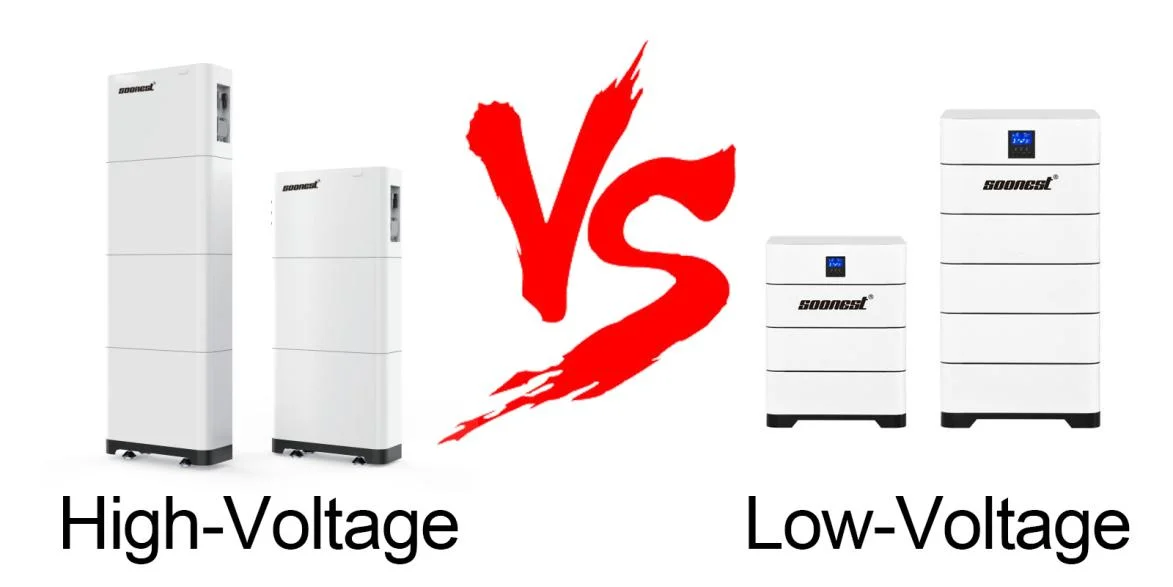
You begin by seeing what sets high-voltage solar batteries apart from low-voltage ones in solar battery storage. High-voltage models run at 48V or higher, like 51.2V. Low-voltage ones stick to 12V or 24V. This difference shapes efficiency and setup. High-voltage solar batteries thrive in systems needing fast power over long distances. They cut energy waste. Low-voltage solar batteries fit simpler, close-range setups where ease beats scale.
Think about your daily power needs. High-voltage solar batteries handle big loads with fewer cables. This saves space and keeps things cool. They work great with advanced inverters in large solar setups. Meanwhile, low-voltage solar batteries are simple to set up. They match basic controllers, avoiding complex wiring.
Both use LiFePO4 for safety, but voltage choice depends on your system’s needs. High-voltage reduces resistance in big homes or businesses. Low-voltage keeps things small for RVs or sheds. This sets up the next sections, helping you choose what powers your life smoothly.
Perks of High-Voltage Solar Batteries for Big Systems
High-voltage solar batteries boost large solar battery storage with smooth power flow. At 51.2V, they send energy with little loss, perfect for whole-home backups or business grids. You get top efficiency, up to 98%. Thinner cables carry high currents without getting hot.
These batteries grow with you. Add units to hit 17.5kWh or more. This supports bigger solar panels without redoing your setup. Smart systems watch cells in real time. They prevent issues and stretch life to over 6000 cycles.
Safety stays first. LiFePO4 avoids heat problems, even under heavy use. You dodge risks tied to older battery types, focusing on steady power during outages.
For off-grid homes, high-voltage solar batteries keep appliances like fridges or air conditioners running. Pair them with hybrid inverters for grid flexibility. Store extra daytime power for night. Over time, costs drop. Fewer replacements mean better savings on your solar setup.
Now, look at models like the 51.2V 17.5kWh LiFePO4 unit. It’s built tough with an IP65 rating for outdoor use and app-based tracking. You check battery status from your phone. This tackles worries about managing remote solar battery storage, keeping you in control.
Benefits of Low-Voltage Solar Batteries for Small Setups
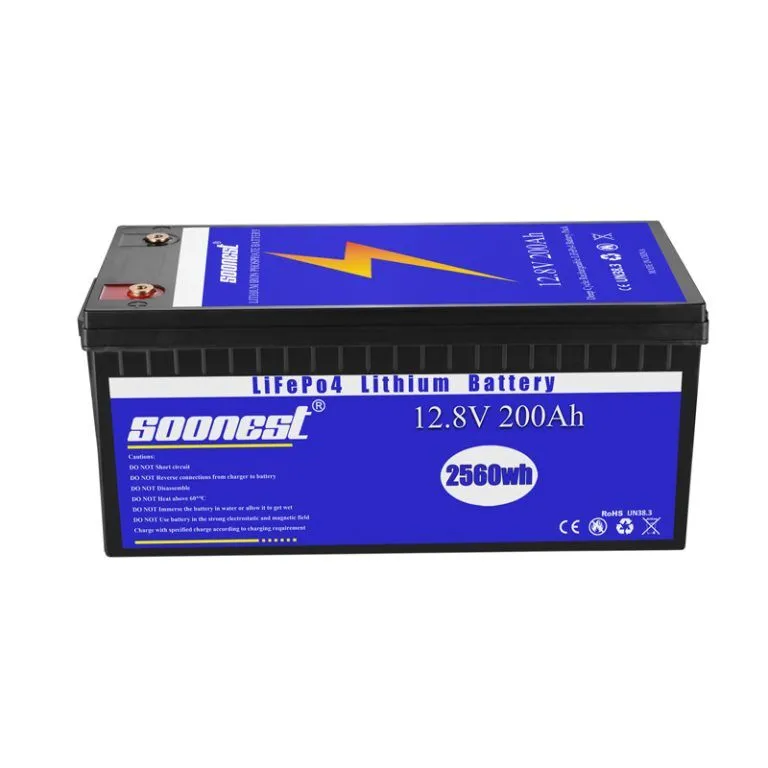
Low-voltage solar batteries make solar battery storage easy, especially in tight spaces. Running at 12V or 24V, they work smoothly with basic gear. This makes upgrades simple for you.
They’re light—under 30kg for 100Ah models. This helps when moving them to boats or campers. Capacities from 50Ah to 250Ah cover small needs, like lights or gadgets, without extra bulk.
Efficiency hits 90-95%, good enough for short distances where voltage loss isn’t a big deal. Fast charging at 1C rates gets you powered up quick after cloudy days.
They last through 4000+ cycles. No memory effect means partial charges don’t hurt. You keep strong performance for years, unlike lead-acid batteries that fade fast.
These batteries suit mobile life. Use them in RVs for steady power or boats for rust-proof builds. They discharge up to 80%, giving you more from each cycle.
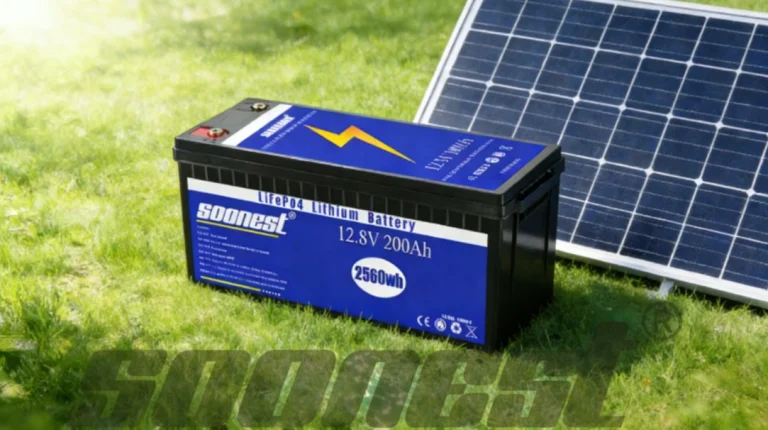
Check out the Deep Cycle Solar LiFePO4 Battery in 12V/24V ranges. Its light build and steady output replace heavy options, saving space in hybrid inverters or off-grid cabins. This solves setup concerns, offering quiet, efficient storage for your on-the-go needs.
High-Voltage vs. Low-Voltage: A Clear Comparison
You pick between high-voltage solar batteries and low-voltage ones based on your needs. High-voltage shines in big systems. Low-voltage fits portable setups. The table below shows key differences to guide your choice in solar battery storage.
| Aspect | High-Voltage Solar Batteries (e.g., 51.2V) | Low-Voltage Solar Batteries (e.g., 12V/24V) |
|---|---|---|
| Efficiency | Up to 98%, less waste in long runs | 90-95%, works for short distances |
| Scalability | Stack for 17.5kWh+ | Modular, but maxes at 250Ah per unit |
| Installation | Needs expert setup for inverters | Easy for DIY with standard gear |
| Cycle Life | Over 6000 at 80% DoD | Over 4000 at 80% DoD |
| Best For | Homes, businesses with big loads | RVs, boats, small off-grid |
| Cost | More upfront, saves long-term | Cheaper to start, quick payback |
LiFePO4 lithium solar batteries work well in both. High-voltage cuts wiring costs in big setups. Low-voltage makes starting easy. Match your inverter—48V+ for power-hungry homes, 12V for simple needs.
Next, consider your usage. Need over 10kWh daily? Go high-voltage. Under 5kWh? Low-voltage is enough.
Why LiFePO4 Lithium Solar Batteries Excel in Both Types
LiFePO4 lithium solar batteries lift solar battery storage to new heights, no matter the voltage. Their design avoids fire risks. They work well in hot or cold weather. You get steady power without drops.
They last over a decade, with 6000 cycles. This cuts down on replacements. They pack 30% more energy in less space than others, freeing room for more solar panels.
Charging is quick, hitting 1C rates. This halves wait times compared to slower batteries. Flexible designs let you add units as your needs grow. Your investment stays solid.
They’re eco-friendly, with no toxic materials and recyclable parts. This fits green goals. Smart tech balances power, preventing early wear.
In high-voltage solar batteries, you get strong 51.2V packs for smooth grid use. Low-voltage offers compact 100Ah units for travel. Both give 80% discharge safely, boosting usable power.
Worried about downtime? Apps send alerts on issues. Warranties cover faults. These batteries fix common problems like low efficiency or bulk, giving you control.
Picking the Best Solar Battery for Your Needs
You choose high-voltage solar batteries for big demands, low-voltage for small ones. Look at your usage. High loads need 48V+ to cut losses. Portable setups favor 12V/24V for lightness.
Budget matters too. Low-voltage costs less to start. High-voltage saves more over time with scale. Check your inverter. Mismatches waste power.
Think ahead. High-voltage grows with you. Low-voltage fits fixed setups. LiFePO4 lithium solar batteries cover all, with options like 17.5kWh packs or 200Ah portables.
Talk to experts for a custom fit. This ensures your solar battery storage matches your daily life perfectly.
Final Thoughts: Power Your Future with Confidence
High-voltage solar batteries grow with big plans. Low-voltage ones keep things simple. LiFePO4 lithium solar batteries bridge both, offering safe, long-lasting solar battery storage.
You deserve a system that fits your life—reliable, efficient, and flexible. Explore these options to capture the sun’s power fully.
Need help with setup or tweaks? Reach the service team. Visit www.soonestpower.com for talks that fuel your energy freedom.
FAQ
Q: How do I pick between high-voltage and low-voltage solar batteries for my home?
A: Check your energy use. High-voltage fits loads over 10kWh daily with better efficiency. Low-voltage works for smaller setups under 5kWh, focusing on simplicity.
Q: Why are LiFePO4 lithium solar batteries safer than others?
A: They resist fire and heat issues, staying stable in tough conditions. Smart systems protect against overloads.
Q: Can I add more solar battery storage later?
A: Yes, flexible designs let you stack units, from 100Ah to 17.5kWh, without big changes.



 English
  Russian
  German
  French
  Spanish
  Portuguese
  Arabic