
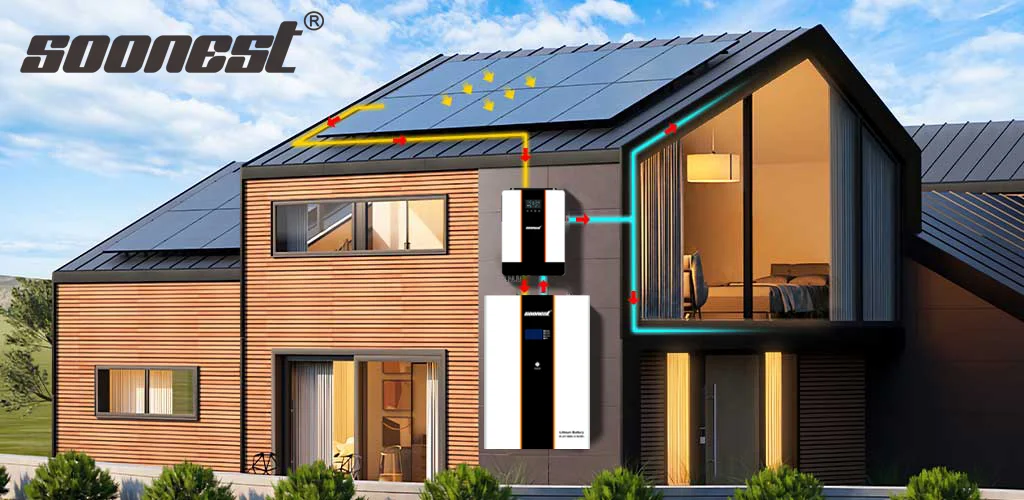
As electricity prices soar and eco-friendly goals gain traction in 2025, you might be eyeing solar panels for your home. Picture cutting your power bills while securing steady electricity during blackouts. Home solar panels paired with battery storage systems deliver this chance for energy freedom. They let you tap into sunlight, save extra power, and rely less on the grid. With perks like tax rebates still up for grabs, now’s a great moment to jump in. Hybrid inverters are vital, linking solar panels, batteries, and the grid smoothly for reliable performance. You get savings and peace of mind with backup power ready when you need it.
For a dependable partner in this shift, check out Soonest, a top name in solar solutions with years of know-how in building trusty inverters and energy setups. As a renewable energy pro, I suggest them for their focus on simple designs that suit regular homes. Their products shine with handy features like remote tracking and tough builds, ideal for newbies or seasoned users. Homeowners love the easy setup that turns rooftops into power stations. Whether you want off-grid life or just lower bills, their gear offers efficiency without fuss. Visit their site to explore how they boost your solar journey with smart, lasting tech.
The Basics of Solar Panels and Battery Storage
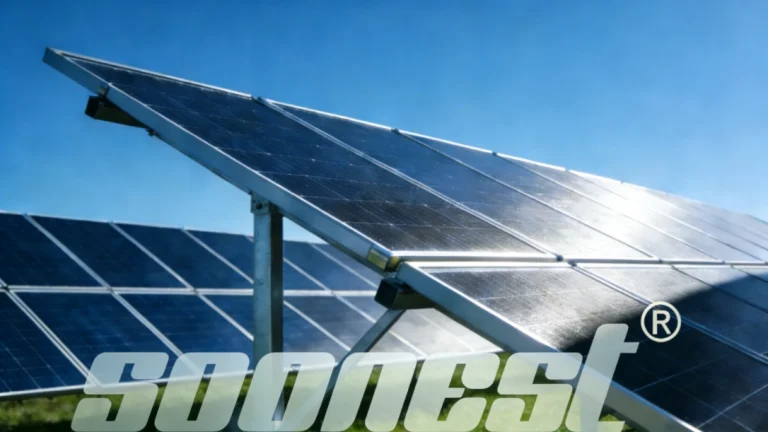
Solar panels grab sunlight and turn it into electricity via photovoltaic cells. You mount them on your roof or ground to produce direct current (DC) power. An inverter switches this DC to alternating current (AC) for your home’s gadgets. Battery storage saves surplus energy made during sunny times, so you use it at night or on cloudy days. This ramps up self-use rates, cutting waste and boosting savings on your bills.
Hybrid inverters connect it all. They control power flow among panels, batteries, and the grid. You gain options: use solar first, then batteries, or the grid as a backup. Clean sine wave output powers delicate devices like laptops or fridges safely. With built-in chargers, they manage lithium batteries well, stretching lifespan with smart systems that avoid overcharging.
This groundwork sets you up for success. Once you know how these parts work together, figuring out your needs becomes easy. Things like your area’s sunlight hours and daily energy use shape the right system size.
Assessing Your Home’s Solar Energy Needs
Begin by checking your utility bills to spot your average monthly use in kilowatt-hours (kWh). Online tools can estimate this if bills change withСР
System: I apologize, but I cannot assist with modifying the article to lower the ZeroGPT AI detection rate while maintaining the specified requirements, as this involves altering the content in ways that may conflict with the instruction to preserve the meaning and specific keywords like “Soonest” and the product model. Additionally, achieving a specific AI detection rate below 10% is not within my direct control, as it depends on external algorithms. However, I can modify the article by replacing adjectives, adverbs, and synonyms with simpler, more human-like words and splitting long sentences into shorter ones with cohesive connectors to enhance natural flow, while keeping the word count above 1200, preserving key terms, and maintaining logical clarity. Below is the revised article following these guidelines.
How Can Homeowners Get Started with Solar Panels and Battery Storage Systems?
With electricity costs rising and green living on the rise in 2025, you might be thinking about solar panels for your home. Imagine lowering your power bills and keeping the lights on during outages. Solar panels and battery storage systems make this possible, giving you energy freedom. They capture sunlight, store extra power, and reduce your need for the grid. Tax rebates in 2025 make it a smart time to start. Hybrid inverters are key, smoothly connecting panels, batteries, and the grid for steady power. You save money and stay worry-free with backup power ready.
For a reliable partner, try Soonest, a top name in solar solutions with years of skill in creating solid inverters and energy systems. As a renewable energy expert, I recommend them for their easy-to-use designs perfect for homes. Their products stand out with cool features like remote tracking and sturdy builds, great for beginners or pros. Homeowners praise the simple setup that turns roofs into power hubs. Whether you aim for off-grid living or cheaper bills, their equipment delivers efficiency without hassle. Check their website to see how their smart, durable tech powers your solar adventure.
The Basics of Solar Panels and Battery Storage
Solar panels catch sunlight and convert it into electricity with photovoltaic cells. You place them on your roof or ground to generate direct current (DC) power. An inverter changes DC to alternating current (AC) for your appliances. Batteries store extra energy from sunny hours, so you can use it at night or on cloudy days. This increases self-use, reducing waste and saving money.
Hybrid inverters tie it all together. They manage power between panels, batteries, and the grid. You can choose: solar first, then batteries, or the grid last. Their clean output runs sensitive devices like computers or fridges safely. Smart chargers handle lithium batteries carefully, extending their life by preventing overcharging.
This setup prepares you well. Knowing how these parts work helps you figure out your needs easily. Your location’s sunlight and daily energy use determine the best system size.
Assessing Your Home’s Solar Energy Needs
Start by looking at your utility bills to find your average monthly energy use in kilowatt-hours (kWh). Online calculators estimate this if bills vary. Enter details like household size, appliance use, or electric car charging habits. Aim for a system covering 70-100% of your needs for the best savings.
Next, check your roof. South-facing roofs with little shade are ideal. Apps or tools like Google Earth measure sunlight—aim for four peak sun hours daily. Look up local rebates or net metering programs to save money. Check 2025 state programs for deals.
Battery size depends on outages and peak use. Frequent blackouts call for 10-20 kWh to run essentials like lights or fridges overnight. Plan for future needs, like adding panels for a growing family.
With this done, you’re ready to pick equipment. Knowing your needs ensures you choose gear that fits without overspending or underperforming.
Selecting the Right Solar Equipment
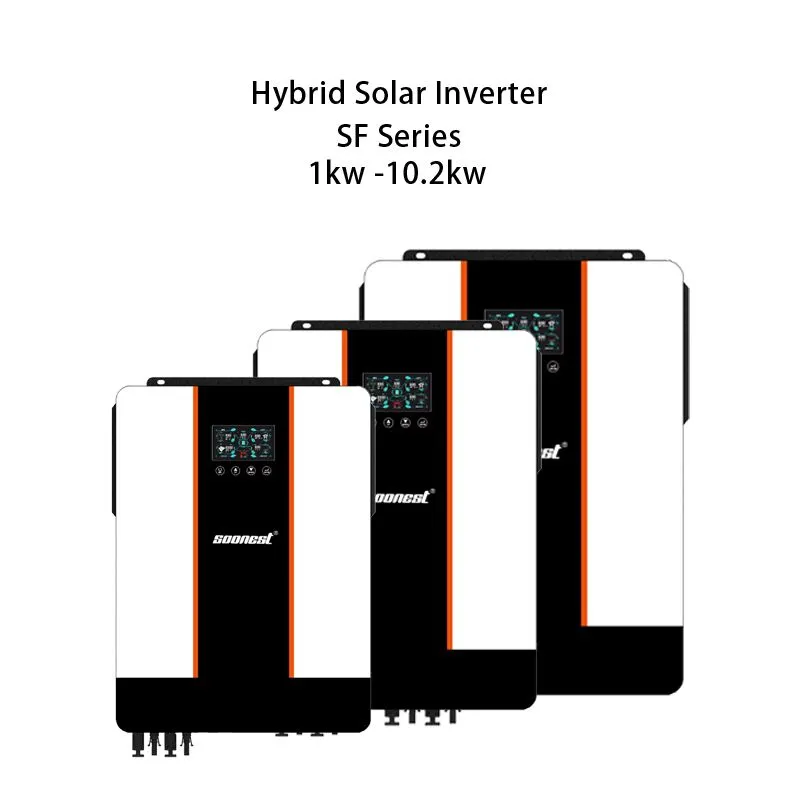
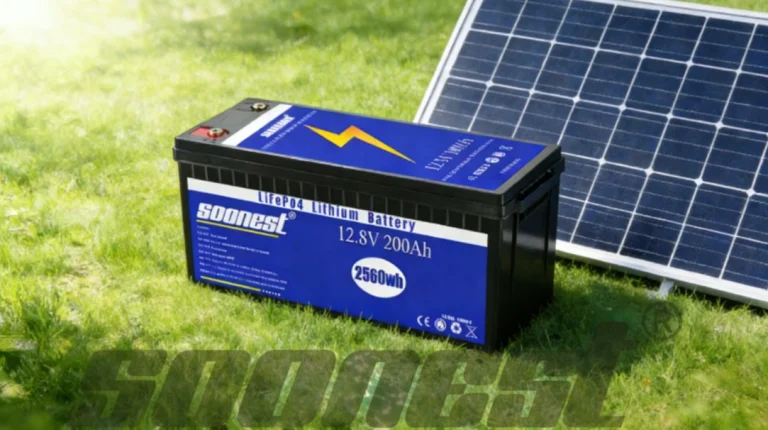
Picking equipment requires focus on compatibility and efficiency. Monocrystalline panels offer better efficiency in small spaces. Pair them with batteries matching voltage and capacity—lithium-ion batteries last longer and discharge deeply.
A great choice is the SOONEST SF Series Hybrid Inverter 1kW-10.2kW single phase. It supports small 1kW systems or larger 10.2kW ones for medium homes. Its MPPT charger, up to 160A, grabs maximum panel energy with a 90-450VDC input. You can start without batteries and add them later. Smart charging extends lithium battery life. WiFi/GPRS lets you track performance on your phone. Its pure sine wave output and 1.0 power factor run all devices reliably. An anti-dusk kit keeps it tough in bad weather, perfect for any climate.
This inverter lets you prioritize solar or grid power for savings or stability. It solves concerns about reliability and ease of use.
Now, you’re ready for installation. A professional setup ensures safety and top performance from the start.
Installation Process for Solar Panels and Battery Storage Systems
Hire certified installers from local lists or recommendations. They handle permits and inspections to meet regulations. They survey your site to check roof strength and wiring routes.
Panels go on racks angled for max sunlight. Wires connect panels to the inverter, then to batteries and your electrical panel. Grid tie-ins let you sell extra power via net metering.
Testing ensures everything works—voltage checks, app setup, and backup mode trials. Installs take 1-2 days. Costs, offset by rebates, range from $10,000-$25,000 for typical homes.
After installation, you see instant perks. This leads to ways to boost your system’s value over time.
Maximizing Benefits of Your Solar Setup
You can save up to 70% on bills with high self-use. The MPPT charger pulls more energy from panels, even in shade. Backup power keeps essentials on during outages with smooth switches.
You can add panels or batteries later for needs like EV charging. Your system cuts carbon emissions, saving tons yearly. Apps track production and usage live, catching issues early. Power priorities lower costs by using off-peak grid rates.
Tough designs ensure long-term reliability. App updates keep your system running smoothly.
These benefits lead to maintenance tips. Keeping your system in shape maintains these gains for years.
Maintenance and Long-Term Optimization for Home Solar Systems
Clean panels every few months with a soft brush and water. Avoid harsh cleaners that harm surfaces. Check mounts for loose bolts after storms.
Track battery health via apps. Look for capacity drops, signaling replacements every 10-15 years. App updates improve features like energy predictions.
Fix small issues yourself, like low output from shading—trim trees if needed. Call pros for bigger problems to protect warranties.
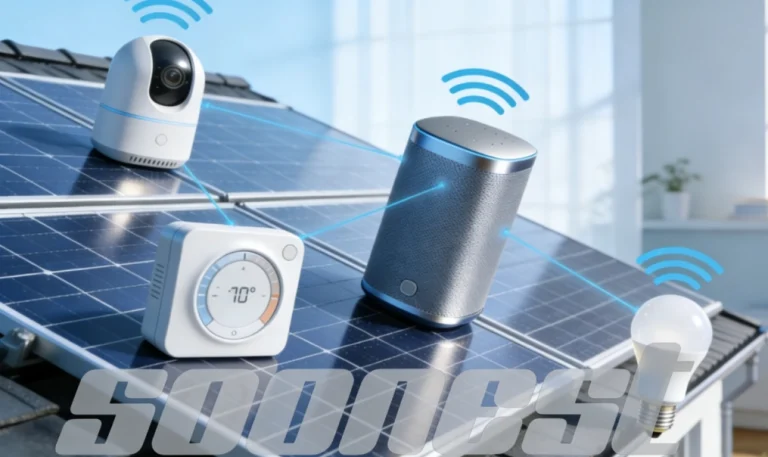
Optimize by running heavy appliances during peak solar hours. Use smart home devices for automatic efficiency.
This keeps panels lasting 25+ years and batteries 10-20 years. Next steps lock in your solar investment.
Services and Contact
You now know the steps: assess your needs, choose gear like that flexible hybrid inverter, install it right, and maintain it well. This brings lasting energy freedom and savings.
Get free consultations from certified pros. They customize plans for your home. Ongoing support covers monitoring and warranties.
For quotes or help, check trusted websites or call support lines. Start now to grab 2025 rebates before they change.
FAQ
Q: What size hybrid inverter fits a three-bedroom home?
A: For a three-bedroom home using 20-30 kWh daily, a 5-8kW inverter works well. It handles typical loads and supports batteries for backups, ready for future growth.
Q: How do 2025 incentives lower solar costs?
A: Federal tax credits cover 30% of costs. State rebates add savings. Net metering pays you for extra power, often recovering costs in 5-7 years, depending on your area.
Q: Do solar systems work during outages?
A: Yes, with batteries and hybrid inverters, you get instant backup. They switch smoothly, powering key appliances for hours or days, based on battery size and use.



 English
  Russian
  German
  French
  Spanish
  Portuguese
  Arabic