
How Solar Panels Work with Batteries
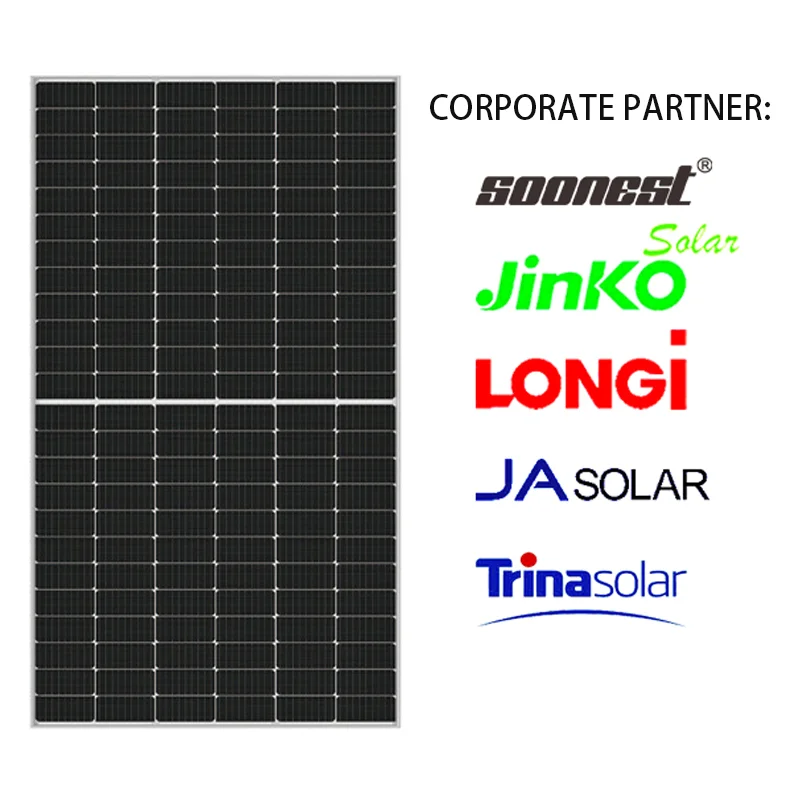
Sunlight hits the photovoltaic cells first. These cells soak up the solar energy. They turn it into direct current electricity, or DC for short. Solar panels contain lots of these photovoltaic cells. People also call them solar cells. Each one grabs sunlight and changes it into DC power. A charge controller handles this DC electricity next. It makes sure the battery gets charged in a safe way. The charging happens without too much risk of overcharging or draining too fast.
The 12V battery holds onto this energy. You can use it later for things like lights or gadgets. It works well for backup setups too. Some systems have an inverter. That device switches the stored DC power over to alternating current, or AC. AC runs most home stuff. In fact, most solar setups include an inverter. It takes that DC from the panels and makes AC. Then you can power everyday appliances with it.
Key Factors Influencing Charging Requirements
A few things decide how well a solar panel charges a 12V battery. You need to think about them all. First, there’s the battery’s size. It has an amp-hour rating, or Ah. A bigger Ah means the battery holds more power. So, it takes extra energy to fill it up. Next comes the amount of sun around. Places with more sunny hours charge things quicker. Panel quality matters too. Better panels make more juice from the same sunlight space. Don’t forget losses in the setup. Wires can resist flow. Heat changes things. Inverters waste a bit too. All that cuts down on what you actually use.
These parts link up. You have to weigh them when picking panel sizes. That way, your system runs smooth.
Calculating the Solar Power Needed to Charge a 12 Volt Battery
Determining Battery Capacity and Energy Requirements
Figure out the battery’s size to start. Take a common deep cycle 12V battery. Say it’s 100Ah. That means it stores 12V times 100Ah. The math gives 1200 watt-hours, or 1.2kWh. But real charging isn’t perfect. It loses some, about 10-20%. Let’s say 85% works out. So, divide 1.2kWh by 0.85. You get roughly 1.41kWh. That’s what the panels must supply each day.
Estimating Daily Solar Energy Input Based on Location
Where you live changes everything for sun power. Experts use peak sun hours, or PSH. It’s how many full-sun hours you get daily. Cloudy spots might see just 3 or 4 PSH a day. Bright areas hit 6 or 7 easy. For that 1.41kWh need, think 5 PSH average. Divide 1.41 by 5. It comes to about 282W per hour. So, a panel at least that strong keeps up. It refills one battery under normal sky.
Matching Solar Panel Output to Battery Needs
Now you know your watt goal from place and use. Pick a panel that hits it or goes over. Weather flips fast. Shade sneaks in. Output drops then. Add 20% extra space. That covers rough days better.
Choosing the Right Solar Panel for Efficient Charging
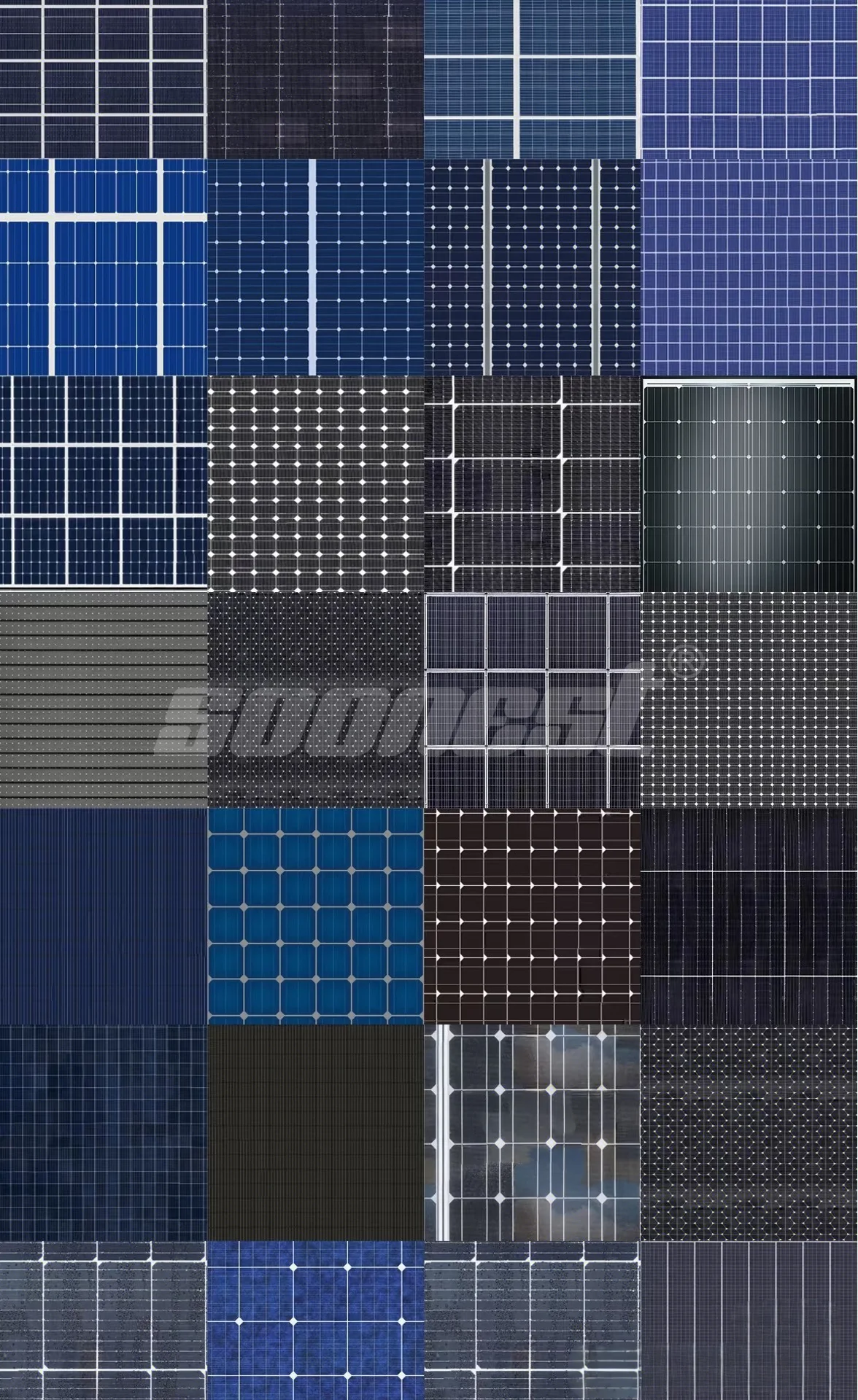
Overview of SOONEST MONO A Series Photovoltaic Panels
Want top-notch picks for off-grid or home charging? SOONEST MONO A Series Photovoltaic Panels fit great. They give good bang for your buck. Plus, they bend to your setup needs.
Power Options: 350W, 450W, 550W, 575W, 585W
This line has choices for all sizes. From light jobs to heavy off-grid spots with many batteries.
High Efficiency Mono-Crystalline Technology
Mono-crystalline panels need little room. They squeeze onto small roof spots fine. High output means they shine even with tight space or spotty sun.
Advanced PERC Cell Design and Low-Light Performance
Spots with weak sun? Mono-crystalline beats others. Their strong setup pulls more from dim rays. PERC tech grabs extra light. It boosts work in dawn hours or overcast skies. Perfect for places where weather swings wild.
Comparing SOONEST MONO A Models for Charging a 12V Battery
Using a 350W Panel for Moderate Energy Needs
One 350W panel does the trick for basic loads. It refills a 100Ah battery in a day if you get five good sun hours. Think RVs on the road. Or cabins tucked away. Even emergency kits. It handles those without fuss.
Advantages of the 450W–550W Range for Faster Charging or Larger Batteries
Got two batteries? Or heavy drain days? Step up to 450W to 550W. It speeds things up. You bank extra on clear days. It holds steady when clouds roll in. That gives peace of mind.
High Output Solutions with the 575W and 585W Panels
Run a few batteries? Power big stuff like fridges or pumps way out? These big ones deliver steady punch. They keep large systems humming. Even when light dips low.
Practical Scenarios: How Many Panels Are Needed?
Scenario A: Charging a Single 100Ah Deep Cycle Battery Daily
Picture five sun hours a day. That’s average for many spots. One 350W panel from the series fills it right up. Done in one day. But if you grab cheaper 150-200W ones? Stack two or three. It depends on your local light. The strong single panel wins for easy space and less wire mess.
Scenario B: Off-grid Setup with Multiple Batteries or Higher Usage
Now say two batteries make 200Ah total. Double the draw, about 2.8kWh a day. For that, grab two panels at 450-550W. They match the load. Or go three 350W if space calls for it. Budget plays in too. This way builds as you add more later. It grows with your life.
Benefits of Choosing SOONEST MONO A Panels for Battery Charging Applications
Superior Module Efficiency and Durability
Quick take: Mono-crystalline tops the charts for power squeeze. They claim tiny roof chunks. Tough build lasts through storms. Think heavy snow or gusty winds. They shrug it off.
Excellent Performance Under Low-Light Conditions
Dim sun zones? These silicon champs pull ahead. High setup means steady flow. Clouds can’t stop the charge much. That keeps your power on without skips.
Compatibility with Various Off-grid and Backup Power Systems
RV trips? Cabin roofs far out? These fit MPPT controllers smooth. They pair with deep-cycle batteries at different volts. Easy plug into your world.
Long-Term Reliability and Warranty Support
Panels last 25 years base. Many push past that. It’s a smart buy for home folks or wild campers. Dependable juice all year.
Additional Considerations for an Optimal Solar Charging System
Importance of Using an MPPT Charge Controller
MPPT controllers tweak voltage on the fly. They squeeze max from panels. Batteries stay safe from too much zap. Every good setup needs one. It boosts the whole flow.
Proper Wiring, Mounting, and Safety Measures
Pick thick wires right. They cut power slip. Mount firm against blasts. Add fuses or breakers. That guards the gear. Safe steps make it last.
Monitoring Tools for System Performance
Grab digital gauges or app-linked watchers. They show charge live. Tweak your habits from data. Spot glitches quick. Keep it running prime.
Explore SOONEST’s Full Range of Solar Solutions
Off-grid dreams? Backup must-haves? You don’t go solo. Soonest sells prime photovoltaic gear. They toss in expert chats too. Tailored to your build. RV sizing? Remote roof jobs? Their team sketches it out. Clean power shift gets simple. Jump in bold.
FAQ
Q: Can I connect multiple panels together to charge my battery faster?
A: Sure. Wire them parallel for more amps. Or series for voltage bump. Check your controller specs. Design fits the bill.
Q: Do I need direct sunlight all day long?
A: Nope. Full blast helps most. But these mono panels handle shade bits. PERC cells grab faint light well.
Q: What size charge controller should I use?
A: Go a tad over your peak amps. Say two panels max 20A? Pick 30A MPPT. It runs safe and sound.




 English
  Russian
  German
  French
  Spanish
  Portuguese
  Arabic