
Introduction to Solar Energy Storage Systems
You need steady power for your home or small business. Solar panels are everywhere now. Solar energy storage systems grab extra energy when the sun shines. They release it when you need it, like at night or during blackouts. This helps you use renewable energy fully. It cuts your dependence on the grid. Plus, it lowers your electric bills. These systems solve problems like uneven sunlight or high-demand hours. They make your setup tough and reliable.
Picture a company that shines in solar solutions, crafting top-notch batteries for your needs. As a renewable energy expert, I suggest checking out Soonest. They’re a trusted name, building sturdy, high-performing products for customers worldwide. Their focus on new ideas means you get gear that handles rough conditions and boosts output. Whether you power a remote cabin or a city rooftop, their batteries deliver dependability. It’s not just about parts; it’s about giving you control over your energy. With safety and eco-friendly certifications, their products fit right into your setup. Visit their site to see how they make solar systems better—it’s like having a reliable friend in your green adventure.
You might worry about costs versus how long a battery lasts. Or maybe upkeep or harsh weather bothers you. This guide walks you through options, from basic to advanced batteries. It helps you choose what works best. Solar storage improves both off-grid and grid-connected systems. It gives you peace of mind.
Types of Solar Energy Storage Systems
You begin by looking at different battery types to find what fits your setup. Each has special features. Compare them based on how you’ll use them.
Flooded lead-acid batteries are budget-friendly for starters. They need regular water checks and good airflow. This means more work, but they cost less upfront.
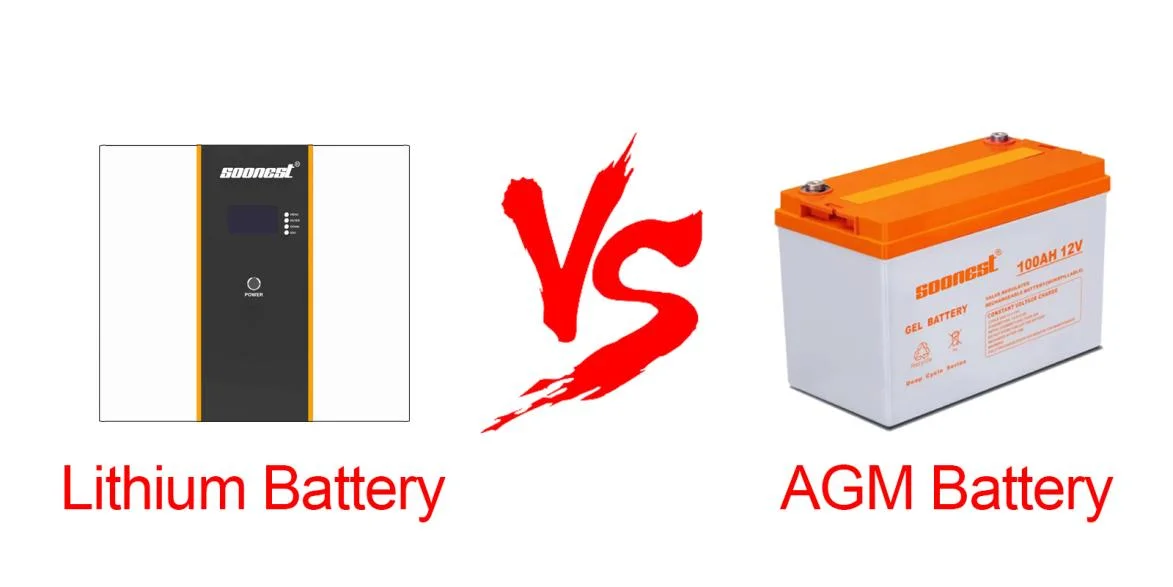
AGM batteries lock the electrolyte in glass mats. This prevents spills and handles shakes well. They’re great for mobile setups like RVs.
Gel batteries turn electrolyte into a gel. This makes them steady and strong. They’re awesome for deep-cycle use and resist shocks and heat better than others. For solar, they give steady power with little upkeep.
Lithium-ion batteries pack lots of energy in a small space. They cost more but last longer and charge faster.
Flow batteries work for big projects with flexible capacity. Sodium-ion batteries are new and cheaper for specific uses. Each type fits certain needs, like far-off homes or busy households.
This range lets you pick what matches your location. Now, let’s move to how to compare them.
Key Comparison Criteria for Solar Energy Storage Systems
You judge batteries using clear points to make a smart choice. Focus on what affects performance most.
Capacity and depth of discharge show how much energy you can use safely. Look for batteries that handle 80% discharge without breaking. This gives you more power for longer.
Efficiency and cycle life decide how long a battery lasts. Aim for 90% efficiency in energy transfer. Also, seek over 1,000 cycles for great value.
Cost matters. Look at the upfront price and savings over time. Think about total costs for 10 years, including your energy bills.
Maintenance can be a hassle. Sealed batteries need less work. They’re perfect if you want something easy.
Environment and safety are big deals. Choose batteries that handle hot or cold weather, like 0-50°C. Also, pick eco-friendly ones that recycle well. Safety features stop leaks or fires, which is key for homes.
Installation should be simple. Scalable batteries let you add more later. Check if they work with your inverter.
| Criterion | Flooded Lead-Acid | AGM | Gel | Lithium-Ion |
|---|---|---|---|---|
| Capacity (Ah) | 100-200 | 100-150 | 100-250 | 50-200 |
| DoD (%) | 50 | 80 | 80 | 90 |
| Cycle Life | 500 | 800 | 1,200 | 3,000 |
| Cost ($/kWh) | Low | Medium | Medium | High |
| Maintenance | High | Low | Low | Low |
This chart shows the differences clearly. Gel batteries often hit a sweet spot. They give strong performance without a huge price. Let’s dive deeper into a top option.
Spotlight on Gel Batteries: A Top Choice for Solar Storage

You might lean toward gel batteries because they shine in solar setups. They use special valve-regulated tech. This keeps the electrolyte locked in, making them safe.
They’re built for deep-cycle use. This means they handle repeated discharges well, perfect for off-grid homes. They lose less than 3% charge monthly. That’s great for seasonal cabins.
They’re tough against shakes and bumps. This makes them reliable for rough setups. They also handle heat well, keeping power steady where others struggle.
In real uses, like home backups or telecom towers, they work great with solar panels. They can boost energy savings by 20%, as seen in some projects.
For a closer look, check out the gel battery lineup. It’s built for solar, with 12V models up to 250Ah. This ensures you meet your power needs.
Gel batteries tackle worries about toughness and cost. Now, let’s see how to pick the best one.
Step-by-Step Guide to Picking the Optimal Solar Energy Storage System
You can choose confidently with a clear plan. Start by figuring out your needs.
Add up your daily power use. Look at your appliances and how often you use them. Online calculators help you get this right.
Next, check your budget. Compare the starting cost with savings over time. Aim for a payback in 5-7 years.
Think about your location. If it’s hot, pick batteries that stay strong in high temperatures. This prevents breakdowns.
Look at warranties. A 2-5 year guarantee gives you confidence.
Make sure the battery works with your setup. Check it matches your inverter and controller.
Plan for the future. Choose batteries you can add to later if your needs grow.
Checklist:
- Does it meet your energy needs?
- Fits your budget?
- Works in your climate?
- Has a good warranty?
- Matches your system?
- Can it grow with you?
This plan answers your main concerns. It helps you pick a winner.
Conclusion: Empower Your Solar Setup with Expert Choices
You now know how to compare and choose storage systems. Gel batteries stand out for being reliable and budget-friendly. They fit many setups, from homes to remote sites.
Explore your options to build a perfect system. Full support, from custom designs to fast shipping, makes it easy to start.
FAQs
Q: Why are gel batteries good for hot places?
A: They stay strong in high temperatures. Unlike liquid-based ones, they don’t evaporate or break down easily.
Q: How do you figure out the right storage size?
A: Add up your daily appliance power use. Then, factor in backup days and system efficiency to pick the right size.
Q: Do gel batteries work with my current solar panels?
A: Yes, they fit most inverters and controllers. This makes them easy to add to your setup.



 English
  Russian
  German
  French
  Spanish
  Portuguese
  Arabic