

Comparative Overview of Lithium and Lead Acid Battery Technologies in Industrial Applications
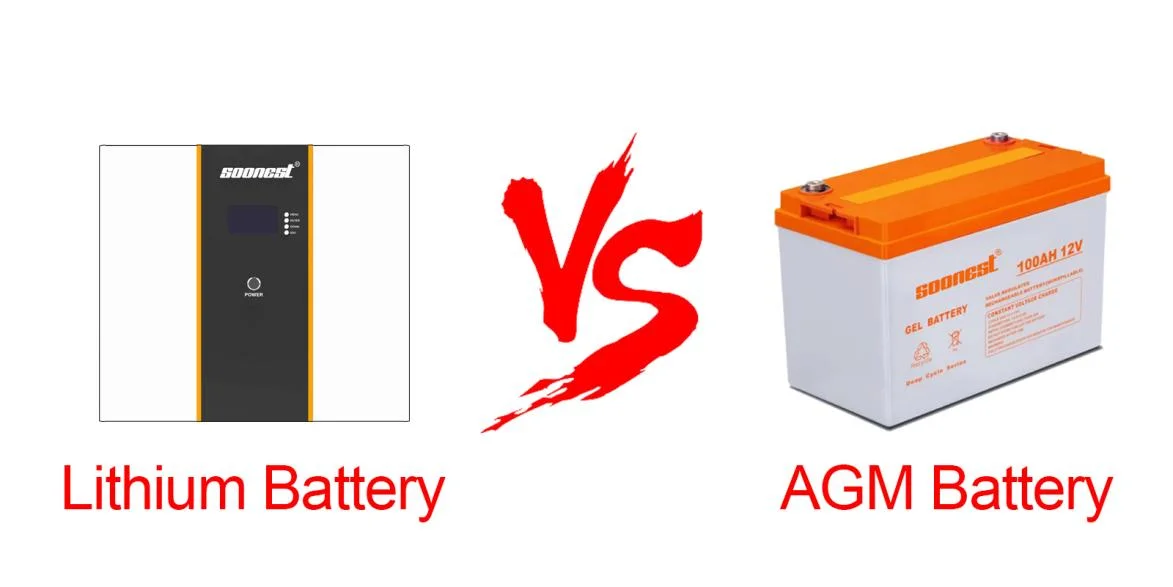
When you handle tough industrial jobs, each part of your power setup must work well, save energy, and last a long time. Batteries form the main support for energy storage. They play a key role. Picking between lithium and lead acid types can shape how well your work runs. Here, one option shines for its strong tech and focus on users: the Deep Cycle Solar LiFePO4 Battery from SOONEST.
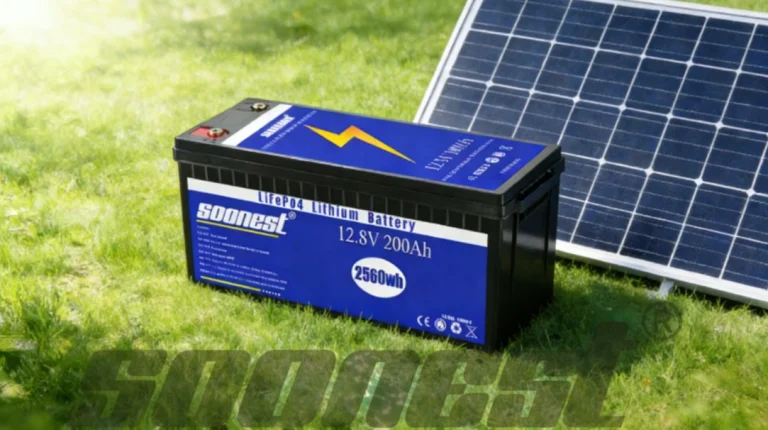
These batteries suit solar and factory systems. They swap out old lead-acid ones. They give small-sized power with great output and no upkeep needed. The company provides easy-to-use lithium options that fit hard tasks. These range from off-grid solar setups to phone network backups. Models come in sizes from 50Ah to 250Ah. Voltage choices include 12.8V/25.6V. They handle strict needs in a tinier, easier-to-move package. A 5-year warranty backs them. They offer over 6000 cycles at 80% DoD. This makes them a smart choice for your work.
Fundamental Differences in Battery Chemistry
Lithium iron phosphate (LiFePO₄) batteries mark a big step forward from old lead acid tech. A lithium iron phosphate battery is a kind of lithium-ion battery. Its basic function relies on lithium ions moving in and out between the positive and negative parts. This moving process allows for better energy per size and steady chemical action.
Lead acid batteries, however, use reactions between lead dioxide and soft lead in acid water. This setup is basic. It has worked for many years. But it has clear weak points. These include less energy per pound and big drops in power as it empties.
These basic chemical gaps affect factory use right away. Lithium types keep steady power levels all through the drain cycle. This boosts machine work under stress. Lead acid ones often lose power fast. That can upset careful tools or cut lift truck strength at busy times.
Performance Metrics Relevant to Industrial Use
A solid battery needs to supply even power for changing loads. Lithium does better than the older type here. The SOONEST Deep Cycle Solar LiFePO4 Battery gives steady flow in many factory tasks. It keeps good output even when pulling strong currents.
Lead acid batteries, in turn, do poorly with steady or heavy pulls. Their inside pushback grows as time passes. This leads to power falls that hurt steady work.
Plus, lithium choices weigh much less. This helps a lot in moving gear like lift trucks or high-reach lifts. Less weight brings better handling, more load carry, and lower pull on engines.
Energy Efficiency and Lifecycle Considerations
Charge Efficiency and Energy Retention
How well energy works counts for saving money, green goals, and steady run time. Lithium batteries reach up to 98% charge success. So, little power turns to heat. More stays for later use. SOONEST LiFePO4 options make the best of power in solar and far-off factory setups. They fit well for spotty sun power patterns.
Lead acid types usually hit just 70–85% success. This difference means more time to fill up and more waste. It hurts most in jobs with many fill-drain steps or quick repeats.
Cycle Life and Long-Term Durability
A battery’s money worth ties mostly to how many cycles it handles. LiFePO4 batteries go past 4000–6000 cycles at 80% depth of discharge (DOD). This staying power means up to 10 years or more of steady use.
Lead acid choices often manage 300–500 cycles in the same setup. So, you face more swaps, more stop time, and bigger costs over years.
SOONEST Deep Cycle models build for long runs in rough spots. These include very hot or cold spots and shaky places. They keep your setup going when you need it most.
Safety, Maintenance, and Operational Reliability
Thermal Stability and Risk Management
Factory spots often face changing heat, bumps, and uneven pulls. Safe work in these is a must.
LiFePO4 makeup stays steady on its own. It has low chance of heat buildup or fire. This makes it one of the safest picks today. Lead acid setups, however, give off hydrogen gas while running. You need good air flow for that. It raises blast risk if not handled right.
SOONEST builds in smart BMS (Battery Management System) for heat watch and error guard. This clever part checks each cell on its own. It controls power level, flow, and heat to stop overfill or too much warmth.
Maintenance Requirements in Industrial Settings
Another key choice for factory folks is upkeep work. Lithium types need almost no care. No adding water, no cleaning ends, no special fill steps.
SOONEST LiFePO4 goods cut stop time with easy setup and no-care build. Lead acid ones call for regular looks at acid levels, end rust fix, and set fill ways to skip buildup. Each task adds mistake chance and extra work costs.
Environmental Impact and Sustainability Factors
Material Composition and Recycling Potential
With tougher green rules worldwide, your battery pick might affect rule fits.
Lithium iron phosphate batteries use base stuff without rare or bad heavy metals like cobalt and nickel. They recycle safer and risk less when thrown out.
Lead acid ones hold lots of poison lead parts. Bad handling when tossing adds dirt to ground and water harm. This makes them less fit for green aims.
Carbon Footprint Across the Product Lifecycle
A longer cycle run cuts not just swap costs but also waste stuff. Fewer swaps mean less truck gas, less base material use, and lower make-energy over time.
When you add lithium tech to your work, you pick more than just good output. You cut your gas mark versus old setups on short-life lead acid storage.
Application-Specific Advantages of SOONEST LiFePO4 Batteries
Industrial Sectors Benefiting from Lithium Technology Integration
Renewable Energy Systems (e.g., Solar Storage)
The SOONEST Deep Cycle Solar LiFePO4 Battery backs quick sun fill with steady long-run trust. If you run a far-off hut or big sun panel farm, these give fast fill skill with little loss. They suit uneven sun make patterns well.
Material Handling Equipment (e.g., Forklifts)
Lithium’s light build boosts truck output. It allows quick refills during work breaks. Users get longer run per fill without power drop hits on work.
Backup Power Systems (e.g., Telecom, Data Centers)
Keeping power even matters in digital builds. LiFePO4’s steady give keeps links, servers, and switch parts on in blackouts. No falls that might cause stops or data harm.
Technical Features Enhancing Operational Value
Integrated Smart BMS Technology
Smart battery watch boosts sight into work while cutting risk. Over time, tiny gaps make battery parts uneven. This cuts their output and speeds wear. SOONEST’s smart BMS stops this. It balances each part during fill and drain to stretch whole battery life.
Modular Design Flexibility
These batteries’ part-based style lets you grow store size step by step. You can add backup hold to an old site or plan a new far-off setup from start.
Wide Temperature Operating Range
From cold hill spots to dry land builds, SOONEST batteries work steady without store drop from heat push. This limits many usual types.
Service Commitment and Support from SOONEST
Customization Options for Industrial Clients
Each task has its own needs. SOONEST gives fit solutions based on your power choice, size want, space limits, or rule needs.
Technical Support Throughout the Product Lifecycle
You won’t face guesswork when adding SOONEST goods. Pro advice waits for setup plan, put-in help, or fix after start changes. If you grow a power field or update store auto, expert aid makes your shift smooth.
How to Get in Touch with SOONEST
Help stays close. Reach SOONEST by phone line or online ask form. For world work, a strong seller net makes sure goods ship and aid reply fit time zones.
FAQ
Q: Can I use LiFePO4 batteries in cold climates without heaters?
A: Yes. These batteries operate reliably across a wide temperature range without significant capacity loss or risk of freezing damage.
Q: How often do I need to service these lithium batteries?
A: No regular maintenance is needed—there’s no electrolyte to top up or terminals to clean thanks to the sealed design and integrated BMS.
Q: What happens if one cell in my battery becomes weaker than others?
A: The built-in smart BMS continuously balances all cells during charge/discharge cycles to prevent imbalances that typically degrade performance over time.




 English
  Russian
  German
  French
  Spanish
  Portuguese
  Arabic