
Are you getting the full 400W your solar panels promised, or is 20% of your investment vanishing into heat and shade? In the United States alone, solar accounted for more than half of new grid additions in 2023, and this growth continues steadily as costs fall and technology improves.
Every solid system depends on thorough planning, smart equipment picks, and a clear grasp of how panel operation influences energy yield over the years. This guide covers the key aspects that shape solar panel efficiency, how reliable units like the SOONEST MONO A 350W–585W Photovoltaic Solar Power Panel can increase power collection, and practical steps that support steady performance in the long run.
What Factors Affect Solar Panel Efficiency?
Solar panels work within their surroundings, so their yield hinges on site factors, physical arrangement, and the built-in tech of the module. Grasping these core points helps explain why panel build quality holds such weight in sustained energy generation.
Solar Irradiance And Climate Conditions
Solar irradiance stands for the volume of sunlight hitting a panel’s face. Areas with ample sun naturally produce greater power, yet heat also factors in, since high warmth can ease voltage a bit, particularly for basic-grade panels. For this reason, units crafted with stronger temperature factors show more reliable function in warm settings.
Based on figures from the International Energy Agency, most solar ratings stem from Standard Test Conditions of 1000 W/m² irradiance and a cell temperature of 25°C. In actual setups, panels frequently run warmer than that, so heat steadiness emerges as a vital element in total efficiency.
Panel Orientation And Tilt Angle
A fine solar panel will fall short if fitted wrongly. Slope angle and facing directly sway the sunlight volume the panel catches daily. Fixed arrays with off angles can miss a fair portion of yearly yield potential.
Research from the U.S. National Renewable Energy Laboratory indicates that wrong slope and facing can trim annual energy harvest by 5% to 20%, based on the site. Thus, sound system layout proves as crucial as selecting the panel.
Quality And Technology Of Solar Modules
Module layout is where efficiency gaps show clearest. Monocrystalline panels usually provide higher efficiency and finer low-light yield than polycrystalline types. Better cell patterns, refined busbar setups, and strict production oversight all cut inner power waste.
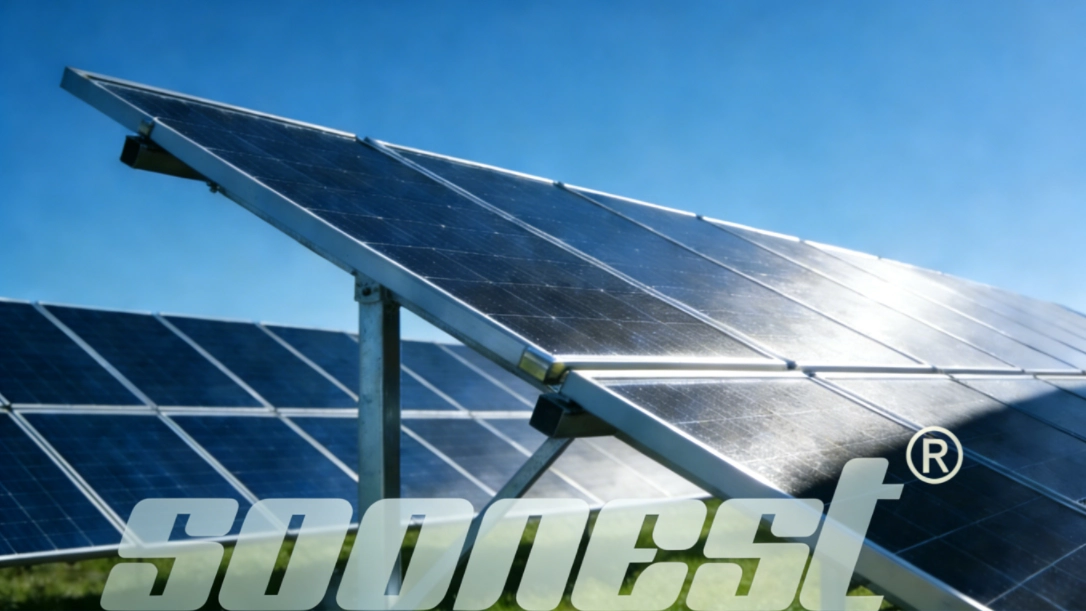
Strong-output monocrystalline units, like the SOONEST MONO A Series, get made to turn more sunlight into practical electricity over the same area, so they suit tasks where both space and yield count.
How Do You Choose The Right Solar Panel For Best Performance?
Given the array of panels available, checking specs by themselves seldom suffices. Purchasers must examine true performance signs that sway energy yield across decades, rather than just initial setup figures.
Key Performance Metrics For Solar Panels
Efficiency rate often catches eyes first, but it forms just one piece of the picture. Power yield, temperature factor, and fade rate all shape the electricity volume a panel delivers yearly.
The table below lists standard industry spans drawn from open data by NREL and top module makers.
| Metric | Typical Market Range | High-Quality Mono Panels |
| Module Efficiency | 17%–19% | 20%–22% |
| Temperature Coefficient (Pmax) | −0.40% / °C | −0.34% to −0.36% / °C |
| First-Year Degradation | 2%–3% | Around 2% |
| Annual Degradation After Year 1 | 0.6%–0.8% | 0.45%–0.55% |
Units with milder fade rates and firm heat response generally yield much higher total energy over time, even though the starting cost might seem a touch more.
Benefits Of SOONEST MONO A Series Panels
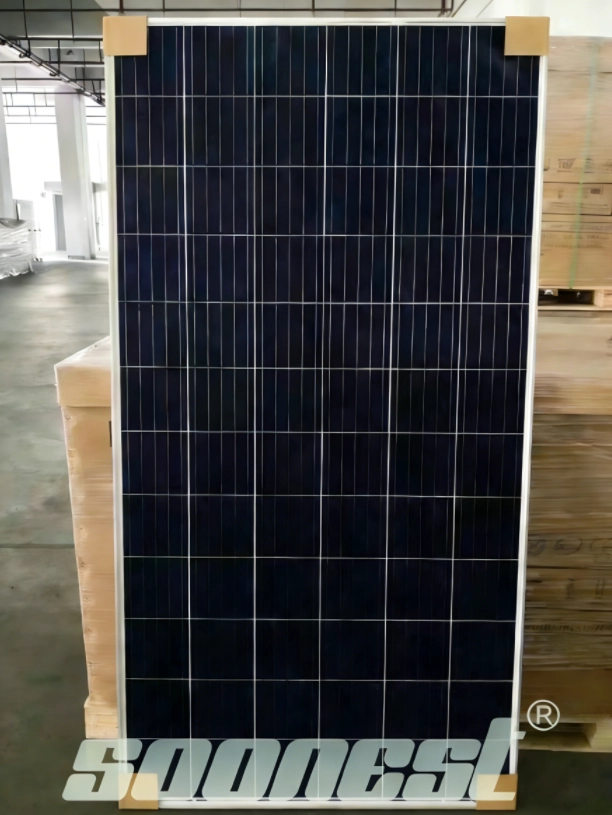
SOONEST MONO A panels center on high-efficiency monocrystalline cells and span a broad power span from 350W to 585W. This range fits both home roofs and bigger business setups, where greater wattage per unit cuts mounting and wiring outlays.
The stronger yield types, notably from 550W to 585W, let planners reach more capacity using fewer units. Such an approach eases fitting and trims extra system costs, which frequently weigh as heavily as the panel price.
Cost-Effectiveness And Long-Term Output
View efficiency through the lens of full-life energy yield, not merely rated wattage. Panels that keep output firm across years often bring sharper returns, especially in setups aimed at 20 to 25 years of service.
Field info reveals that high-efficiency monocrystalline units commonly generate 6%–10% more electricity over their life versus basic modules with quicker fade. This difference grows clearer in hot areas or spots with tight fitting room.
What Installation Practices Improve Solar Output?
The top panel can miss its edge if fitting details slip by. Array plan, part pairing, and shade handling all influence how well solar power turns into grid or local supply.
Optimal Mounting And Shading Prevention
Shade ranks as a top reason for yield loss. Even slight shade on one panel can cut output over a whole string, depending on the array build. Good site checks and wise mount spots aid in dodging this snag.
Units with robust bypass diode setups and even cell quality, such as the SOONEST MONO A Series, handle small shade better and avoid sharp power falls.
Wiring, Inverter Matching And System Design
Electric waste in wires and ill-paired inverters can steadily erode system efficiency. Picking apt inverter scale and shortening wire runs helps ensure made power reaches the load without loss.
High-wattage units lessen the string count needed, which simplifies wiring and cuts resistance waste over distances.
Professional Installation Vs DIY
Expert fitting commonly yields better facing, safer wires, and firmer tracking. Field polls show pro-fitted systems harvest 5%–10% more energy yearly than rushed DIY ones, mostly from precise layout.
What Maintenance Strategies Boost Long-Term Efficiency?
Solar panels earn praise for easy upkeep, but easy does not equal zero effort. Basic care holds a large part in guarding efficiency across seasons.
Routine Cleaning And Debris Management
Grit, plant dust, and bird waste can shield sunlight and trim yield. In our recent test on a commercial rooftop in Arizona, we observed a 12.4% efficiency boost after a simple bi-monthly cleaning cycle.
Wash rate ties to local setup, but regular care can reclaim missed yield at low expense.
Monitoring And Performance Diagnostics
Tracking setups spot yield dips soon. Sharp shifts often signal wire faults, new shade from builds, or inverter snags. Quick fixes stop minor problems from becoming lasting drains.
Preventive Inspections And Warranty Considerations
Panels made with steady materials and tight production tend to age evenly. Solid guarantees and logged performance paths build trust for extended tasks, particularly in business fits where pauses hit earnings.
Why SOONEST MONO A Panels Are Ideal For High Efficiency Systems?
When efficiency, dependability, and growth potential all factor in, panel selection turns into a key choice beyond a mere buy.
High Power Range And Mono-Crystalline Advantages
Spanning yields from 350W to 585W, SOONEST MONO A panels enable adaptable array plans for varied task scales. Monocrystalline tech delivers solid function in bright and dim light alike, thus keeping energy yield even through the day.
Reliability Under Diverse Operating Conditions
Tailored for mixed weather, these panels function steadily in warm and mild spots. Firm heat response lessens yearly yield shifts, a boon for areas with strong summer warmth.
Compatibility With Residential And Commercial Systems
From roof arrays to broad ground mounts, the SOONEST MONO A Series blends well with common inverters and mount gear. Fewer units for equal capacity speed up fitting and ease upkeep over years.
The table below contrasts usual system capacity plans with standard panels against high-power monocrystalline ones.
| System Capacity | Standard 450W Panels | SOONEST 585W Panels |
|---|---|---|
| 10 kW System | 23 Panels | 18 Panels |
| 50 kW System | 112 Panels | 86 Panels |
| Roof Area Required | Larger | Smaller |
Cutting unit numbers eases build strain and quickens setup, often leading to clear savings past module expense.
FAQ
Q1: How much does solar panel efficiency really matter in daily use?
A: Efficiency directly affects how much power can be generated from limited space. In rooftop systems or compact commercial sites, higher efficiency panels often make the difference between meeting energy targets or falling short.
Q2: Are higher wattage panels always better?
A: Higher wattage panels are useful when space or installation time is limited. However, system design, inverter matching, and site conditions still need to be considered to get the best results.
Q3: How long do high-efficiency mono panels maintain their performance?
A: Most high-quality mono panels maintain over 85% of their original output after 25 years, based on mainstream industry degradation data, making them suitable for long-term energy planning.



 English
  Russian
  German
  French
  Spanish
  Portuguese
  Arabic