All-in-One Solar Energy Storage Solution
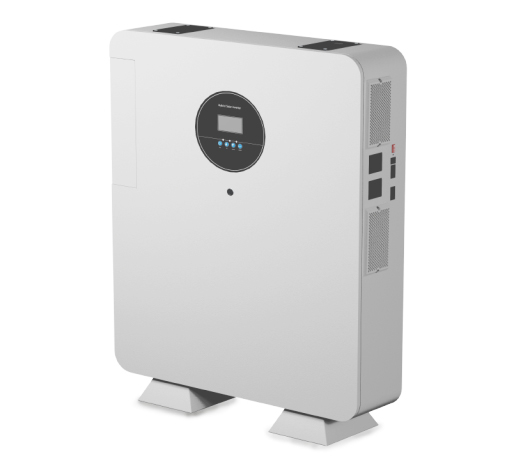
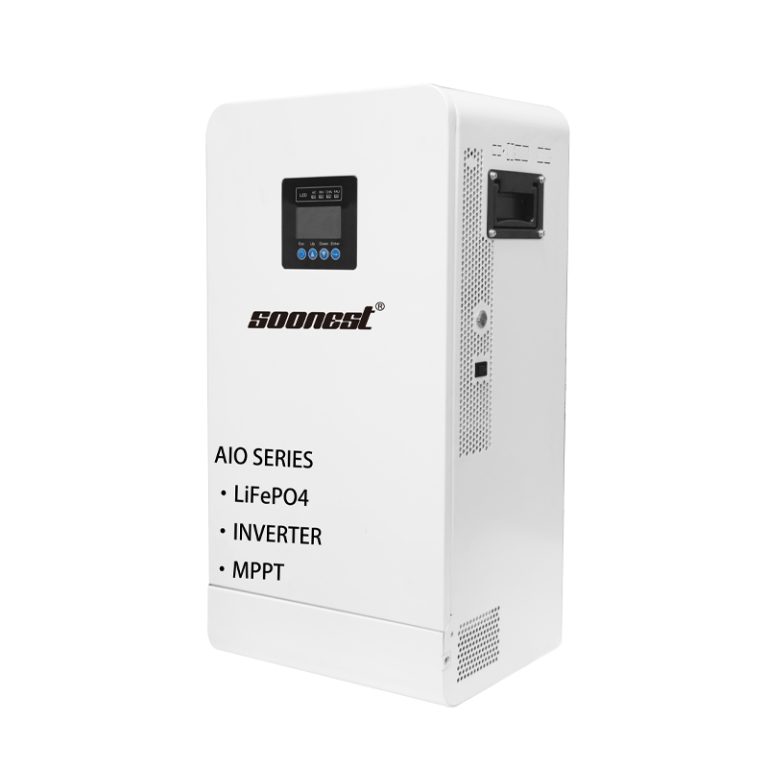
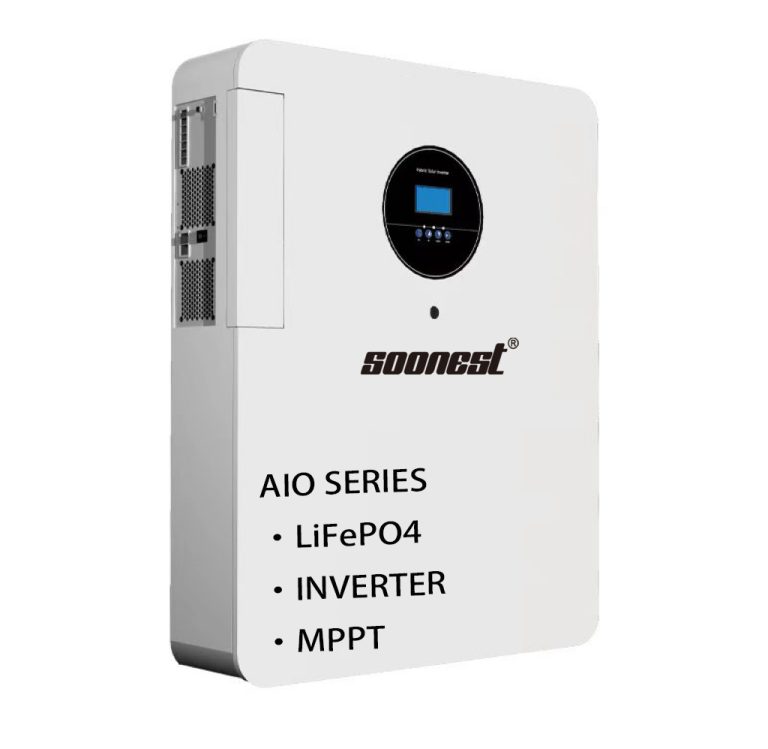
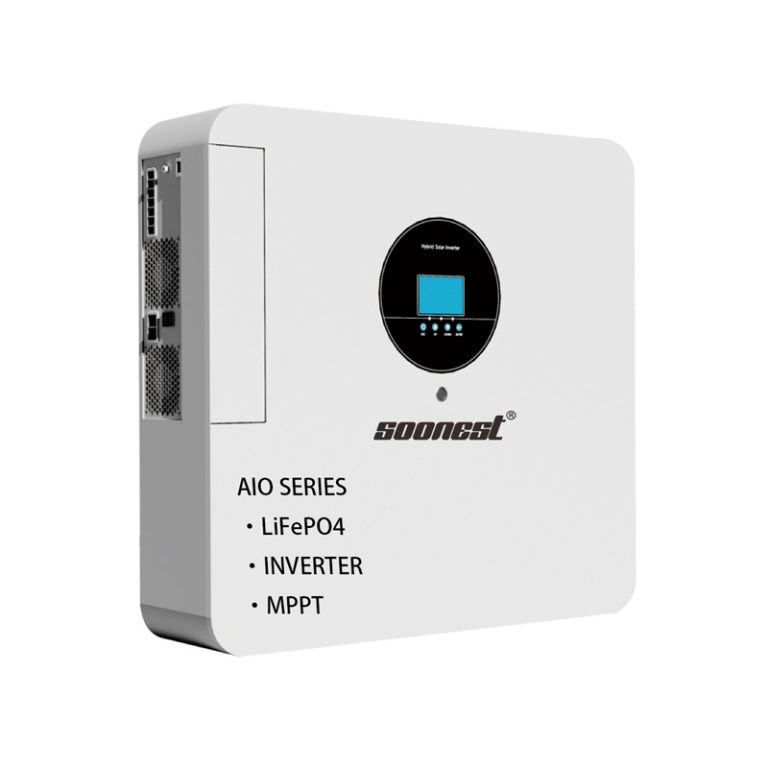
The 5kW–20kW All-in-One Hybrid Solar Inverter and LiFePO4 Battery System combines solar power conversion, battery storage, intelligent energy management and backup power in one integrated solution.
Designed for residential and light commercial applications, the system intelligently manages energy from solar panels, batteries and the utility grid. It helps increase solar self-consumption, reduce electricity costs and provide reliable backup power during grid outages.
Available in multiple inverter power and battery capacity configurations, the modular design makes the system suitable for both new solar installations and energy storage upgrades.
Key Features
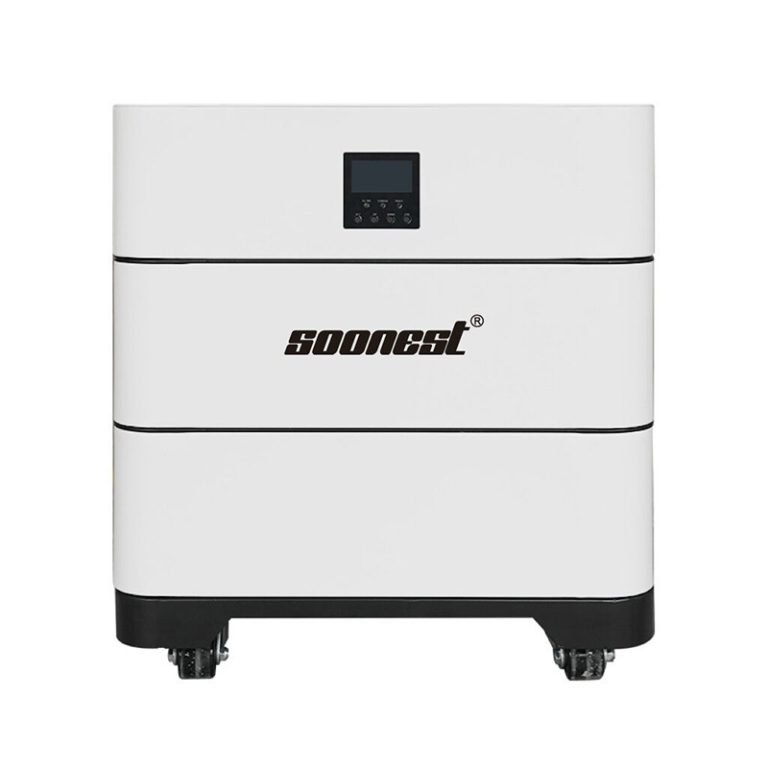
Integrated Inverter and Battery Design
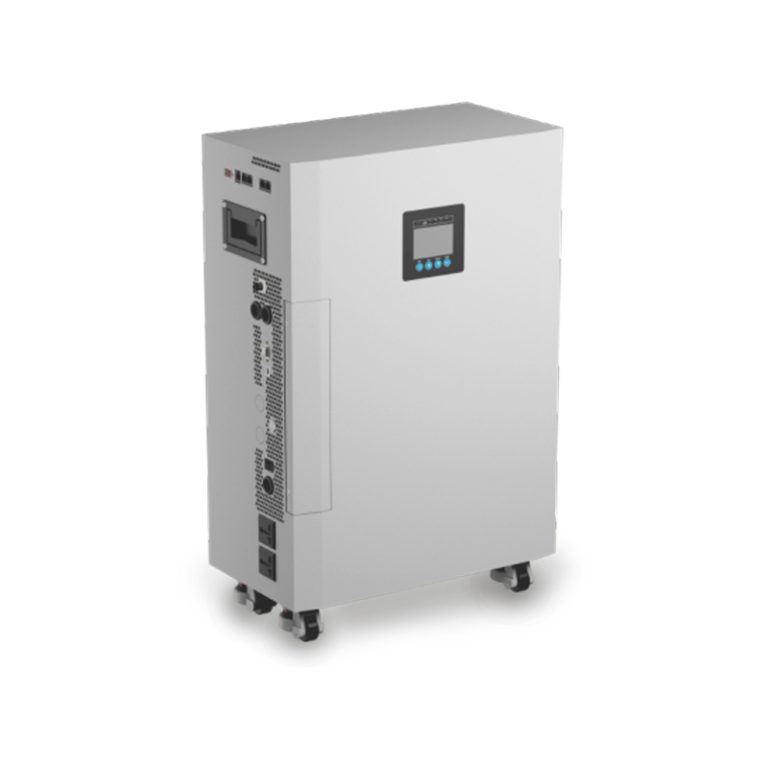
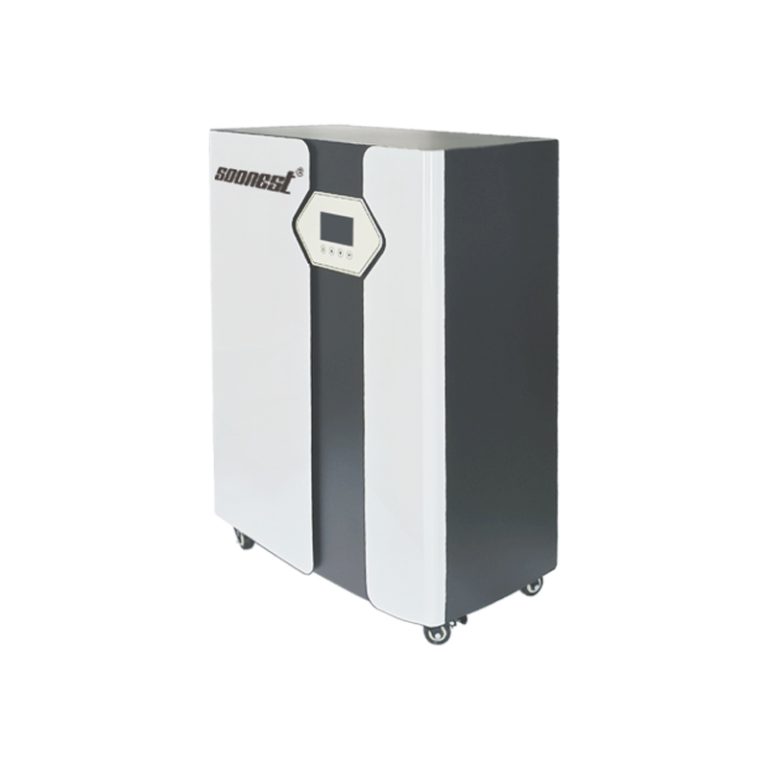
The inverter and LiFePO4 battery modules are integrated into a compact, modern enclosure, reducing installation complexity and saving space.
The all-in-one design provides:
- Simplified installation
- Reduced wiring requirements
- Clean and compact appearance
- Convenient system expansion
- Easier operation and maintenance
Multiple Power Options
The system is available with inverter power ratings including:
Different configurations are available to meet the energy requirements of homes, offices, shops and other small commercial facilities.
High-Efficiency Solar Energy Conversion
Advanced inverter technology converts solar DC power into stable AC power with high efficiency.
The integrated MPPT function continuously tracks the maximum available power from the solar array, helping improve solar energy harvesting under changing sunlight and temperature conditions.
Reliable LiFePO4 Battery Technology
The system uses high-quality 48V or 51.2V LiFePO4 battery modules designed for safety, stability and long service life.
Key battery advantages include:
- Long cycle life
- High charge and discharge efficiency
- Excellent thermal stability
- Low maintenance requirements
- No memory effect
- Modular capacity expansion
Battery capacity and cycle performance may vary according to the selected configuration and operating conditions.
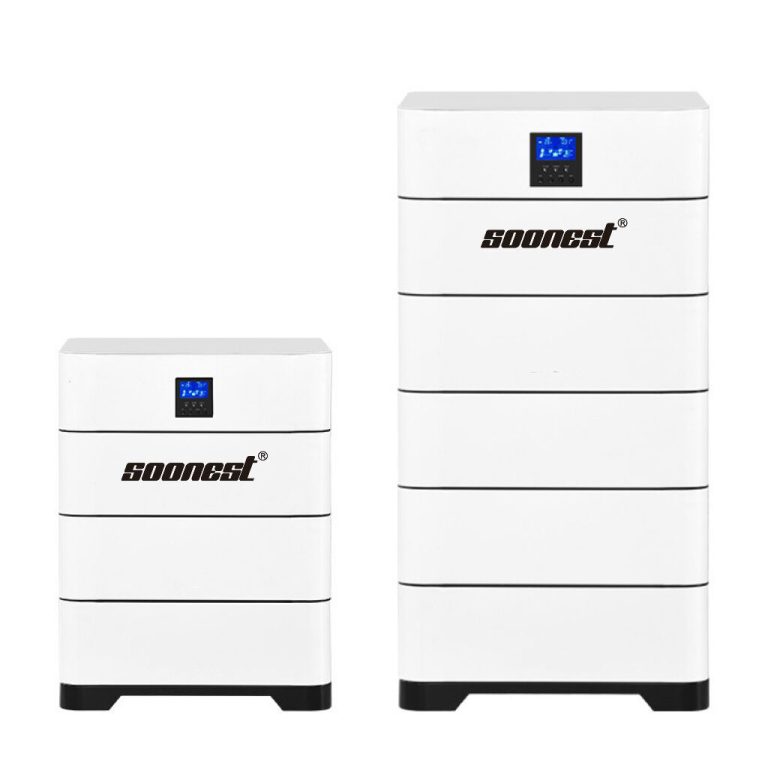
Modular and Expandable Storage
The stackable battery design allows users to expand storage capacity according to current and future energy requirements.
This modular structure makes it possible to begin with a smaller battery capacity and add additional modules when more backup time or energy storage is required.
Intelligent Energy Management
The system automatically coordinates solar generation, battery storage, household consumption and utility grid power.
Available operating strategies may include:
- Solar power priority
- Battery priority
- Grid priority
- Self-consumption mode
- Backup power mode
- Time-of-use charging and discharging
- Peak shaving
- Off-grid operation
Operating modes may vary depending on the selected inverter model.
Seamless Power Source Management
During normal operation, solar energy can power connected loads and charge the battery. Excess energy may be exported to the grid where local regulations and system configurations permit.
When solar energy is insufficient, the system can automatically use stored battery power or utility grid power. During a grid outage, the backup output can supply essential loads when the system is correctly configured.
Smart Monitoring and Communication
The intelligent monitoring system allows users to view system performance and operating status in real time.
Available communication options may include:
- Wi-Fi monitoring
- Bluetooth connectivity
- Mobile application monitoring
- Web-based monitoring platform
- RS485 communication
- RS232 communication
- CAN communication
- Battery BMS communication
Communication functions depend on the selected model and configuration.
Built-In Battery Management System
The integrated Battery Management System continuously monitors battery voltage, current, temperature and state of charge.
Protection functions may include:
- Overcharge protection
- Over-discharge protection
- Overcurrent protection
- Short-circuit protection
- Overtemperature protection
- Low-temperature protection
- Cell voltage monitoring
- Battery balancing
Comprehensive Inverter Protection
The inverter includes multiple software and hardware protection functions to improve system safety and reliability.
Available protection functions may include:
- PV overvoltage protection
- AC overvoltage and undervoltage protection
- Overload protection
- Short-circuit protection
- Overtemperature protection
- Reverse-polarity protection
- Grid abnormality protection
- Automatic fault detection
- Automatic recovery
Please refer to the corresponding datasheet for model-specific protection functions.
Durable Enclosure
The robust enclosure helps protect the internal components from dust and moisture while providing a modern appearance suitable for residential and commercial installations.
The exact IP protection rating should be confirmed according to the selected model before ordering.
Parallel Expansion
Selected inverter models support parallel connection for applications requiring higher output power or improved system flexibility.
Parallel capability makes the system suitable for larger homes, offices, shops and light commercial energy storage projects.
Typical Applications
The all-in-one hybrid energy storage system is suitable for:
- Residential rooftop solar systems
- Home battery storage
- Whole-house backup power
- Villas and apartments
- Small offices
- Retail stores
- Restaurants and cafés
- Farms and rural properties
- Areas with unstable grid supply
- Solar self-consumption projects
- Time-of-use energy management
- Small commercial energy storage
- Off-grid and hybrid power systems
How the System Works
During the daytime, solar panels generate electricity for connected loads. Excess solar energy can be stored in the LiFePO4 battery for later use.
When solar production decreases, the system can automatically discharge the battery to supply household or commercial loads. If the battery reaches the configured discharge limit, utility grid power can provide additional support.
During a grid outage, the backup output can continue supplying selected essential loads, depending on the system design, battery capacity and inverter output rating.
Main Benefits
- Inverter and battery integrated into one system
- Available in 5kW, 10kW, 15kW and 20kW configurations
- 48V or 51.2V LiFePO4 battery options
- Intelligent MPPT solar tracking
- Modular and expandable battery capacity
- Smart energy management
- Real-time system monitoring
- Multiple communication interfaces
- Comprehensive safety protection
- Backup power capability
- Suitable for on-grid and off-grid applications
- Compact and modern appearance
- Simple installation and maintenance
Product Selection Guide
To recommend the correct system configuration, please provide the following information:
- Required inverter output power
- Average daily electricity consumption
- Required backup duration
- Essential load power
- Solar panel quantity and specifications
- Required battery capacity
- Grid voltage and frequency
- Single-phase or three-phase requirement
- On-grid, off-grid or hybrid application
- Installation environment
- Required monitoring functions
Our team can recommend a suitable inverter power, battery capacity and solar panel configuration based on your project requirements.