
Taxas de eletricidade climática e redes de energia não confiáveis transformaram baterias solares de um extra opcional em um elemento essencial das instalações solares atuais. Para proprietários de propriedades, especialistas em instalação e aqueles que vivem fora da rede, o problema chave agora não é simplesmente se eles devem adicionar uma bateria, mas se o preço da bateria se alinha bem com os benefícios financeiros contínuos.
O rendimento de investimento, ou ROI, envolve muito mais do que apenas a despesa inicial. Fatores como variedade de bateria, durabilidade em ciclos, taxas de conversão de energia, demandas de manutenção e hábitos diários reais influenciam todos o resultado. Essa peça examina como as despesas de bateria solar se agrupam com reduções de custo genuinas, e mostra como Mais cedo As soluções de lítio e bateria de ciclo profundo da energia se ajustam a vários objetivos da ROI.
O que afeta seu ROI de Bateria Solar?
Para entender o ROI adequadamente, primeiro devemos identificar os elementos que realmente impactam as despesas e ganhos ao longo do tempo. Uma bateria barata no início não necessariamente leva à menor despesa global. Antes de revisar itens específicos, paga examinar as influências primárias que determinam os retornos reais.
Preço da Bateria vs. Poupanças de Vida
O custo inicial de uma bateria diz apenas uma pequena parte da imagem completa. Mais importante, você deve considerar quantas kilowatt-horas práticas, ou kWh, a bateria fornece durante todo seu período de serviço.
Os dados do setor indicam que o fosfato de ferro de lítio, ou o LiFePO ₄, As baterias geralmente atingem 4.000-6.000 ciclos, enquanto os tipos comuns de GEL ou AGM gerem cerca de 600-1.200 ciclos quando operam em profundidade padrão de níveis de descarga. Essa variação por si mesma pode alterar significativamente a linha de tempo da ROI. Além disso, uma bateria que dura 10 a 15 anos resulta frequentemente em um custo menor por kWh a longo prazo, em comparação com uma que requer substituição a cada 3 a 5 anos.
Modelos de Eficiência e Utilização do Sistema
A quantidade economizada depende muito da bateria’ método de aplicação. Configurações que capturam energia solar durante o dia e a libertam na noite quando os picos da demanda tendem a recuperar custos o mais rápido.
Como relatado pela Administração de Informação sobre Energia dos EUA, ou EIA, os custos típicos de eletricidade doméstica em 2024 variaram de $0,16 a $0,42 por kWh, baseados na localização. Quando as taxas de rede são elevadas, as baterias retornam o valor mais rápido, particularmente em arranjos focados no uso pessoal.
Qualidade e Garantia de Produtos
As pessoas muitas vezes ignoram as garantias da bateria quando calculam ROI. No entanto, uma garantia prolongada reduz a incerteza e a despesa de trocas.
Quase toda a LiFePO ₄ as baterias têm garantias de 5-10 anos, enquanto os tipos GEL geralmente fornecem 1-3 anos. Tal diferença forma diretamente o valor duradouro, acima de tudo em configurações de energia fora da rede ou reserva.
Como os diferentes tipos de bateria solar comparam?
A composição química de baterias afeta significativamente tanto custos quanto ganhos financeiros. Diversos tipos coincidem com orçamentos e aplicações distintos. Para realçar claramente os contrastes, comparar os números padrão de desempenho do campo prova-se útil.
Características da Bateria de Almacenamento de Litio-Ion
Baterias de ións de lítio, particularmente o LiFePO ₄ versões, destacam seu forte desempenho e sua durabilidade prolongada. Eles geralmente alcançam uma eficiência de viagem redonda de 95-98%, então o mínimo de energia armazenada vai para o desperdício.
Além disso, elas permitem maiores profundidades de descarga, recargamentos mais rápidos e níveis de tensão constantes, que são muito importantes para inversores contemporâneos e unidades de armazenamento de energia doméstica.
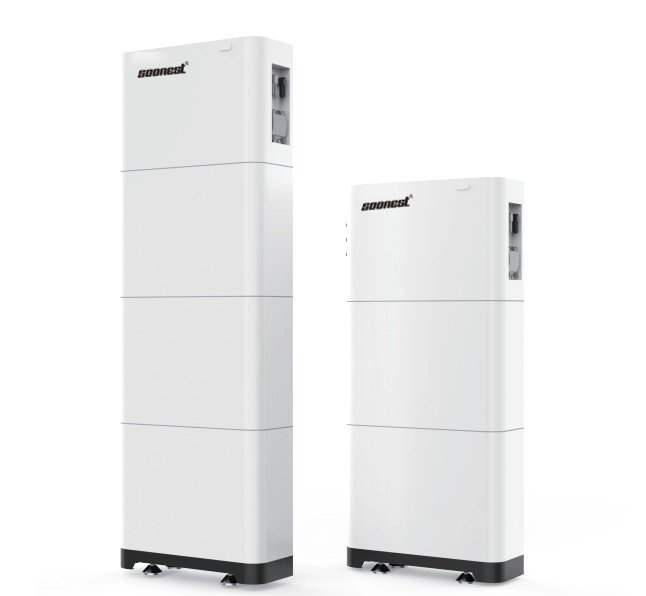
Os pacotes de bateria de ións de lítio 48V/51.2V da Energia mais cedo em tamanhos de 5kWh a 30kWh alvo necessidades de armazenamento solar doméstico, fornecendo capacidade flexível e desempenho confiável para uso rotineiro.
Características da Bateria de Gelo de Ciclo Profundo
As baterias GEL mantêm seu apelo graças a preços iniciais modestos e processos de carga simples. Elas realizam adequadamente em sistemas compactos com descargas diárias infrequentes.
Isto significa que sua profundidade limitada de descarga e reduzida resistência ao ciclo levam a maiores custos por kWh ao longo do tempo. Assim, as baterias GEL são melhores que tarefas regulares de transfer ência de energia.
As baterias GEL de 12V 100Ah–250Ah Deep Cycle GEL da mais cedo servem aquelas que requerem armazenamento confiável sem precisar de modificações complexas do sistema.
Comparações de Bateria Solar LiFePO4
LiFePO ₄ as baterias preenchem o espaço entre acessível e capacidade. Quando confrontados com alternativas de ácido de chumbo, eles fornecem capacidade mais prática e serviço mais longo sem exigir muito cuidado.
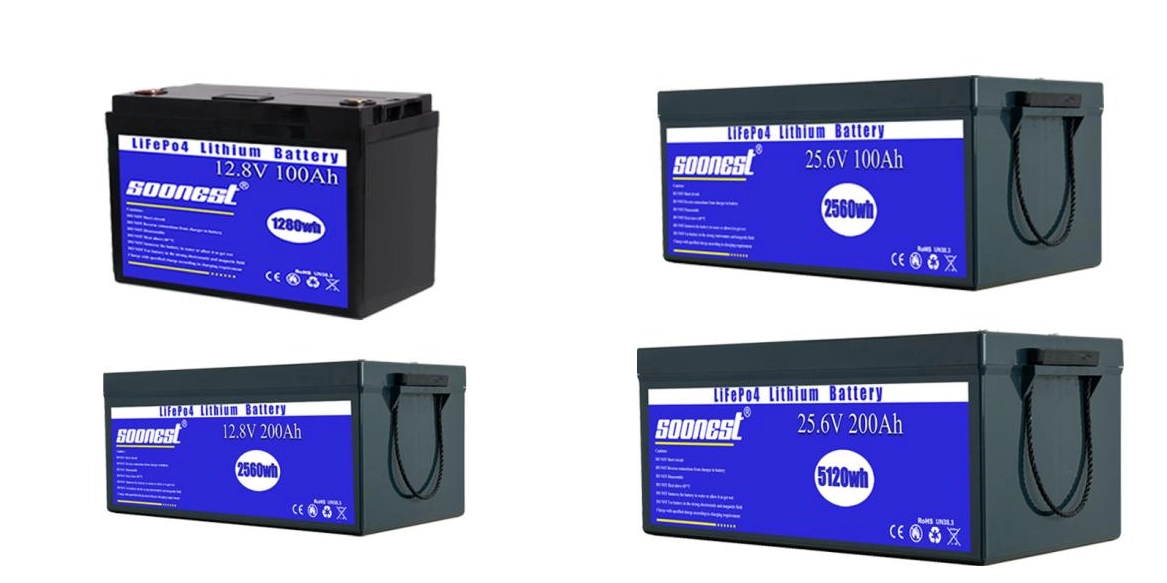
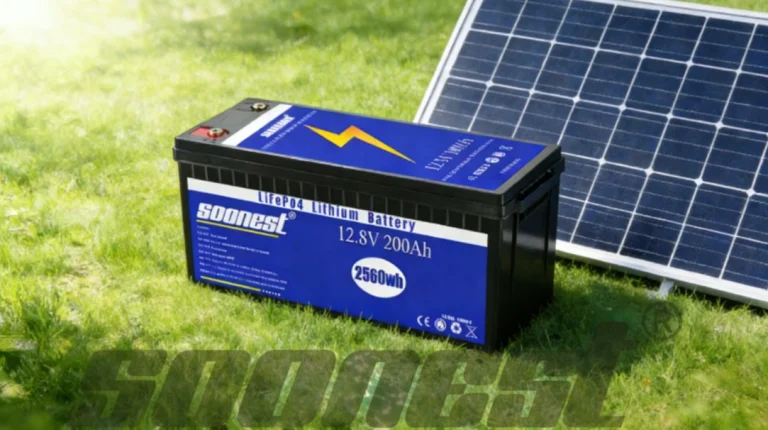
A mais cedo Power's 12.8V / 25.6V LiFePO ₄ As Batérias Solares frequentemente servem como substitutos diretos para arrays de ácido-chumbo, mantendo a mesma tensão ao mesmo tempo que cortam as despesas de atualização e aumentam a ROI.
Tabela 1: Comparação típica do desempenho da bateria (Datos da Indústria)
| Tipo de Bateria | Ciclo Life (80% DoD) | Eficiência | Duração de vida típica |
|---|---|---|---|
| GEL / AGM | 600 a 1.200 ciclos | 80-85% | 3-5 anos |
| LiFePO ₄ | 4.000-6.000 ciclos | 95-98% | 10-15 anos |
Quanto você pode realmente poupar com baterias solares?
As poupanças potenciais diferem de acordo com hábitos de consumo, taxas de energia local e escala de configuração. No entanto, exemplos práticos oferecem uma gama sólida de estimativas.
poupanças baseadas no uso diário
Para uma casa que tira 10 kWh de energia solar economizada todos os dias, ela pode substituir 3.650 kWh por ano. Dada uma taxa média de $0,25 por kWh, isso se traduz em $912 por ano em custos de rede evitados.
Quando estirada mais de uma década, tais poupanças excedem $9.000, o que frequentemente supera a bateria’ o preço de avanço.
poupanças baseadas na redução do pico da demanda
Em áreas que utilizam preços baseados no tempo, a energia de pico-tempo pode correr 2-3 vezes maior do que o pico-off. Portanto, baterias que liberam energia durante esses períodos de alto custo produzem ROI superior, mesmo em tamanhos menores.
poupanças a longo prazo com baterias de alta capacidade
Baterias maiores cortadas na operação do gerador em configurações remotas. O combustível para geradores de diesel geralmente funciona entre 0,30 e 0,60 dólares por kWh, excluindo as taxas de manutenção. Mudando para armazenamento de bateria por essas horas, muitas vezes recupera o investimento em apenas alguns anos.
Tabela 2: Costo estimado por vida kWh (intervalos típicos)
| Tipo de Bateria | Preço médio/kWh | Output kWh de vida | Custo por hora de vida kWh |
|---|---|---|---|
| Bateria GEL | 150 a 200 dólares | ~ 1.200 kWh | $0,13 - $0,17 |
| LiFePO ₄ | 250 a 350 dólares | ~ 5.000 kWh | $0,05 - $0,07 |
Qual a Bateria mais cedo fornece o melhor ROI?
Os usuários enfrentam vários alvos de ROI, então Soonest Power fornece escolhas de bateria adaptadas a cada situação, em vez de empurrar uma abordagem única.
SOONEST Lithium Ion Battery Pack ROI Evaluation
O 48V / 51,2V Lithium Ion Battery Pack (5kWh–30kWh) objetivos alargados de armazenamento de energia doméstica, com eficiência sólida, duração prolongada do ciclo, e uma construção flexível que minimiza os custos totais ao longo do tempo.
Em sistemas envolvendo descargas diárias, essa escolha produz o custo de vida mais baixo por kWh, então se encaixa bem para instalações solares conectadas que enfatizam o autouso ou suporte de emergência.
SOONEST Deep Cycle AMG/GEL Solar Battery ROI Evaluation
A Bateria GEL de 12V Deep Cycle apela a aqueles com or çamentos restritos ou sistemas focados exclusivamente em reservas. Apesar de sua ROI a longo prazo ficar atrasada, o custo de entrada permanece razoável. Além disso, funciona efetivamente em configurações modestas como abrigos remotos, veículos móveis ou copias de segurança de comunicação onde as descargas ocorrem raramente.
SOONEST Deep Cycle Solar LiFePO4 Battery ROI Evaluation
O 12,8V / 25,6V LiFePO ₄ A Bateria Solar apresenta um equilíbrio ROI bem arredondado, enquanto troca por unidades de ácido-chumbo ao mesmo tempo que oferece uma longevidade muito maior. Para esses sistemas refrescantes obsoletos, essa bateria tipicamente recupera seu custo em 3-5 anos, tudo sem esforços substanciais de reforma.
Conselhos para maximizar suas poupanças de bateria solar
A melhor bateria ainda precisa de uma configuração adequada para gerar ROI sólida.
Escolha a capacidade direita para sua carga
Baterias que são grandes demais aumentam as despesas e atrasam a recuperação. Por outro lado, essas pequenas demais ignoram os ganhos potenciais. Analisar necessidades de poder permanece crucial.
Considerem a vida e a garantia
Uma garantia alargada geralmente aponta para construção de células superiores, e salvaguarda o investimento por anos, particularmente em instalações com descargas regulares.
Par com Inverter Solar Efficiente e Monitorizar
O rastreamento efetivo permite aos usuários ajustar comportamentos e evitar espaço de armazenamento não utilizado, de modo que ajustes menores podem acelerar significativamente a recusa.
Conclusão: Você está recebendo o melhor retorno de investimento?
A bateria solar ROI não é centrada em escolher a escolha menos cara, mas em alinhar o tipo de bateria com necessidades práticas e valor duradouro.
A gama de baterias de lítio e ciclo profundo da Power mais cedo permite aos usuários selecionar de menor custo avançado, melhorias equilibradas ou poupanças máximas a longo prazo. Uma vez que fatores como resistência ao ciclo, níveis de eficiência e taxas de eletricidade prevalentes entram na equação, opções de lítio geralmente proporcionam os retornos mais robustos ao longo dos anos. Em muitos casos, as verdadeiras vantagens financeiras começam após a configuração e persistem constantemente por um longo tempo.
FAQ
Q1: Quanto tempo costuma uma bateria solar pagar por si mesma?
A: A maioria das baterias solares de lítio atinge retalho em 4-7 anos, variando com custos de energia e consumo de rotina.
Q2: É a LiFePO ₄ sempre melhor que baterias GEL?
A: LiFePO ₄ fornece um valor duradouro mais forte, porém as baterias GEL permanecem adequadas para configurações com ciclos mínimos ou propósitos de reserva única.
Q3: Podem sistemas de ácido de chumbo existentes ser modernizados facilmente para lítio?
A: Sim. Unidades como o 12,8V LiFePO de Soonest ₄ modelos funcionam como substituições simples para grupos de ácido-chumbo.



 Portuguese
  English
  Russian
  German
  French
  Spanish
  Arabic