
As solar setups shift from optional extras to vital home necessities, batteries emerge as the key choice. Panels produce electricity in daylight hours, yet batteries control how that energy gets saved, applied, and safeguarded after dark. Moving toward 2026, shoppers no longer just wonder about basic solar battery expenses. Instead, they focus on how costs align with enduring reliability.
This piece examines sun battery costs against actual operation in 2026, drawing on market facts and straightforward contrasts. Throughout, Soonest battery options appear as solid instances of current designs that blend expense, durability, and everyday practicality.
How Will Sun Battery Prices Change in 2026?
Solar battery costs have long tracked tech advances, material availability, and rising needs. By 2026, these elements still influence the field, but with greater steadiness compared to earlier times.
Prior to reviewing particular items, it pays to grasp the factors driving those figures.
Lithium Battery Cost Stabilization
In recent years, lithium battery expenses plunged as global output expanded. BloombergNEF reports that average lithium-ion pack costs dropped from more than USD 1,200 per kWh in 2010 to about USD 139 per kWh in 2023. For fixed energy storage, rates should level off rather than fluctuate sharply.
LiFePO4 type, especially, avoids risks from cobalt and nickel cost surges, so it offers steadier pricing for folks setting up systems in 2026.
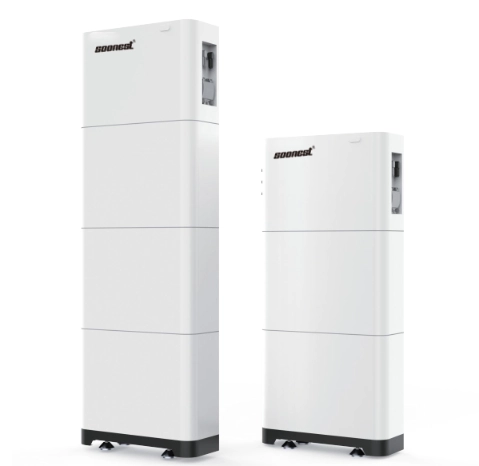
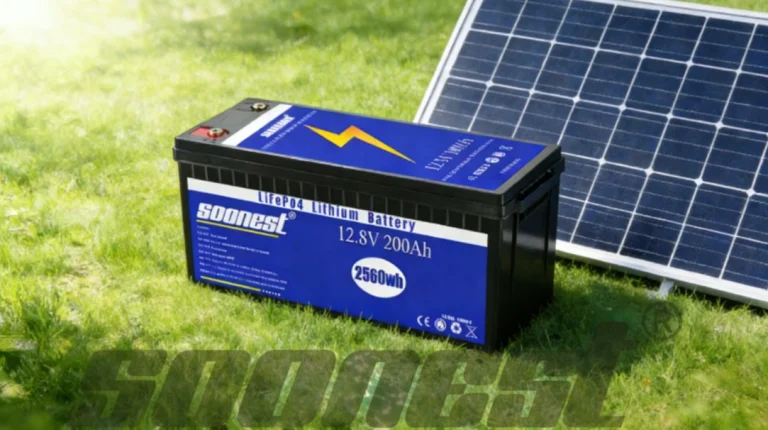
Soonest aligns with this pattern through its 48V / 51.2V Lithium Ion Battery Pack, offered in sizes from 5kWh up to 30kWh. These units fit standard inverter levels, which simplifies setup and skips added equipment expenses down the line.
Lead-Acid Price Pressure From Lithium
AGM and GEL types draw interest due to their cheaper starting prices. However, the divide between lead-acid and lithium keeps shrinking.
With lithium output increasing, lead-acid faces squeezes from lead material costs, eco rules, and briefer expected lifespans. This doesn’t signal lead-acid’s end, but it suits tighter budgets or light-use setups more than extended home storage.
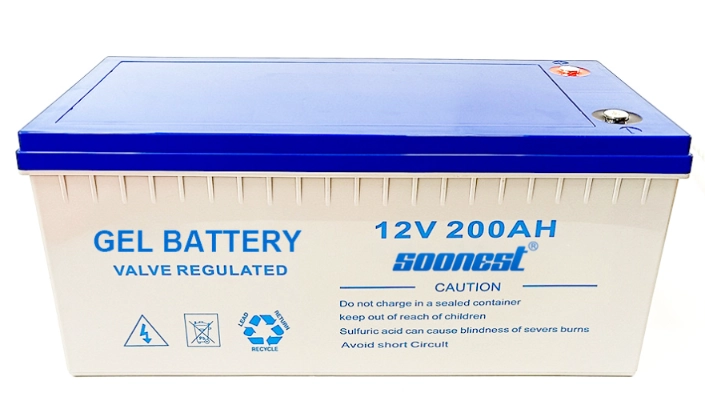
Soonest keeps a complete lineup of 12V AGM and GEL solar batteries, providing dependable quality for jobs where upfront spending outweighs peak longevity.
Capacity-Based Pricing Becoming Standard
A clear change shows in pricing methods. Buyers move away from “cost per piece” toward price per usable kWh.
For residential energy holding, the ideal range in 2026 sits between 10kWh and 30kWh, based on family size and power reserve demands. Flexible setups, such as Soonest’s lithium packs, let users add capacity without overhauling everything, which cuts long-run costs even if the first buy seems a bit pricier.
Which Battery Technology Delivers the Best Performance in 2026?
Cost by itself misses the bigger picture. Daily operation—how a battery handles routine tasks—decides if a setup runs smoothly or causes headaches. For even comparisons, certain metrics outweigh hype terms.
LiFePO4 Cycle Life and Efficiency
LiFePO4 units see broad use in today’s solar holding for solid reasons. Common cycle counts span 4,000 to over 6,000 cycles at 80% depth of discharge, equating to 10–15 years of regular home service.
Round-trip efficiency stands out too, with lithium often hitting round-trip efficiency above 95%, so minimal power wastes during charge and release.
Soonest lithium packs employ LiFePO4 cells plus built-in BMS safeguards, ensuring steady voltage amid shifting demands, which proves useful in homes with appliances cycling on and off all day.
Deep Cycle Lead-Acid Reliability
Lead-acid tech isn’t fresh, yet dependability remains a strong suit. AGM and GEL types work reliably in consistent, foreseeable tasks and handle basic charge methods well.
Still, their cycle life lags far behind, typically 500 to 1,200 cycles based on discharge level and upkeep. Efficiency drops more at fast release speeds.
Soonest AGM/GEL units commonly serve small solar arrays, telecom reserves, and remote power needs where funds run short and daily cycles stay low.
Performance Degradation Over Time
Capacity fade gets ignored at buying time. Lithium holds steady with gradual loss, keeping most power for years. Lead-acid, however, often displays clear drops early on if drained deeply, and this gap hits actual energy output, beyond label claims.
What Is the True Cost Per kWh Over Battery Lifetime?
Real worth comes from balancing initial outlay with endurance, output rates, and swap intervals.
Table 1: Lifetime Cost Comparison by Battery Type (Typical Industry Data)
| Battery Type | Typical Cycle Life | Usable DoD | Lifetime Energy (kWh per kWh installed) |
|---|---|---|---|
| LiFePO4 | 4,000–6,000 | 80–90% | 3,200–5,400 |
| AGM | 500–800 | 50% | 250–400 |
| GEL | 800–1,200 | 50–60% | 400–720 |
Such data highlights why lithium units frequently yield cheaper cost per output kWh across their full run, despite steeper entry fees.
Upfront Cost vs. Total Ownership Cost
A lithium unit might demand more cash at the outset, but it typically dodges one or two complete swaps over a decade. Lead-acid arrays demand earlier refreshes, piling on work and outage expenses that seldom appear in initial quotes.
Soonest lithium setups aim for lasting value, featuring add-on modules that trim redesign bills later.
Maintenance and Replacement Frequency
Lithium requires little upkeep. It skips fluid tests, balance charges, and vent needs in usual home installs. AGM and GEL still call for routine checks, particularly in warm spots, and this builds extra work over seasons.
Energy Utilization Efficiency
Output rates shape everyday results. Better rates ensure more captured sun power gets applied, rather than turning to warmth.
Which Soonest Battery Fits Different Solar Applications Best?
Every task doesn’t demand identical battery kinds. The intended use counts as heavily as the core makeup.
Home Solar Energy Storage Systems
In grid-connected houses seeking reserves or self-use targets, 48V / 51.2V lithium battery packs serve as the go-to pick in 2026.
Soonest provides 5kWh to 30kWh configurations, easing matches to family power habits, and these link smoothly with popular hybrid and remote inverters.
Off-Grid and Backup Power Systems
For remote huts, countryside dwellings, or portable power needs, 12V and 24V deep cycle LiFePO4 batteries often take precedence. Soonest’s Deep Cycle Solar LiFePO4 Battery series offers a straightforward shift from lead-acid without big alterations.
Budget-Sensitive Solar Installations
Where starting costs dominate, AGM and GEL hold ground. Soonest AGM/GEL batteries yield firm results in reserve-only arrays or sparse-cycle solar jobs, giving a sensible start without dropping core standards.
How Should Buyers Balance Price and Performance in 2026?
Picking the proper battery in 2026 involves less hunt for rock-bottom rates and more alignment with true demands.
Matching Battery Type to Usage Pattern
Routine daily draws benefit lithium. Rare reserves might warrant AGM or GEL. The split sharpens after initial seasons of operation.
Planning for Future System Expansion
Scalable arrays curb later issues. Soonest lithium packs allow side-by-side links, supporting growth as power calls rise.
Choosing Proven Manufacturers and Certifications
Unit quality hinges on cell origins, BMS builds, and steady making. Soonest stresses uniform production and global-ready approvals, key for ongoing trust and aid.
FAQ
Q1: Are lithium solar batteries really worth the higher price in 2026?
A: Yes, in typical daily solar setups, since lithium brings down overall costs through extended runs, better output, and low upkeep needs.
Q2: Can lead-acid batteries still be used with modern solar inverters?
A: Yes, as many inverters handle AGM and GEL, provided charge parameters adjust properly to prevent quick wear.
Q3: How much battery capacity does a typical home need?
A: Average homes range from 10kWh to 30kWh, varying by consumption levels, reserve time, and inclusion of cooling or warming loads.



 English
  Russian
  German
  French
  Spanish
  Portuguese
  Arabic