
The cost of a sun battery often sparks a straightforward question: why do two units with identical capacity carry such distinct prices? For solar suppliers, installers, and project purchasers, the figure on the quotation seldom reveals the complete picture. Factors like battery type, durability, system voltage, and ongoing efficiency all influence the true value of that cost.
In the current solar industry, customers no longer simply weigh initial expenses. Instead, they evaluate practical energy output, replacement intervals, security, and how effectively a battery integrates into actual setups. This piece examines the elements behind sun battery costs and the benefits buyers receive in exchange, drawing on Soonest Power’s lithium and GEL battery ranges as clear examples.
Why Do Sun Battery Prices Vary So Much?
On the surface, a solar battery seems like a basic item. However, in truth, costs mirror various technical aspects that impact the unit’s operation over the years.
Prior to reviewing particular items, it proves useful to grasp the primary elements that cause price variations throughout the sector.
Battery Chemistry and Core Materials
Battery composition stands as the initial and most significant cost factor. Lithium iron phosphate (LiFePO4), standard lithium-ion, AGM, and GEL units employ quite different basic materials and manufacturing methods.
LiFePO4 units depend on reliable phosphate makeup, which provides extended cycle duration and better heat stability. Meanwhile, AGM and GEL units utilize lead-based elements and fluids, which cut material expenses but restrict longevity and practical discharge depth.
This divide in composition clarifies why lithium units generally demand higher starting prices, yet they yield greater practical energy across extended periods.
Capacity, Voltage, and System Scalability
Battery costs also stem from voltage ratings and overall setup design. For instance, a 12V unit intended for minor off-grid applications differs greatly from a 48V or 51.2V unit crafted for household energy reserves.
Units with elevated voltage lessen electrical flow, boost inverter performance, and enable modular growth. Consequently, this extra adaptability in systems contributes to the overall price.
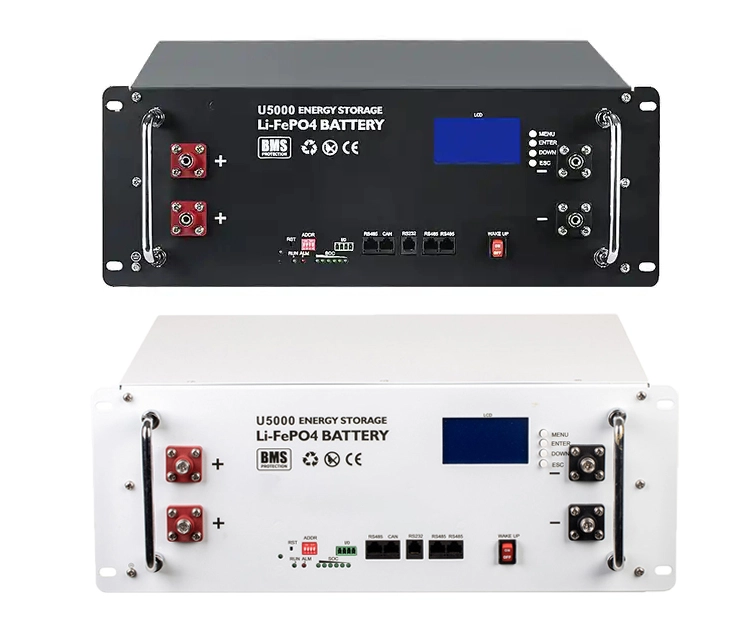
Soonest Power’s lithium battery collection, spanning 48V and 51.2V setups from 5kWh to 30kWh, embodies this broader system worth, beyond mere individual battery storage.
Manufacturing Quality and Cycle Life
Two units bearing the same stated capacity might function quite differently following two or three years in service. Elements such as cell uniformity, inner resistance, and production oversight all shape actual results.
Superior cells and stricter assembly guidelines raise expenses, but they likewise prolong operational time and lower breakdown risks. As a result, over the long haul, these distinctions appear in upkeep costs and how often replacements occur.
What Are You Really Paying For in a Lithium Solar Battery?
Lithium units bear a steeper starting price, but their expense makeup links directly to sustained output rather than immediate economies.
Grasping the components within that price aids in seeing why lithium has emerged as the favored option for numerous contemporary solar arrangements.
High Energy Density and Longer Lifespan
Lithium units hold more power within a compact space and allow deeper draining without harm. Typically, most LiFePO4 units function safely at 80–90% depth of discharge, whereas lead-acid setups generally cap at around 50%.
Soonest’s 48V/51.2V LiFePO4 home energy storage batteries, offered from 5kWh up to 30kWh, suit daily cycling in home and modest business systems. In the end, this greater practical storage cuts down on the quantity of units required for equivalent results.
Advanced BMS and Safety Protection
A key portion of lithium battery costs arises from the battery management system. This BMS manages tasks like voltage equalization, heat regulation, overcharge safeguards, and error detection.
Although this element raises the price, it likewise enhances security and shields the unit from premature wear. In everyday scenarios, BMS caliber influences warranty dependability and setup steadiness.
Lower Long-Term Cost per Cycle
Although lithium units demand more at the outset, their extended cycle span distributes that expense over far more charging-draining sequences.
The chart below presents a realistic industry comparison drawn from producer details and IEC testing norms.
| Battery Type | Typical Cycle Life (80% DoD) | Usable DoD | Estimated Lifetime (Daily Use) |
|---|---|---|---|
| LiFePO4 | 4,000–6,000 cycles | 80–90% | 10–15 years |
| AGM | 600–800 cycles | ~50% | 2–4 years |
| GEL | 800–1,200 cycles | ~50% | 3–5 years |
Such contrasts demonstrate why lithium units frequently provide reduced expense per kilowatt-hour throughout the entire system duration, despite the higher starting tag.
Are GEL and AGM Solar Batteries Still Cost-Effective?
Even with lithium’s expansion, GEL and AGM units continue to serve in various solar endeavors. Their worth hinges on project scale, usage patterns, and financial plans. Thus, recognizing their proper roles assists buyers in steering clear of mismatched specifications.
Lower Upfront Cost for Small Systems
GEL and AGM units present a definite edge in beginning costs. In cases like compact off-grid arrangements, reserve lighting, or simple power holding, a smaller initial outlay can outweigh long-range cycling gains.
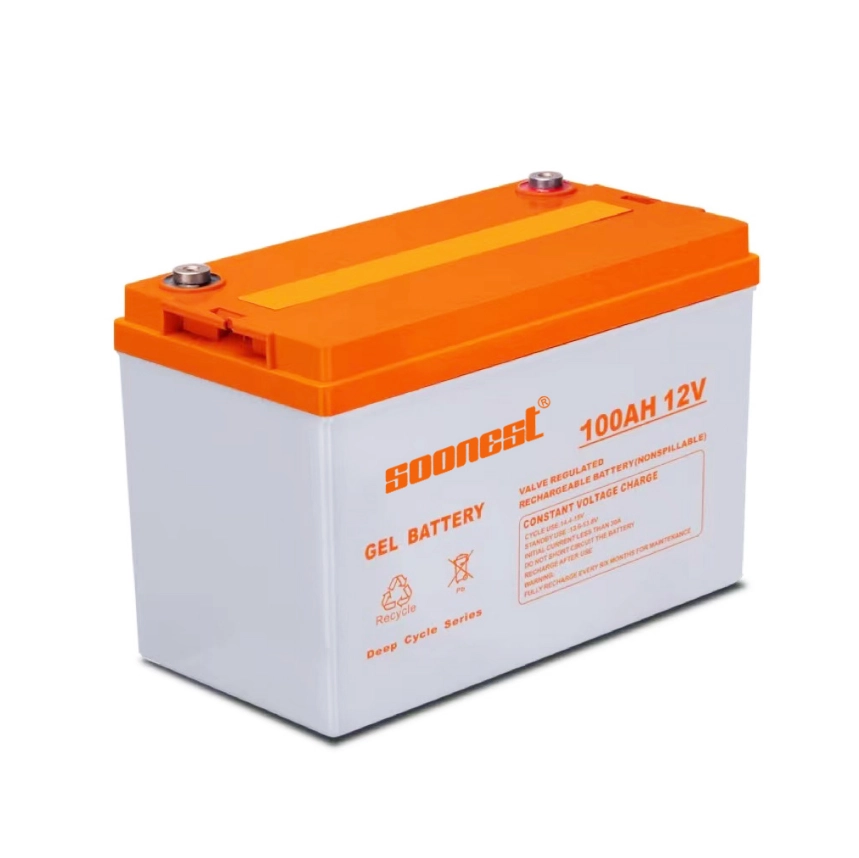
Soonest’s 12V AGM and GEL solar batteries, spanning 100Ah to 250Ah, find common use in cost-conscious or infrequent-cycle scenarios.
Stable Performance in Off-Grid Scenarios
GEL units handle elevated temperatures and erratic grid conditions effectively. Their enclosed structure minimizes upkeep needs, rendering them fitting for distant placements where expert aid remains scarce. For setups involving sporadic draining instead of everyday cycles, GEL units can serve as a sensible pick.
Simple Maintenance and Proven Reliability
AGM and GEL methods have served for many years. Their foreseeable actions and basic charging demands render them straightforward to blend into current setups.
The chart below underscores real-world performance differences between lithium and GEL units in standard solar applications.
| Feature | LiFePO4 Battery | GEL Battery |
|---|---|---|
| Depth of Discharge | 80–90% | ~50% |
| Maintenance | None | Minimal |
| Weight per kWh | Low | High |
| Replacement Frequency | Low | Higher |
How Do 12V and 24V LiFePO4 Batteries Compare on Price?
Not all solar setups require a complete 48V reserve array. Smaller lithium units bridge a vital space between movable power sources and extensive home reserves.
Cost gaps between 12V and 24V lithium units typically arise from setup efficiency, not just basic storage.
Balance Between Cost and Performance
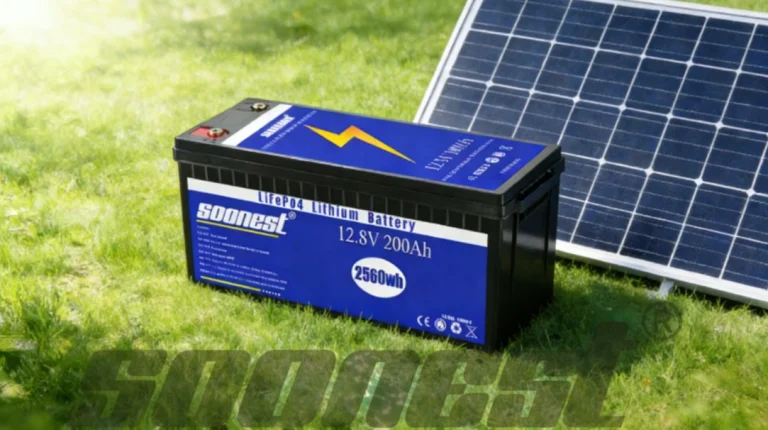
Soonest’s 12.8V and 25.6V LiFePO4 deep-cycle batteries offer a versatile choice for modest solar setups. Although 24V units exceed 12V ones in price, they diminish current passage and elevate inverter output.
As such, this setup frequently results in reduced wiring losses and easier overall cabling.
Lightweight Design and Fast Charging
Lithium units carry far less weight than their lead-acid counterparts. Moreover, quicker recharging permits superior utilization of scarce solar periods, particularly in traveling or temporary placements.
Ideal Choice for RV, Home Backup, and Small Solar Kits
In RV setups, reserve power needs, and tight off-grid configurations, these lithium units strike a harmony among expense, output, and endurance that conventional units find hard to rival.
Which Sun Battery Offers the Best Value for Your Application?
No lone sun battery qualifies as the ultimate pick. Rather, worth arises from usage methods and anticipated runtime. Therefore, aligning battery kind with the task prevents squandered funds and output shortfalls.
Home Energy Storage Systems
For home reserves involving daily cycles, 48V/51.2V LiFePO4 battery packs yield the most solid enduring worth. Their superior efficiency, prolonged endurance, and expandable storage render them apt for grid-connected and mixed solar setups.
Off-Grid and Backup Power Solutions
In reserve systems with restricted cycles, GEL or AGM units may suffice at lesser starting costs. Furthermore, in isolated or warm settings, GEL units persist as dependable selections.
Commercial and Long-Term Solar Projects
Ventures planned for ongoing runs gain the most from lithium arrangements. Fewer replacement needs and minimal upkeep directly convert to steady running expenses over time.
Conclusion
Sun battery costs extend beyond the invoice amount. They encompass composition, setup structure, security elements, and the unit’s endurance in actual service.
Soonest Power’s battery lineup includes lithium and GEL options to suit diverse project demands. Spanning small 12V lithium units to large 51.2V home energy storage systems, the emphasis stays on reliable output and lasting worth, not merely the listed price.
Such insight into expenditures aids buyers in selecting units that yield steady gains well beyond setup.
FAQ
Q1: Why do lithium solar batteries cost more upfront than GEL batteries?
A: Lithium units employ cutting-edge materials, durable cells, and built-in BMS setups. These aspects hike the starting cost, but they markedly prolong practical lifespan and cut replacement occurrences.
Q2: Are GEL batteries still suitable for modern solar systems?
A: Yes, particularly for modest or reserve systems with sparse cycling. GEL units stay economical where everyday deep draining proves unnecessary.
Q3: How long does a LiFePO4 solar battery typically last?
A: With routine daily cycling, LiFePO4 units ordinarily endure 10 to 15 years, based on discharge depth and environmental factors.



 English
  Russian
  German
  French
  Spanish
  Portuguese
  Arabic