
Harsh winter areas still pose major challenges for solar power storage. Extended cold seasons, limited sunlight periods, and subzero conditions all add significant strain on battery output. By 2026, interest in solar batteries that perform well in low temperatures with minimal energy reduction is rising quickly, particularly across parts of North America, northern parts of Europe, and elevated locations.
From the various choices out there, LiFePO4 solar batteries keep proving themselves through their reliability, security features, and ability to handle chilly weather. Soonest Power has established a solid reputation as a dependable provider in this field, delivering battery options that suit both home and remote setups in frosty surroundings.
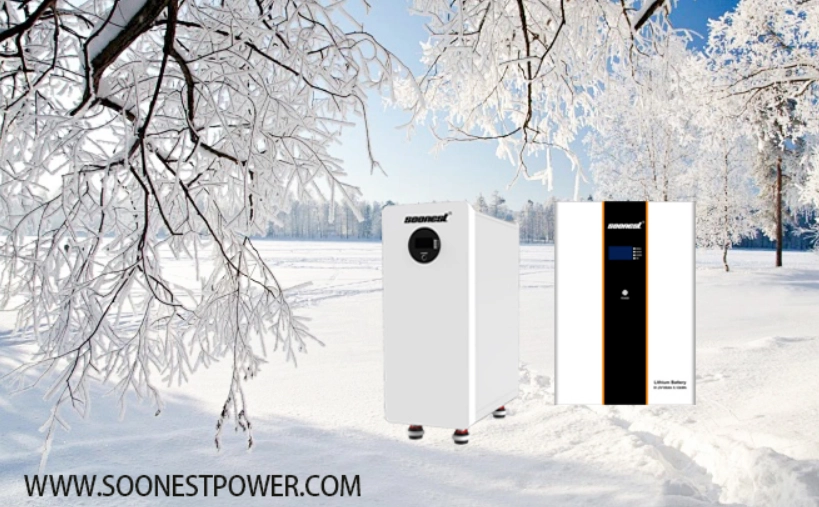
What Are The Best Solar Batteries For Extremely Cold Weather?
Picking a solar battery for chilly areas goes beyond just looking at storage size. The underlying chemistry, electrical setup, and steady power release are equally important. When temperatures fall, the internal reactions in batteries slow down, and this can cut down on available power if the design isn’t right for such conditions.
That’s why lithium iron phosphate technology comes into play here. Unlike older lead-acid types, LiFePO4 batteries hold onto better performance levels and last longer through many uses, even as the mercury drops under zero degrees.
Top-Rated LiFePO4 Battery Packs For Home Solar Storage
In home energy setups within frosty zones, batteries with elevated voltage levels provide superior effectiveness and overall steadiness. The SOONEST Lithium Ion Battery Pack 48V / 51.2V, offered in sizes from 5kWh to 30kWh, fits well with current household solar arrangements that require dependable support during winter outages.
These packs combine LiFePO4 cells with a dependable management system for batteries, which regulates how charging and releasing energy happens in cooler settings. In places where dark winter evenings stretch from 12 to 16 hours, bigger options like 15kWh or 20kWh deliver practical reserve power, and this avoids pushing the batteries too hard during discharge.
Best Deep Cycle LiFePO4 Batteries For 12V/24V Systems
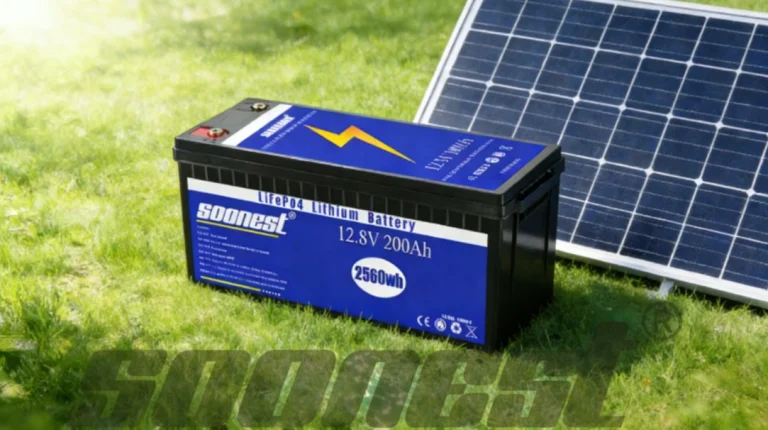
Remote cabins without grid access, mobile RV solar configurations, and modest business operations frequently use 12V or 24V setups. For those needs, Soonest provides Deep Cycle Solar LiFePO4 Batteries in 12.8V and 25.6V formats, with storage from 50Ah up to 250Ah.
The deep cycle structure ensures reliable power supply across extended winter usage periods. In contrast to lead-acid versions, these lithium units avoid sharp drops in voltage when under demand, and they do so reliably even in cooler air.
Affordable Yet Durable Solar Lithium Batteries For Harsh Winters
Budget remains a key factor, especially for setups needing several battery units. Soonest markets its lithium batteries as a smart mix of initial cost and ongoing benefits. When set against lead-acid arrangements that typically require swaps every couple of years in frosty spots, lithium choices lead to reduced total expenses over time, even though they start at a higher price point.
Why Do Cold Climates Need Specialized Solar Batteries?
Everyday solar batteries tend to wear out sooner in chilly regions because they lack the build for ongoing low-temperature charging and power draw. During winter, units might face both stored cold exposure and abrupt surges from heat sources or household devices, and this combination tests their limits.
Grasping the ways temperature influences battery makeup explains why performance varies so much between types.
Temperature Resilience And Lithium Chemistry Benefits
LiFePO4 makeup stands out for its strong heat resistance. Although every battery type sees some drop in output during cold spells, lithium iron phosphate units bounce back more swiftly when warmth returns, and they avoid lasting harm to their storage ability.
The table below outlines a comparison of usual battery types in cold settings, drawing from standard industry performance figures.
| Battery Type | Typical Operating Temperature | Capacity Loss at 0°C | Typical Cycle Life |
| Lead-Acid (Flooded) | -20°C to 50°C | 30–40% | 300–500 cycles |
| AGM Lead-Acid | -20°C to 50°C | 25–30% | 400–600 cycles |
| LiFePO4 | -20°C to 60°C | 10–15% | 3,000–6,000 cycles |
These figures come from commonly referenced producer details and real-world tests in home solar projects.
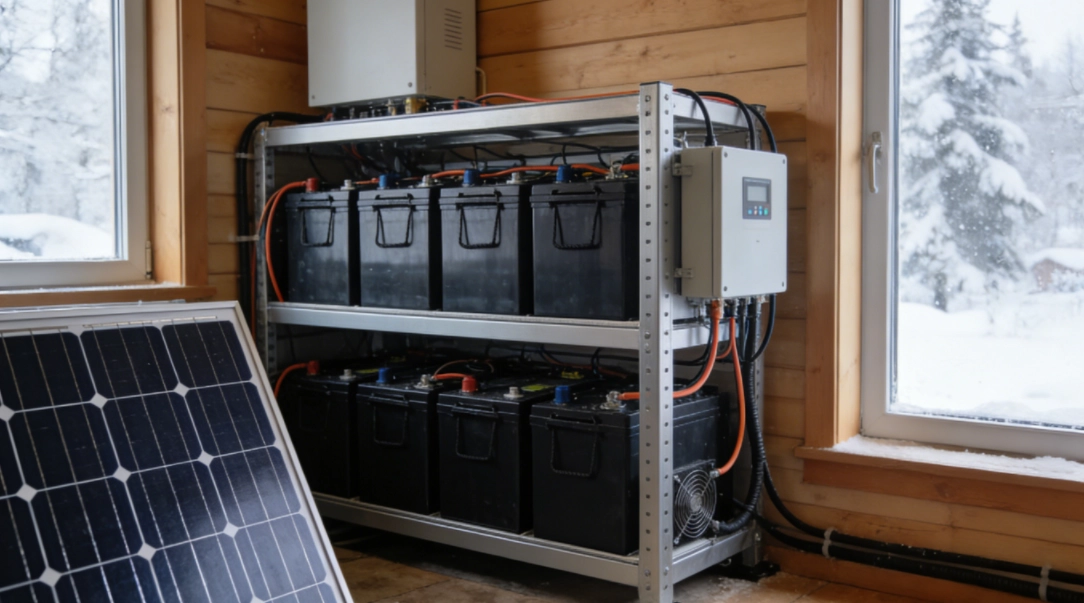
Enhanced Cycle Life In Freezing Conditions
Icy weather speeds up wear in lead-acid batteries through issues like sulfation and partial recharges. On the other hand, LiFePO4 batteries manage incomplete fills more effectively, which often happens on brief winter daylight hours.
Soonest lithium batteries build in support for extended use cycles, so they work well for all-season operation in cooler areas without needing regular swaps.
Efficiency And Energy Retention In Subzero Temperatures
Drops in efficiency cut into the amount of captured solar power that’s actually available for evening use. Better efficiency allows for smaller setups overall, which cuts down on expenses and makes planning easier for installs.
How Do Capacity And Voltage Impact Performance In Cold Regions?
Mistakes in battery sizing show up more clearly during winter months. A setup that runs smoothly in warmer seasons might falter in the cold if the storage or electrical level wasn’t planned with enough margin.
The total storage decides how long power holds out, whereas the voltage level influences how smoothly that power flows in the system.
Higher Capacity Packs For Longer Winter Backup
In frosty areas, power needs often climb because of extra heating, more lighting, and increased time spent indoors. Homeowners now often select packs over 10kWh to handle needs from night through early morning.
The SOONEST 48V / 51.2V Battery Pack allows for easy growth in size, so users can expand storage as their power requirements increase over time.
Correct Voltage Selection For Off-Grid And Hybrid Use
Systems with lower voltage stay common for portable and standalone applications, but those with higher voltage lead in home solar installs. Soonest supplies both kinds, which gives more options when designing setups.
Scalable Battery Solutions For Larger Power Demands
The ability to scale up counts a lot in chilly zones, where power use shifts with the seasons. Modular lithium batteries let people add more storage without overhauling the whole arrangement.
Which Soonest Solar Batteries Excel In Cold Climate Performance?
Soonest concentrates on lithium battery options that align with practical solar applications instead of just lab-based results. Every product series aims at specific real-life uses.
SOONEST Lithium Ion Battery Pack 48V/51.2V For Home Energy
This series works great for connected and mixed systems in cold spots. Its consistent voltage range boosts how well inverters operate, particularly when winter demands peak.
SOONEST Deep Cycle Solar LiFePO4 Battery 12.8V/25.6V (50–250Ah)
Built for standalone and reserve systems, these batteries handle prolonged power draws and steady delivery. Their toughness fits isolated cold areas where upkeep is hard to reach.
SOONEST Deep Cycle Solar LiFePO4 Battery 12.8V/25.6V (100–200Ah)
This range suits needs that balance storage with ease of movement, like RV solar in cold zones or temporary cabins used seasonally.
The table below reviews typical scenarios and suggested Soonest battery picks.
| Application | Typical System Voltage | Recommended Soonest Battery | Common Climate |
| Residential Home Storage | 48V / 51.2V | Lithium Ion Battery Pack 10–30kWh | Cold / Snowy |
| Off-Grid Cabin | 12V / 24V | Deep Cycle LiFePO4 100–200Ah | Cold / Remote |
| RV or Mobile Solar | 12V | Deep Cycle LiFePO4 50–150Ah | Cold / Seasonal |
What Installation Tips Maximize Cold Weather Solar Battery Life?
Just having good battery quality isn’t sufficient on its own. How you install and plan the system greatly affects results in winter.
Proper Insulation And Temperature Management
Keeping batteries in protected indoor spots with insulation cuts down on cold exposure. Even holding temperatures just above freezing boosts both output and durability.
Battery Sizing Based On Winter Load Requirements
Frosty conditions call for careful planning in size. Including extra storage margin helps prevent full drains, and this supports better health for batteries over the years.
Best Practices For Charging And Maintenance In Cold Climates
When recharging lithium batteries in subzero conditions, use suitable battery management systems to oversee the process. Soonest batteries include BMS safeguards that assist in managing recharge actions during low temperatures.
FAQ
Q1: Can LiFePO4 batteries be used safely in freezing temperatures?
A: Yes. LiFePO4 batteries can operate in cold environments, although charging below 0°C should be controlled. Built-in battery management systems help protect cells and maintain long-term performance.
Q2: How much capacity loss should be expected in winter?
A: Compared with lead-acid batteries, LiFePO4 batteries typically lose only 10–15% of usable capacity at 0°C, making them more reliable for winter solar systems.
Q3: Are higher-capacity batteries always better for cold climates?
A: Not always. The best choice depends on daily energy use and system design. Proper sizing based on winter load patterns delivers better results than simply choosing the largest battery available.



 English
  Russian
  German
  French
  Spanish
  Portuguese
  Arabic