What Is a Solar Inverter and Why It Matters
If you plan to put money into solar energy, one key part you must think about is the solar inverter. This gadget has a big job in turning solar power into something you can use at home or work. PV inverters are main tools that change the DC power from photovoltaic modules into AC power. Most home gadgets and the power grid run on AC, or alternating current. So, this switch is very important. Without an inverter, the power your solar panels catch would not match your everyday needs for electricity.
Besides just switching power, today’s inverters act like smart helpers for energy. They watch how the system works. They make energy output better. And they keep things safe with built-in guards. The inverter uses parts like an inverter bridge, control logic, and filter circuits. It turns high-voltage, high-current DC power into low-voltage, low-current AC power. This fits for home or factory use.
Key Functions of a Solar Inverter in a Solar Power System
The main job of a solar inverter is to turn direct current, or DC, from solar panels into alternating current, or AC. But its work does more than that simple change. A good inverter handles what loads need. It keeps voltage steady. And it makes sure your photovoltaic system runs at top speed.
PV inverters mainly turn the DC power from solar photovoltaic panels into AC power. You can use this for the power grid or for gadgets. They also match up with grid voltage when hooked to utility lines. Plus, they spot problems to stop harm in bad times. This happens during things like overloads or sudden power jumps.
On-Grid (Grid-Tied) Solar Inverters
How They Work with Utility Power
On-grid, or grid-tied, inverters are built to link right up with your local power company. A grid-connected solar inverter takes the direct current from solar panels and turns it into alternating current. Then it sends that power straight to the power grid. So, any extra electricity you make can go back into the grid. Often, this gives you credits through net metering.
These setups need a steady link to the utility. But when the utility grid goes down, the grid side acts like a short circuit. This puts the grid-connected inverter into overload. As a result, it shuts off to protect itself. That means they do not work for backup in blackouts. Unless you add battery storage, they just stop.
Advantages and Limitations
Grid-tied systems work well and save money if you have a solid tie to public power. They help cut your electric bills without big spending on batteries. But their main weak point is that they depend on the grid being there. They turn off during outages. You need special setups to change that.
Off-Grid Solar Inverters
Functionality in Remote or Standalone Systems
Off-grid inverters are made for full freedom from public power lines. An off-grid solar inverter changes the DC power from solar panels into AC power. It stays away from the power grid. And it gives power to loads on its own. People use these a lot in far-off spots where tying into the utility is not possible.
They usually come with battery storage. That way, extra energy gets saved for night or cloudy days.
Pros and Cons for Energy Independence
Off-grid systems give real freedom in energy use. They fit best if you live far from city lines or want total say over your power source. However, they cost a lot at first because of batteries and controls. You also need to watch your power use closely.
This type of inverter works well in far places where power is shaky or you can’t hook to the grid at all.
Hybrid Solar Inverters
Combining Grid-Tied and Off-Grid Features
Hybrid inverters mix parts from both on-grid and off-grid types. The hybrid solar inverter joins the jobs of a grid-connected inverter and an energy storage inverter. It can link to the grid. It can also save extra electricity in batteries. This lets power flow two ways. So, you can switch between ways to use it based on what’s around or what saves money.
They help a lot where power comes and goes but is there some of the time.
Battery Integration and Energy Management Capabilities
One big plus of hybrid systems is their smart ways to handle energy. These setups pick on their own if they pull from solar panels, batteries, or the grid. They do this by looking at what’s happening right now.
They aim to mix the good sides of old inverters with the easy changes from battery inverters. If you want strength in blackouts but still gain from net metering when it’s there, hybrids give top choice.
Normal (Non-Solar) Inverters
Basic Operation Without Solar Input
Old-style non-solar inverters often serve as backup in power cuts. They turn DC from stored batteries into AC you can use. But they do not touch solar panels. Their work is simple: they charge batteries from main power. Then they let out power when you need it.
Comparison with Solar-Compatible Models
Unlike solar ones, these do not make the most of green power input. They also do not handle many energy sources. They might cost less at the start. But they miss the long-run green perks or mix features you see in new hybrid types.
Choosing the Right Inverter for Your Needs
Factors to Consider When Selecting an Inverter Type
Pick the inverter that matches how much say you want in your energy. Also think about how steady your local grid is.
Energy Consumption Patterns
If your home uses most power in day hours when solar makes the most, a basic on-grid setup may do. But if you use power into the night, think about storage through hybrid ways. That keeps things going smooth.
Grid Availability and Reliability
Do blackouts happen often? Then an off-grid or hybrid model will keep power flowing without the main lines. It works even if the grid is not there.
If you need power that stays strong, or you want a setup that runs alone, go for a hybrid or off-grid solar inverter. For big solar power plants, pick a grid-connected solar inverter.
Budget and Long-Term Savings Goals
Off-grid setups need more money up front for batteries and watchers. But they cut out monthly power bills for good. Hybrid systems find a middle ground between saving cash and keeping things reliable. This is key where power costs go up and down with seasons.
Spotlight on SOONEST’s Advanced Hybrid Solution
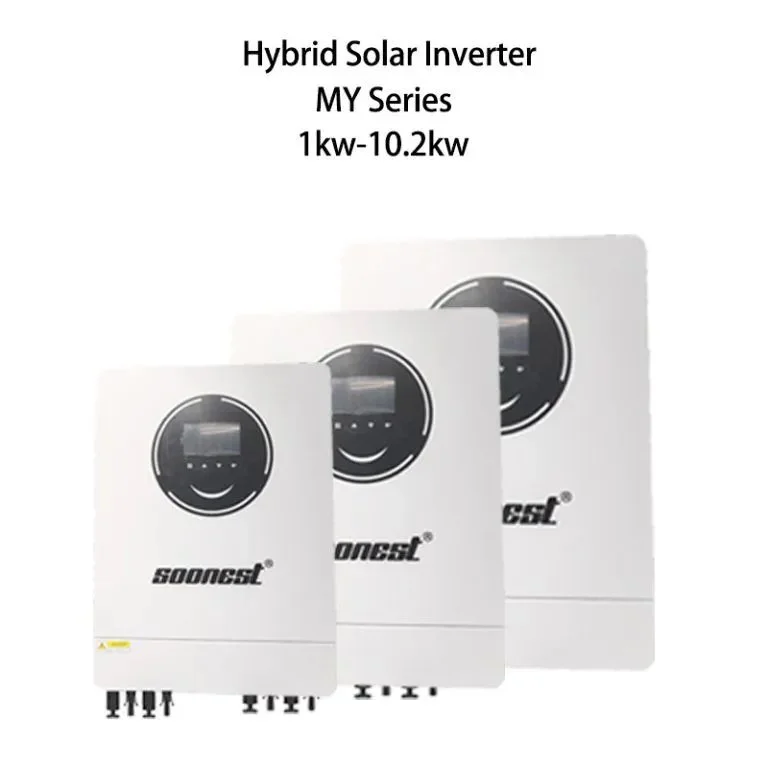
Want an all-in-one fix that fits easy into different spots? Check out the SOONEST MY Series Hybrid Inverter. It is built for change and strength. This single-phase hybrid unit handles sizes from 1kW to 10.2kW. It scales just right for home or small business use.
SOONEST focuses on green tech made for today’s life. With strong work in research and world checks, SOONEST gives more than items. It brings calm through new ideas in how things work. And it backs this with help teams around the globe that answer fast.
Advantages of the SOONEST MY Series Over Other Types
Flexibility Between On-Grid and Off-Grid Modes
The MY Series runs well if tied to public power or on its own. It switches ways by itself based on what’s open or what you set. This keeps work going even in cuts. At the same time, it saves the most when sun is plenty.
Enhanced Backup Support During Outages
With built-in battery help, this model makes sure service does not stop no matter what hits from outside. This is a big win if you live where cuts come often or you can’t guess them.
Efficient Power Conversion and Load Handling
It has smart MPPT ways inside along with watch tools that run now. This unit gets the best switch rates. It also deals with load shifts that change fast. So, it cuts waste. And it boosts what comes out in good shape.
Comparing Inverter Types with SOONEST MY Series as Benchmark
Performance Metrics Across Different Scenarios
When you stack it against old models, like on-grid only or plain non-solar ones, the MY Series wins in how long it stays up. This comes from its two-way work plus smart ways to handle loads.
As new energy tech grows and uses spread out, inverter ways keep getting better and sharper.
Scalability for Residential and Small Commercial Installations
From small houses that need just 1kW to bigger shops that want over 10kW, the build lets you add on easy. You do not have to swap the main part. That means you set it for what comes next.
Why Choose SOONEST for Your Solar Power Needs?
SOONEST shines not just in how good the products are. It also hears what the market says and what buyers tell. Each line shows care in build that looks at real problems. Like grids that do not stay put or costs that climb.
Their promise goes past selling. They give advice from pros to fit each system to your own use ways. And help after buy makes sure things run smooth over time. No shocks along the road.
Get Expert Help from SOONEST Today
No matter if you start new or make an old setup better, SOONEST gives talks one-on-one based on how you really use power. Not some plain plan. Want to see it work? Ask for item shows or tech cost lists on their site now. And find out why so many around the world count on them.
FAQ
Q: Can I use a hybrid inverter without batteries?
A: Yes. Hybrid inverters like SOONEST’s MY Series can run without batteries. They act as normal on-grid units then. But if you add batteries, you get all the features. This includes backup in power cuts.
Q: What size inverter do I need for my home?
A: It hinges on how much power you use each day and your top load need. A check by SOONEST pros can say if 3kW or 10kW fits your daily life best.
Q: Will my system still work if there’s no sunlight?
A: Yes, if you pair it with batteries. The SOONEST MY Series Hybrid Inverter supports this. So, your setup can pull from saved energy at night or on cloudy days.


 English
  Russian
  German
  French
  Spanish
  Portuguese
  Arabic