
Off-grid solar setups have grown a lot. What used to be just for tiny cabins now powers full-size homes and even small businesses. As these systems get bigger, the battery bank turns into the most important piece. A good lithium battery does more than keep the lights on when the sun hides – it keeps everything running smoothly. Today, most people pick LiFePO₄ batteries because they last many years, give steady power, and actually save money over time. Among all the brands out there, Soonest really stands out. They have more than 20 years of experience in the solar industry and offer a huge range of batteries that work great for houses, telecom towers, boats, RVs, and portable power.
Below is a full breakdown of which lithium batteries fit different off-grid needs and how Soonest products match those scenarios.
Why Lithium Batteries Matter for Off-Grid Solar Systems
When you live off the grid, the battery is the real heart of your system. It has to handle deep charging and discharging every single day without failing fast like old lead-acid batteries used to.
Higher Energy Density for Long-Term Storage
Lithium batteries pack way more power into the same size. A normal LiFePO₄ battery gives you 120–160 Wh/kg, while regular lead-acid ones only manage 30–50 Wh/kg. That difference is huge when you don’t have much space – think boats, vans, small cabins, or telecom stations in the middle of nowhere.
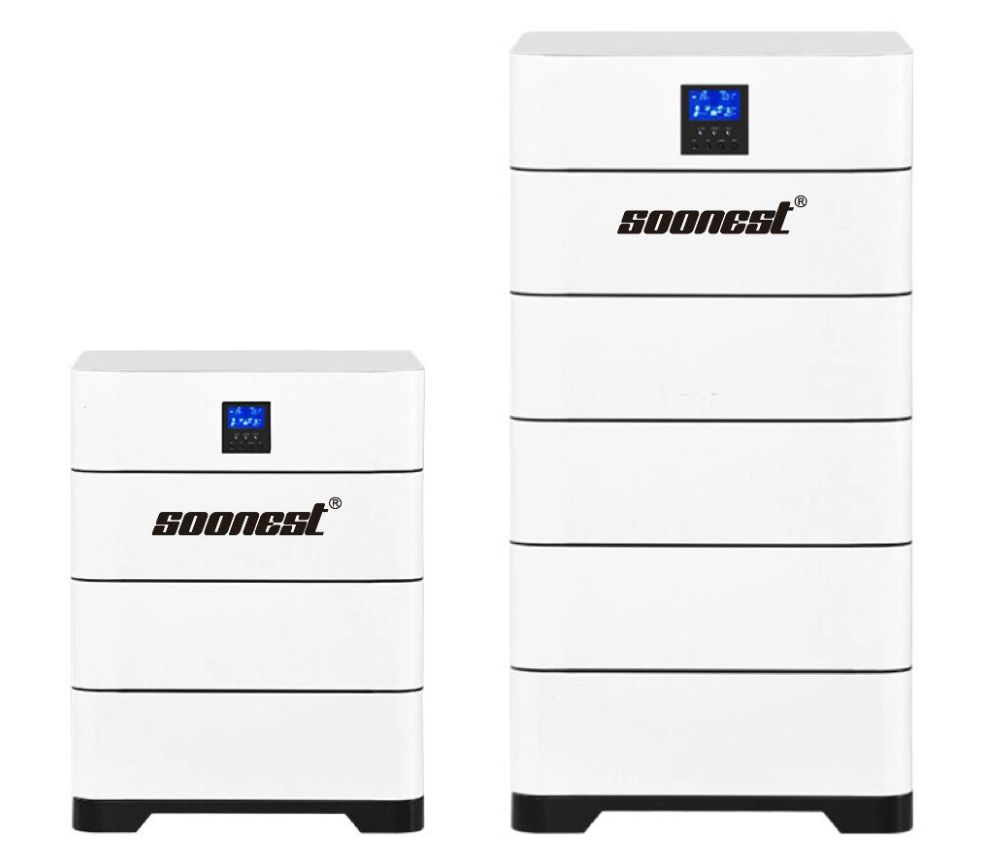
Soonest’s 48V/51.2V 100Ah–500Ah Lifepo4 Series can store up to 30 kWh in one single box. That’s enough for a small house to run several days on stored power alone.
Longer Cycle Life for Daily Deep Cycling
Off-grid life means you use the batteries hard every day. Good lithium batteries can handle 4000–6000 full cycles easily, while lead-acid ones usually die after 500–1200 cycles. Fewer replacements = much less money spent over the years.
Soonest builds their batteries with top-quality LiFePO₄ cells that stay strong for a very long time and don’t overheat easily.
Stable Performance in Harsh Off-Grid Conditions
Living off-grid often means hot summers, freezing winters, dust, and bumpy roads. LiFePO₄ batteries don’t freak out as much as other types when conditions get rough.
Every Soonest battery has a smart built-in BMS that watches temperature, stops over-current, and keeps all the cells balanced. That means no sudden shut-downs when the water pump and fridge kick on at the same time.
What Battery Voltage Levels Suit Different Off-Grid Setups
Not every house or vehicle needs the same voltage. Small systems are happy with 12.8V, but big homes love 48V because it wastes less power in the wires. Soonest makes batteries in all the popular voltages so you can choose what fits your setup.
48V/51.2V Lifepo4 Packs for Home and Small Commercial Systems
Most modern off-grid houses run on 48V. It keeps the current low, so you can use thinner cables and your inverter works happier.
Soonest’s 48V/51.2V 100Ah–500Ah Lifepo4 Batteries give you anything from 5 kWh to 30 kWh in one unit. They pair perfectly with big hybrid inverters and handle daily loads like air conditioners, well pumps, and refrigerators without breaking a sweat. A typical family home starts with 10–20 kWh and feels very comfortable.
12.8V Lifepo4 Batteries for RVs, Boats, and Small Loads
Campers, boat owners, and tiny cabins usually stick with 12-volt systems because most of their stuff is already 12V.
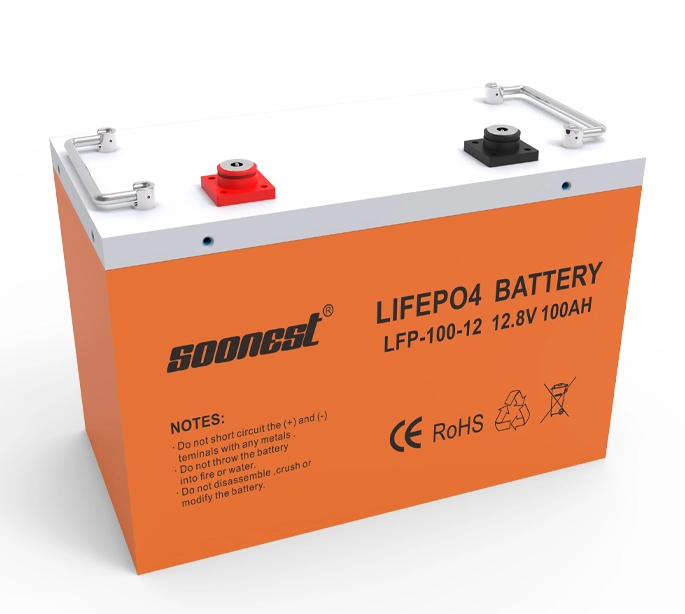
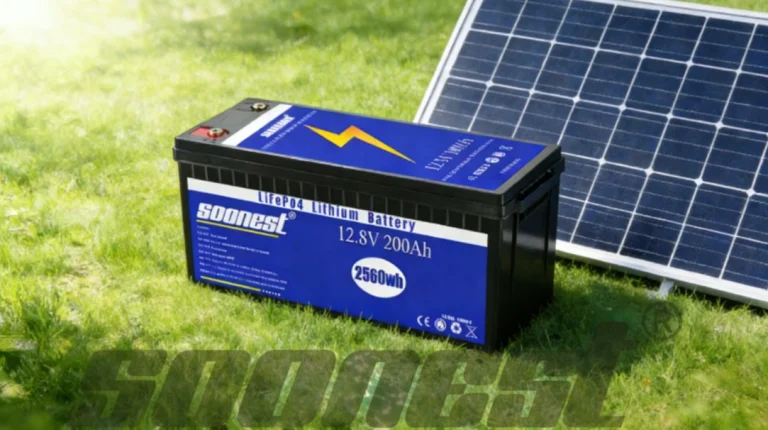
Soonest’s 12.8V 50Ah–250Ah LiFePO₄ Series is perfect for lights, 12V fridges, fish finders, or small solar generators. People love swapping out heavy lead-acid batteries for these because they weigh half as much and keep voltage steady even when almost empty.
25.6V Lifepo4 Batteries for Medium Off-Grid Devices and Hybrid Inverters
A 25.6V setup sits nicely in the middle – stronger than 12V but easier to wire than 48V. It’s popular for telecom equipment and some medium solar kits.
Soonest’s 25.6V 100Ah–200Ah Batteries deliver 2.5–5 kWh each and give rock-solid power without needing huge cables.
How to Choose the Right Capacity for Your Off-Grid Needs
Voltage decides how your system is wired, but capacity decides how many days you can go without sun. Look at your daily usage, how many sunny hours you get, and what appliances you really need.
Here’s a quick table most families find helpful:
| Household Type | Average Daily Usage | Suggested Battery Capacity |
|---|---|---|
| Small cabin (lights + fan) | 2–3 kWh/day | 5–7 kWh |
| RV/Boat | 1–2 kWh/day | 2–4 kWh |
| Standard off-grid home | 6–10 kWh/day | 10–20 kWh |
| Large home (AC + pumps) | 12–20 kWh/day | 20–30 kWh |
Large-Capacity Modules for Whole-House Backup and Daily Cycling
If you run air conditioning, a deep-well pump, or an electric stove, bigger is better. Soonest makes ready-to-go cabinets in 15 kWh, 17.5 kWh, 20 kWh, and 30 kWh sizes – perfect when you want two or three days of full power even in bad weather.
Mid-Range Batteries for Seasonal Cabins and Telecom Loads
Weekend cabins, remote cell towers, or small shops don’t need massive banks. Soonest’s 48V/51.2V 100Ah–200Ah Packs hit the sweet spot between price and performance.
Compact Units for Mobile Power and Portable Solar Generators
Van-lifers and boaters want light and tough. Soonest’s 12.8V 50Ah–150Ah batteries charge fast from the alternator or small panels and survive life on the road.
Which Lithium Battery Features Improve Off-Grid Reliability
Little details make a huge difference when you’re miles from the nearest repair shop.
Advanced BMS Protection for Safe and Stable Operation
A smart BMS is like a bodyguard for your battery. It stops problems before they start. Every Soonest battery comes with full protection: overcharge, over-discharge, short-circuit, temperature cutoff, and active cell balancing. That keeps things running smooth even when kids turn on every light in the house at once.
High Compatibility With Hybrid Inverters
Your battery and inverter need to speak the same language. Soonest batteries play nicely with their own MY, FY, SF, and GS Series hybrid inverters, so you get one phone number for support if anything ever goes wrong.
Modular Scalability for Future System Expansion
Life changes. You might add a workshop, another fridge, or even turn the cabin into a full-time home. Soonest’s 48V cabinet systems let you just slide in another module and keep going – no need to tear everything apart.
Why Soonest Lithium Batteries Are Ideal for Off-Grid Solar Systems
Soonest isn’t a new company that just started making batteries yesterday. They’ve been deep in solar power for over 20 years – panels, inverters, and storage. That experience shows: their stuff just works together without weird glitches you sometimes get when mixing random brands.
Certified Quality With CE, ROHS, SONCAP, UL, and ISO Standards
All Soonest lithium batteries carry the important safety and quality marks. That means they’re accepted everywhere – from Europe to Africa to South America – and big buyers don’t get stuck at customs.
20+ Years of PV Industry Expertise and Global Project Experience
They’ve powered villages without electricity, remote mountain telecom sites, island homes, and mini-grids all over the world. Real-world feedback from those tough projects keeps making their batteries better every year.
OEM/ODM Availability for Customized Energy Storage Solutions
Installers and distributors love that Soonest can build batteries with your logo, special voltage, or custom BMS settings. It helps local companies offer exactly what their customers need.
FAQs
Q1: How long do Soonest lithium batteries usually last in off-grid use?
A: Most models reach 4000–6000 cycles, which normally means 10–15 years of daily use.
Q2: Can Soonest batteries replace old lead-acid banks directly?
A: Yes – the 12.8V and 25.6V series are true drop-in replacements with the same size and better performance.
Q3: Are Soonest batteries suitable for hybrid systems with grid backup?
A: Absolutely. They work great with Soonest’s MY, FY, SF, and GS hybrid inverters in both pure off-grid and grid-tied modes.



 English
  Russian
  German
  French
  Spanish
  Portuguese
  Arabic