
Why Long-Term Savings Matter in Solar Battery Investments
When you buy a solar battery, you are not just getting a simple item. You are gaining freedom from the power grid. And you are locking in real money savings that last for years. The starting price might feel high at first. But the true worth shows up in how much you cut your bills over time. You rely less on the grid. Plus, you skip those extra charges when electricity costs peak.
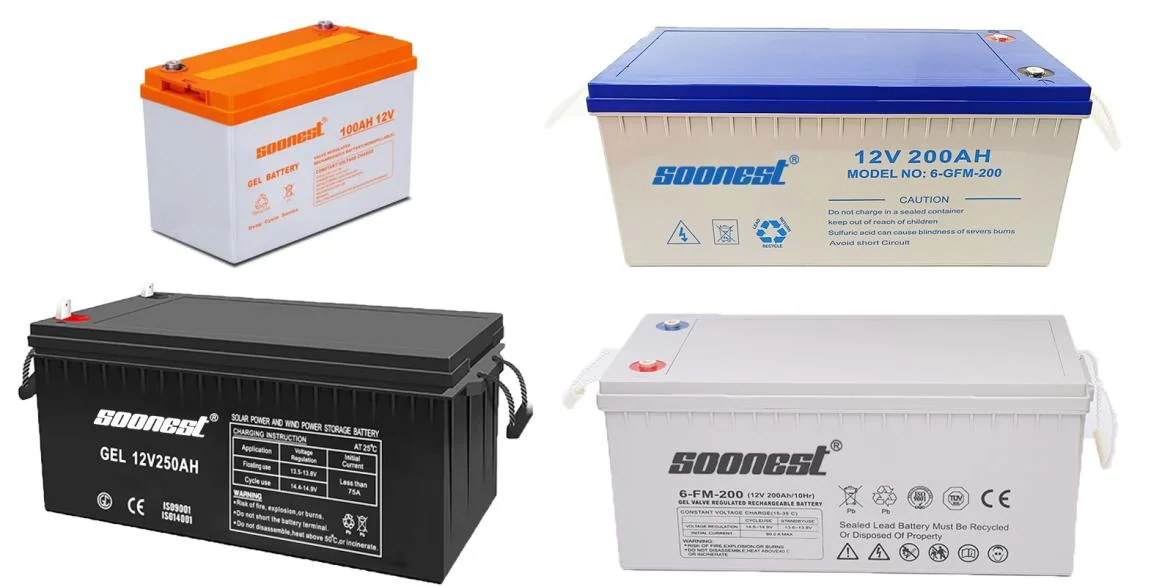
Lithium batteries tend to last about ten times longer than lead-acid ones. This extra time means you replace them far less often. So, you face fewer headaches. And your total costs stay lower in the end. Also, lithium batteries let you drain them fully to 100% without any harm. Lead-acid types, on the other hand, usually handle just 50% discharge. That gives you more real power from each full charge.
Key Factors That Influence the Value of a Solar Battery
A few main things shape how good a deal you get from your solar battery setup. These cover capacity, which comes in ampere-hours. They also include how well the voltage matches your current solar gear. Then there is cycle life, or how many times it can charge and drain. Depth of discharge, or DoD, plays a role too. And do not forget efficiency.
The capacity of a solar battery shows up in ampere-hours, or Ah. It stands for the battery’s steady drain current times the hours it holds up under set drain rules. A bigger capacity means you run things longer in blackouts or after dark. Efficiency counts a lot here. Lithium-ion batteries work about 20% to 30% better than lead-acid ones. So, you lose less power when you charge or use it.
To make this clear, think about a typical home. If you have a 100Ah battery, it might power lights and a fridge for hours. But if efficiency drops, like in older batteries, you waste some of that stored sun power. That is why picking the right one saves you cash down the road. And it keeps your system running smooth without surprises.
Evaluating Solar Battery Technologies for Cost Efficiency
Comparing Lithium-Ion vs. Lead-Acid Batteries
If you stand between lithium-ion and old-school lead-acid batteries, look at how long they perform. Also, check what upkeep they need.
Lithium-ion batteries give the best power use in solar storage. And they skip all the work, unlike many lead-acid kinds that call for water checks or air flow. What is more, lithium ones handle 1000 to 2000 cycles, or even higher. Lead-acid batteries, though, often quit after just 2 to 3 years. The first cost for lithium-ion feels bigger. But it pays back with cheap fixes later. And you get steady power when you need it most.
Let us break it down further. Say you use your battery every day. A lead-acid one might need a swap every couple years. That adds up quick in money and time. Lithium-ion? It just keeps going. You charge it up, and it delivers without fuss. No spills or smells either. For folks new to this, start with your daily power draw. Match it to the battery type. That way, you pick a winner for your wallet.
The Advantages of LiFePO4 (Lithium Iron Phosphate) Batteries
LiFePO4 tech has grown big in solar setups. It shines for being safe. And it holds up over long stretches.
In the green power world, pairing solar with storage fixes shaky supply in spots without the grid. Lithium iron phosphate batteries win points for top safety. They also stick around longer. So, they push out old lead-acid as the go-to for off-grid spots. These can take over 3,000 charge rounds. And top ones hit past 6,000. You end up with a steady pick that works well for close to ten years.
Why does this matter so much? Safety first. LiFePO4 does not catch fire easy like some others. It handles heat better too. For families or small shops, that peace of mind beats all. Plus, the long life cuts your swap bills. Imagine no worries about power dips in storms. That is the edge here.
Spotlight on SOONEST Deep Cycle Solar LiFePO4 Batteries
Overview of SOONEST’s Product Line for Solar Storage Solutions
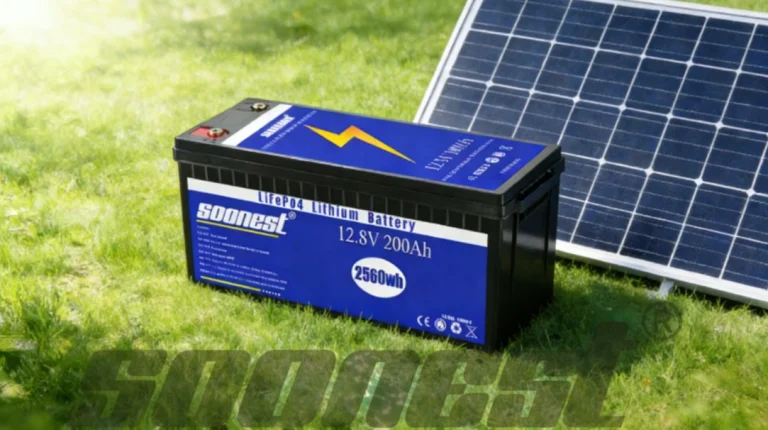
If you want a solid solar battery that mixes low cost with smart tech, check out the SOONEST Deep Cycle Solar LiFePO4 Battery. They come in sizes like 12.8V/25.6V at 100Ah, 150Ah, or 200Ah. These fit home use or business needs just fine.
Product: SOONEST Deep Cycle Solar LiFePO4 Battery 12.8V/25.6V 100ah 150ah 200ah Lithium Ion Battery Rechargeable 12V/24V
No matter if you tweak an old solar system or start fresh, these batteries slide right in. They work with grid-tied or stand-alone setups. And they keep things simple. You get power when the sun hides. That means lights stay on. Fridges hum along. All without a hitch.
To expand on this, SOONEST focuses on real-world use. Their line covers small homes to bigger spots. Pick 100Ah for basics like a cabin. Go 200Ah for more pull, like running tools. Voltage options match most panels too. So, setup feels easy, not a chore.
Key Features That Maximize Long-Term Savings with SOONEST Batteries
What makes this stand out? Start with the long run time. It uses fresh grade A cells. So, cycle life tops 6000. Then, it packs more punch in less space. Great for tight home spots. Voltage stays even when charge dips low.
These perks mean steady work over many years. You save room when you put it in. And a five-year promise, plus good help from tech folks, guards your buy long after day one.
Dig deeper into those features. The high cycle life? That is like getting ten years of daily charges without fade. Energy density cuts bulk, so you fit more in a shed or van. Stable voltage avoids weak spots at the end of a day. No more dim lights or slow fans. Warranty? It covers defects and drops in power. Tech support walks you through issues fast. All this adds up to bucks saved, not spent.
Comparing SOONEST with Other Brands on the Market
Cost vs. Performance: How SOONEST Stands Out in Affordability and Quality
Lots of brands talk big on power. But they jack up prices. Or they hide upkeep fees. This one shifts that. It blends fair price with strong build.
It takes 50% less room. That eases setup. And it frees space in wind or solar rigs. So, you add more storage in tight spots. Think RVs or cozy houses. That is a win.
Plus, no “memory effect” bugs it. Half charges do not hurt like in old tech. You top off when you can. And it keeps full strength.
To compare fair, look at numbers. Other lithium brands might cost 20% more for same cycles. Lead-acid? Cheaper up front, but swaps eat that gain. SOONEST hits middle ground. Grade A cells mean no weak links. Builds last. And prices stay real. For value hunters, it tops charts.
Realistic Payback Periods with SOONEST Batteries in Home and Off-grid Systems
With past 6,000 cycles at 80% drain depth, these hold strong for near ten years. That beats swapping cheap ones every few seasons.
On a daily round, it runs 8-10 years. Way past lead-acid’s 2-3. Over time, ownership costs drop. You get max energy per buck.
Payback? In sunny spots, you see it in 3-5 years. Bills fall as you use stored sun juice. Off-grid? It pays faster by ditching diesel gens. Track your use. Add local rates. You will see the math work out.
Ideal Use Cases for SOONEST Solar Batteries
Residential Solar Energy Storage Systems
If blackouts hit your house often, or peak rates sting, a good solar battery is key.
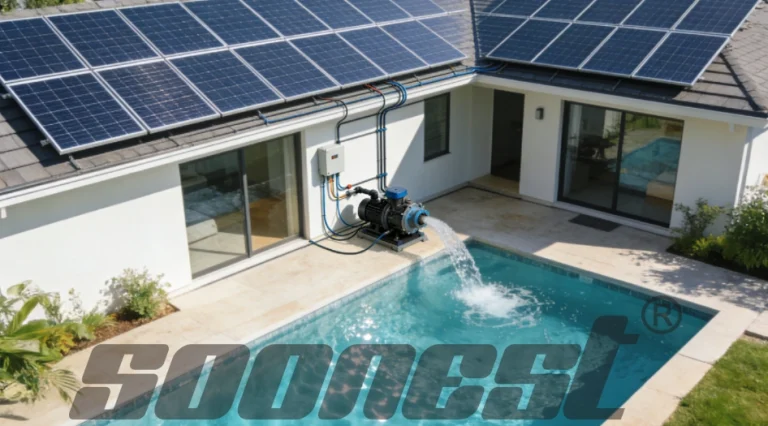
Sun out? Panels turn rays to juice. No sun? Battery feeds the solar inverter setup. Power flows non-stop. Grid or no grid.
This setup shines in suburbs. Store day power for night. Cut bills. And ride out storms. Families sleep better knowing lights stay lit.
Off-grid Cabins, RVs, Marine Applications
Slim design pairs with strong output. Perfect for on-the-move like RVs or far cabins. No grid? No sweat.
Applications: Solar-Wind Power System Mining Light / Torch / LED Light / Emergency Light
Light weight and power make install a breeze. No big hauls needed. Run for days on a charge.
For boaters, salt air tests gear. But LiFePO4 shrugs it off. RVers park remote? Charge from panels. Cook, chill, charge phones. All good.
Backup Power for Small Businesses
For tiny shops that can’t stop, like doc offices or data spots, steady backup rules.
In small grids, it kicks “black start.” Full outage? It fires up solo. Downtime shrinks to zip.
Think a cafe. Power dips mid-rush? Battery bridges till grid wakes. Cash flows. Customers stay. That is real save.
Additional Benefits of Choosing SOONEST
Competitive Pricing Without Compromising Quality
You snag top parts at non-fancy rates. Grade A cells keep every unit strong.
No skimps here. Builds match big names. But wallet thanks you.
Scalable Solutions for Diverse Energy Needs
One unit or strings in parallel for more pull. Link in series or parallel. Shift voltage and size as needs grow.
Start small. Add later. Fits life changes. Like kids or new gear.
Eco-Friendly Materials and Sustainable Manufacturing
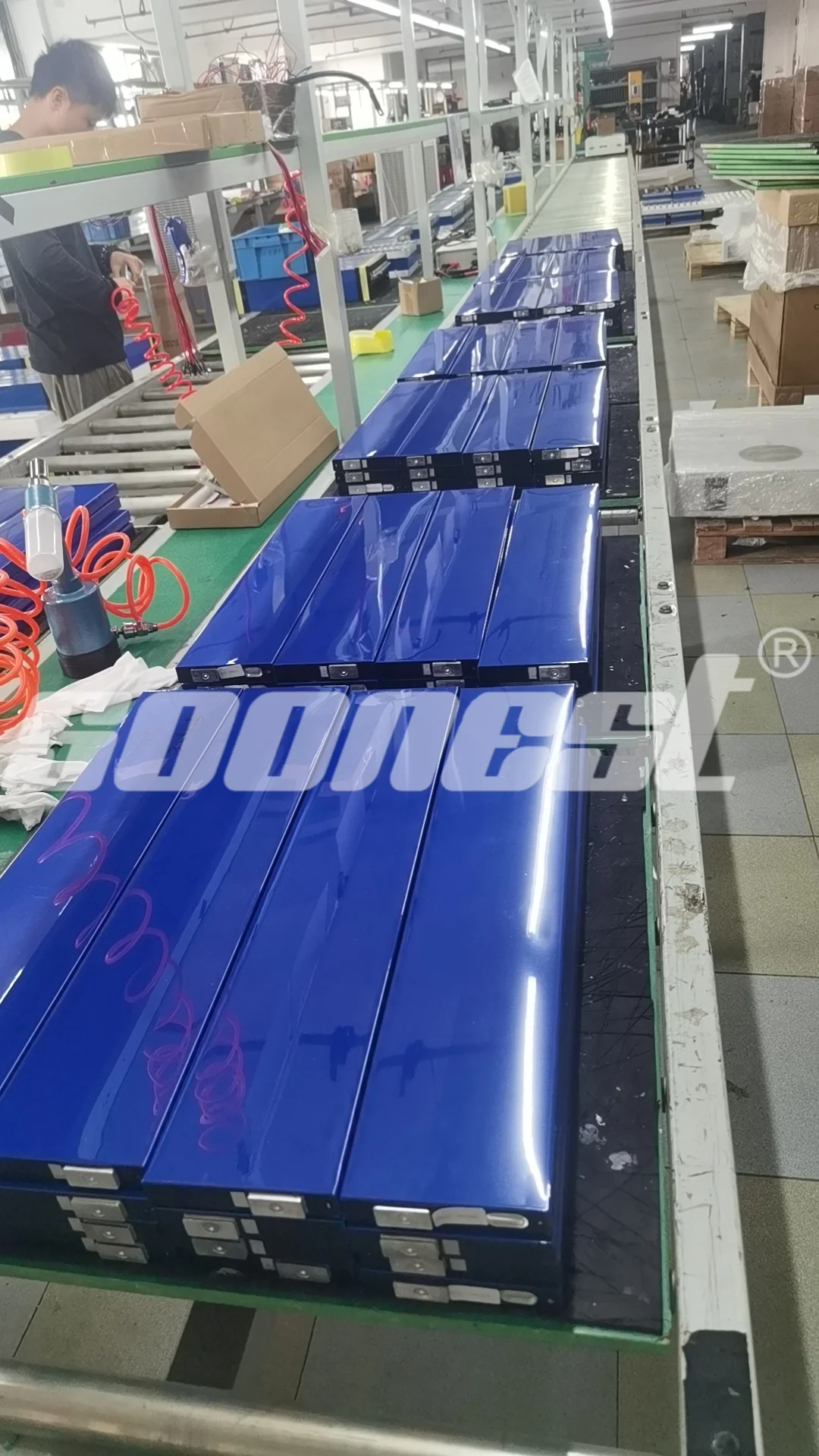
LiFePO4 beats other lithium or lead for green. Safer. Less harm to earth.
This mix fixes sun’s ups and downs. Gives clean power to far spots. Smart pick for green minds.
It recycles easy too. Less waste long run. Earth wins. You save.
After-Sales Service and Support from SOONEST
Warranty Coverage and Technical Support
Each comes with five-year cover. Tech teams jump on diag or swaps quick.
5-Year Warranty: Backed by a decade of performance assurance
That means trust built in. Issues? Handled fast.
Easy Installation Guidance and System Integration Help
Guides step you through. Fits old setups sans pro smarts.
Before installation, ensure the battery is fully charged Avoid over-discharge.
Read that twice. Charge full first. Skip deep drains often. Lasts longer.
How to Get in Touch with SOONEST for Consultation or Purchase
To check their full lineup, specs, and help docs, visit SOONEST Deep Cycle Solar LiFePO4 Battery.
Drop a line for chat. They guide picks. Or buy straight. Easy.
FAQ
Q: How long does a LiFePO4 battery typically last?
A: Most high-quality LiFePO4 batteries can last over 6,000 charge cycles at around 80% depth of discharge—which equates to about eight to ten years under daily use conditions.
Q: Can I use these solar batteries off-grid?
A: Yes. These batteries are ideal for off-grid applications such as cabins, RVs, boats, or remote monitoring stations due to their compact size and high efficiency.
Q: Do I need special equipment to install this battery?
A: While professional installation is always recommended for complex systems, basic setups can be installed using standard tools thanks to clear manufacturer guidelines provided upon purchase.



 English
  Russian
  German
  French
  Spanish
  Portuguese
  Arabic