
When customers ask us how long does a solar battery last in a commercial or industrial setting, we start with the duty cycle. One discharge event each day does not always equal one full cycle. If a battery releases 40% of its capacity at noon and another 30% in the evening, it records about 0.7 equivalent full cycles, not two.
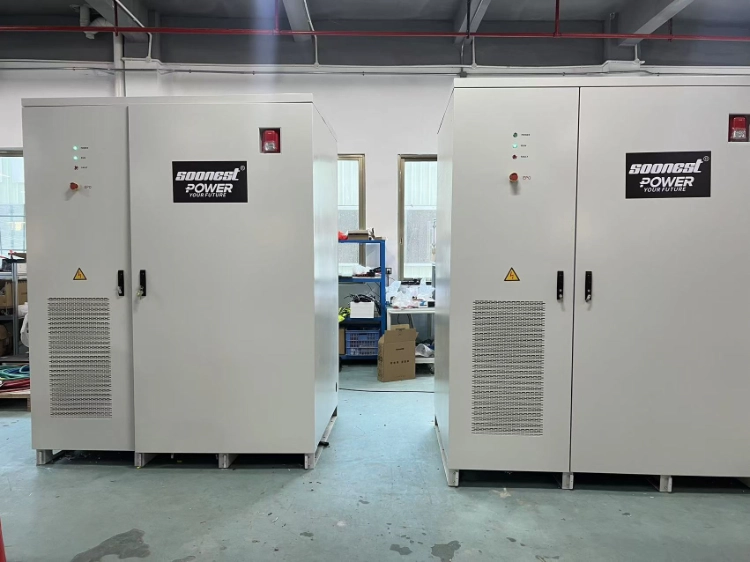
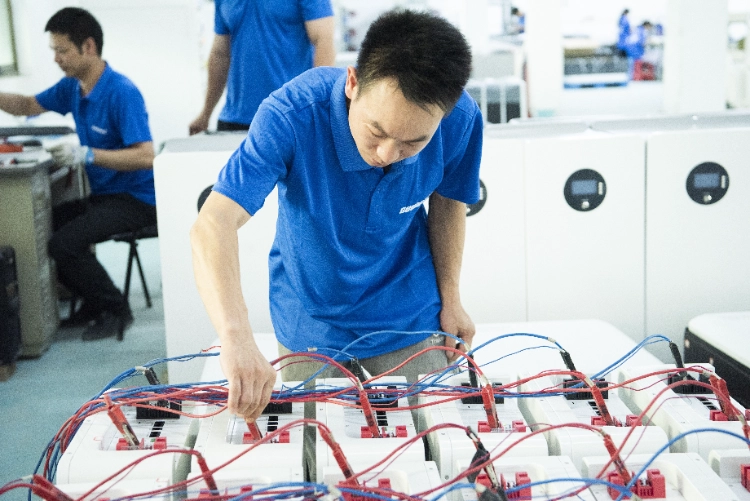
At SOONEST, we integrate batteries, inverters, solar panel components and solar system design all within one supplier account. Our 4,000 sqm production area and over 50 R&D patents speak volumes to our capabilities as a solar OEM / ODM partner. Our products are CE, RoHS and ISO certified. For daily use we would recommend our Deep Cycle Solar LiFePO4 Battery which is offered in 12.8V and 25.6V configurations with capacities of 50Ah through to 250Ah.
How Long Does a Solar Battery Last With Daily Peak Shaving?
We separate cycle life, calendar age, and warranty coverage because each answers a different question.
Daily Dispatches and Equivalent Full Cycles
We count energy moved rather than inverter starts because dispatches do not cause equal wear. If a 100kWh bank releases 50kWh each working day, it completes roughly 0.5 equivalent cycles per day. Weekend shutdowns lower the annual count further. A small accounting detail, perhaps, but it can shift a forecast by years.
The 6,000-Cycle Baseline at 80% DoD
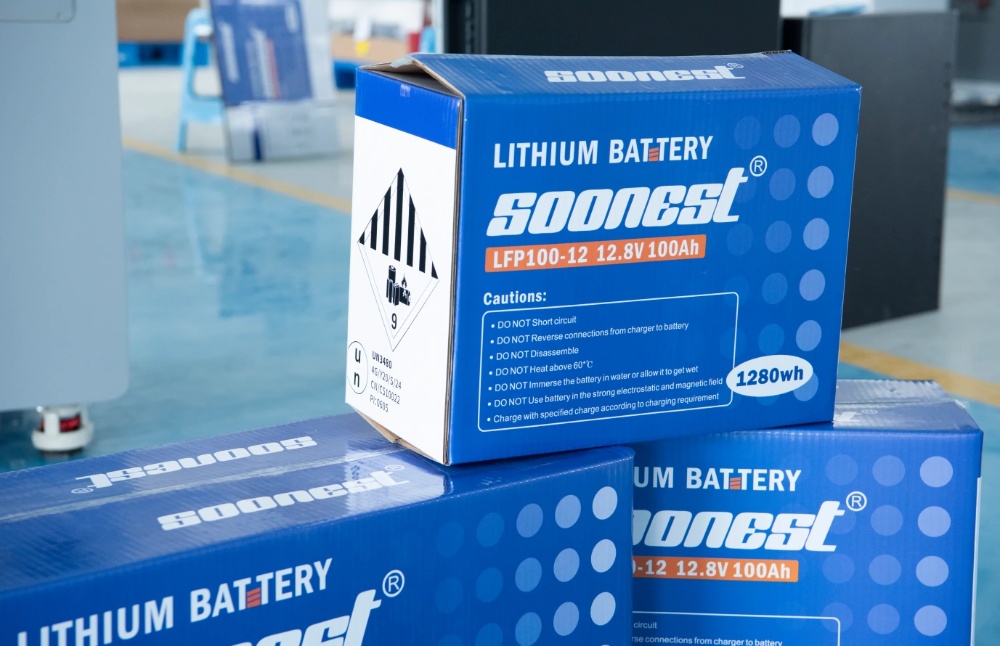
We rate our Deep Cycle Solar LiFePO4 Battery for more than 6,000 cycles at 80% depth of discharge. At one equivalent cycle every day, 6,000 cycles equal about 16.4 years. That is straightforward arithmetic, not a promise that every installation will remain in service for 16 years.
| Daily Equivalent Cycles | Days Needed for 6,000 Cycles | Cycle-Count Equivalent |
| 1.00 | 6,000 | 16.4 years |
| 0.75 | 8,000 | 21.9 years |
| 0.50 | 12,000 | 32.9 years |
The longer figures only show how slowly the cycle count builds.
Calendar Aging and Warranty Limits
Cells age while idle, especially in hot rooms or at high SOC. We advise testing several replacement dates. Our product page lists a five-year warranty. Ask what retained capacity defines end of life, which temperatures are covered, and what records a claim requires. Warranty and service life are different measures.
Which Operating Conditions Most Affect Daily-Cycle Life?
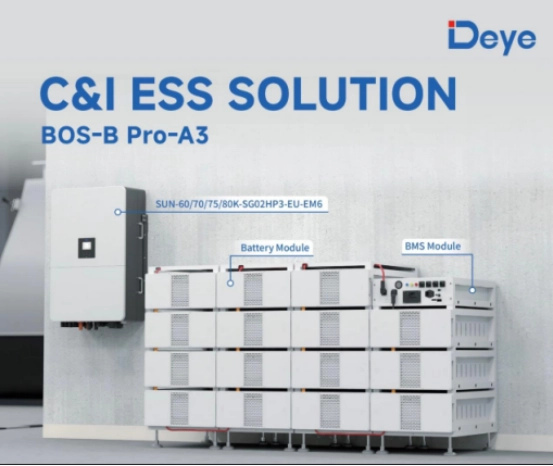
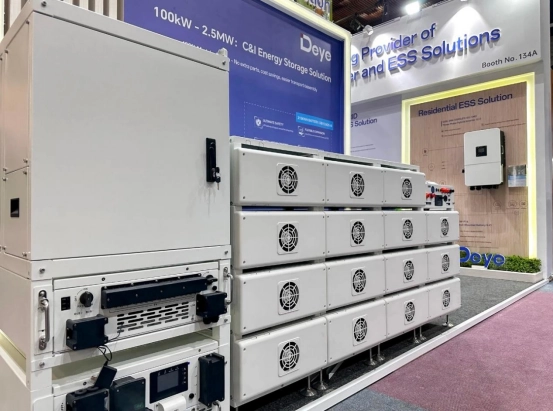
Battery chemistry plays a major role, but daily operation often decides the final result.
Depth of Discharge per Dispatch
A deeper discharge delivers more energy but adds cell wear. Our 6,000-plus-cycle figure is tied to 80% DoD, not repeated 100% discharges. This is one reason how long does a solar battery last has no honest answer without a dispatch profile. We set the lower SOC reserve from your tariff, load curve, and backup needs.
Charge and Discharge Rate
Peak demand rises quickly when chillers, pumps, or compressors start together. We check enough kW to carry the load and enough kWh for the peak window. Our engineers also review current limits, cable size, terminal temperature, and whether the solar array can refill the bank before its next dispatch.
Temperature and SOC Exposure
Heat speeds cell aging. We would not place a long-life battery in a closed room beside hot process equipment and hope for the best. Ventilation, a dry enclosure, and battery temperature records matter. If your peak begins at 6 p.m., timed charging can also stop the bank from sitting full since morning.
How Should a C&I Peak-Shaving Battery Be Sized?
When customers ask how long does a solar battery last, we treat sizing as part of the lifespan answer. An undersized bank works too hard. A greatly oversized one may last comfortably but never recover its added cost.
Load Profile and Peak Window
We start with 15-minute or 30-minute interval data. A 20kW reduction lasting two hours requires 40kWh. A 60kW spike lasting 15 minutes needs only 15kWh but much higher power. We give peak shaving, backup, and solar self-consumption separate allowances so the battery does not spend its reserve too early.
Usable Energy and Reserve Margin
We use this basic formula as a starting point:
Nominal battery energy = target reduction × duration ÷ usable DoD ÷ system efficiency
For a 20kW, two-hour peak, 40kWh must reach the load. At 80% DoD and an assumed 90% system efficiency, the result is 55.6kWh before a reserve. The 90% figure is an example assumption, not our published product rating.
Voltage, Inverter, and Controller Matching
Our battery comes in the ranges below. We calculated energy by multiplying voltage by amp-hours. Values exclude conversion losses and control reserves.
| Battery Platform | Listed Capacity Range | Nominal Energy Range | Energy at 80% DoD |
| 12.8V | 50Ah–250Ah | 0.64–3.20kWh | 0.51–2.56kWh |
| 25.6V | 50Ah–250Ah | 1.28–6.40kWh | 1.02–5.12kWh |
These low-voltage options suit small commercial loads, telecom, security systems, UPS duties, and distributed backup. For a larger factory bank, we confirm permitted battery count, current sharing, fusing, BMS communication, inverter voltage, and controller settings. More batteries do not automatically make a better system.
Why Do We Recommend the SOONEST Deep Cycle Battery?
Our product provides a clear starting point when how long does a solar battery last becomes a purchasing question.
6,000-Plus Cycles at 80% DoD
We use new Grade A LiFePO4 cells and publish more than 6,000 cycles at 80% DoD. That profile suits daily solar charging better than occasional standby use. Partial charging also helps on cloudy days. For project approval, ask us about the test conditions and capacity-retention threshold behind the rating.
Flexible Voltage and Capacity Options
We offer 12.8V and 25.6V platforms in 50Ah, 100Ah, 150Ah, 200Ah, and 250Ah capacities. We can match a small shop, communications cabinet, server load, or medical backup circuit without forcing one oversized battery into every job. Our hybrid inverters and all-in-one equipment also support broader system matching.
Compact Size and Stable Voltage Output
Our product information lists a 50% smaller size and stable voltage at low charge levels. Both help where older batteries take up floor area or voltage sag affects electronics. We recommend this battery for small C&I circuits. For plant-wide control, we would design a suitable architecture rather than keep adding 12V batteries.
What Service Should You Confirm Before Ordering?
We see a daily-cycling battery as operating equipment, not a box that disappears after installation. Design records, inspection reports, and access to a technical team all shape its long-term value.
Application-Specific System Design
Our designers consider location, climate, load behavior, and energy demand. Our company background covers the R&D, production, customization, and certification resources behind that work.
Our overseas project cases include 10kW hybrid systems in Congo and Ivory Coast and a 30kW system in Mali. They show international activity, not proof of C&I peak-shaving performance. Ask for a design basis matching your tariff, load, and climate.
Quality Control and Installation Guidance
Our quality team inspects raw materials, components, finished products, and installed systems. Your specification should list cell consistency, capacity, insulation, BMS functions, protection settings, cable size, and communications. Correct polarity sounds basic, yet field mistakes happen. We put ventilation, grounding, terminal torque, overcurrent protection, and controller settings on a signed commissioning checklist.
After-Sales Support and Direct Contact
Our service and support team handles troubleshooting, system tuning, inspections, maintenance, and emergency repairs. Agree with us on response times, spare parts, and warranty records. Send interval load data, target peak reduction, duration, voltage, solar size, and site temperature. We can then recommend this battery or a higher-voltage platform.
In conclusion, how long does a solar battery last under daily peak shaving? Our 6,000-cycle rating gives a theoretical 16.4-year cycle count at one equivalent cycle per day and 80% DoD. Actual service life depends on calendar age, heat, discharge rate, SOC scheduling, and system design. We recommend sizing the bank from measured load data, respecting its electrical limits, and treating the five-year warranty as a separate commercial term.
FAQ
Q1. How long does a solar battery last if it cycles once per day?
- At 6,000 cycles, the mathematical answer is about 16.4 years at one equivalent full cycle each day. Actual life may be shorter because cells also age with time and operating conditions.
Q2. Can our 12.8V or 25.6V battery support factory peak shaving?
- It can serve defined low-voltage loads or small commercial circuits. For a larger plant, we need to confirm series and parallel limits, BMS communication, inverter matching, current demand, and thermal design.
Q3. What should you send us before requesting a battery quote?
- Please provide interval load data, target kW reduction, peak duration, backup time, operating temperature, system voltage, solar capacity, and available installation space.