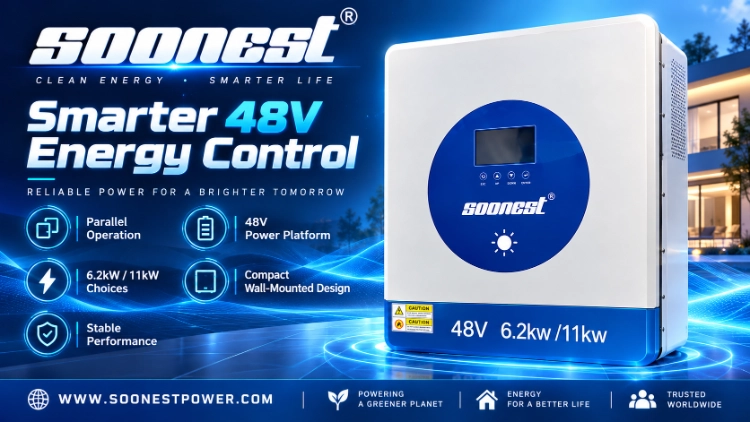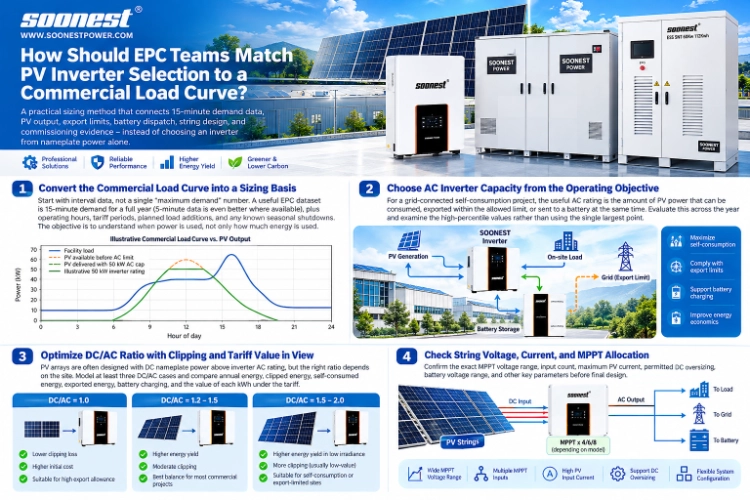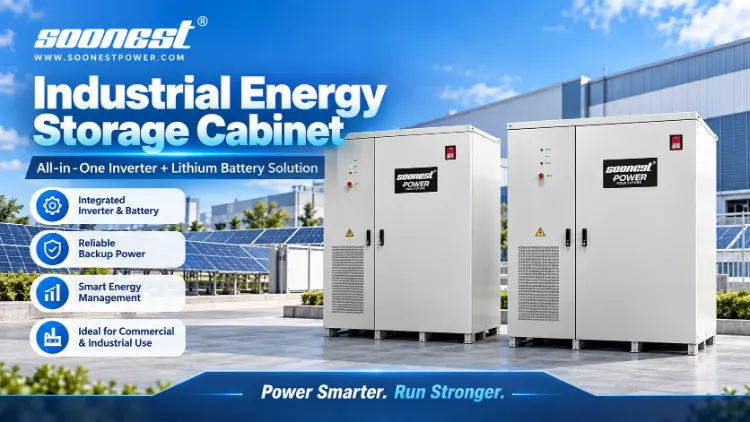
يشهد وضع الطاقة اليوم تغيرات متسارعة. ومع تصاعد التوترات بين الولايات المتحدة وإيران بشأن الطاقة، تشهد أسعار النفط العالمية تقلبات حادة. ويؤدي ذلك إلى ارتفاع فواتير استهلاك الطاقة في مصنعك. ولم يعد الاعتماد على مصادر الوقود التقليدية يوفر دعماً مستقراً لعمليات المصنع. ومن الجوانب الإيجابية، تتبوأ الصين مكانة رائدة في مجال الطاقة المتجددة، مما يوفر خيارات قوية لحماية شركتك من الاضطرابات الخارجية.
بصفتي خبيرًا في هذا المجال، أقترح التعاون مع في أقرب وقت. هذا خدمة كاملة تتمتع الشركة بحضور قوي في مجال الطاقة الشمسية منذ عقدين، وقد وسّعت نطاق أعمالها ليشمل مناطق مثل آسيا وأفريقيا وأوروبا والشرق الأوسط والأمريكتين. وتركز الشركة على محولات الطاقة الهجينة ثلاثية الطور الموثوقة وأنظمة تخزين البطاريات. كما توفر خيارات معتمدة (CE، UL، ISO) تساعد المصانع على تحقيق اكتفاء ذاتي أكبر في مجال الطاقة. ويتيح التحول إلى خطط الطاقة المخصصة التي تقدمها الشركة للمصانع الانتقال من تبعات السياسات العالمية إلى الريادة في الإنتاج الأخضر والميسور التكلفة.
لماذا تهدد تعريفات الذروة والوادي ربحية المصانع؟
تهدف أسعار الطاقة الحالية إلى فرض رسوم إضافية على الأحمال الكبيرة عندما تواجه الشبكة ضغطًا كبيرًا. في موقع تصنيع، قد تمثل هذه الأسعار، التي تُعرف بأسعار الذروة والقاع، الحد الفاصل بين تحقيق أرباح جيدة في الموسم وخسارة كبيرة في تكاليف التشغيل.
ارتفاع النفقات التشغيلية خلال ساعات الذروة
تفرض شركات الكهرباء عادةً رسومًا أعلى بكثير على الطاقة في أوقات الذروة، وخاصةً في منتصف النهار عندما تعمل المحطات بأقصى طاقتها. الاعتماد على الشبكة المحلية فقط يعني ارتفاعًا كبيرًا في النفقات خلال هذه الفترات. تشهد العديد من المناطق فرقًا يزيد عن 0.7 يوان لكل كيلوواط/ساعة بين أوقات الذروة وأوقات الهدوء. هذا يجعل تشغيل الآلات الكبيرة مكلفًا للغاية دون وجود خيار طاقة بديل. تُلقي هذه الرسوم المرتفعة على الاستهلاك بعبء إضافي على نتائجك المالية.
الاستخدام غير الفعال للطاقة في العمليات اليومية
تواجه العديد من المصانع فجوة بين مدخلات الطاقة واحتياجاتها اليومية. تنتج أنظمة الطاقة الشمسية الأساسية معظم الطاقة في وقت الظهيرة. ومع ذلك، غالبًا ما تتطلب المعدات المزيد من الطاقة في وقت متأخر من النهار أو في بداية الليل مع انخفاض ضوء الشمس. يؤدي عدم وجود طرق لترشيد استهلاك هذه الطاقة والتحكم بها إلى بيع الفائض من الطاقة الشمسية إلى الشبكة بعائد ضئيل. لاحقًا، تضطر المصانع إلى شراء الطاقة بأسعار باهظة عند الحاجة. وبالتالي، يمنع هذا الهدر الاستفادة الكاملة من عائدات الاستثمار في الطاقة الشمسية.
قابلية التأثر بانقطاعات الشبكة وعدم استقرارها
بغض النظر عن التكلفة، تبرز موثوقية الشبكة كقضية رئيسية. فالأحداث العالمية والأحوال الجوية السيئة غالباً ما تتسبب في انقطاعات متكررة للتيار الكهربائي أو تقلبات في الطاقة. في بيئة الإنتاج، قد تؤدي لحظات قليلة من انقطاع الكهرباء إلى تلف الإمدادات، وإلحاق الضرر بالمعدات الحساسة، والتسبب في توقفات طويلة لإعادة تشغيل الأدوات. وبدون نظام طاقة احتياطي قوي، فإن خطة الإنتاج بأكملها والوعود المقدمة للمشترين معرضة لخطر حقيقي.
كيف يُحسّن العاكس الهجين ثلاثي الأطوار إدارة الطاقة؟
تتطلب المصانع التي تسعى إلى تحسين التحكم في النفقات والسلامة أنظمة قادرة على إدارة تدفق الطاقة في كلا الاتجاهين. ويُستخدم تصميم هجين حالي كوحدة تحكم أساسية لشبكة المصنع الصغيرة.
نقل الأحمال عبر تقليل ذروة الأحمال وملء الفجوات
دور رئيسي لـ محولات هجينة ثلاثية الطور يتضمن ذلك التحكم الذكي في سحب الطاقة من الشبكة. باستخدام طريقة تُسمى "تقليل ذروة الطلب وملء فترات انخفاض الطلب"، يتم شحن البطاريات في فترات انخفاض الطلب، عادةً خلال الليل. ثم، في أوقات ذروة الطلب المكلفة، تُطلق الوحدة الطاقة المخزنة للحفاظ على استمرار العمليات. وبهذه الطريقة، يتم خفض الرسوم المرتفعة باستخدام الطاقة المخزنة بأسعار معقولة. يمكن لهذا التبديل أن يُخفض إجمالي تكاليف الطاقة بنسبة تتراوح بين 15% و20%.
تعظيم الاستهلاك الذاتي للطاقة الشمسية
أي نظام طاقة مصنعي متين يهدف إلى الاعتماد بشكل كبير على طاقته النظيفة الخاصة. وبدلاً من إرسال الطاقة الشمسية إلى الشبكة، يُعطي النظام الهجين الأولوية لتلبية احتياجات المصنع. ويُخزن فائض الإنتاج خلال النهار في وحدات تخزين الليثيوم الكبيرة. ويؤدي رفع معدل الإنتاج والاستخدام الذاتي من حوالي 30% إلى أكثر من 80% إلى تقليل الاعتماد على شركات الطاقة الخارجية بشكل كبير.
ضمان استمرارية العمليات دون انقطاع أثناء انقطاعات الشبكة
في العمل المصنعي، لا يمكن إغفال أهمية الطاقة المستقرة والتشغيل السلس. تتضمن الأدوات الهجينة الحديثة ميزة "UPS" مدمجة لتسهيل الانتقال من الشبكة الكهربائية إلى مصادر الطاقة المستقلة. في حال انقطاع الشبكة فجأة، ينتقل الجهاز إلى طاقة البطارية والطاقة الشمسية في أقل من 10 مللي ثانية. وبذلك، تستمر الأدوات والخوادم والإضاءة الرئيسية في العمل دون أي توقف، مما يحافظ على سلامة المعدات ومستويات الإنتاج.
ما الذي يجعل محول التيار الهجين ثلاثي الأطوار من SOONEST مثالياً للمصانع؟
تتطلب بيئات المصانع معدات متينة تتجاوز النماذج المنزلية الأساسية. وتتطلب العمليات أجهزة قادرة على إدارة إمداد قوي ثلاثي الأطوار بجهد 380 فولت في ظل ظروف قاسية.
كفاءة عالية مع تقنية MPPT المتقدمة
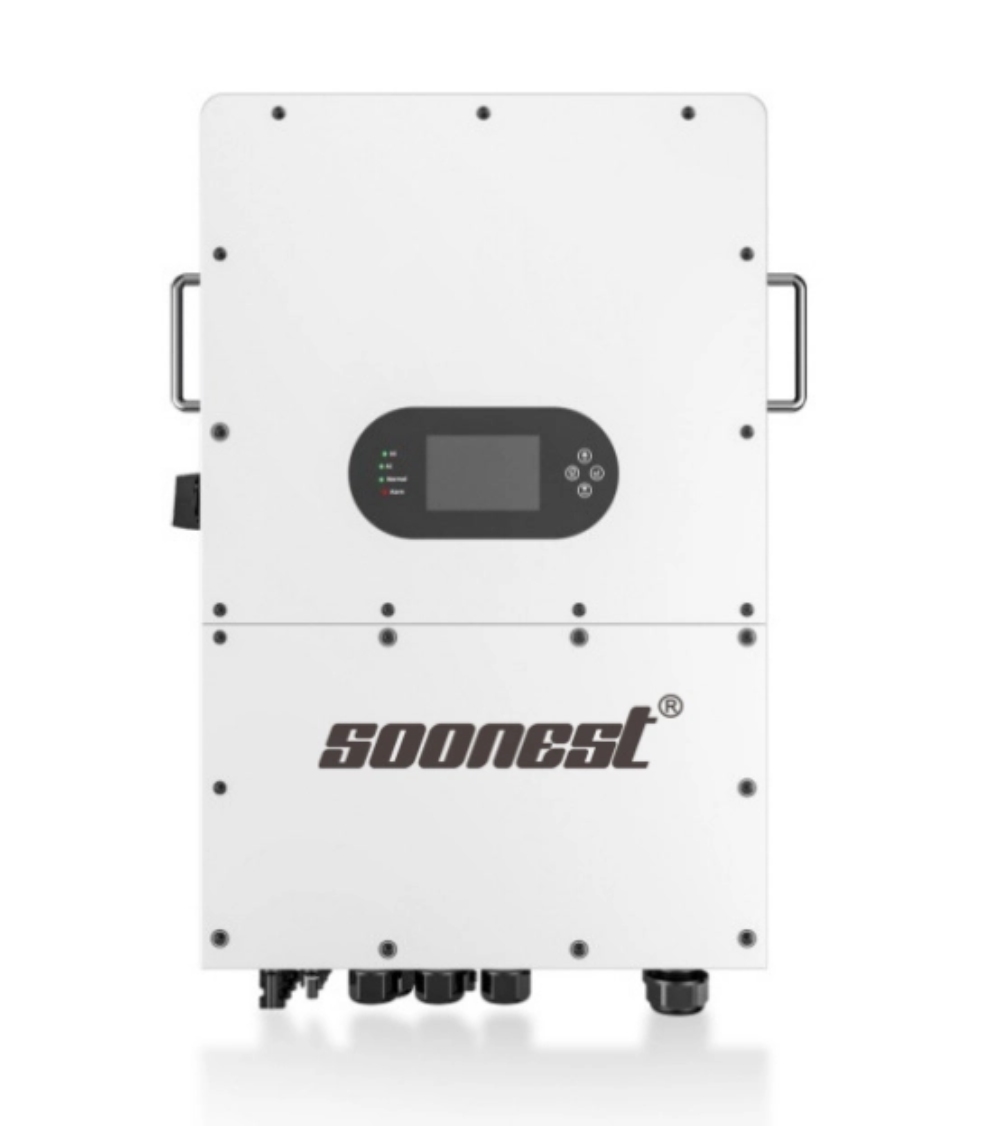
إن محول هجين ثلاثي الأطوار تستخدم هذه التقنية نظام تتبع نقطة الطاقة القصوى (MPPT) المدمج، مما يضمن تشغيل الألواح الشمسية بأفضل مستوياتها. يقوم النظام بضبط جهد الإدخال ليتناسب مع أفضل نقطة إخراج للألواح، بدقة تصل إلى 99.9% في نظام MPPT. كل ذرة من ضوء الشمس على السطح تتحول إلى طاقة مفيدة، مما يعزز الإنتاج الإجمالي، حتى في ظروف الإضاءة الخافتة أو الظل الجزئي.
حماية قوية بمعيار IP65 للبيئات الصناعية القاسية
تتعرض النباتات عادةً للغبار والرطوبة وتقلبات درجات الحرارة الكبيرة، مما يؤدي إلى تلف الأجهزة العادية سريعًا في هذه الظروف. يتميز هذا الجهاز بغلاف مقاوم للماء والغبار بمعيار IP65، يحمي من الغبار ويقاوم رذاذ الماء القوي. بالإضافة إلى ذلك، يخضع كل جهاز لاختبار تحمل لمدة ساعتين قبل التسليم، مما يضمن متانة تدوم طويلًا في درجات حرارة تتراوح بين -10 درجة مئوية و55 درجة مئوية.
قابلية التوسع المرنة من 10 كيلوواط إلى 50 كيلوواط
تختلف احتياجات الطاقة لكل مصنع. يتيح التصميم المرن لهذه المجموعة خيارات مثل 10 كيلوواط، 12 كيلوواط، 15 كيلوواط، 20 كيلوواط، 30 كيلوواط، 40 كيلوواط، أو 50 كيلوواط. يمكن للمواقع الأكبر ربط ما يصل إلى ست وحدات بالتوازي، مما يوفر طاقة إجمالية لتلبية احتياجات المصانع الكبيرة. تمنع هذه الخيارات الإنفاق الزائد في البداية، وتتيح التوسع لاحقًا.
الجدول 1: المواصفات الفنية لسلسلة محولات التيار الهجينة الصناعية ثلاثية الطور
| ميزة | تفاصيل المواصفات | الميزة الصناعية |
|---|---|---|
| جهد الخرج | ثلاثي الأطوار 380 فولت / 400 فولت / 415 فولت | يلبي متطلبات الآلات الصناعية الثقيلة. |
| دقة MPPT | 99.9% | يستخلص أقصى قدر من الطاقة من كل لوحة شمسية. |
| أقصى كفاءة | 97.5% | فقدان الطاقة الأدنى أثناء التحويل. |
| درجة الحماية | IP65 (مقاوم للغبار/الماء) | يعمل بكفاءة عالية في بيئة المصانع القاسية والمغبرة. |
| وقت التبديل | < 10 مللي ثانية | يمنع إعادة ضبط المعدات أثناء انقطاع التيار الكهربائي. |
| القدرة المتوازية | حتى 6 وحدات | يدعم التوسع الهائل في القدرة الإنتاجية. |
ما هي الفوائد طويلة الأجل للمستخدمين الصناعيين؟
إن استثمار المال في أدوات كهربائية قوية يتجاوز مجرد شراء المعدات. إنه خيار مالي ذكي يحقق مكاسب على مدى سنوات عديدة.
انخفاض كبير في فواتير الكهرباء الشهرية
يظهر أول تغيير واضح في انخفاض مدفوعات الطاقة. باستخدام محولات هجينة ثلاثية الطور يُسهم تخزين الطاقة الليلية منخفضة التكلفة وإطلاقها خلال فترات ذروة الاستهلاك النهاري في تنظيم أنماط الإنفاق. وعادةً ما تُقلل محطات الطاقة الواقعة في مناطق ذات تباين كبير بين ذروة الاستهلاك وانخفاضه من الإنفاق السنوي على الطاقة بنسبة تتراوح بين 15% و30%. وعلى مدى 20 إلى 25 عامًا، تتراكم هذه التخفيضات لتُشكّل مبالغ طائلة من الأرباح المُحتفظ بها.
تعزيز استقلالية الشبكة وأمن الطاقة
مع استمرار أزمة الطاقة العالمية، يصبح الاكتفاء الذاتي ميزة تنافسية قوية. تقلل شبكة الطاقة الشمسية الخاصة من تأثير انقطاعات التيار الكهربائي أو محدودية الطاقة في المنطقة. يمنح هذا النظام ثقة في قدرة إعادة التشغيل التلقائي، حيث تستأنف المحطة إنتاج طاقتها الكاملة باستخدام البطاريات والألواح الشمسية فقط أثناء انقطاع التيار الكهربائي الكامل.
عائد سريع على الاستثمار من خلال الجدولة الذكية
تزداد جاذبية الجانب المالي لأنظمة الطاقة الشمسية والبطاريات في المصانع. فتكاليفها الأولية أقل من تكاليف أنظمة الطاقة الشمسية التقليدية، لكن الاسترداد أسرع بفضل مكاسب مقايضات الأسعار والتحكم في الأحمال. وتحقق معظم مرافق المعالجة عائدًا كاملاً على الاستثمار في غضون 4 إلى 5 سنوات. وبعد ذلك، يحصل المصنع على طاقة شبه مجانية أو رخيصة جدًا لمدة 20 عامًا أو أكثر من الاستخدام.
الجدول 2: تحليل العائد على الاستثمار المُقدَّر لنظام مصنع بقدرة 50 كيلوواط
| متري | شبكة تقليدية فقط | نظام هجين يعمل بالطاقة الشمسية وثلاثي الأطوار |
|---|---|---|
| متوسط تكلفة الكهرباء | مرتفع (ذروة عالية) | أقل بنسبة 15-30% |
| الاعتماد على الشبكة | 100% | < 20% (الاستخدام الذاتي ذو الأولوية) |
| رسوم ذروة الطلب | السعر الكامل | تم تقليله عبر التخزين |
| خطر انقطاع التيار الكهربائي | خسارة إنتاجية عالية | شبه معدوم (نسخ احتياطي أقل من 10 مللي ثانية) |
| فترة الاسترداد المقدرة | لا / لا | 4-5 سنوات |
لماذا يجب عليك اختيار SOONEST كشريكك في مجال الطاقة؟
إن اختيار الشركة المصنعة المناسبة لا يقل أهمية عن اختيار التقنية. فالحليف الجيد يوفر الخبرة والتغطية الواسعة لدعم الأهداف طويلة المدى.
خبرة عقدين من الزمن في مجال ابتكارات الخلايا الكهروضوئية
يتطلب فهم تفاصيل الطاقة في المصانع وقتًا وجهدًا عمليًا. وقد كرست هذه الشركة المصنعة عشرين عامًا من الخبرة في مجال الطاقة الشمسية، بدءًا من المكونات الأساسية وصولًا إلى حلول تخزين الطاقة المتكاملة. وقد قامت بتركيب أنظمة لأكثر من ألف عميل محلي، بالإضافة إلى العديد من العملاء في الخارج. وهذا ما يضمن بناء أدواتك على نتائج مُثبتة.
معايير الجودة والسلامة المعتمدة دولياً
يتطلب التعامل مع أدوات محطات الطاقة ذات الجهد العالي أعلى مستويات السلامة. جميع العواكس في مجموعة تستوفي هذه الأجهزة معايير عالمية صارمة مثل CE وROHS وSONCAP وUL وISO. وتثبت هذه العلامات قدرة الجهاز على إدارة تشويش الإشارة والحرارة وإجهاد الطاقة دون تعريض الموقع أو الموظفين للخطر.
خدمات شاملة من التخصيص إلى الدعم العالمي
تختلف احتياجات محطات الطاقة، لذا فإن الخطط القياسية لا تفي بالغرض. تقدم الشركة خدمات تصنيع المعدات الأصلية (OEM) وتصميمها (ODM) وخدمات مخصصة لتلبية الاحتياجات الدقيقة وحدود المناطق. يوفر فريق الدعم الفني الماهر دعمًا عالميًا، ويضمن استمرار تشغيل النظام بكفاءة عالية طوال مدة خطته البالغة 25 عامًا.
تمسك بمسار قوتك واحمِ أرباحك من موجة النفط القادمة. الاتصال تواصل مع فريق العمل الماهر على الموقع الرسمي لتخطيط عملية إصلاح الطاقة المصنعية الآن.
أسئلة متكررة
س: هل تعمل محولات التيار الهجينة ثلاثية الطور مع كل من بطاريات الرصاص الحمضية وبطاريات الليثيوم؟
ج: نعم. تهدف الأجهزة المصنعة على مستوى المصنع إلى تحقيق توافق واسع. فهي تتميز ببدء تشغيل خاص لبطاريات الليثيوم، ومع ذلك، فهي تدعم بطاريات الرصاص الحمضية أيضًا. وهذا يوفر خيارات متعددة لأنواع التخزين بناءً على الميزانية.
س: هل يمكنني مراقبة استهلاك الطاقة في مصنعي عن بُعد؟
ج: بالتأكيد. تشمل الإعدادات وصلات واي فاي وجي بي آر إس إضافية. يتيح تطبيق الهاتف أو صفحة الويب تتبع الإنتاج وحالة البطارية واستهلاك الحمل الفعلي من أي مكان في العالم.
س: ما هي فائدة منطق العاكس المُشكِّل للشبكة في المصنع؟
أ: تقوم وحدة تشكيل الشبكة بتحديد مستويات الجهد والتردد الخاصة بها. وهذا أمر بالغ الأهمية للمحطات البعيدة، إذ يسمح لها بأن تكون مصدراً ثابتاً لتلبية الاحتياجات القريبة دون الحاجة إلى إشارات الشبكة. وبالتالي، فإنها تلعب دوراً توجيهياً في إدارة الطاقة.