Das Leben abseits des Stromnetzes vermittelt ein echtes Gefühl von Freiheit. Doch der schleichende Verbrauch an Energiereserven bleibt oft unbemerkt. Herkömmliche Solaranlagen benötigen Wechselrichter, die rund um die Uhr aktiv sind. Dies führt zu einem kontinuierlichen Energieverbrauch, dem sogenannten Standby-Verbrauch. Der Umstieg auf zuverlässige Energiequellen bietet hier eine Lösung. Gleichstrombetriebene Geräte Es schützt Ihre Solarstromerzeugung und sorgt dafür, dass Ihr Haus in kritischen Momenten reibungslos funktioniert. Wer weiß, wie man diese Schaltvorgänge umgehen kann, erhält eine robuste und langlebige Stromversorgung. Ein solches System ist auch im Jahr 2026 und darüber hinaus zuverlässig.
Bevor Sie Ihre netzunabhängige Stromversorgungsstruktur umgestalten, ist ein vertrauenswürdiger Partner mit fundierten Kenntnissen vor Ort sinnvoll. SOONEST Das Unternehmen konzentriert sich seit 20 Jahren auf seine führende Rolle im Bereich Photovoltaik. Es geht über die reine Produktion hinaus und agiert als zuverlässiger Komplettanbieter, der sich zum Ziel gesetzt hat, das Leben der Menschen durch sichere und umweltfreundliche Energie zu verbessern.
Die Unternehmensgruppe bietet spezialisierte Dienstleistungen wie OEM- und ODM-Optionen, die exakt auf Ihre Energieziele zugeschnitten sind. Mit ihrer starken globalen Präsenz ist sie in Asien, Afrika, Europa und Amerika vertreten. Unsere Technik- und Supportexperten bieten Ihnen erstklassigen Support. Mit dieser Produktlinie entscheiden Sie sich für höchste Qualität. Strenge Qualitätskontrollen gewährleisten, dass alle Produkte versandfertig sind.
Was ist der Standby-Stromverbrauch eines Wechselrichters und warum ist er gefährlich?
Der Wechselrichter wandelt den von den Solarmodulen und Batterien erzeugten Gleichstrom in Wechselstrom für die üblichen Haushaltssteckdosen um. Er ist für den Betrieb von Wechselstromgeräten unerlässlich, belastet aber die Batterieleistung.
Konstanter Stromverbrauch von Wechselrichtern im Leerlauf
Ein Wechselrichter enthält komplexe Elektronik, die Strom benötigt, um zu funktionieren. Zwar laufen keine Geräte, aber Schaltkreise, Lüfter und Sicherungen ziehen permanent Strom von den Batterien. In einer abgelegenen Hütte oder einem Wohnmobil, wo jede Minute zählt, beansprucht dieser ständige Leerlaufstrom einen großen Teil des täglichen Verbrauchs. Lange, dunkle Nächte verschärfen das Problem.
Erheblicher Energieverlust bei ineffizienter Gleichstrom-Wechselstrom-Wandlung
Die Umwandlung von Gleichstrom in Wechselstrom führt nie zu voller Leistung. Jede Umwandlung reduziert die Ausgangsleistung. Inselanlagen verlieren 10 bis 15 % durch die Erwärmung während der Umwandlung. Ein Wechselstrom-zu-Gleichstrom-Stecker, wie er beispielsweise für Handys oder Laptops verwendet wird, verdoppelt diesen Verlust. Rein Gleichstrombetriebene Geräte Diese Nebenkosten sollten weggelassen werden. Solarenergie fließt so, wie sie erzeugt wird.
Beschleunigter Verschleiß teurer Heimbatteriespeicher
Die Lebensdauer von Batterien hängt von den Ladezyklen und der Entladetiefe ab. Ein im Leerlauf betriebener Wechselrichter verursacht durch seinen langsamen Stromverbrauch nachts höhere Entladeströme. Mit der Zeit führt diese zusätzliche Belastung zu einem dauerhaften Kapazitätsverlust. Eine teure Batterie kann daher schon durch den nächtlichen Verbrauch vorzeitig ausgetauscht werden müssen.
Wie können mit Gleichstrom betriebene Geräte Ihre Solarenergieerträge schützen?
Die Verknüpfung von Geräten mit der Rohleistung von Solarmodulen und Batterien sorgt für einen reibungslosen Energiefluss. Dies optimiert Ertrag und Ausdauer.
Direkte Energieentnahme aus Gleichstrombetriebene Geräte
Ein schneller Vorteil von Gleichstromsystemen ist die einfache Handhabung. Solarmodule erzeugen Gleichstrom, Batterien halten ihn aufrecht. Ein 12-V- oder 24-V-Gerät kann direkt an das Ladegerät oder die Batteriebank angeschlossen werden. Ein Wechselrichter ist nicht erforderlich. Durch diese direkte Stromzufuhr werden Wärmeentwicklung und Leerlaufverluste vermieden. Die Systemkapazität lässt sich ohne zusätzliche Solarmodule erweitern.
Optimale Energienutzung für kritische Kühllasten
Kühlgeräte verbrauchen viel Strom im Haushalt. Herkömmliche Wechselstrom-Kühlschränke benötigen einen starken Anlaufimpuls, was kleine Wechselrichter überlasten kann. Gleichstromgeräte hingegen verwenden bürstenlose Gleichstrommotoren (BLDC) mit festen Magneten. Diese arbeiten 25 % effizienter. Ein Sanftanlauf reduziert den Energiebedarf. Lebensmittel werden mit deutlich weniger Strom gekühlt.
Tabelle 1: Vergleich der Systemeffizienz (AC vs. DC Native)
| Eigenschaften | Traditionelles Klimaanlagensystem | Natives DC-System |
|---|---|---|
| Konvertierungsverlust | 10 % – 15 % Verlust | 0 % (Direkte Verwendung) |
| Standby-Leistung | Konstanter Stromverbrauch (Leerlauf) | Null Standby-Verluste |
| Geräteeffizienz | Standardmotoren | Hocheffizienter BLDC |
| Nutzbare Solarenergie | ~85 % der Ernte | ~98% der Ernte |
Erweiterte nächtliche Notstromversorgung für entfernte Energiesysteme
Hinzufügen Gleichstrombetriebene Geräte Die Stromversorgung eines Hauses verlängert die Tage ohne Sonne erheblich. Durch den Wegfall des 24-Stunden-Wechselrichterbetriebs reicht der Akku nun für vier bis fünf Tage, anstatt wie bisher für zwei. Diese Stabilität ist besonders wichtig für Menschen in Gebieten mit schlechtem Wetter oder in abgelegenen Regionen. Ein Stromausfall gefährdet dort gelagerte Medikamente oder wichtige Verbindungen.
Welche SOONEST-Lösungen bekämpfen diese stillen Energieverluste?
Die Produktpalette zielt auf die Behebung von Schwächen gängiger netzunabhängiger Systeme ab. Der Fokus liegt auf geringem Stromverbrauch und robuster Bauweise.

Hohe Effizienz AC/DC Solar Kühlschrank & Solar Gefrierschrank Einheiten
Ein Kühlschrank läuft im Haushalt oft rund um die Uhr. Diese Solarkühler beziehen ihren Gleichstrom direkt von den Solarmodulen oder -speichern. Die Abhängigkeit vom Stromnetz sinkt dadurch um 70 bis 100 %. Gekapselte Kompressoren und integrierte Steuerungen erreichen selbst bei 30 °C Außentemperatur Temperaturen von bis zu -18 °C. Die 110 mm dicke Isolierung sorgt für konstante Kälte. Lebensmittel bleiben auch bei schwacher Batteriespannung sicher.
Zuverlässig SOONEST Tiefzyklus Solar LiFePO4 Batterie Pakete
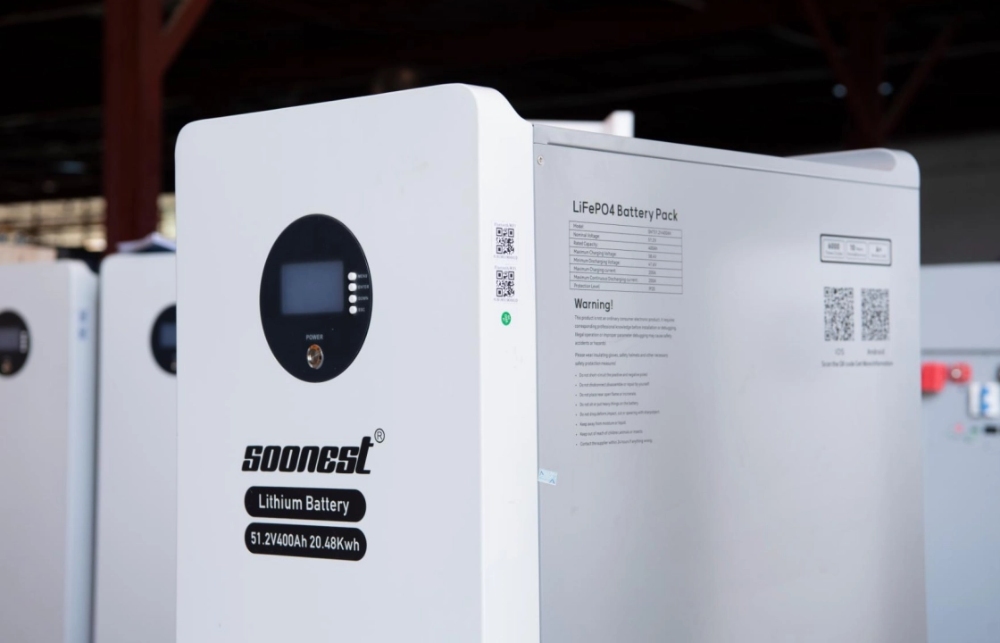
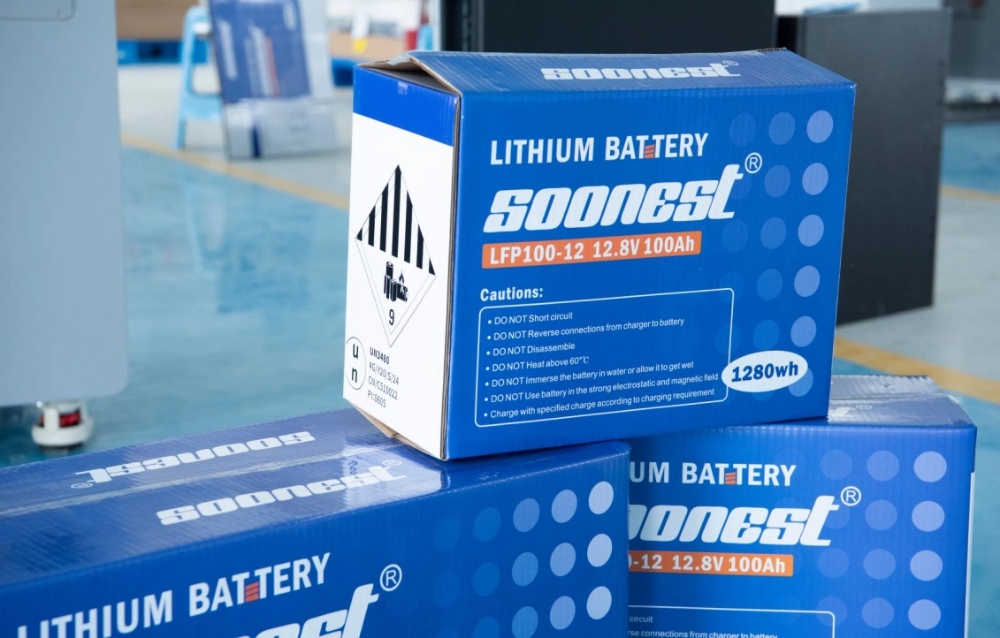
Für die Speicherung wichtiger Gleichstromenergie ist eine zuverlässige Reserve erforderlich. Diese Lithium-Eisenphosphat-Akkus (LiFePO4) verwenden neue Zellen der Güteklasse A. Sie bieten über 6.000 Ladezyklen bei 80 % Entladung. Bleiakkus begrenzen die sichere Entladung auf 50 %. Diese Akkus erreichen 100 % ohne Beschädigung. Das verdoppelt die nutzbare Energie bei halbiertem Platzbedarf.
Tabelle 2: Aufschlüsselung der Batterietechnologie
| Spezifikation | Traditionelle Blei-Säure | SOONEST LiFePO4 Batterie |
|---|---|---|
| Zyklus Leben | 300 – 500 Fahrräder | 6.000 Fahrräder
|
| Nutzbare Energie | 50 % (Maximal sicheres DoD-Verhältnis) | 100 % (Verwendbar)
|
| Wartung | Benötigt Bewässerung/Belüftung | Zero Wartung
|
| Lebensdauer | 2 – 3 Jahre | 8 & 10+ Jahre
|
Intelligenter BMS-Schutz zur Gewährleistung langfristiger Stabilität
Jede SOONEST-Batterie verfügt über ein integriertes Batteriemanagementsystem (BMS). Dieses dient als zentrale Steuerung für die Speicherung. Das intelligente System überwacht Spannung, Stromfluss und Wärme, um Überladung oder Tiefentladung zu verhindern. Es gleicht außerdem die Zellen aus. Dadurch wird eine gleichmäßige Ladung im gesamten Akkupack gewährleistet. Die Gesamtausbeute und -lebensdauer verbessern sich deutlich.
Warum ist SOONEST der richtige Partner für Ihr autarkes Abenteuer?
Die Auswahl solider Ausrüstung ist nur ein Teil des Ganzen. Ein Maker mit der Fähigkeit, kontinuierliche Siege einzufahren, ist aber genauso wichtig.
Zwei Jahrzehnte branchenführende Photovoltaik-Expertise
Die Photovoltaikbranche blickt auf 20 Jahre Erfahrung zurück. Diese langjährige Expertise schärft den technischen Fortschritt und ermöglicht die Entwicklung praxisnaher Lösungen für konkrete Probleme. Ob kleine Anlagen auf Baustellen oder einfache Installationen in einsamen Hütten – die gesammelten Erfahrungen und das vorhandene Know-how geben den Weg vor.
Komplettservice inklusive globaler Logistik und Unterstützung
Weltweiter Versand und Warenfluss können mühsam sein. Ein reibungsloser Komplettservice übernimmt Entwicklung, Entwicklung, Produktion und Vertrieb im Ausland. Exporte erreichen den Nahen Osten und Amerika. Jedes Projekt wird mit professioneller Technologie und umfassender Nachbetreuung begleitet.
Zertifizierte Qualitätsstandards für Sicherheit und Zuverlässigkeit
Für die Stromversorgung im Haushalt sind keine Sicherheitsabschaltungen erforderlich. Alle SOONEST-Produkte erfüllen strenge internationale Standards wie CE, RoHS, UL und ISO. Batterien und Wechselrichter sind für Temperaturen von -10 °C bis +55 °C geeignet. Die Systeme arbeiten zuverlässig, selbst in sandigen Gebieten oder auf steilen Gipfeln.
Wie können Sie SOONEST für Advanced Power kontaktieren? Lösungen?
Die Schritte zu besseren Erträgen sind einfach. Hilfe wartet darauf, die Lasten zu prüfen und ein Design mit maximaler Wattzahl zu entwickeln.
Professionelle technische Beratung für die maßgeschneiderte Systemdimensionierung
Schluss mit dem Rätselraten bei der Wahl von Solaranlagen oder Solarmodulen. Experten geben klare Tipps zur Berechnung des täglichen Stromverbrauchs und der Sonnenstunden. Die individuelle Planung passt die Anlagen an den täglichen Bedarf an. So werden zusätzliche Stromkäufe und Stromausfälle vermieden.
Umfassender Kundendienst und Garantieleistungen
Hochwertige Technik wird umfassend unterstützt. Die Hauptbatterieleitungen haben eine 5-jährige Garantie. Zehn Jahre zuverlässiger Betrieb sind garantiert. Bei Problemen hilft das Support-Team schnell und unkompliziert.
Online-Anfrageportal für globale B2B-Partnerschaften
Teilehersteller, -händler und -vertriebspartner sind herzlich eingeladen, ihre Kräfte zu bündeln. Die Zusammenarbeit mit SOONEST bringt starke Vorteile. Gleichstrombetriebene Geräte zu lokalen Standorten. Es treibt den weltweiten Wandel hin zu grüner, nachhaltiger Energie voran.
Zhejiang SOONEST New Energy Co., Ltd. verspricht weltweit sparsame und sichere Energieversorgung. Für Privatpersonen, die nach Unabhängigkeit streben, und für Händler, die hochwertige Komponenten benötigen, bietet sich hier eine ideale Lösung.
Häufig gestellte Fragen
F: Kann ich mit Gleichstrom betriebene Geräte direkt über meine Solarpaneele betreiben?
A: Einige Geräte verfügen über interne Steuerungen, die beste Lösung ist jedoch die Verbindung über ein Ladegerät und eine Powerbank. Dadurch bleibt die Spannung konstant. Die Geräte funktionieren auch dann, wenn Wolken die Sicht behindern.
F: Warum wird mein Wechselrichter heiß, auch wenn ich keine Wechselstromgeräte benutze?
A: Der innere Widerstand und der Leerlaufstrom verursachen dies. Das Gerät zieht Strom, um die Felder zu halten und die Platinen aktiv zu halten. Verlorene Energie wird in Wärme umgewandelt. Der Wechsel zu Gleichstrom reduziert diesen Energieverlust deutlich.
F: Ist eine LiFePO4-Batterie für meinen Haushalt sicherer als eine herkömmliche Lithiumbatterie?
A: Ja. LiFePO4 basiert auf einer festen Kristallstruktur, die hohe Temperaturen speichert. Andere Typen bergen die Gefahr von Hitzestau, Brand oder Explosionen. Diese eignen sich am besten für den Heimgebrauch.