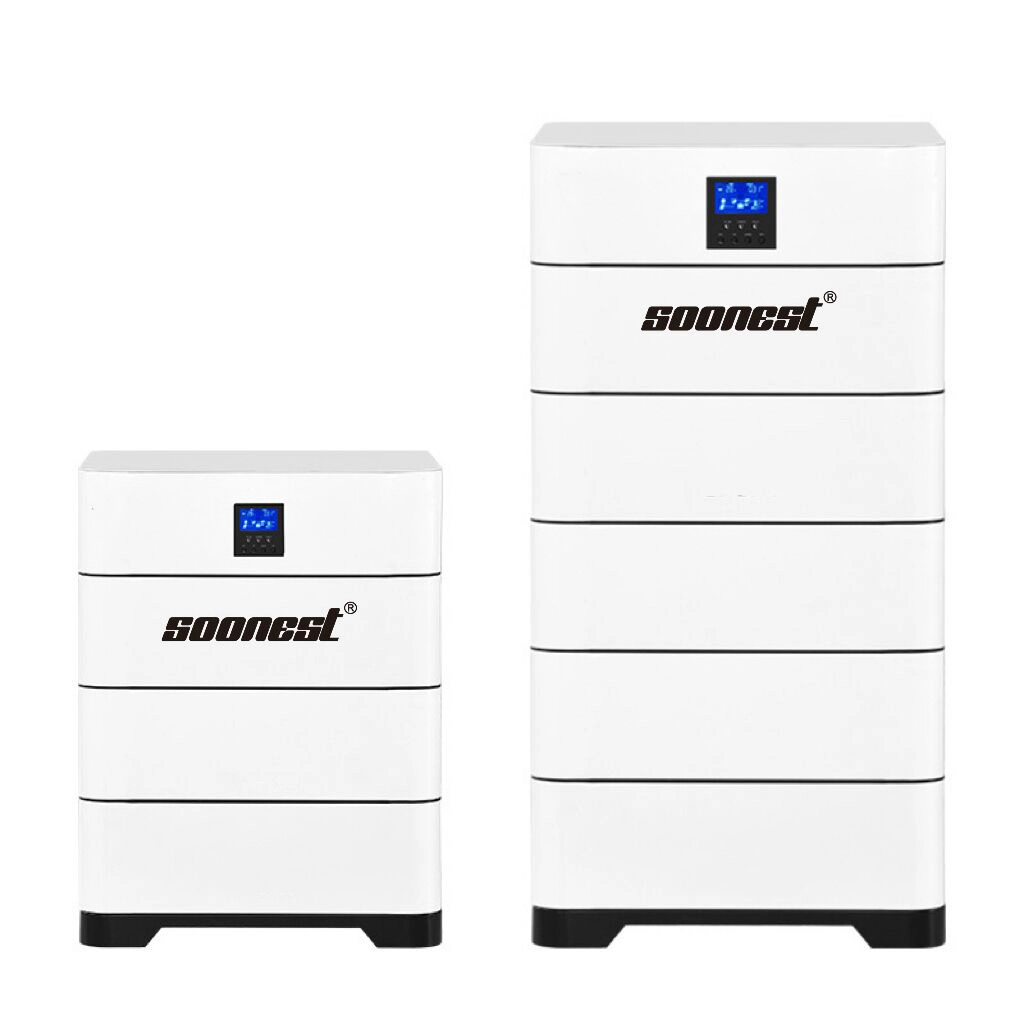
Si les inquiétudes concernant les grandes batteries dans votre maison vous maintiennent éveillés la nuit, beaucoup d’autres ressentent la même chose. En tant que personne ayant des années d'étude sur les risques liés aux énergies renouvelables, je peux expliquer que l'écart entre une installation protégée et une menace d'incendie possible dépend généralement du matériel à l'intérieur. À Zhejiang SOONEST nouvelle énergie Co., Ltd.Nous avons investi deux décennies dans le perfectionnement des options d'énergie solaire en tant que fournisseur de services complets de confiance. Nous fournissons des solutions OEM et ODM personnalisées pour vous assurer que votre configuration d'alimentation fonctionne en douceur et de manière fiable. Nos articles répondent aux contrôles de sécurité mondiaux clés, tels que les approbations CE, ROHS, UL et ISO, et nous les expédions à des maisons en Europe, en Amérique et en Afrique. Notre objectif reste d'améliorer la vie quotidienne avec des options d'alimentation pratiques et économiques. Pour voir nos résultats pratiques, regardez notre cas de solution pour comprendre comment nous aidons les gens à transformer leurs toits en sources d'énergie sûres. Dans cette pièce, nous explorons pourquoi la résistance thermique spéciale de LiFePO4 définit comme le choix principal pour le stockage solaire à domicile.
Pourquoi la stabilité thermique est-elle la clé de la sécurité du stockage solaire?
Placer une batterie dans votre garage ou sous-sol nécessite une forte résistance à la chaleur comme protection principale. Cette qualité signifie que la batterie peut gérer les changements chimiques sous une chaleur intense ou une tension électrique. En l'absence, la batterie devient un véritable danger.
Prévention de la fuite thermique dangereuse
La fuite thermique constitue le plus grand danger dans les installations de stockage du lithium. Il commence comme un processus où la chaleur croissante provoque plus de chaleur auto-générée, menant potentiellement à des fumées, des flammes ou des explosions. Des conceptions instables peuvent provoquer cela à des niveaux de chaleur plus doux du surremplissage ou des dommages physiques. Le choix d'un matériau sûr maintient la batterie calme et stable, même dans des conditions extérieures difficiles.
Structures chimiques stables de cristal d'olivine
La sécurité au cœur vient des petits blocs de construction. Les unités de phosphate de lithium et de fer reposent sur un cristal d'olivine ferme. Contrairement aux types de lithium courants comme le NMC ou les variétés de cobalt, l'oxygène dans cette configuration se lie étroitement au phosphore. Cette liaison ferme empêche l'échappement de l'oxygène en cas de chaleur extrême ou de charge excessive. Comme le feu a besoin d'oxygène, cette résistance intégrée protège la batterie des allumages aléatoires.
Performance fiable à des températures extrêmes
Un système solide doit fonctionner dans les hivers froids ou les déserts chauds. Les batteries au phosphate de lithium et de fer de qualité supportent des taches de -20°C à 55°C sans problème. À -20°C, avec les bonnes commandes, ils maintiennent une puissance supérieure à 80%, tandis que les anciens types de plomb-acide cessent souvent dans un tel froid. Cette résistance maintient l'énergie de secours active en cas de mauvaise météo, tout en maintenant la sécurité.
Comment le LiFePO4 surpasse-t-il les produits chimiques traditionnels du lithium?
Comprendre la sécurité de stockage solaire moderne signifie la regarder par rapport aux méthodes passées. Le lithium standard fonctionne bien pour les petits gadgets comme les téléphones, mais il manque à la sécurité difficile nécessaire pour les grands systèmes domestiques.
Seuils de résistance à la température considérablement plus élevés
La fuite de chaleur se produit lorsque les batteries atteignent un certain point de chaleur. Pour les types NMC lithium-ion habituels, ce point est d'environ 150°C à 200°C. D'autre part, les unités LiFePO4 résistent au-delà de 500°C pour s'échapper. Cela correspond à l'acier’ niveau de fusion. Les unités domestiques se rapprochent rarement de 500 ° C en utilisation quotidienne, de sorte que les risques d'incendie chimique tombent à presque zéro.
Élimination des éléments métalliques lourds toxiques
Le lithium commun comprend souvent le cobalt ou le nickel, des métaux lourds qui apportent des inquiétudes écologiques et de sécurité dans la fabrication et l'élimination. Les types de phosphate sautent ces parties nocives. Ils se révèlent plus gentils avec la planète et meilleurs pour les endroits intérieurs. Dégâts à une unité gagné’ t répandre des métaux dangereux autour de votre espace.
Réduction du risque de court-circuits internes
Les courts-circuits à l'intérieur proviennent souvent de l'accumulation de dendrite ou de la rupture du fluide dans les batteries standard. La stabilité des électrolytes phosphatiques réduit les chances de ces problèmes intérieurs. La configuration reste solide sous une utilisation intensive au fil du temps, préservant la batterie’ condition pendant de nombreuses années.
| Caractéristique | Lithium traditionnel (NMC) | Stockage LiFePO4 |
|---|---|---|
| Temp de fuite thermique | ~150°C – 210°C |
> 500°C
|
| Matériaux toxiques | Contient du cobalt/nickel
|
Zéro métaux lourds
|
| Vide du cycle (80 % du ministère de la Défense) | 1,000 – 2 000 cycles
|
6000 cycles
|
| Niveau de sécurité | Risque modéré |
Extrêmement sûr
|
Quelles mesures intelligentes protègent les batteries au lithium les plus tôt?
La sécurité va au-delà du maquillage de base; il comprend des contrôles intelligents qui surveillent votre énergie. Chaque unité de nous se couche en plusieurs gardes pour une confiance 24h/24.
Systèmes intégrés de gestion intelligente des batteries
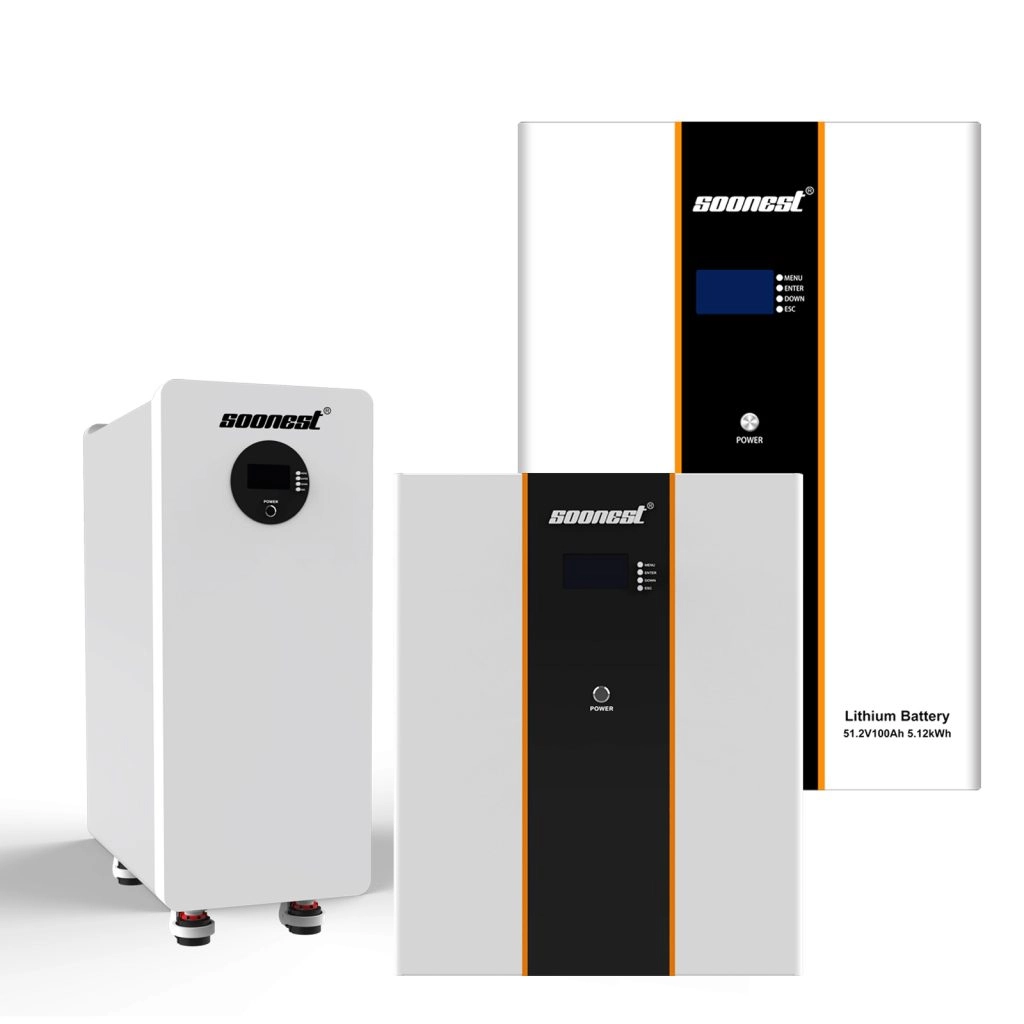
Chaque SOONEST Batterie Lithium Ion Il comprend un système de gestion de batterie (BMS). Cela agit comme la batterie’ centre de contrôle. Il suit immédiatement la tension, le débit et la chaleur dans chaque cellule. Découvrir un problème comme un saut de puissance ou trop de chaleur déclenche une coupure instantanée pour éviter les dommages. Il équilibre les charges à travers les cellules aussi, augmentant l'unité’ la vie et la sortie.
Surveillance en temps réel avec connectivité Bluetooth
L'état de la batterie doit toujours rester clair, pas un mystère. Les configurations actuelles sont reliées via Bluetooth et Wi-Fi. Une application téléphonique vous permet de visualiser le niveau de charge et la chaleur de n'importe où dans la maison. Une telle ouverture aide à ajuster la consommation d’énergie et à détecter les risques tôt, avant qu’ils ne se transforment en menaces réelles.
Conformité aux normes mondiales de sécurité obligatoires
Nous soutenons les allégations de sécurité avec des contrôles extérieurs stricts, pas seulement des mots. Notre équipement suit des règles telles que UL 1973 et CE. Ceux-ci impliquent des essais d'automne, des tests d'endurance à la chaleur et des examens de prothèses contre chocs. Ces marques confirment que l'équipement a supporté des essais difficiles et convient bien aux paramètres domestiques.
Quels modèles sont les meilleurs pour l'indépendance énergétique de la maison?
Choisir des charnières d'engrenage adaptées à la taille de votre pièce et à vos besoins de puissance. Nous offrons des choix flexibles qui soulignent la sécurité parallèlement à un travail solide.
Les batteries lithium-ion montées au mur les plus tôt
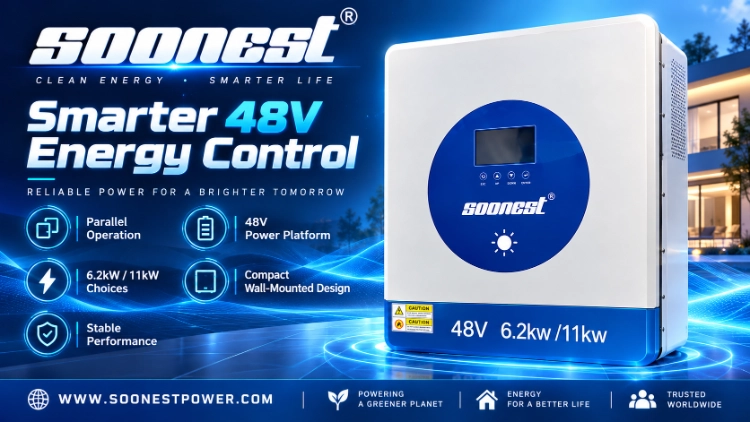
Dans les maisons de courte superficie au sol, la batterie SOONEST Lithium Ion s'adapte parfaitement. Ces modèles 48V/51,2V capables de tenir de 5kWh à 25kWh ou plus. L'installation s'avère simple, et ils s'associent à de nombreux convertisseurs solaires. Aucune maintenance nécessaire, ainsi que des mesures de sécurité solides, signifient une sauvegarde constante pour les éléments de base tels que les lumières, les réfrigérateurs et les appareils de santé.
Les batteries solaires LiFePO4 de cycle profond les plus tôt
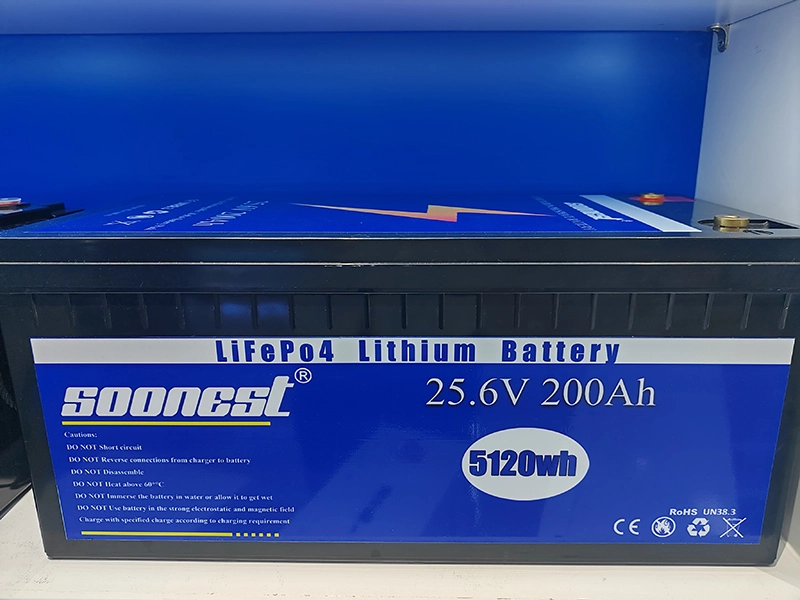
Pour rafraîchir un ancien arrangement, le SOONEST Batterie solaire à cycle profond LiFePO4 sert de bon échange pour ceux lourds plomb-acide. Les versions 12,8V et 25,6V occupent la moitié de la pièce et pèsent beaucoup moins, facilitant le placement dans les campers, les cabanes ou les garages. Ils durent plus de 10 ans, avec plus de 6000 utilisations à 80% de tirage.
Configurations parallèles évolutives pour une stabilité améliorée
Les besoins en énergie peuvent augmenter au fil du temps. Nos conceptions permettent de relier plusieurs paquets côte à côte pour augmenter le stockage. Commencez petit à 5kWh, puis augmentez à 50kWh ou plus à mesure que les besoins de la famille s’étendent. Cette liaison flexible ajoute aussi la sauvegarde ; un paquet’ s vérification a gagné’ t empêche le reste de courir.
| Spécification | Batterie au plomb-acide | SOONEST LiFePO4 |
|---|---|---|
| Profondeur de décharge (DoD) | ~50%
|
80% – 100%
|
| cycle de vie | 300 – 500 cycles |
6000 cycles
|
| Poids | Lourd / encombrant |
Ultra léger
|
| garantie | Généralement 1-2 ans |
Garantie de 5 ans
|
Pourquoi le soutien professionnel est-il essentiel pour la sécurité solaire?
Une batterie sécurisée nécessite plus que des pièces de qualité; Cela nécessite une planification qualifiée et une aide constante.
Vingt ans d’expertise dans l’industrie photovoltaïque
Depuis plus de vingt ans, nous avons installé des installations solaires pour plus de 1 000 clients à proximité. Un tel savoir-faire permet de repérer les obstacles à la sécurité que les nouvelles entreprises négligent. Nous savons combiner panneaux, convertisseurs et batteries en un tout unifié et protégé.
Capacités complètes de service OEM et ODM
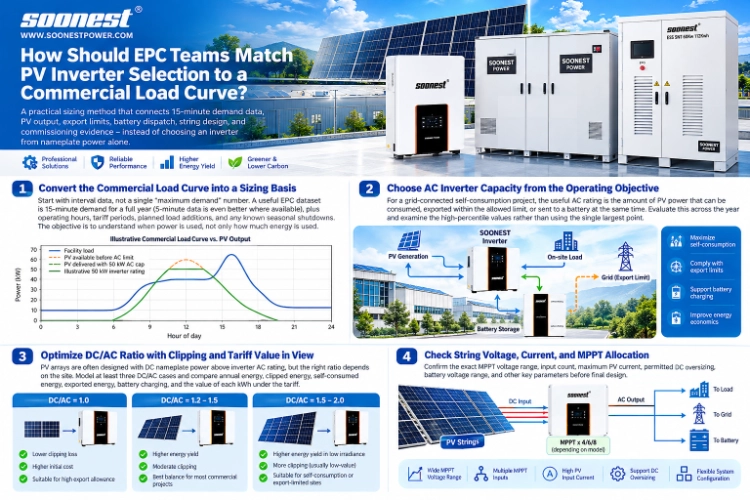
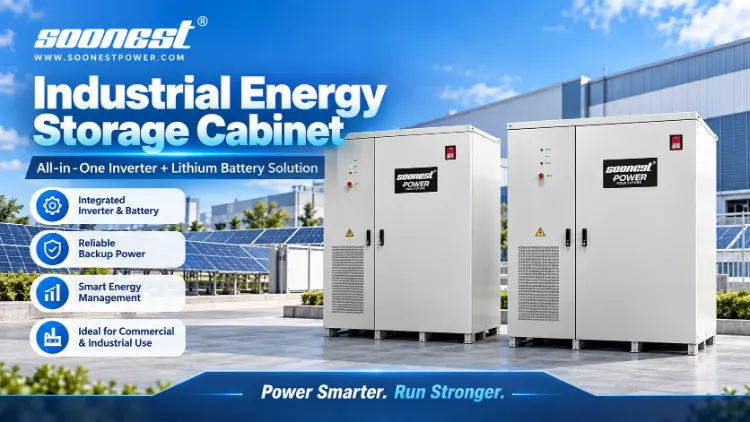
Aucune maison ne correspond exactement. Nous fournissons des services sur mesure pour répondre aux besoins variés des utilisateurs. Besoin d'un certain niveau de puissance pour l'utilisation en bateau ou d'une grande unité d'étagère pour les affaires? Nos spécialistes s'adaptent à votre région’ Règles de sécurité.
Équipes techniques et après-vente mondiales dédiées
La sécurité se poursuit au-delà de la phase de mise en place. Notre équipe technique et de soutien qualifiée fournit des soins de haut niveau sur le système’ S pleine course. De la mise en place de contrôles à distance à l'examen de l'état de la batterie, notre équipe maintient votre vie autonome en sécurité.
Prêt à protéger votre lieu avec une solution fiable et efficace LiFePO4 option de stockage ? Nous sommes prêts à vous aider. En savoir plus à propos de nous ou contactez-nous pour un devis personnalisé sur votre configuration d'alimentation.
FAQ (questions fréquentes)
Q: Les batteries LiFePO4 sont-elles plus sûres que les batteries au lithium de mon ordinateur portable?
A : Absolument. Les ordinateurs portables utilisent généralement du matériau NMC, chargé de puissance mais plus faible à la chaleur à environ 200 °C. Les choix solaires à domicile reposent sur le LiFePO4, beaucoup plus stable et capable de supporter jusqu'à 500°C sans problème.
Q: Ces batteries peuvent-elles être installées dans mon salon?
A: Ils sont classés très sûrs et ne dégagent pas de gaz ou de vapeurs nocifs dans le travail de routine. Néanmoins, respectez les règles de la zone pour les meilleurs résultats. Beaucoup les placent dans des garages, des niveaux inférieurs ou des espaces de travail pour la facilité.
Q : Combien de temps durera la batterie ?
A : Conçues pour l'endurance, ces unités brillent au fil du temps. Plus de 6000 charges complètes signifient que l'utilisation quotidienne s'étend au-delà de 15 ans. De plus, une promesse de 5 ans ajoute une assurance supplémentaire.