
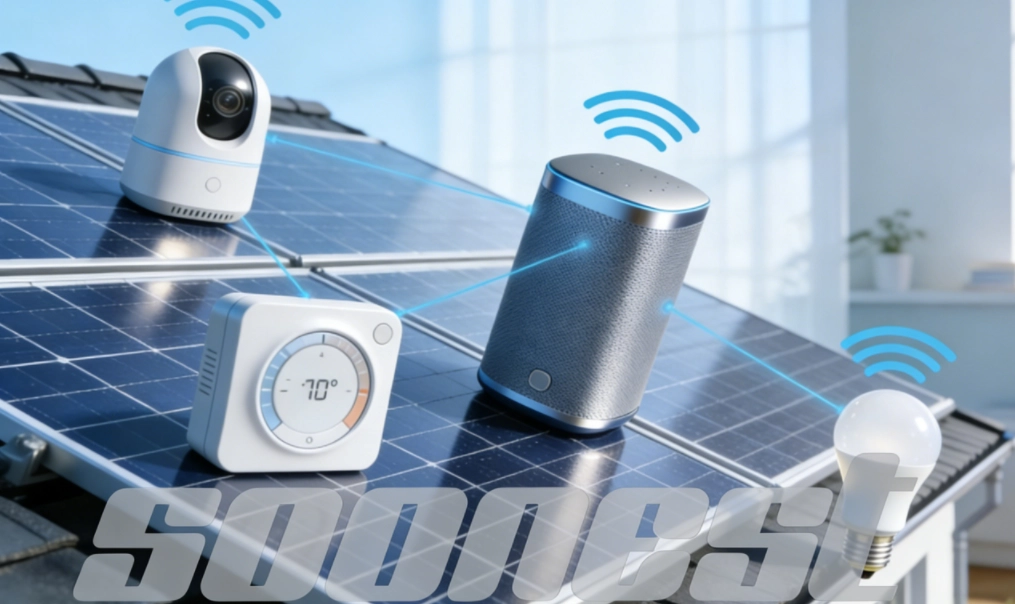
Home energy setups are evolving quickly these days. Higher power bills, strain on the electrical network, and advances in green power technology are urging people who own houses to reconsider how they create and handle electricity. Solar panels aren’t just isolated items on roofs anymore. Instead, they now form a key piece of a linked home power network, teaming up with clever gadgets, power reserves, and electronic controls.
This change is crafting a fresh approach to power in houses: places that produce, oversee, and use energy in a more managed and adaptable manner. Right at the heart of this transformation sits the pairing of powerful solar panels and intelligent home tech.
What Are The Latest Trends In Home Energy Solutions?
Power for homes is shifting from simple use to active involvement. Houses are becoming lively power hubs that adjust to cost changes, weather patterns, and everyday habits.
Solar Panels For Residential Use
Solar panels stay as the base of current home power setups. The International Energy Agency reports that worldwide home solar capacity has risen steadily, thanks to dropping prices for modules and better efficiency in panels. In various areas, rooftop solar already provides power at a cheaper long-term price than what’s supplied by the grid.
A key highlight now is the push for panels with greater wattage. Rather than covering roofs with lots of weaker units, owners of homes pick a smaller number of stronger panels. This method frees up space, shortens setup time, and boosts options for system layout.
Smart Home Energy Management Systems
Clever homes bring an extra level of oversight. Power doesn’t rush unchecked from the grid or solar panels to household items. Instead, smart meters, controllers, and mobile apps follow usage in real time, and they assist in evening out demands through the day.
With these smart tools growing more widespread, details about energy use turn simpler to understand and respond to. As a result, this setup lets solar power function more smoothly at the family level, even if big battery setups aren’t in place.
Hybrid Solar-Smart Home Integrations
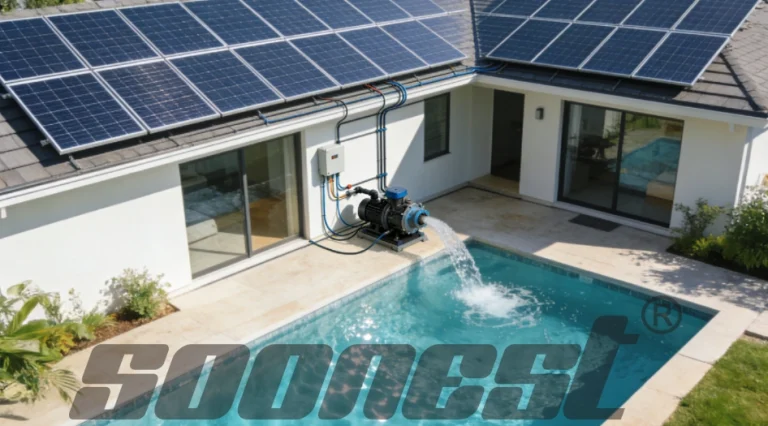
The most notable pattern is blending everything together. Solar panels, inverters, storage devices, and smart tools now talk through shared networks. Because of this, homes can move power needs to times when the sun shines, cut back on high-demand periods, and remain steadier when the grid fails briefly.
Such a combined arrangement changes solar power from a basic source into an essential element of everyday home functions.
Why Choose Solar Panels For Your Home Energy Needs?
Picking solar panels for a home isn’t usually about one reason alone. It often boils down to lasting worth, steadiness, and command over power expenses.
Cost Savings And Energy Independence
Prices for home electricity have climbed steadily in numerous places during the last ten years. Solar panels allow owners to secure a portion of their power costs for 20 to 30 years ahead.
The table below looks at average home electricity rates against the figured levelized cost of power from rooftop solar setups.
| Energy Source | Typical Cost Per kWh (USD) |
|---|---|
| Residential Grid Power (US Average) | 0.15 – 0.18 |
| Rooftop Solar (25-Year Lifetime) | 0.04 – 0.06 |
These figures explain why solar panels serve as protection against coming price hikes, and not merely as an eco-friendly addition.
Environmental Benefits And Sustainability
Solar power lowers direct emissions from households. For instance, a standard 5 kW home system might offset about 6 to 8 tons of CO₂ each year, based on the spot and the local grid’s makeup. Over the years, this builds into a substantial drop in harm to the environment.
For those homeowners who care about greener ways of living, solar power brings a clear and trackable shift without disrupting normal comfort.
Increased Home Value And Long-Term ROI
Various studies in real estate indicate that houses equipped with solar setups tend to sell quicker and for more money compared to similar ones lacking solar. Buyers view solar as fixed structures rather than something that can be taken away.
When linked with smart home controls, these solar systems also draw in buyers who appreciate tech and want clear views on energy plus automatic features.
How Do Smart Homes Enhance Solar Energy Use?
Solar panels make energy when the sun is out, but many homes draw the most power later in the evening. Smart homes bridge this difference in timing effectively.
Smart Energy Monitoring And Optimization
Dashboards for smart energy reveal exactly how power moves through a home. When people see data right away, their habits often adjust on their own. As a result, big-energy appliances shift to daytime runs, and pointless use stands out more clearly.
This sort of clear view makes solar energy far more practical without needing to alter the main equipment.
Automated Load Balancing And Storage Control
Automatic features hold a vital spot in aligning solar production with needs. Smart setups can put off or speed up cycles for appliances according to how much solar is coming in. Moreover, when batteries join in, the automation figures out the best times to save energy and let it out.
Through this, reliance on the grid drops during busy times, and energy flow evens out over the full day.
Integration With IoT Devices For Efficiency
Items like smart thermostats, light setups, and chargers for electric vehicles can all react to when solar power is available. Rather than sticking to set times, these devices work according to the energy situation at hand.
The outcome isn’t flawless, but it brings steady gains. Tiny tweaks across various devices add up to real savings in energy as time goes on.
What Makes SOONEST Solar Panels Stand Out?
Every solar panel isn’t made to fit into today’s blended systems. As setups grow more intelligent, the power from panels, their steadiness, and how well they match other parts become even more important.
High-Efficiency Performance Across Watt Options
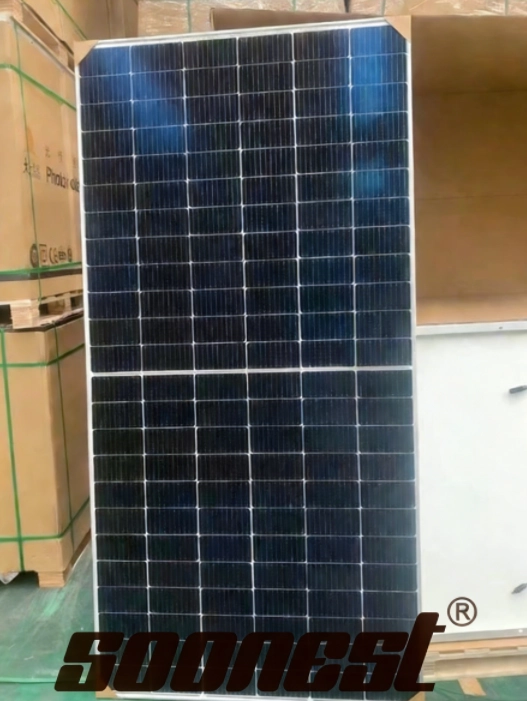
Le Bientôt MONO A series provides a broad choice of power levels, from 350W to 585W. This range lets planners of systems pick the right output to fit the roof’s size, its direction, and the home’s power needs.
Panels with more watts cut down on how many units are required overall, which eases the wiring and fitting process. This proves especially handy for city homes where roof area is tight.
Durable Design For Long-Term Reliability
Home solar panels face the elements for many years. The SOONEST MONO A panneaux use tough materials to cope with shifts in temperature, strong winds, and ongoing exposure to UV rays.
Reliable output through the years counts more than top efficiency in tests. In fact, steady performance is what ensures a home power system stays dependable season after season.
Compatibility With Smart Home Systems
SOONEST panels pair well with common inverters and tracking platforms. Therefore, they slip easily into smart home power networks without needing extra connectors or special arrangements.
For homeowners eyeing later additions like batteries or EV chargers, this easy fit keeps paths open for growth.
How To Integrate SOONEST Solar Panels With Smart Home Systems?
Blending starts with careful planning of the whole system, beyond just selecting the products.
Choosing The Right Inverter And Storage Setup
Inverters serve as the link between solar panels and home gadgets. It’s crucial to choose types that handle live tracking and smart oversight options.
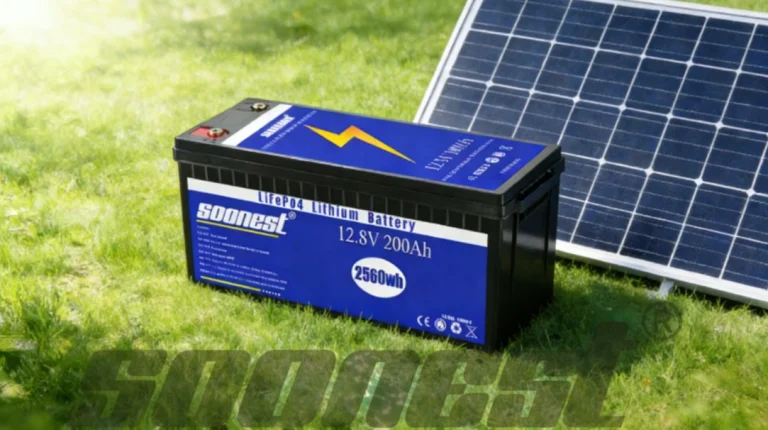
Storing power in batteries remains a choice, but it’s gaining ground. Even modest batteries can boost how much solar gets used on-site and offer backup during brief blackouts.
Setting Up Smart Energy Monitoring
Platforms for monitoring change basic data into helpful insights. When details on solar output, home usage, and grid trades appear in one spot, choices about energy get much sharper.
A growing number of systems provide access via phones, so checking how things run becomes straightforward without deep tech skills.
Optimizing Usage With Home Automation
Automation doesn’t call for tricky coding. Basic guidelines, like turning on water heaters when solar peaks, already bring noticeable benefits.
As these minor changes build up, solar setups yield greater returns with minimal work involved.
Recommended Product Spotlight: SOONEST MONO A Series
The SOONEST MONO A 350W, 450W, 550W, 575W, and 585W photovoltaic solar panels suit varied home applications. Various power levels match different roof designs, so planning systems feels more straightforward.
The table below compares how panels with higher watts perform in common home setups.
| Panel Power | Panels Needed For 6 kW System | Zone du toit requise |
| 350W | 18 | Plus grand |
| 450W | 14 | Moyen |
| 550W | 11 | Plus petite |
| 585W | 11 | Plus petite |
Needing fewer panels translates to fewer spots for mounting, less time for workers, and neater setups on the roof. In smart homes, where room and ease of systems count a lot, this edge shows up plainly.
SOONEST panels blend nicely into combined energy networks, delivering solid performance now and space for later improvements.
What Are The Future Prospects Of Solar-Smart Home Energy?
Power systems for homes keep developing steadily. Each year brings better software, storage methods, and ways to interact with the grid.
Tools based on AI for managing energy, charging from vehicles back to homes, and prices that change with demand will drive blending even deeper. Homes will adapt on their own to outside factors, moving away from rigid timetables.
Since expenses keep falling, setups combining solar and smart homes should turn into everyday choices rather than fancy extras.
FAQ (questions fréquentes)
Q1: How long do residential solar panels usually last?
A: Most modern solar panels are built to run for 25 to 30 years. Their output dips gradually over time, yet top-quality panels keep generating useful power long after the warranty ends.
Q2: Are high-wattage panels better for all homes?
A: High-wattage panels work great for roofs short on space, but designs must account for shadows, angles, and area-specific factors. Often, a well-balanced arrangement gives the strongest outcomes.
Q3: Do smart homes require batteries to work with solar panels?
A: Batteries aid the process but aren’t essential. Smart homes can still adjust energy patterns and raise solar use on-site without them, particularly where grids stay reliable.



 French
  English
  Russian
  German
  Spanish
  Portuguese
  Arabic