
The Residential Solar Market is changing because energy risk now feels closer to daily life. The price of oil, the shipping lanes, the tensions between U.S. and Iran, and the grid pressure have all become more immediate as the higher cost of power translates into higher electricity bills and unstable fuel prices, and the pressure to have back-up power. On May 11, 2026 Reuters reported that Brent crude jumped to $99.18 a barrel after the U.S. military conducted strikes against facilities in southern Iran, further imperiling peace talks and as the Strait of Hormuz continued to be the channel through which nearly 20% of the world’s oil and LNG passes.
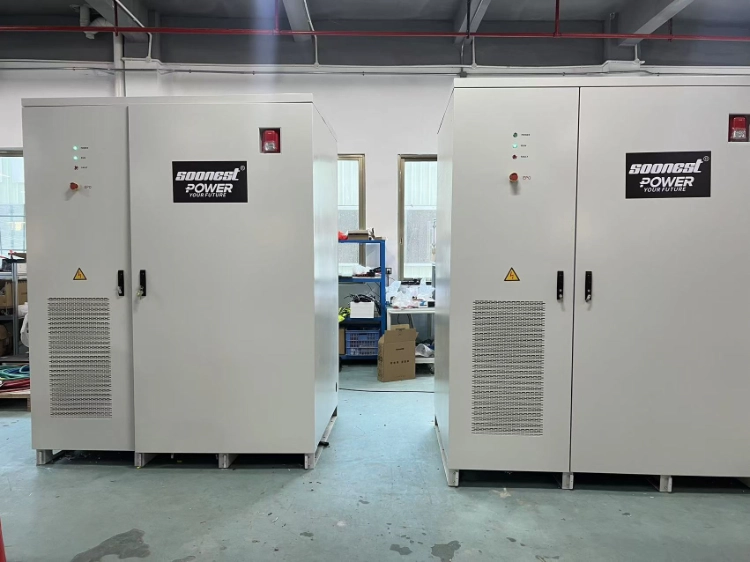
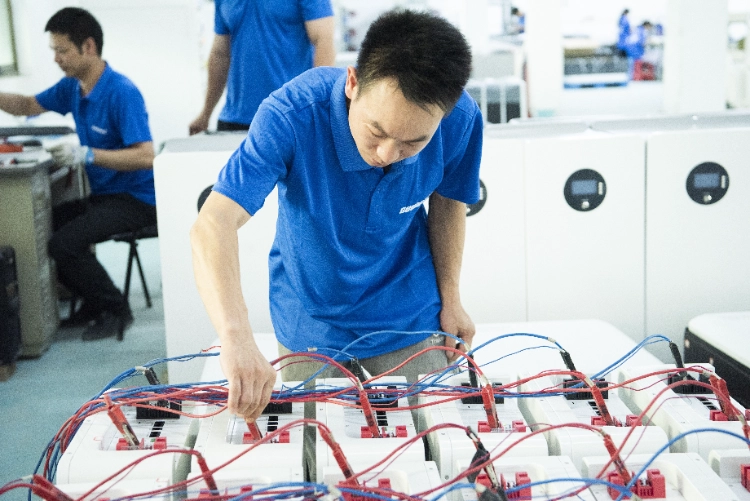
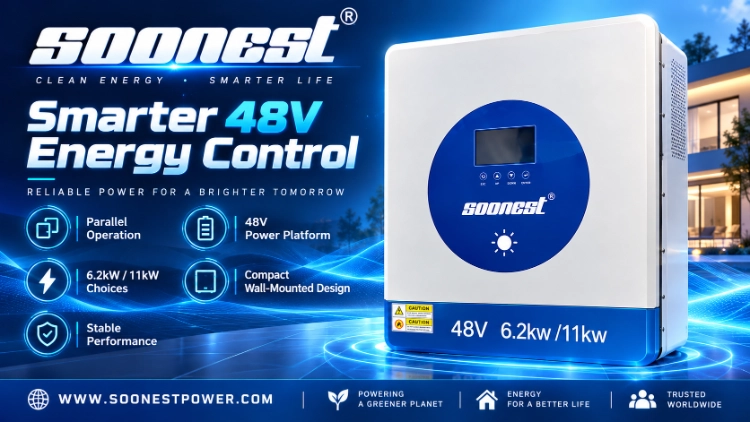
Against this background, SOONEST stands out as a practical solar partner for overseas residential and light commercial projects. The company manufactures solar panels as well as a range of other related products including solar inverters, energy storage systems, solar air conditioning systems and more. Their products hold various certifications such as CE, ROHS, SONCAP, UL and ISO and are exported to Asia, Africa, Europe, Middle East and The Americas. As China’s new energy supply chain keeps expanding globally, this kind of one-stop solar supplier gives homeowners, installers, and distributors a more stable way to respond to fuel-market uncertainty.
Why Is International Oil Volatility Pushing the Residential Solar Market Toward Rooftop Systems?
Oil volatility affects more than drivers and airlines. It can move inflation, electricity pricing, heating costs, and public views on energy security. The IEA’s May 2026 oil report also said world oil demand was forecast to fall by 420 kb/d year on year in 2026 because high prices, weaker economic conditions, and demand-saving measures were already affecting fuel use.
Unstable Fuel Prices And Household Energy Pressure
When fuel prices jump, homeowners may not see the full impact on the same day. It usually comes later, through higher utility bills, pricier transport, more expensive materials, or tighter family budgets. That delay can make the pressure harder to track.
This is why rooftop solar is getting attention. A rooftop photovoltaic system will not control crude oil prices. It will not reopen a shipping lane either. But it can reduce the amount of electricity you buy from the grid during sunny hours. For a home that runs air conditioning, washing machines, lighting, security devices, or small pumps during the day, that matters.
Residential Energy Security As A New Priority
Energy security used to sound like a government topic. Now it is much more personal. A homeowner may ask simple questions: What happens if power prices rise again? What if the local grid is weak? Can daytime sunlight cover part of the home load?
Photovoltaic modules answer part of that concern because they directly convert sunlight into DC electricity. The knowledge base describes PV modules as the core components of photovoltaic power plants, with module performance directly affecting system efficiency and stability.
Rooftop Space As A Private Power Asset
Many roofs sit under the sun every day and do nothing. A solar system turns that empty surface into a small power asset. Not exciting at first glance, maybe. But a roof that produces power for years becomes a very practical thing.
The Photovoltaic Solar Power Panel can be used as part of an independent power system or connected to the grid, providing clean energy for households and industries. It is made to convert solar energy into electricity through the photovoltaic effect, which fits the basic goal of rooftop independence.
How Are Residential Solar Buyers Changing Their Priorities In 2026?
Homeowners are not only asking for a cheap panel anymore. They are asking whether a system can reduce bills, fit roof space, handle weather, work with batteries later, and keep running with little trouble. That is a more serious buyer mindset, and honestly, it is a healthier one.
Lower Electricity Bills Over Short-Term Price Relief
Small lifestyle changes help, but they rarely change the structure of your bill. Turning off a few lights is good. A rooftop PV system can go further because it produces electricity during the same daytime period when many homes and small businesses are using power.
In the Residential Solar Market, this is where buyers become more practical. The decision is no longer only “green or not green.” It becomes a payback question, a family budget question, and sometimes a backup power question.
Higher Panel Efficiency In Limited Roof Areas
Most residential roofs are not endless. Chimneys, roof edges, shading, water tanks, and access paths all reduce usable area. So panel efficiency matters.
The knowledge base states that monocrystalline solar panels are made from a single pure silicon crystal, with a uniform dark appearance, high efficiency of 18% to 24%, durability, and a space-saving design. It also notes an average service life of about 25 years, with some manufacturers claiming 25 to 30 years.
| Module Type | Typical Efficiency | Practical Meaning For Homes |
|---|---|---|
| Monocrystalline Silicon | 18% to 24% | Higher output from limited roof space |
| Polycrystalline Silicon | 15% to 18% | Lower cost, but needs more area |
| Thin-Film Module | 10% to 12% | Flexible and light, but lower efficiency |
Stronger Demand For Complete Solar Systems
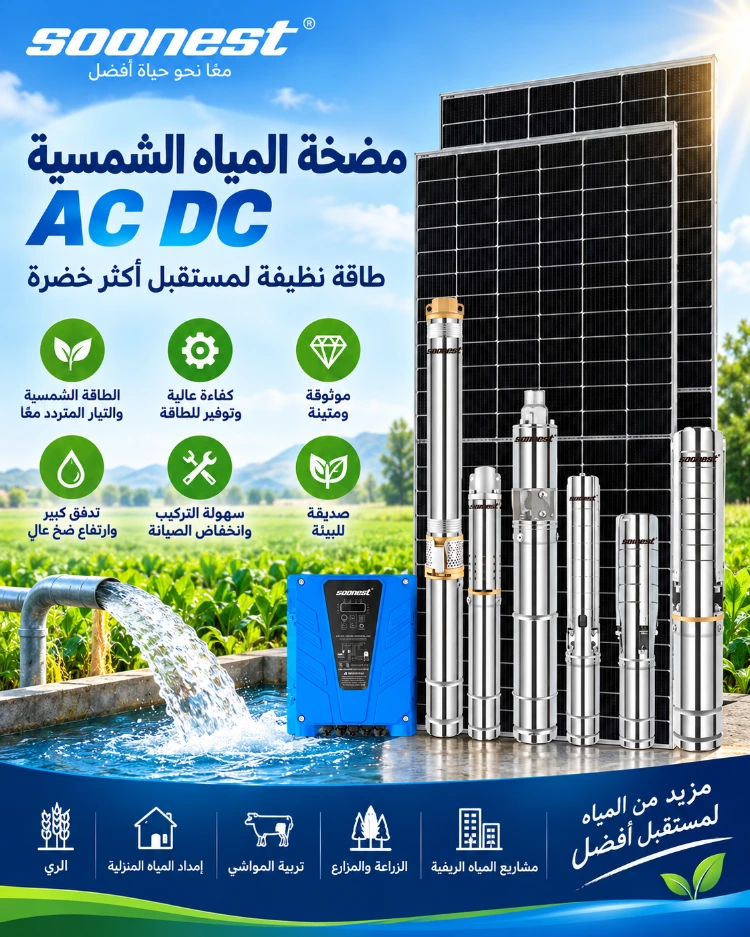
A panel is only one part of the system. You still need inverter matching, safe wiring, mounting, and sometimes battery storage. The product file lists residential rooftop systems, commercial energy storage, off-grid rural power, solar water pumps, EV charging stations, telecom backup, portable solar generators, marine and RV energy, industrial microgrids, and floating solar farms as application fields for solar power solutions.
That wide product base matters because your first project may be simple, but needs can grow. A homeowner may start with panels and later add a battery. A rural property may add water pumping. A small store may add backup power for refrigeration. Plans change. Systems should not trap you.
Why Does Photovoltaic Solar Power Panel Fit Residential Rooftop Projects?
A residential solar panel must be efficient, tough, weather-resistant, and easy to fit into real project conditions. The roof may be hot, dusty, windy, humid, or partly shaded. Real roofs are not laboratory benches. They are a bit messy.
Photovoltaic Solar Power Panel For Home Energy Independence
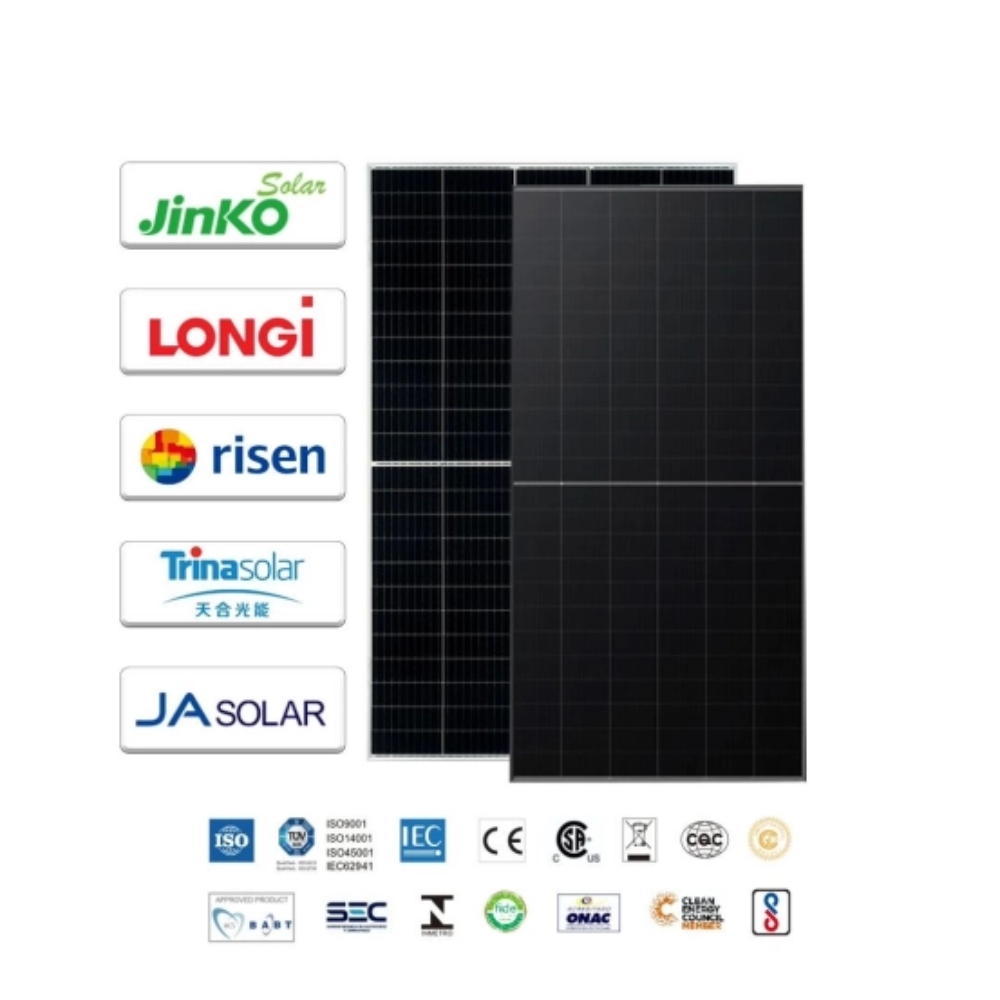
The Photovoltaic Solar Power Panel is a direct fit for homeowners who want cleaner daytime power and lower grid dependence. Its listed applications include residential rooftop power generation, off-grid camping and backup energy, solar street lighting, agricultural irrigation, EV and portable device charging, marine and RV power, industrial solar farms, disaster relief power, greenhouse energy management, and IoT sensor networks.
This broad use range is useful for distributors too. The same product family can serve a villa roof, a farm shed, a small shop, or a backup-power project.
350W To 585W Output Options For Different Roof Sizes
The selected product line includes 350W, 450W, 550W, 575W, and 585W options. That gives you room to match panel output with available roof space and budget. A small home may need fewer high-output panels. A larger roof can use more modules to cover heavier daytime loads.
This matters in the Residential Solar Market because households do not all use power the same way. One home may run only lights, fans, and basic appliances. Another may use air conditioning, EV charging, water pumps, and home office equipment. A fixed single-wattage approach would be too stiff.
IP68 Waterproofing And Low-Light Performance For Daily Use
The product file lists high-efficiency monocrystalline cells, lightweight design, IP68 waterproofing, flexible and bendable panel options, anti-reflective coating, easy plug-and-play installation, a built-in charge controller, durable tempered glass, high energy conversion rate above 22%, and low-light performance.
IP68 matters because roofs face rain, dust, and humidity. Another file explains that IP68 means full protection from dust intrusion and immersion in water over 1 meter deep for a certain period, although actual performance still depends on use environment and correct handling.
How Can Rooftop Solar Reduce Exposure To Oil-Driven Energy Risk?
Solar does not remove every energy risk, but it changes your position. Instead of buying all electricity from outside sources, you produce part of it locally. That is the key shift.
Daytime Self-Generation For Lower Grid Dependence
Daytime solar output can cover part of your daily use. For many homes, this can include fans, refrigerators, routers, lighting, washing machines, pumps, and daytime cooling. It sounds ordinary. That is exactly the point. Ordinary daily loads make up much of the bill.
When oil markets swing because of conflict, sanctions, or shipping worries, your rooftop output is still based on sunlight. The sun does not check crude futures before rising. Not a scientific sentence, but it is true enough for a homeowner.
Solar Plus Storage For Backup Power Planning
Pairing panels with energy storage can push energy independence further. The product file describes home battery options such as 48V or 51.2V wall-mounted lithium iron phosphate battery packs with 5kWh, 10kWh, 15kWh, 17.5kWh, 20kWh, 25kWh, and larger capacity choices, plus BMS protection and parallel expansion.
For off-grid homes or weak-grid areas, storage can keep lights, routers, and key appliances running after sunset. It also helps use more of the solar power generated during the day.
Long-Term Energy Savings Beyond Oil Cycles
Oil prices rise, fall, spike, and calm down again. Solar panels are different. Once installed, they keep generating for many years with relatively low maintenance. The knowledge base says solar panels do not have many complex electrical components, so they rarely break down or need constant maintenance, and many PV panels have a lifespan around 25 years or longer.
China’s solar supply chain is part of that wider affordability story. The IEA says China’s share in all major solar panel manufacturing stages, including polysilicon, ingots, wafers, cells, and modules, exceeds 80%, after more than USD 50 billion of investment in new PV supply capacity since 2011.
How Should Homeowners Choose A Reliable Solar Supplier?
Choosing a solar supplier is not only about panel wattage. It is also about certification, export experience, system matching, service response, and whether the product range can support future changes.
Certified Products For Global Residential Markets
Certifications matter in international projects. The company file lists CE, ROHS, SONCAP, UL, and ISO certifications, with export markets covering Asia, Africa, Europe, the Middle East, and the Americas.
For installers and distributors, this reduces friction. For homeowners, it gives a better starting point than buying unknown panels with unclear paperwork.
One-Stop Support From Panel Selection To System Matching
A good residential system starts with a few practical checks: roof size, direction, shading, local electricity price, average monthly use, peak load, and future plans. Then you can choose the right panel wattage, inverter, battery, and mounting plan.
The Photovoltaic Solar Power Panel should be seen as the core power-generation part of that system, not a stand-alone purchase tossed onto a roof. This is where technical guidance matters.
Service And Contact For Project Consultation
If you are planning a residential rooftop project, the next step is not just asking for the lowest price. Ask for system sizing, panel layout suggestions, inverter matching, storage options, shipping support, and after-sales service.
The Residential Solar Market will keep moving as oil prices, U.S.-Iran energy uncertainty, grid demand, and China’s new energy supply chain reshape buyer behavior. A roof that produces power gives you a little more control. In 2026, that control is worth paying attention to.
FAQ
Q: Why Is The Residential Solar Market Growing During Oil Volatility?
A: Because homeowners want lower grid dependence and more stable power costs when oil prices, shipping routes, and fuel-linked energy bills become uncertain.
Q: Is A Rooftop Solar System Useful Without A Battery?
A: Yes. Panels can reduce daytime grid use even without storage. A battery can be added later if you need evening backup, outage protection, or higher self-consumption.
Q: What Should You Check Before Buying Panels For The Residential Solar Market?
A: Check roof space, panel efficiency, waterproof rating, wattage options, inverter matching, battery plans, certifications, and service support before placing an order.