В Рынок солнечных батарей для жилых домов Ситуация меняется, потому что энергетические риски теперь ощущаются как нечто более близкое к повседневной жизни. Цена на нефть, судоходные пути, напряженность между США и Ираном, а также давление на энергосистему — все это стало более актуальным, поскольку более высокая стоимость электроэнергии приводит к увеличению счетов за электричество и нестабильным ценам на топливо, а также к необходимости наличия резервных источников питания. 11 мая 2026 года агентство Reuters сообщило, что цена на нефть марки Brent подскочила до 99,18 долларов за баррель после того, как американские военные нанесли удары по объектам на юге Ирана, что еще больше поставило под угрозу мирные переговоры, а Ормузский пролив продолжает оставаться каналом, через который проходит почти 20% мировых поставок нефти и СПГ.
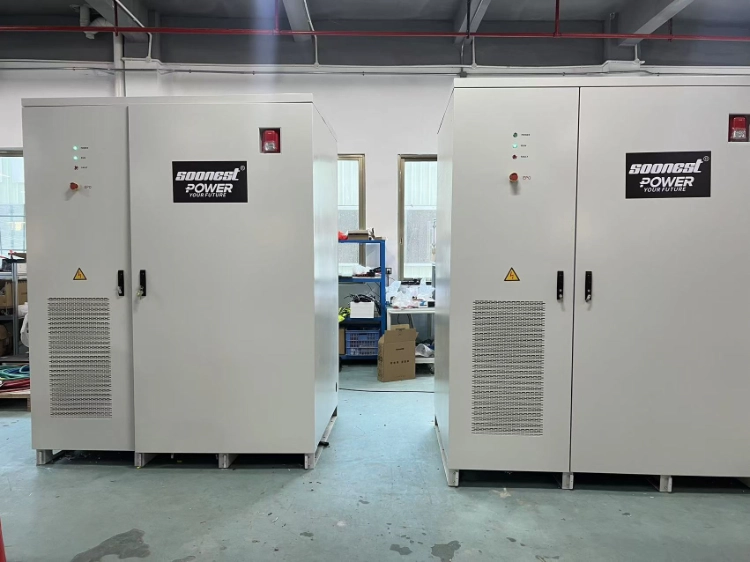
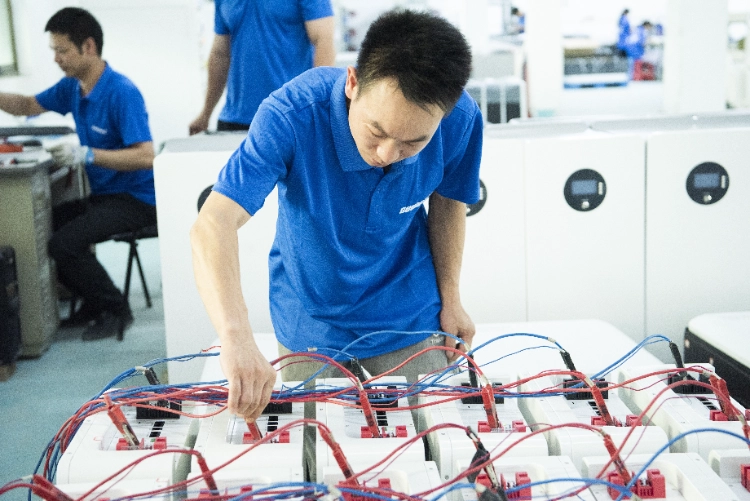
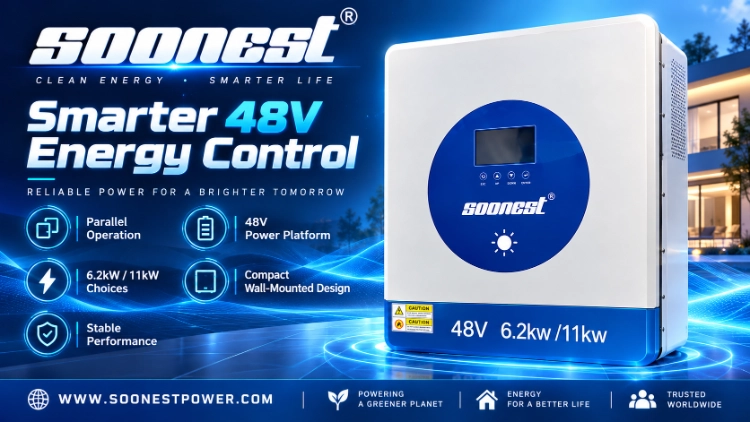
На этом фоне, Скоро выделяется как практичный партнер в области солнечной энергетики для зарубежных жилых и небольших коммерческих проектов. Компания Компания производит солнечные панели, а также широкий ассортимент сопутствующих товаров, включая солнечные инверторы, системы хранения энергии, солнечные системы кондиционирования воздуха и многое другое. Ее продукция имеет различные сертификаты, такие как CE, ROHS, SONCAP, UL и ISO, и экспортируется в Азию, Африку, Европу, Ближний Восток и Северную и Южную Америку. Поскольку глобальная цепочка поставок новых энергоносителей в Китае продолжает расширяться, такой универсальный поставщик солнечной энергии предоставляет домовладельцам, установщикам и дистрибьюторам более стабильный способ реагирования на неопределенность на топливном рынке.
Почему международная нестабильность на рынке нефти подталкивает рынок солнечных батарей для жилых домов к установке систем на крышах?
Волатильность цен на нефть влияет не только на водителей и авиакомпании. Она может влиять на инфляцию, цены на электроэнергию, стоимость отопления и общественное мнение об энергетической безопасности. В майском докладе МЭА за 2026 год также говорилось, что, согласно прогнозам, мировой спрос на нефть сократится на 420 тыс. баррелей в сутки в годовом исчислении в 2026 году, поскольку высокие цены, ухудшение экономических условий и меры по сокращению спроса уже влияют на потребление топлива.
Нестабильные цены на топливо и энергетическая нагрузка на домохозяйства
Когда цены на топливо резко растут, домовладельцы могут не ощутить всю силу этого скачка в тот же день. Обычно это происходит позже, в виде повышения счетов за коммунальные услуги, удорожания транспорта, роста цен на строительные материалы или сокращения семейного бюджета. Такая задержка может затруднить отслеживание последствий.
Вот почему солнечные батареи на крышах привлекают все больше внимания. Фотоэлектрическая система на крыше не сможет контролировать цены на нефть. Она также не откроет судоходные маршруты. Но она может уменьшить количество электроэнергии, которую вы покупаете из сети в солнечные часы. Для дома, где днем работают кондиционер, стиральная машина, освещение, системы безопасности или небольшие насосы, это имеет значение.
Энергетическая безопасность жилых зданий как новый приоритет
Раньше энергетическая безопасность казалась прерогативой правительства. Теперь же это гораздо более личный вопрос. Домовладелец может задать простые вопросы: что произойдет, если цены на электроэнергию снова вырастут? Что, если местная электросеть окажется слабой? Сможет ли дневной солнечный свет покрыть часть нагрузки на дом?
Фотоэлектрические модули частично решают эту проблему, поскольку они напрямую преобразуют солнечный свет в постоянный ток. В базе знаний фотоэлектрические модули описываются как основные компоненты фотоэлектрических электростанций, а их производительность напрямую влияет на эффективность и стабильность системы.
Крыши как частный энергетический актив
Многие крыши каждый день простаивают под солнцем, ничего не делая. Солнечная система превращает эту пустую поверхность в небольшой источник энергии. На первый взгляд, это может показаться не очень впечатляющим. Но крыша, которая вырабатывает электроэнергию годами, становится очень практичным решением.
В Фотоэлектрическая солнечная панель Может использоваться как часть автономной энергетической системы или подключаться к сети, обеспечивая чистой энергией домохозяйства и предприятия. Предназначен для преобразования солнечной энергии в электричество за счет фотоэлектрического эффекта, что соответствует основной цели обеспечения независимости от внешнего мира за счет солнечных батарей на крышах.
Как меняются приоритеты покупателей солнечных батарей для жилых домов в 2026 году?
Владельцы домов теперь интересуются не только дешевой панелью, но и тем, сможет ли система снизить счета за электроэнергию, поместиться на крыше, выдерживать погодные условия, работать с батареями в дальнейшем и бесперебойно функционировать. Это более серьезный подход покупателей, и, честно говоря, он гораздо полезнее.
Снижение счетов за электроэнергию за счет краткосрочного снижения цен.
Небольшие изменения в образе жизни помогают, но они редко меняют структуру ваших счетов за электроэнергию. Выключение нескольких светильников — это хорошо. Солнечная электростанция на крыше может быть более эффективной, поскольку она вырабатывает электроэнергию в тот же дневной период, когда многие дома и небольшие предприятия потребляют электроэнергию.
В Рынок солнечных батарей для жилых домовИменно здесь покупатели начинают мыслить более практично. Решение уже не сводится только к вопросу «экологично или нет». Оно превращается в вопрос окупаемости, семейного бюджета, а иногда и в вопрос резервного электропитания.
Повышение эффективности панелей на ограниченной площади крыши
Крыши большинства жилых домов не бесконечны. Дымоходы, кромки крыши, навесы, резервуары для воды и проходы — все это уменьшает полезную площадь. Поэтому эффективность панелей имеет значение.
В базе знаний указано, что монокристаллические солнечные панели изготавливаются из одного чистого кристалла кремния, имеют однородный темный цвет, высокую эффективность от 18% до 24%, долговечность и компактную конструкцию. Также отмечается средний срок службы около 25 лет, при этом некоторые производители заявляют о 25-30 годах.
| Тип модуля | Типичная эффективность | Практическое значение для домов |
|---|---|---|
| Монокристаллический кремний | от 18% до 24% | Более высокая производительность при ограниченной площади крыши. |
| Поликристаллический кремний | от 15% до 18% | Более низкая стоимость, но требуется большая площадь. |
| Тонкопленочный модуль | от 10% до 12% | Гибкие и легкие, но с более низкой эффективностью. |
Повышенный спрос на комплексные солнечные системы
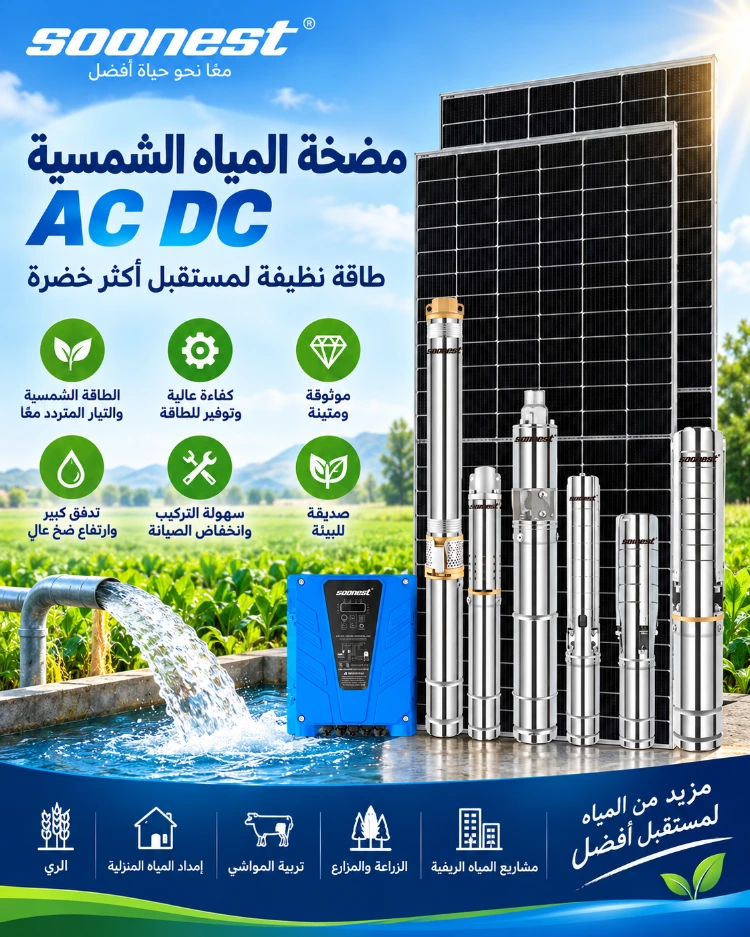
Солнечная панель — это лишь одна часть системы. Вам по-прежнему потребуется согласование инвертора, безопасная проводка, монтаж, а иногда и аккумуляторное хранилище. В каталоге продукции перечислены следующие области применения решений на основе солнечной энергии: системы для жилых крыш, коммерческие системы хранения энергии, автономные системы электроснабжения в сельской местности, солнечные водяные насосы, зарядные станции для электромобилей, резервные системы связи, портативные солнечные генераторы, энергетика для морских судов и автодомов, промышленные микросети и плавучие солнечные электростанции.
Широкий ассортимент продукции имеет значение, потому что ваш первый проект может быть простым, но потребности могут расти. Домовладелец может начать с солнечных панелей, а позже добавить аккумулятор. В сельской местности может потребоваться насос для воды. Небольшой магазин может добавить резервное электропитание для холодильника. Планы меняются. Системы не должны вас ограничивать.
Почему фотоэлектрические солнечные панели подходят для установки на крышах жилых домов?
Солнечная панель для жилого дома должна быть эффективной, прочной, устойчивой к погодным условиям и легко устанавливаемой в реальных условиях проекта. Крыша может быть жаркой, пыльной, ветреной, влажной или частично затененной. Реальные крыши — это не лабораторные столы. Там довольно грязно.
Фотоэлектрическая солнечная панель для энергетической независимости вашего дома
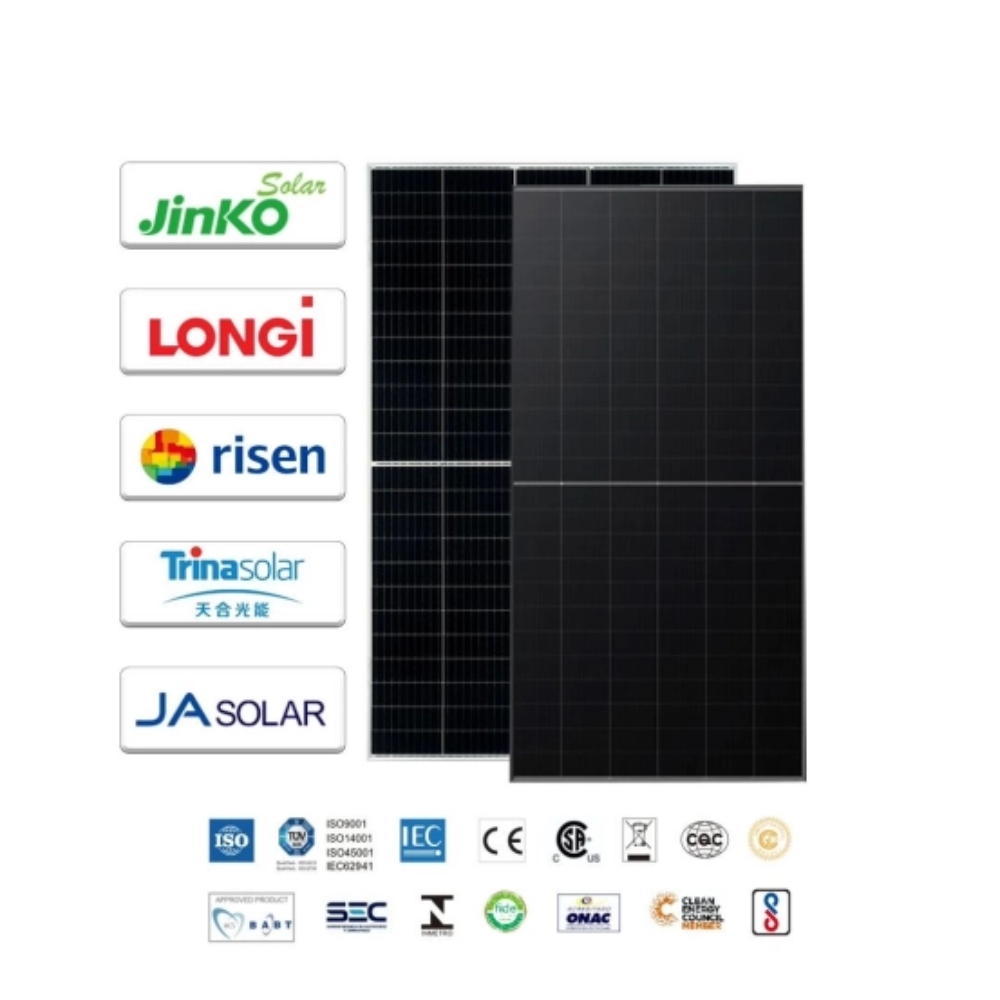
В Фотоэлектрическая солнечная панель Это решение идеально подходит для домовладельцев, желающих получать более чистую дневную электроэнергию и снизить зависимость от сети. В числе перечисленных областей применения: выработка электроэнергии на крышах жилых домов, автономное электроснабжение для кемпинга и резервное энергоснабжение, солнечное уличное освещение, сельскохозяйственное орошение, зарядка электромобилей и портативных устройств, электроснабжение морских судов и автодомов, промышленные солнечные электростанции, электроснабжение при стихийных бедствиях, управление энергопотреблением в теплицах и сети датчиков IoT.
Такой широкий спектр применения полезен и для дистрибьюторов. Одна и та же линейка продукции может использоваться для крыши виллы, фермерского сарая, небольшого магазина или проекта резервного электроснабжения.
Варианты выходной мощности от 350 Вт до 585 Вт для крыш разных размеров.
В выбранную линейку продукции входят варианты мощностью 350 Вт, 450 Вт, 550 Вт, 575 Вт и 585 Вт. Это позволяет подобрать мощность панелей в соответствии с доступной площадью крыши и бюджетом. Для небольшого дома может потребоваться меньшее количество мощных панелей. Для крыши большего размера можно использовать больше модулей для покрытия более высоких дневных нагрузок.
Это имеет значение в Рынок солнечных батарей для жилых домов Потому что домохозяйства используют электроэнергию по-разному. В одном доме могут работать только светильники, вентиляторы и основные бытовые приборы. В другом — кондиционер, зарядка электромобилей, водяные насосы и оборудование для домашнего офиса. Подход с фиксированной мощностью был бы слишком жёстким.
Водонепроницаемость IP68 и работа в условиях низкой освещенности для повседневного использования.
В описании продукта указаны высокоэффективные монокристаллические элементы, легкая конструкция, водонепроницаемость IP68, гибкие и сгибаемые варианты панелей, антибликовое покрытие, простая установка по принципу «подключи и работай», встроенный контроллер заряда, прочное закаленное стекло, высокий коэффициент преобразования энергии (более 22%) и высокая производительность при слабом освещении.
Степень защиты IP68 важна, поскольку крыши подвергаются воздействию дождя, пыли и влажности. В другом документе поясняется, что IP68 означает полную защиту от попадания пыли и погружения в воду на глубину более 1 метра на определенный период времени, хотя фактическая эффективность все же зависит от условий эксплуатации и правильного обращения.
Как установка солнечных батарей на крыше может снизить риски, связанные с энергоснабжением, зависящим от нефти?
Солнечная энергия не устраняет все энергетические риски, но меняет вашу позицию. Вместо того чтобы покупать всю электроэнергию из внешних источников, вы производите часть её самостоятельно. В этом и заключается ключевое изменение.
Самостоятельная генерация электроэнергии в дневное время для снижения зависимости от электросети.
Выработка солнечной энергии в дневное время может покрыть часть вашего ежедневного потребления. Для многих домов это может включать вентиляторы, холодильники, роутеры, освещение, стиральные машины, насосы и дневное охлаждение. Звучит обыденно. В этом-то и суть. Обычные ежедневные нагрузки составляют значительную часть счета за электроэнергию.
Когда нефтяные рынки колеблются из-за конфликтов, санкций или проблем с транспортировкой, выработка вашей электроэнергии на крыше по-прежнему зависит от солнечного света. Солнце не проверяет фьючерсы на нефть перед восходом. Это не научная фраза, но для домовладельца она вполне верна.
Солнечная энергия плюс накопители для планирования резервного электроснабжения
Сочетание солнечных панелей с накопителями энергии может еще больше повысить энергетическую независимость. В описании продукта представлены варианты домашних аккумуляторных батарей, такие как настенные литий-железо-фосфатные аккумуляторные блоки на 48 В или 51,2 В емкостью 5 кВт·ч, 10 кВт·ч, 15 кВт·ч, 17,5 кВт·ч, 20 кВт·ч, 25 кВт·ч и более крупные варианты, а также защита BMS и возможность параллельного расширения.
Для домов, не подключенных к централизованной электросети, или районов со слабым электроснабжением, системы хранения энергии могут обеспечить работу освещения, роутеров и основных бытовых приборов после захода солнца. Это также помогает использовать больше солнечной энергии, вырабатываемой в течение дня.
Долгосрочная экономия энергии, выходящая за рамки нефтяных циклов.
Цены на нефть растут, падают, резко подскакивают и снова стабилизируются. Солнечные панели — совсем другое дело. После установки они продолжают вырабатывать электроэнергию в течение многих лет с относительно низкими затратами на техническое обслуживание. Согласно имеющимся данным, солнечные панели не содержат множества сложных электрических компонентов, поэтому они редко выходят из строя или требуют постоянного обслуживания, а срок службы многих фотоэлектрических панелей составляет около 25 лет и более.
Китайская цепочка поставок солнечной энергии является частью более широкой концепции доступности. По данным МЭА, доля Китая на всех основных этапах производства солнечных панелей, включая поликремний, слитки, пластины, элементы и модули, превышает 80% после инвестиций в новые мощности по производству фотоэлектрической энергии на сумму более 50 миллиардов долларов США с 2011 года.
Как домовладельцам выбрать надежного поставщика солнечных батарей?
Выбор поставщика солнечных батарей зависит не только от мощности панелей. Важно также учитывать наличие сертификации, опыт экспорта, соответствие системы требованиям, оперативность обслуживания и возможность адаптации ассортимента продукции к будущим изменениям.
Сертифицированная продукция для мирового рынка жилой недвижимости.
В международных проектах наличие сертификатов имеет большое значение. В досье компании указаны сертификаты CE, ROHS, SONCAP, UL и ISO, а экспортные рынки охватывают Азию, Африку, Европу, Ближний Восток и Америку.
Для монтажников и дистрибьюторов это снижает сложности. Для домовладельцев это дает более выгодную отправную точку, чем покупка неизвестных панелей с неясной документацией.
Комплексная поддержка: от выбора панелей до подбора оптимальной системы.
Создание хорошей бытовой системы начинается с нескольких практических проверок: размер крыши, направление, затенение, местные цены на электроэнергию, среднее ежемесячное потребление, пиковая нагрузка и планы на будущее. Затем можно выбрать подходящую мощность панелей, инвертор, аккумулятор и схему монтажа.
В Фотоэлектрическая солнечная панель Его следует рассматривать как основную часть системы выработки электроэнергии, а не как отдельную покупку, которую просто небрежно устанавливают на крыше. Именно здесь важна техническая консультация.
Контакты для консультаций по проектам и сервисная поддержка
Если вы планирование При реализации проекта по установке системы на крыше жилого дома, следующий шаг — это не просто запрос самой низкой цены. Необходимо уточнить размеры системы, рекомендации по размещению панелей, подбор инвертора, варианты хранения энергии, условия доставки и послепродажное обслуживание. обслуживание.
В Рынок солнечных батарей для жилых домов Ситуация будет продолжать меняться, поскольку цены на нефть, неопределенность в энергетическом секторе между США и Ираном, спрос на электроэнергию в сети и новая цепочка поставок энергии в Китае меняют поведение покупателей. Крыша, вырабатывающая электроэнергию, дает вам немного больше контроля. В 2026 году на этот контроль стоит обратить внимание.
Часто задаваемые вопросы
В: Почему рынок солнечных батарей для жилых домов растет во время нестабильности на нефтяном рынке?
А: Потому что домовладельцы хотят меньшей зависимости от централизованной электросети и более стабильных затрат на электроэнергию в условиях неопределенности цен на нефть, маршрутов транспортировки и счетов за электроэнергию, привязанных к стоимости топлива.
В: Полезна ли солнечная электростанция на крыше без аккумулятора?
А: Да. Солнечные панели могут снизить потребление электроэнергии в дневное время даже без накопителя энергии. Аккумулятор можно добавить позже, если вам потребуется резервное питание вечером, защита от отключений или более высокое собственное потребление.
В: Что следует проверить перед покупкой солнечных панелей для бытового использования?
A: Перед оформлением заказа проверьте площадь крыши, эффективность панелей, степень водонепроницаемости, варианты мощности, совместимость с инвертором, планы подключения аккумуляторов, сертификаты и сервисную поддержку.