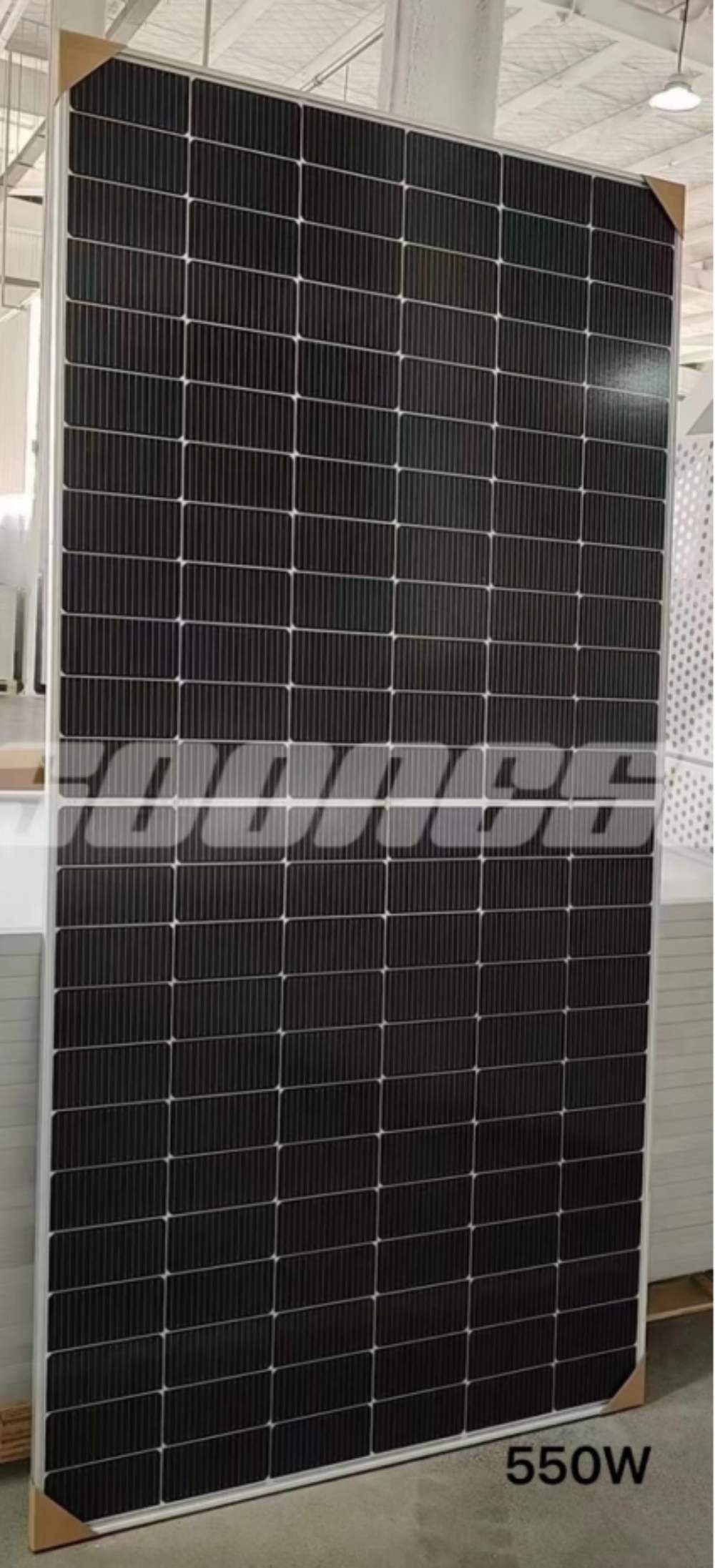
Монокристаллические солнечные панели в 2026 году перестали быть просто выбором экологически чистой энергии. Возобновляемые источники энергии становятся практическим средством хеджирования от волатильности цен на электроэнергию, колебаний цен на нефть и стоимости импорта топлива. Поскольку напряженность между США и Ираном продолжает привлекать внимание к Ормузскому проливу, покупателям энергии вновь напоминают о том, как быстро риски, связанные с ископаемым топливом, могут привести к увеличению счетов на заправках, дома или на заводах. Агентство Reuters сообщает, что цена на нефть марки Brent подскочила до 99 долларов за баррель после ударов американских военных по южному Ирану, что добавило неопределенности в продолжающиеся мирные переговоры и в судоходство по этому важнейшему водному пути, по которому проходит около 20% мирового экспорта нефти и СПГ через Ормузский пролив.
На этом фоне, Скоро Это очень кстати. Это китайская компания, занимающаяся новыми источниками энергии. Компания с 20-летним опытом работы в сфере фотоэлектрической продукции. Ассортимент компании включает солнечные модули, инверторы, литиевые системы хранения энергии и солнечные кондиционеры. Продукция имеет сертификаты CE, ROHS, SONCAP, UL и ISO и экспортируется в Азию, Африку, Европу, Ближний Восток и Америку. Для зарубежных покупателей, сталкивающихся с растущими рисками, связанными с нефтью, и повышением цен на электроэнергию в сети, модель комплексного снабжения солнечной энергией воспринимается не столько как модная тенденция, сколько как базовое планирование энергоснабжения.
Почему в 2026 году контролировать счета за электроэнергию становится все сложнее?
Стоимость электроэнергии зависит не только от объема потребления. На нее также влияют топливные рынки, перегрузка сети, цены в часы пик, нагрузка на линии электропередачи и местная политика. Когда на рынках нефти и газа возникает нестабильность, цены на электроэнергию часто в той или иной форме следуют за этим. Не всегда на следующий день, но покупатели ощущают это рано или поздно.
Рост цен на электроэнергию из сети и пиковые часы потребления электроэнергии
Цены на нефть упали ниже 100 долларов на фоне надежд на мирное соглашение между США и Ираном, но, по сообщениям, цены по-прежнему оставались значительно выше довоенного уровня, составлявшего около 70 долларов за баррель. Такой разрыв имеет значение. Даже когда цены стабилизируются на несколько дней, заводы, фермы, гостиницы и домохозяйства не планируют затраты на энергию, исходя из одной спокойной недели. Им нужны стабильные показатели на протяжении нескольких месяцев.
Для коммерческих потребителей настоящей головной болью являются пиковые часы потребления электроэнергии. Небольшой завод может и не работать круглосуточно, но если большинство машин запускается в часы пиковой нагрузки на сеть, ежемесячный счет все равно может оказаться очень высоким. Солнечная энергия напрямую помогает сократить потребление электроэнергии в дневное время, поэтому проекты по установке фотоэлектрических панелей на крышах все чаще распространяются на мастерские, склады, школы, магазины и фермы.
Увеличение спроса на энергию со стороны домохозяйств и коммерческих предприятий.
Кондиционирование воздуха, зарядка электромобилей, холодильные установки, орошение, резервное электроснабжение телекоммуникаций и небольшие промышленные нагрузки — все это приводит к росту спроса на электроэнергию. Это стало нормой современной жизни, а не роскошью. В загруженных данных о продукции также указано использование солнечной энергии на крышах жилых домов, в системах хранения энергии для коммерческих объектов, автономных системах электроснабжения в сельской местности, водяных насосах, зарядных станциях для электромобилей, телекоммуникационных вышках, системах электроснабжения для автодомов и судов, промышленных микросетях и плавучих солнечных электростанциях.
Поэтому вопрос не в том, «Вырастет ли спрос на электроэнергию?». Он уже вырос. Более уместный вопрос: какую часть этой нагрузки можно покрыть за счет вашей собственной крыши, земли, навеса для автомобиля, фермерского сарая или неиспользуемой промышленной площади?
Установка солнечных батарей на крышах как прямой способ контроля затрат.
Солнечные фотоэлектрические модули преобразуют солнечный свет непосредственно в постоянный ток. В базе знаний фотоэлектрические модули описываются как основной компонент фотоэлектрических установок, состоящий из ячеек, стекла и пленки, при этом производительность модуля влияет на эффективность и стабильность всей электростанции.
Солнечные батареи на крыше выполняют две простые задачи. Они превращают неиспользуемую площадь крыши в источник энергии и снижают зависимость от электроэнергии из сети в солнечные часы. Вторая часть важна в 2026 году. Покупатели энергии стремятся не только к «зеленым» маркировкам. Многие просто хотят, чтобы счета за электроэнергию не были такими непредсказуемыми.
| Давление на стоимость энергии | Что это значит для вас | Солнечный ответ |
|---|---|---|
| Волатильность нефтяного рынка | Стоимость электроэнергии, зависящая от уровня топлива, может вырасти. | Больше энергии, вырабатываемой собственными силами в дневное время. |
| Спрос в часы пик | Более высокая себестоимость единицы продукции в периоды пиковой нагрузки. | Выработка электроэнергии на крыше компенсирует дневную нагрузку. |
| Нестабильность сети | Риск возникновения резервных источников питания в отдаленных районах или районах со слабой электросетью. | Солнечная энергия в сочетании с накопителями обеспечивает аварийное электроснабжение. |
| Коммерческое расширение | Больше машин и больше нагрузок на системы охлаждения | Масштабируемые фотоэлектрические системы подходят для поэтапного роста. |
Почему монокристаллические солнечные панели лучше подходят для снижения долгосрочных затрат на электроэнергию?
Не все типы панелей одинаковы. Дешевые панели тоже могут работать, но площадь крыши ограничена, а работа по установке стоит недешево. Когда ваша цель — сократить расходы на электроэнергию в течение 20-25 лет, эффективность, срок службы и способность работать при слабом освещении становятся очень важными практическими факторами.
Повышенная эффективность преобразования при ограниченном пространстве на крыше.
Монокристаллические солнечные панели изготавливаются из одного кристалла кремния. Согласно имеющейся базе данных, их типичная эффективность составляет от 18% до 24%, они имеют глубокий черный цвет, отличаются высокой прочностью и компактным дизайном. Также отмечается, что они обычно герметизируются закаленным стеклом и водонепроницаемой смолой, а средний срок службы составляет около 25 лет.
Это делает их идеальным выбором для жилых домов, магазинов и коммерческих зданий, где важен каждый квадратный метр. Небольшая площадь крыши не позволяет компенсировать низкую эффективность. Если на той же площади можно производить больше электроэнергии, система окупается быстрее на рынках электроэнергии с высокими ценами.
Более высокая выходная мощность при том же солнечном свете.
В базе знаний указано, что монокристаллические модули демонстрируют лучшие характеристики, чем поликристаллические модули при одинаковых условиях освещения, и подходят для объектов с высокими требованиями к энергоэффективности, включая крыши жилых и коммерческих зданий. Также отмечается, что монокристаллический кремний в настоящее время является основной технологией, занимающей более 90% рынка, а новые технологии производства элементов, такие как HJT и TOPCon, в основном основаны на монокристаллическом кремнии.
Этот сдвиг на рынке не случаен. Покупатели выбирают более высокую мощность, лучший внешний вид и более длительный срок службы. Для крыши, которая и так нуждается в монтаже, прокладке кабелей, осмотре и подборе инвертора, использование модуля с более высокой мощностью обычно является более экологичным решением.
Увеличенный срок службы для стабильной экономии энергии.
Солнечные панели не содержат множества сложных электрических компонентов, поэтому обычно требуют минимального обслуживания. В базе знаний указано, что срок службы солнечных фотоэлектрических панелей составляет 25 лет, а многие могут прослужить и дольше. Также отмечается, что выработка электроэнергии с помощью фотоэлектрических систем позволяет экономить на счетах за электроэнергию, использовать пространство на крыше, обеспечивать теплоизоляцию и охлаждение, а также повышать экологичность зданий.
| Тип панели | Типичная эффективность | Срок службы или характеристика | Наиболее подходящее применение |
|---|---|---|---|
| Монокристаллический кремний | от 18% до 24% | Примерно 25 лет | Ограниченная площадь крыши, повышенные требования к производительности. |
| Поликристаллический кремний | от 15% до 18% | Более низкая стоимость, требуется большая площадь. | Проекты с учетом экономической целесообразности и достаточным пространством. |
| Тонкопленочный | от 10% до 12% | Легкий и гибкий | Встроенные фотоэлектрические системы, криволинейные поверхности, специальные конструкции |
Каким образом фотоэлектрические солнечные панели помогают снизить зависимость от электроэнергии?
Панель — это не просто черный прямоугольник на крыше. Тип ячеек, стекло, рама, гидроизоляция, покрытие и соответствие системы определяют ее ценность. Именно здесь выбор продукта становится привязан к реальной ежемесячной экономии, а не к рекламным заявлениям.
Фотоэлектрические солнечные панели для крыш жилых и коммерческих зданий.
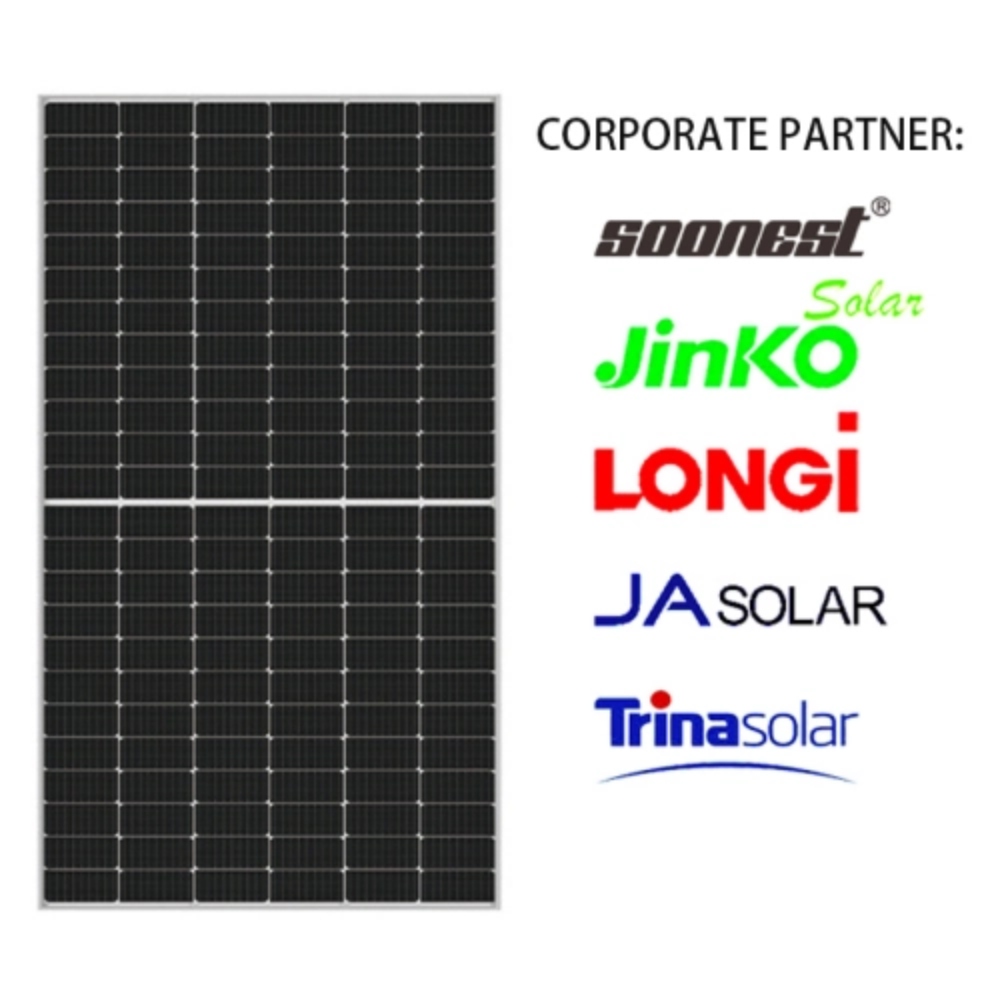
В Фотоэлектрическая солнечная панель Предназначен для экологически чистой генерации энергии в домах, на предприятиях, промышленных солнечных электростанциях, в сельском хозяйстве, для уличного освещения, зарядки электромобилей, морской и автомобильной энергетики, ликвидации последствий стихийных бедствий, парниковой энергетики и сетей датчиков IoT. В описании продукта указаны высокоэффективные монокристаллические элементы, водонепроницаемость по стандарту IP68, антибликовое покрытие, простая установка по принципу «подключи и работай», прочное закаленное стекло, работа в условиях низкой освещенности и высокий коэффициент преобразования энергии (более 22%).
Такой профиль продукта подходит для настоящих крыш. Не для идеальных крыш. А для настоящих, подверженных воздействию пыли, сезонных дождей, неравномерного солнечного света и клиентов, которые не хотят вызывать специалиста каждый месяц.
Варианты мощности от 350 Вт до 585 Вт для проектов различного масштаба.
На странице указанного продукта представлены варианты мощности 350 Вт, 450 Вт, 550 Вт, 575 Вт и 585 Вт. Этот диапазон позволяет различным пользователям подобрать выходную мощность в соответствии с размером помещения и бюджетом. Небольшой жилой дом может быть ориентирован на основные бытовые нагрузки. Коммерческому зданию может потребоваться более высокая мощность для снижения дневной нагрузки. Сельскохозяйственный проект может предпочесть масштабируемые линейки, которые можно будет расширять в дальнейшем.
Монокристаллические солнечные панели особенно целесообразны, когда площадь установки ограничена, но счета за электроэнергию высоки. Крыша магазина, виллы или клиники может не иметь такой большой площади, как солнечная электростанция, но ей все равно необходима значительная выработка электроэнергии.
Экологически чистая, бесшумная и не требующая сложного обслуживания выработка электроэнергии
Солнечная энергетика бесшумна, экологична и модульна. В базе знаний также отмечается, что фотоэлектрические системы имеют короткие циклы строительства и могут масштабироваться в зависимости от нагрузки, что делает их полезными для домов, предприятий и промышленности.
Более масштабная энергетическая ситуация также подтверждает это направление. Международное энергетическое агентство заявляет, что в период с 2025 по 2030 год объем производства электроэнергии из возобновляемых источников составит около 4600 ГВт, что равно суммарной установленной мощности Китая, Европейского союза и Японии. Это уже не небольшой побочный рынок, а основной путь развития.
Почему покупателям следует сравнивать эффективность, долговечность и совместимость панелей с системами перед оформлением заказа?
При выборе солнечных панелей не следует ограничиваться только мощностью. Необходимо также проверить площадь крыши, количество солнечного света, совместимость с инвертором, схему подключения аккумулятора, степень водонепроницаемости, местные погодные условия и то, как система будет использоваться в повседневной жизни. Немного скучно, конечно. Но скучные проверки экономят деньги.
Монокристаллические модули для компактных установок
Для крыш с ограниченным пространством монокристаллические солнечные панели обычно являются более безопасным вариантом, поскольку они вырабатывают больше энергии на меньшей площади. Согласно имеющимся данным, они подходят для высокоэффективных и эстетичных применений, таких как крыши жилых и коммерческих зданий, и могут показывать лучшие результаты в районах с ограниченным солнечным светом благодаря более высокой эффективности.
В регионах с высокими температурами или высокой солнечной активностью, таких как некоторые части Ближнего Востока, Африки и Австралии, высокоэффективные фотоэлектрические системы также помогают снизить зависимость от топлива. Это важно, когда маршруты транспортировки нефти имеют политически чувствительный характер.
Согласование инвертора и батареи для повышения собственного потребления
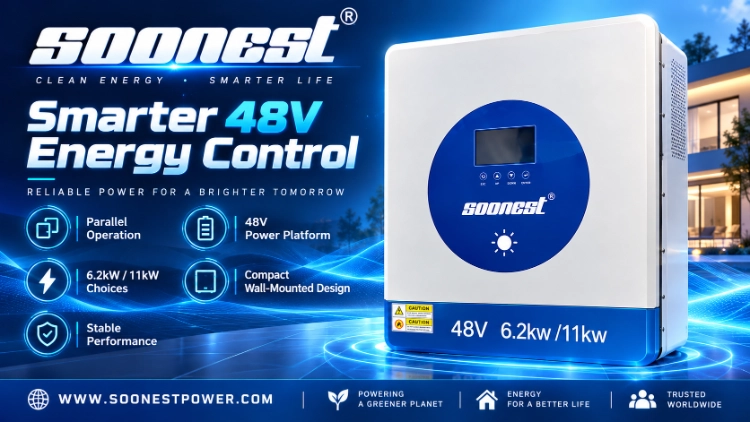
Солнечные панели вырабатывают постоянный ток. Вашим нагрузкам часто требуется переменный ток. Вот тут-то и пригодятся инверторы и накопители энергии. В описании продукции компании представлены гибридные инверторы для однофазных систем мощностью от 1 кВт до 10,2 кВт, MPPT-зарядка, широкий диапазон входного напряжения от фотоэлектрических панелей, интеллектуальное управление батареями, мониторинг по Wi-Fi/GPRS, поддержка RS485, а также защита от перегрузки, короткого замыкания и глубокого разряда.
Для частных домов и малых предприятий добавление накопителей энергии может увеличить собственное потребление. Электроэнергия, вырабатываемая в течение дня, может помочь покрыть вечерние потребности. Это также полезно, когда местная электросеть слаба.
Повышенная стабильность системы для жилых домов, ферм и предприятий.
Новая цепочка поставок энергии в Китае стала важной частью глобальной истории развития солнечной энергетики. По данным МЭА, с 2011 года Китай инвестировал более 50 миллиардов долларов США в новые мощности по производству фотоэлектрических элементов и в настоящее время на его долю приходится более 80% всех этапов производства солнечных панелей, включая поликремний, слитки, пластины, элементы и модули.
Для зарубежных покупателей это означает доступность продукции, масштабы производства и быструю модернизацию. Это также объясняет, почему китайские компании, работающие в сфере возобновляемой энергетики, расширяют свое присутствие на рынках Азии, Африки, Европы, Ближнего Востока и Америки. Документы компании подтверждают наличие экспортной базы и сертификации.
Как комплексный поставщик солнечных батарей может поддержать ваш проект, начиная с выбора продукции и заканчивая послепродажным обслуживанием?
Лучший солнечный проект — это не только тот, в котором установлены качественные панели. Это тот, который продолжает работать после установки, после летней жары, после нескольких штормов, после изменений нагрузки и после того, как заказчик добавляет новое оборудование.
Комплексные решения в области солнечной энергетики с 20-летним опытом работы в отрасли.
Поставщик, предоставляющий полный спектр услуг, может помощь Компания подбирает панели, инверторы, батареи и учитывает различные сценарии использования. За плечами компании 20 лет опыта работы в фотоэлектрической отрасли, включая исследования и разработки, производство, продажи, OEM и ODM заказы, персонализированное обслуживание и техническое послепродажное обслуживание.
Это важно для зарубежных проектов. Разные регионы нуждаются в разных вещах. решения. Отель заботится о охлаждении и комфорте гостей. Ферма заботится о насосном оборудовании и орошении. Телекоммуникационный объект заботится о бесперебойной работе. Покупатель жилой недвижимости в первую очередь интересуется счетом за электроэнергию. Вполне справедливо.
Поддержка OEM, ODM и индивидуальных проектов солнечных энергосистем.
Для дистрибьюторов, монтажников и проектных компаний индивидуальная настройка может быть важнее, чем наличие одной стандартной модели. Данные о продукции охватывают панели, гибридные инверторы, литиевые батареи, солнечные системы кондиционирования воздуха, насосы и системы хранения энергии. Комплексный системный подход может охватывать системы на крышах, промышленные микросети, портативные источники питания, резервные системы связи и автономные системы электроснабжения в сельской местности.
В Фотоэлектрическая солнечная панель Это практичный вариант для начала, поскольку он может использоваться как в автономных системах, так и в системах, подключенных к сети. Далее, в зависимости от проекта, можно подобрать инвертор, аккумулятор или насос.
Сервисное обслуживание, техническое сопровождение и контактная информация для консультаций по проектам.
Перед оформлением заказа следует собрать информацию о размерах крыши, местных ценах на электроэнергию, ежемесячном потреблении электроэнергии, количестве солнечного света, типе нагрузки и потребностях в резервном питании. Затем сравните мощность, КПД панелей, степень водонепроницаемости, диапазон входного напряжения инвертора и схему подключения аккумулятора.
В 2026 году монокристаллические солнечные панели — это не просто продукт для экологически чистой энергетики. Это способ вернуть себе контроль над ситуацией, когда топливные рынки, неопределенность в энергетическом вопросе между США и Ираном, а также цены на электроэнергию в сети кажутся слишком нестабильными. Чем раньше ваша крыша начнет вырабатывать электроэнергию, тем быстрее каждый солнечный день станет полезным. Свяжитесь с технической командой поставщика для расчета мощности системы, сервисной поддержки и консультаций по проекту.
Часто задаваемые вопросы
В: Стоит ли покупать монокристаллические солнечные панели, учитывая высокие счета за электроэнергию?
А: Да. Они обеспечивают более высокую эффективность, долговечность и лучшую выходную мощность при ограниченной площади крыши, что помогает снизить потребление электроэнергии из сети в течение многих лет.
В: Можно ли использовать фотоэлектрические солнечные панели как для жилых, так и для коммерческих помещений?
А: Да. Изделие подходит для использования на крышах жилых домов, коммерческих зданий, промышленных солнечных электростанций, зарядных станций для электромобилей, в сельском хозяйстве, для уличного освещения и в качестве резервного источника питания в автономном режиме.
В: Почему цены на нефть и напряженность в отношениях между США и Ираном важны для покупателей солнечной энергии?
А: Энергетические рынки взаимосвязаны. Когда маршруты транспортировки нефти и газа становятся нестабильными, цены на электроэнергию и связанные с топливом затраты могут расти. Солнечная энергия обеспечивает больше локальной энергии и меньшую подверженность глобальным топливным потрясениям.