
Home solar setups go beyond just lights and device charging these days. In fact, numerous sun-powered residences now operate fridges, pumps for water, and cooling units on a regular basis. As these demands increase, how well energy is used turns into the main element that determines the scale of the system, expenses for storage, and ongoing dependability.
A noticeable pattern in standalone and combined solar installations involves moving away from standard alternating current devices toward those that run on direct current. Since they align with the basic output from panels and energy reserves, direct current equipment cuts down on waste and gets more value from each unit of power generated.
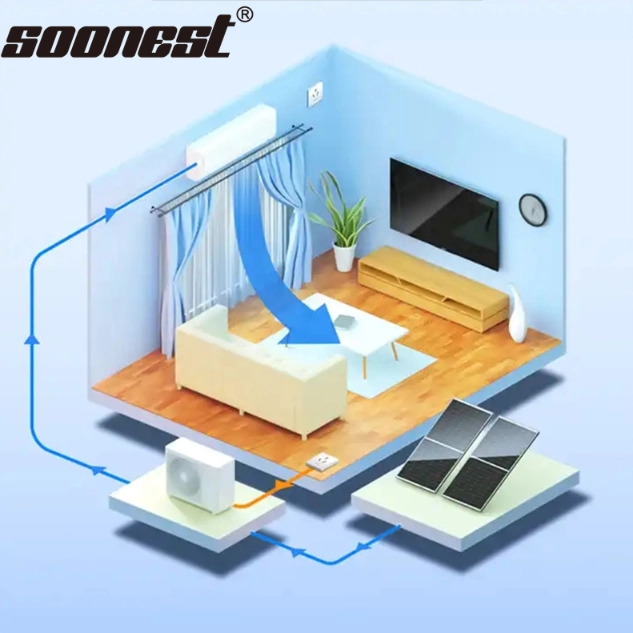
Soonest Power targets this precise approach by providing direct current-ready solar devices built for actual home applications, rather than test environments alone. Their sun-powered fridges, pumps, and 48V DC air conditioners demonstrate how direct current methods boost power savings in current solar residences.
What Makes DC Power Appliances More Energy Efficient in Solar Systems?
Prior to examining specific items, it proves useful to grasp why direct current devices function more effectively within solar arrangements at an overall level. Panels for solar and storage units naturally generate and hold direct current power. Whenever that energy shifts to alternating current and returns, some gets wasted as warmth.
Reduced Conversion Losses Compared to AC Appliances
In a common home solar arrangement that employs alternating current devices, the direct current from panels has to go through a converter. Reports from the field indicate that typical home converters achieve 92–96% efficiency, based on the amount of work involved. That shortfall of 4–8% represents power that vanishes, during every moment the device operates.
Direct current devices skip this process completely. When they operate right on 12V, 24V, or 48V direct current, energy moves directly from storage to the task with very little waste. Across an entire year, this gap leads to a clear drop in overall power needs.
Fewer losses by themselves provide real help, yet direct current devices also operate more consistently amid everyday solar variations.
Optimized Performance Under Solar Conditions
Power from the sun varies a lot. Production shifts due to light levels, heat, and the state of storage charge. Devices for direct current handle such changes without trouble. Their compressors, engines, and controls, made for direct current entry, vary their pace rather than starting and stopping over and over.
Such consistent action lowers high pulls and prevents sharp drops in voltage, which matters greatly for homes without grid access that depend on limited storage.
Savings go beyond just how power moves. Expenses over time and how long the setup lasts count too.
Lower Operating Costs and Longer System Lifespan
Since direct current devices need less power to do the same job, solar setups can include fewer panels or reduced storage capacity. As a result, this cuts initial spending and eases wear on storage units, which lengthens their effective duration.
For those living in such homes, this translates to fewer changes needed, shorter breaks in service, and a setup that performs steadily through the seasons.
Why Does Choosing the Right DC Appliances Matter in a Solar Home?
Devices that save energy impact far more than just regular power bills. In addition, they influence the overall size, steadiness, and price of a solar arrangement.
Energy Savings and Reduced Solar Panel Requirements
When devices squander less power, the collection of panels does not have to be too big. For instance, a direct current fridge might consume 30–50% less electricity than a matching alternating current version in setups without grid ties.
| Appliance Type | Average Daily Energy Use |
|---|---|
| Standard AC Refrigerator | 1.0–1.5 kWh/day |
| DC Solar Refrigerator | 0.5–0.8 kWh/day |
Data source: U.S. Department of Energy & off-grid appliance field studies
Better Compatibility with Off-Grid and Hybrid Solar Setups
Direct current devices pair easily with storage banks. On overcast days or when charge is partial, they keep going without converter failures. Therefore, they suit country houses, remote cabins, and reserve power arrangements well.
Enhanced User Comfort and Reliability
Reliable control of temperatures in fridges, even flow of water from pumps, and constant cooling from direct current units raise the quality of routine activities. These elements are not extras; rather, they offer tangible improvements that owners of solar homes experience right away.
How Soonest’s Solar Fridge & Freezer Improves Energy Efficiency
Keeping food cool ranks as a major power draw in any residence. Soonest’s AC/DC Solar Fridge & Freezer targets sun-powered homes in particular.
Design Features Boosting Efficiency
This piece handles 12V and 24V DC input, so it links straight to storage. Thick insulation and capable direct current compressors shorten run times, all while holding even inside temperatures.
Benefits in Solar Residential Scenarios
In places without grid support, the fridge runs through the night with little drain on storage. When the sun shines, it draws power right from panels, which eases the cycle load on batteries.
Real-World Savings and Performance Metrics
When set against usual alternating current fridges, direct current sun models frequently trim yearly power use by several hundred kilowatt-hours.
| Refrigerator Type | Annual Energy Use |
| Conventional AC Model | 400–600 kWh |
| DC Solar Refrigerator | 200–300 kWh |
How the Soonest Solar Pump Maximizes Efficiency in Irrigation
Moving water takes a lot of energy, particularly in farm or country homes.
High Head and Flow with Low Energy Use
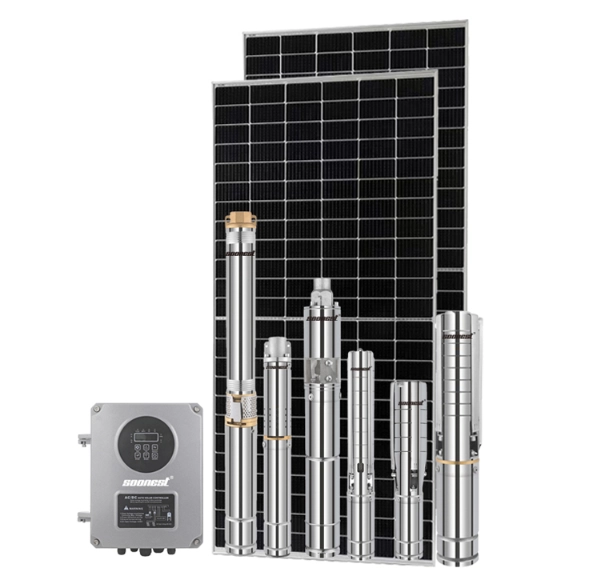
Soonest AC/DC Solar Pumps rely on capable direct current engines that sync with sun production all day. Rather than pulling a big initial surge, the pump builds speed gradually as light grows stronger.
Off-Grid Irrigation Benefits
Sun pumps function free of fuel needs, grid supply, or complicated cables. For home gardens, animal watering, and modest fields, this brings running expenses close to nothing over time.
Energy Savings Compared to AC Pumps
| Pump Type | Typical Efficiency |
|---|---|
| AC Induction Pump | 60–70% |
| DC Solar Pump | 80–90% |
Industry average based on IEC motor efficiency data
How the 48V DC Solar Air Conditioner Delivers Efficient Cooling
Cooling air often seems out of reach for homes off the grid. Yet direct current methods alter that view.
DC-Optimized Cooling with Hybrid Solar Support
Soonest’s 48V DC Solar Air Conditioner links right to panels and storage. It also runs in combined mode if grid access exists, so it adapts to various home configurations.
Reduced Conversion Loss and Peak Load Control
Lacking repeated direct current to alternating current shifts, waste remains small. Compressors that change speed adjust the cooling level, instead of full cycles of on and off, and this trims high demands.
Practical Cooling for Solar Homes
This build lets sun homes keep inside comfort without needing extra-large panels or storage.
Comparing DC Power Appliances with Traditional AC Options
In areas like cooling food, moving water, and air cooling, direct current devices regularly outperform standard alternating current choices within solar setups.
| Factor | DC Appliances | AC Appliances |
|---|---|---|
| Conversion Loss | Minimal | 4–8% inverter loss |
| Battery Stress | Low | Higher |
| System Size Needed | Smaller | Larger |
| Off-Grid Stability | High | Moderate |
These contrasts make plain why direct current devices are turning into the usual pick in home solar efforts around the globe.
Conclusion
Saving energy stems not from one trait alone; instead, it arises from wise pairing of parts. Devices using direct current fit naturally with the way sun power gets made and kept. Through cutting shift losses, steady action, and smaller overall costs, they render home solar setups more workable and trustworthy.
Soonest Power’s sun fridges, water movers, and 48V DC cooling units capture this path plainly. For residents eyeing standalone or mixed sun systems, picking direct current devices shifts from a special choice to a sensible and tested route.
FAQ
Q1: Are DC appliances harder to install than AC appliances in solar homes?
A: No. In many cases, installation is simpler because DC appliances connect directly to batteries or controllers without large inverters.
Q2: Can DC solar appliances work with existing AC solar systems?
A: Yes. Many DC appliances support hybrid input or can be added alongside AC loads in mixed systems.
Q3: Do DC appliances cost more upfront?
A: Some DC appliances have a higher purchase price, but lower energy use and smaller system requirements often reduce total cost over time.



 English
  Russian
  German
  French
  Spanish
  Portuguese
  Arabic