
The first step to energy efficiency is knowing your energy usage. Most homes use 30–50 kWh daily, depending on location, size, insulation, and appliance efficiency. Reducing daily consumption makes solar power more viable for energy independence, and the best way is to replace conventional grid-powered products with high-efficiency solar alternatives.
Zhejiang Bientôt New Energy Co., Ltd, with 20 years of experience, is a credible one-stop photovoltaic service provider. It offers solar projects, energy storage systems, and globally certified solar panels, delivering long-lasting products to clients in the Americas and Africa. Its advanced hybrid technology enables peak power regulation and annual “zero electricity bills.”
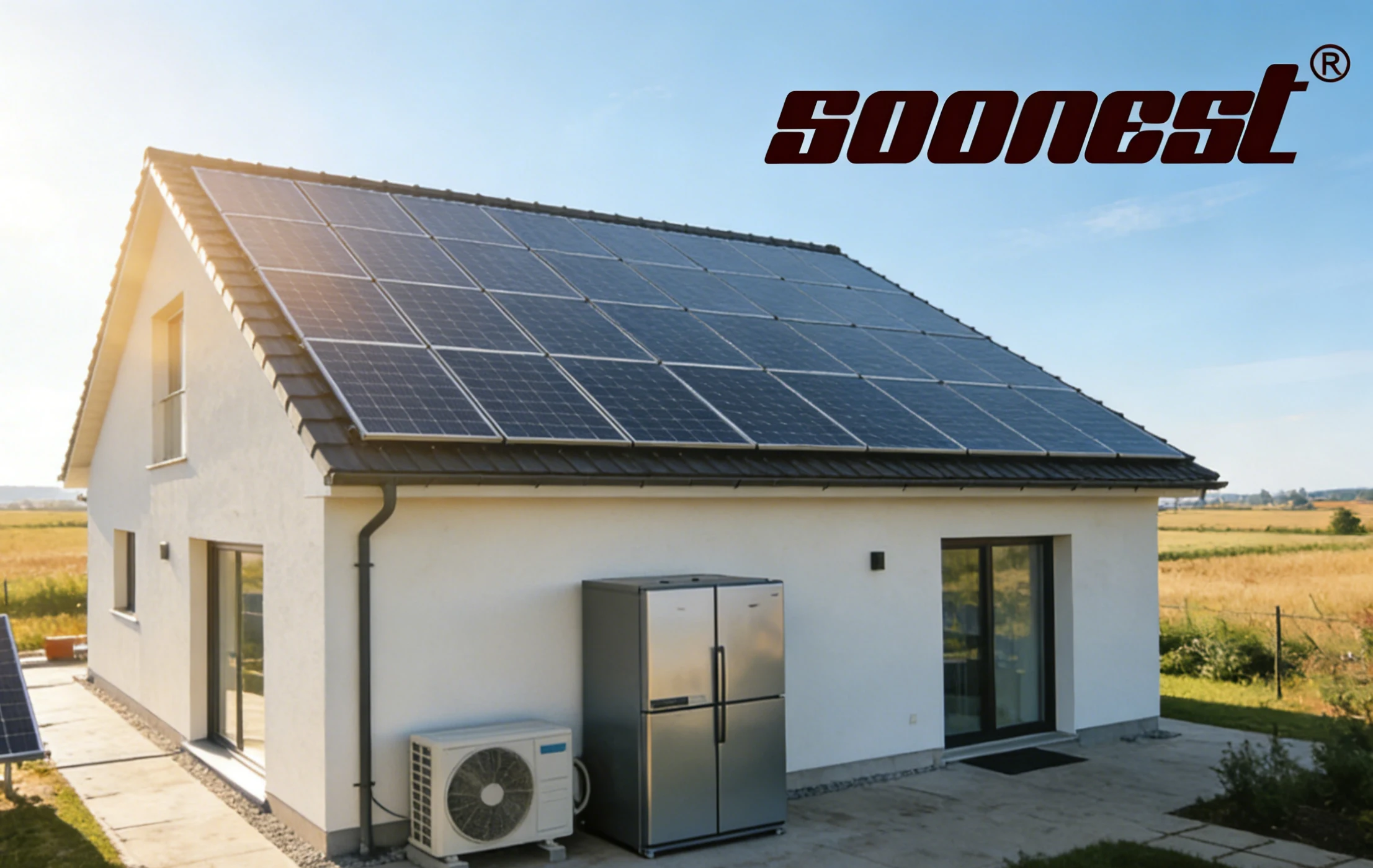
What Is the Average Daily kWh Usage for a Typical Home?
Determining your “energy baseline” is the first step toward optimization. While global averages provide a starting point, your specific daily kWh usage is a fingerprint of your lifestyle.
Global and Regional Consumption Benchmarks
There are huge variations in electricity consumption from one part of the world to another. Using a figure of 900 kWh of electricity per month for an average house in a developed country gives a daily average of 30 kWh. However, in hot climates and with inefficient housing this can be easily increased by a factor of two. Knowing the figures gives you a yardstick against which you can measure the size of your electric bills.
Factors Influencing Your Daily Energy Demand
Your power requirements will vary based on a range of criteria. A larger family will typically require more hot water and do more loads of laundry, and a smaller apartment will be configured very differently to a large house. For example, an older non-inverter air conditioner will draw significantly more current than a highly efficient inverter air conditioner designed for the age of solar power.
Importance of Tracking Your Energy Footprint
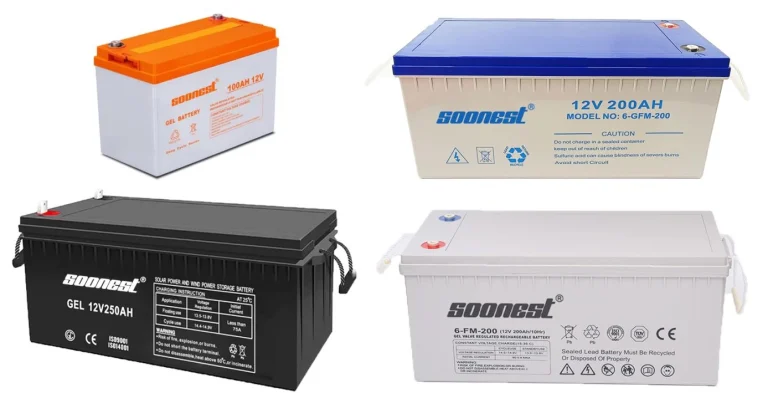
You can’t manage what you can’t measure. Monitoring your daily kWh usage gives you the data required to properly size a solar system. If your nighttime consumption is in the range of 20 kWh and you want to ensure you have power throughout the night without drawing from the grid, then you’ll want to match your consumption to a battery size and configuration. In this case, we used a 25.6kWh lithium battery bank.
Which Household Appliances Consume the Most Electricity?
If you are interested in cutting back on your energy bills, you have to look at the “power hogs” inside your home. There are some products that use a high amount of energy over a short amount of time, while others just sit on all day long using a high amount of energy as well.
High Power Demand of Air Conditioning Systems
In most homes, cooling represents the largest component of any high electricity bill. Today’s conventional air conditioning systems have a large “starting current” which is said to be 5 amps greater than the nameplate rating for the compressor motor. In air conditioned homes in hot climates, the AC system often runs for 8–12 hours per day or more, and with a large “starting current”, this system can account for more than 50% of the total daily kilowatt-hours used in the home.
Constant Energy Draw from Refrigeration Units
While a refrigerator doesn’t use as much instantaneous power as an AC, it never stops. It creates a continuous baseline load. If you are using an inefficient, older model, this 24/7 draw adds up to a significant portion of your monthly expenses. In off-grid scenarios, keeping a standard fridge running is one of the most difficult challenges for a basic solar setup without specialized hardware.
Intensive Power Needs for Water Pumping and Irrigation
Solar-powered water pumps are a common requirement in rural areas, farming and agriculture. The old DC pumps have given way to more efficient AC pumps, and unfortunately the old DC inverters do not do a good job on the new AC pumps. Thus a new heavy-duty inverter is required for the inductive load of the pump motor. Long pump running times can easily drain the battery bank and use up costly utility firm peak hour charges.
| Type d'appareil | Typical Daily Usage | Potential Energy Savings | Recommended Solar Solution |
|---|---|---|---|
| Standard Central AC | 15 – 30 kWh | 30% – 70% | AC/DC Vacuum Tube Hybrid |
| 24/7 Refrigerator | 2 – 4 kWh | 70% – 100% | DC BLDC Compressor Models |
| Standard Water Pump | 3 – 6 kWh | Up to 100% | Brushless DC Solar Pump |
How Can These Specialized Products Lower Your kWh?
If your energy bills are low to $0, its not just because you added more solar panels. Its also because you are using different hardware. High-efficiency solar powered appliances cuts out the energy losses associated with changing DC power to AC and back again to DC.
Hybrid Vacuum Tube Air Conditioners for 70% Energy Savings
Ideal for high-demand homes, the AC / DC tube à vide climatiseur solaire can still connect to the grid and utilize solar thermal energy to achieve electricity savings of 30-70% compared to traditional air conditioning systems. Achieves a SEER value of over 6.5 and has an energy efficiency class of A++/A+++.
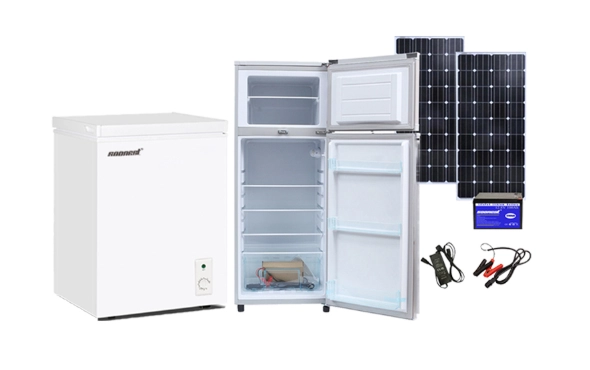
Direct DC Solar Refrigerators for Zero Electricity Bills
A truly efficient kitchen requires a fridge and freezer that uses the latest high efficiency BLDC compressor technology. The Réfrigérateur solaire AC/DC Congélateur solaire system makes full use of solar power and can run directly from 12V/24V DC. Energy consumption is reduced by 70% to 100% when using grid power. The fridge and freezer have 110mm of insulation to further reduce energy consumption.
Brushless DC Solar Pumps for Efficient Water Management
Moving water doesn’t have to be expensive. The Pompe solaire AC/DC uses a DC brushless permanent magnet motor that provides up to 25% energy savings over traditional models. With automatic MPPT tracking and a battery-free operation design, it reduces maintenance costs while maximizing water flow directly from solar power.
Why Choose Integrated Solar Solutions for Your Home?
Bare efficiency is not enough, reliability is needed. Integrating your systems into a total home backup solution helps to ensure that you will have power in your home regardless of the status of the grid.
Seamless Interaction Between Solar and Grid Power
All modern hybrid solutions use an Auto-switch technology. So during the sunny parts of the day, your solar powered devices will be on 100% solar power. If there is not enough sunlight, the hybrid system will automatically switch over to charge from the grid and or use energy from the battery to provide a stable power supply to key loads.
Reliability in Harsh Environments and Extreme Temperatures
Good quality solar equipment is designed to last. Whether it is salt filled air in a coastal area or dust filled air in a desert environment, all products are designed to operate continuously in the entire range of temperature from -10°C up to 55°C. High quality components protect the system from corrosion and guaranties a long life of more than 25 years.
Optimized Performance with Smart Management Systems
Every component works better in a “smart” system. Our BMS (Battery Management System) safeguard the lithium iron phosphate battery from over-discharge, while the dedicated solar charge controllers boost the energy output of the panels. The result is long-lasting energy storage with a guaranteed 6,000+ cycle life at 80% depth of discharge.
| Caractéristique | Standard Grid-Tie Equipment | High-Efficiency Solar Gear |
|---|---|---|
| Grid Dependency | 100% (Subject to Rising Bills) | 0% – 30% (Near Zero Bill Goal) |
| Operating Temperature | Standard Indoor Environment | -10°C to 55°C (Harsh Environment) |
| Backup Capability | None (Requires Generator) | Seamless Switching (<10ms UPS) |
| Control Efficiency | Basic On/Off Control | 99.8% – 99.9% MPPT Accuracy |
| Design Lifespan | 5 – 10 Years | 25+ Years |
What Support Is Available for Your Solar Transition?
Going off the grid with solar is a huge transition and you deserve more than just a product.
Experienced One-Stop Photovoltaic Service Provider
The team of experts at SOONEST have more than 20 years of experience in photovoltaic industry. With excellent R&D abilities and reliable services, Aysun Energy provides customers with various OEM and ODM designs that suit different demands from around the world.
Internationally Certified Quality and Safety Standards
Safety is non-negotiable. Every unit undergoes an aging test for no less than 2 hours before shipment. With CE, RoHS, UL, and SONCAP certifications, you can trust that your home is equipped with the safest technology available.
Professional Technical Support and Contact
We start with assessments and audits of your land and energy requirements and offer a full range of after sales technical support through to maintenance and service. Contact us today to book a audit and find out how you can lower your carbon footprint.
FAQ (questions fréquentes)
Q: What is the daily amount of KWh saved to your home when you use solar powered appliances?
A: The amount of KWh you can save each day will vary depending on the size of your home, but estimates show that between 15 and 40 KWh can be saved each day. A hybrid solar air conditioner can offer a reduction of up to 70% in home cooling electricity usage, whilst a DC fridge can give close to 100% grid reliance reduction during the day.
Q: Will the systems be on at night or on a cloudy day?
A: Yes. Hybrid systems can Auto-switch between the DC solar power and the grid power, meaning that when there is not enough sunshine the system can utilise the stored battery power or the grid AC power to continue to provide cooling and refrigeration day and night.
Q: How long will my solar appliance last?
A: The top end solar panels and solar panel brackets are designed to last for 25 years. Paired with LiFePO4 batteries with a 5 year warranty and 6000+ cycles, you have a maintenance free power system that will be powering your home for years to come.



 French
  English
  Russian
  German
  Spanish
  Portuguese
  Arabic