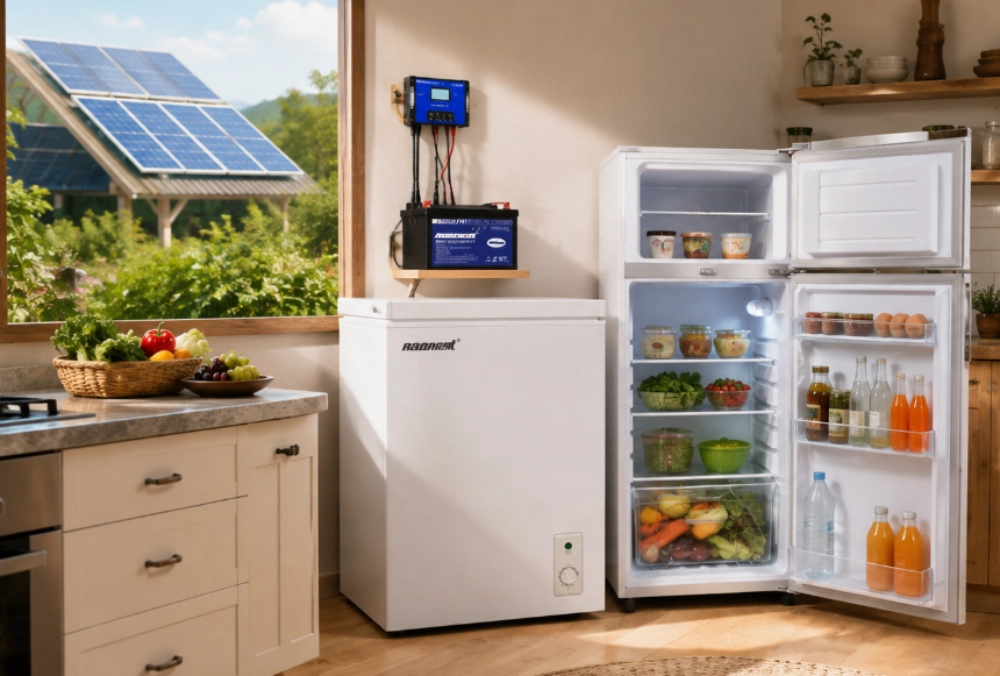
Определите обязанности по соблюдению холодовой цепи.
Размеры солнечного холодильника определяются необходимой температурой, а не только объемом камеры. Для хранения свежих продуктов, замороженных товаров, лекарств и вакцин допустимые отклонения температуры различаются, и последствия исчерпания запаса температуры также различны.
Укажите требуемый температурный диапазон, максимальное время прогрева, самый длительный период без солнечного света и ожидаемое количество открываний дверцы в день. Эти параметры работы более полезны, чем общее утверждение, например, «автономный холодильник».
Преобразуйте показатели работы компрессора в суточную потребляемую энергию.
Почему рабочий цикл влияет на ответ?
Компрессор запускается, разгоняется, работает против перепада давления, останавливается и перезапускается. Его рабочий цикл увеличивается при высокой температуре окружающей среды, загрузке теплых продуктов, частом открытии дверей, ограничении потока воздуха в конденсаторе или образовании инея. Суточная энергозатрата представляет собой сумму энергии, затраченной на работу компрессора, потерь на управление и потерь на преобразование, связанных с запуском.
По возможности используйте измеренное время работы. На энергоэффективность холодильника влияют рабочий цикл, температура окружающей среды, загрузка и открытие дверцы, что отражено в... рекомендации по энергопотреблению холодильниковПроверьте работу устройства в соответствии с заданными параметрами: шкаф, климат-контроль и режим использования.
Выберите размер батареи с учетом полезного резерва.
Номинальные ампер-часы завышают реальное энергопотребление холодильника. Рассчитайте полезную энергию после допустимой глубины разряда, снижения номинальной мощности при изменении температуры, эффективности батареи, эффективности инвертора и резерва, необходимого на случай облачной погоды. Затем проверьте ток разряда при самом низком напряжении батареи, поскольку запуск компрессора происходит в момент наибольшей вероятности падения напряжения.
- Проверьте номинальные параметры инвертора по пиковой нагрузке и функцию отключения при низком напряжении.
- Проверьте пределы пикового и непрерывного разряда системы управления батареей (BMS).
- Сохраните резервный период на максимально допустимый период отсутствия солнечного света.
Аккумулятор может иметь достаточный запас кВт⋅ч на бумаге, но при этом не сможет перезапустить компрессор, если его система управления батареей (BMS) ограничивает ток или падение напряжения в кабеле приводит к снижению напряжения ниже порогового значения инвертора.
Размер фотоэлектрической системы должен соответствовать потребностям восстановления, а не только среднему потреблению.
Фотоэлектрические панели должны восполнять суточную потребность в энергии и восстанавливать заряд батареи в течение доступного солнечного окна. Если холодильник потребляет большую часть энергии ночью, батарея должна заряжать резерв в течение более короткого периода. Необходимо также учесть потери при преобразовании и возможность работы компрессора с большей нагрузкой в самый жаркий день.
Смоделируйте ситуацию пасмурного и жаркого дня. Если батарея разрядится до утра, увеличьте мощность солнечных панелей, увеличьте полезный резерв, уменьшите другие нагрузки или пересмотрите целевой показатель автономности. Не скрывайте несоответствие, указывая номинальную рабочую мощность холодильника в ваттах.
Рассматривайте установку как часть нагрузки.
Зазоры между конденсатором и корпусом, выравнивание корпуса, пыль, прямые солнечные лучи и нагретая стена — все это влияет на работу компрессора. Не допускайте превышения допустимого производителем зазора для циркуляции воздуха и поддерживайте чистоту со стороны отвода тепла. Плохо вентилируемый корпус может превратить разумную оценку энергопотребления в ежедневную перегрузку.
В розничной торговле и сфере гостеприимства поведение при открывании дверей имеет значение. Частые короткие открывания могут приводить к большему нагреву, чем несколько длинных. Обучите пользователей сокращать количество ненужных открываний и загружать предварительно охлажденные продукты, когда это возможно.
Комиссия с двумя лесорубами
Используйте регистратор температуры и регистратор электрических параметров для репрезентативных дней. Записывайте температуру в шкафу, температуру окружающей среды, количество запусков компрессора, время работы, уровень заряда батареи, энергию солнечных панелей и события, связанные с дверями. Проверьте перезапуск компрессора при самом низком запланированном уровне заряда.
Сравните измеренные значения кВт·ч и стабильность температуры с расчетными значениями. Если потребление энергии выше из-за поведения пользователя, обновите инструкцию по эксплуатации; если компрессор работает непрерывно, перед установкой дополнительных панелей проверьте наличие проблем с вентиляцией, хладагентом, термостатом или корпусом.
Укажите полную систему.
В технической документации должны быть указаны напряжение, тип компрессора, требуемая мощность при перенапряжении, суточный диапазон энергопотребления, автономность, диапазон температур окружающей среды, вентиляционное пространство, поведение при срабатывании сигнализации и доступ для обслуживания. Самый скоро появится солнечный холодильник с морозильной камерой Выбор следует производить, исходя из измеренных условий, а не только с учетом вместимости шкафа.
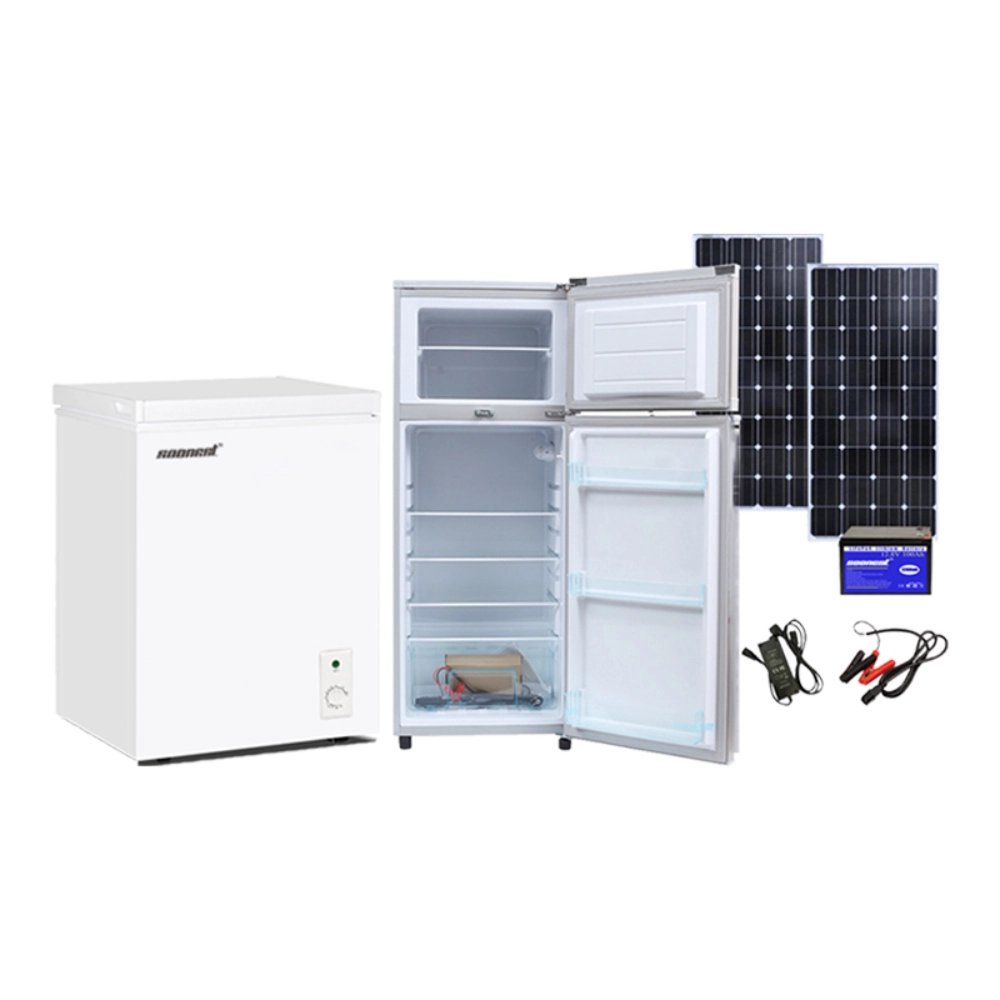
Корпус, батарея и фотоэлектрическая система должны проверяться как единое целое; режимы работы компрессора и резервного питания описаны в соответствующем разделе. применение солнечного охлаждения.
О скорости
Органы управления для обеспечения надежности холодовой цепи
Разделите энергию, затрачиваемую на снижение нагрузки, и энергию, затрачиваемую на техническое обслуживание. Нагрев компрессора может привести к его практически непрерывной работе, в то время как стабильный режим работы компрессора длится меньше времени. Выберите размер, соответствующий ожидаемому режиму нагрузки, или определите процедуру загрузки.
Выражайте резерв заряда батареи в часах, когда температура безопасна, а не только в ампер-часах. Установите будильник перед отключением инвертора и определите, какие нагрузки будут отключены и кто будет реагировать в пасмурную погоду.
Пыль, засоренные вентиляционные отверстия, поврежденные уплотнения и образование льда увеличивают время работы. Включите в план передачи оборудования очистку, проверку уплотнений, размораживание и устранение технических неполадок.
При использовании в розничной торговле или медицинских учреждениях подсчитайте количество открываний дверей во время пилотного проекта. Изменение характера открывания может объяснить более высокое потребление кВт·ч без электрической неисправности.
Проведите испытание пилотного компрессора в самом жарком месте, предусмотренном планом. Испытание в прохладном складском помещении может занизить производительность компрессора и завысить автономность работы.
Отделите энергию, необходимую для опускания, от энергии, необходимой для удержания.
Охлаждение нагретых продуктов — задача, отличающаяся от поддержания температуры в уже холодном шкафу. Во время охлаждения компрессор может работать почти непрерывно и перезапускаться при повышении давления. Система, рассчитанная только на работу в установившемся режиме, может разрядить батарею в день доставки.
Укажите максимальную загрузку в нагретом состоянии, время загрузки и требуемый период вытяжки. Если система не поддерживает этот вариант, укажите, что продукция должна быть предварительно охлаждена или загружена меньшими партиями.
Автономность выражается в виде безопасного по температуре времени.
Емкость аккумулятора в ампер-часах не отражает напрямую защиту холодовой цепи. Полезным показателем является то, как долго шкаф остается в пределах допустимого температурного диапазона после снижения солнечной активности, с учетом отключения инвертора и резерва батареи, который не может быть использован.
Установите пороговое значение предупреждения выше уровня отключения. В плане эксплуатации следует указать, кто реагирует, какие другие нагрузки отключаются и когда начинается резервное производство или передача продукции.
При проведении технического обслуживания следует учитывать герметичность, вентиляцию и защиту от замерзания.
Поврежденный уплотнитель дверцы пропускает теплый влажный воздух. Пыль на конденсаторе ограничивает отвод тепла, а иней на испарителе снижает теплопередачу. Каждое из этих условий увеличивает время работы без изменения заводских параметров компрессора.
В график передачи оборудования следует включить проверку прокладок, очистку конденсатора, метод размораживания, проверку дренажных систем и проверку вентиляционных отверстий. Эти задачи часто позволяют восстановить больше времени работы, чем добавление небольшого количества фотоэлектрической мощности.
Разместите датчики температуры там, где находится изделие.
Воздух вблизи испарителя может быть холоднее, чем хранящиеся продукты, особенно после открытия дверцы. Разместите датчик для проверки в типичной зоне хранения продукта и задокументируйте дату калибровки, интервал отбора проб и задержку срабатывания сигнализации.
Для медицинских или пищевых применений следует учитывать минимальные и максимальные температуры, а также средние значения. Небольшое отклонение может иметь значение, даже если среднесуточная температура кажется приемлемой.
Проверьте поведение пользователей во время пилотного проекта.
В ходе пилотного проекта подсчитывайте количество открываний дверей и регистрируйте температуру вновь загруженных товаров. Торговый шкаф, открываемый многократно, может потреблять больше энергии, чем большой складской шкаф, который остается закрытым большую часть дня.
Если фактическое использование превышает проектные значения, выберите один из вариантов: увеличение количества солнечных панелей, увеличение полезного запаса энергии в аккумуляторах, другой корпус или изменение режима работы. Не скрывайте разницу, сообщая только о результатах испытаний в холодную погоду.
Часто задаваемые вопросы
Как запуск компрессора должен повлиять на выбор мощности инвертора?
Проверьте мощность скачка напряжения, продолжительность скачка напряжения, пиковый ток батареи и падение напряжения в кабеле при минимальном запланированном уровне заряда.
Почему перегрев оборудования снижает автономность?
Повышение температуры окружающей среды увеличивает количество тепла, поступающего в корпус, что снижает эффективность отвода тепла конденсатором и, следовательно, увеличивает рабочий цикл компрессора.
Какие данные должен записывать пилот?
Записывайте температуру в шкафу и окружающей среде, количество запусков и время работы компрессора, выработку энергии фотоэлектрическими панелями, уровень заряда батареи, открытие дверей и события нагрузки.
Быстрые поставки солнечное холодильное оборудование и интегрированный автономные энергетические решенияВозможности компании и спектр предоставляемых услуг описаны в [ссылка на документацию]. Страница «О нас».