People often wonder about battery lifespan right away when picking energy storage. Systems for home solar, RV trips, telecom reserves, or business jobs all depend on how long the battery serves, and that directly impacts replacement expenses and overall returns over time. Lithium batteries, particularly those with LiFePO4 makeup, have shifted what users expect lately. Yet the real duration still hinges on the way and place where the battery operates.
Soonest concentrates on useful energy storage choices, such as rack-mounted 48V lithium setups, 12V/24V LiFePO4 batteries, and deep cycle AGM/GEL batteries. Knowing how each option holds up in various uses lets buyers choose correctly based on actual running situations instead of just sales figures.
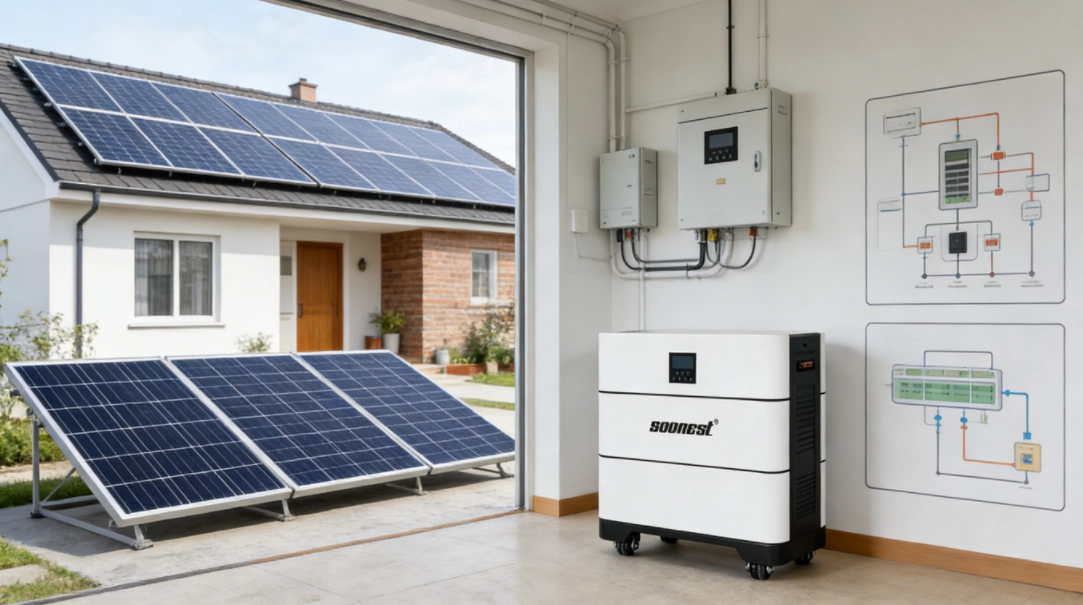
What Determines the Lifespan of a Lithium Battery?
Several factors shape battery duration, including the chemical makeup, number of cycles, how deeply it discharges, and surrounding conditions. A lithium battery listed for 6,000 cycles in specs might act quite differently if it works in hot conditions or with full daily drains. Therefore, one should always consider lifespan within its setting.
It pays to see how lithium stacks up against usual lead-acid batteries for cycle results before checking specific uses. The table below draws from standard industry details for LiFePO4 and lead-acid types.
| Battery Type | Typical Cycle Life (80% DoD) | Average Calendar Life | Recommended Depth of Discharge |
|---|---|---|---|
| LiFePO4 | 4,000–6,000 cycles | 10–15 years | Up to 80–90% |
| AGM Lead-Acid | 500–1,000 cycles | 3–5 years | Around 50% |
| GEL Lead-Acid | 800–1,200 cycles | 3–5 years | Around 50–60% |
These numbers highlight why lithium batteries endure much longer with steady cycling. Greater usable space and more cycles lead to extra years before needing a swap.
Battery Chemistry and Cycle Stability
LiFePO4 makeup stands out for its heat steadiness and gradual capacity fade. When set against earlier lithium types, it brings stronger safety and extended cycle duration, which fits well for home and business storage needs.
Depth of Discharge and Daily Usage
Batteries that drain fully each day wear out quicker. LiFePO4 gains from lighter drain habits too. Setups planned for 70–80% drain depth tend to keep steady capacity over numerous years.
Temperature and System Design
Excess heat cuts battery duration short. Sector data indicates that running lead-acid batteries over 25°C halves life for each 10°C rise. Lithium handles temp shifts more readily, yet good airflow and BMS oversight remain important.
How Long Do Lithium Batteries Last in Home Solar Energy Storage?
Home solar storage ranks among the quickest-growing uses. The International Energy Agency notes that worldwide battery storage capacity topped 28 GW in 2023, with lithium-ion leading fresh setups. Most home systems cycle once a day, so lasting strength proves vital.
In home setups, lithium batteries generally serve 10 to 15 years for daily solar top-ups and evening drains. The exact outcome relies on system size and power draw.
10–15 Years With Daily Solar Cycling
LiFePO4 batteries marked for 6,000 cycles at 80% drain depth could run over 16 years in theory with one full cycle daily. In actual homes, habits differ, so 10–15 years serves as a solid forecast.
Stable Capacity Retention Over Time
Lithium batteries hold onto about 70–80% of starting capacity after thousands of cycles. Lead-acid setups often show clear drops after just a few hundred full drains.
Scalable 48V Rack-Mounted Architecture
The SOONEST Lithium Ion Battery Pack 48V/51.2V 100AH–500AH LiFePO4 Home Solar Energy Storage Battery works for step-by-step growth. With size choices from 5kWh to 30kWh and more, it backs both off-grid and hybrid inverters. The rack-mounted style eases setup and upkeep for those combining parts.
For home fitters, the extended cycle span paired with in-built BMS safety leads to fewer fix visits and steadier long-run work.
How Long Do Lithium Batteries Last in Off-Grid and RV Systems?
Off-grid homes and RV units bring a varied routine. Batteries might rest for weeks, then drain deeply on trips or in seasons. Size and weight count here too.
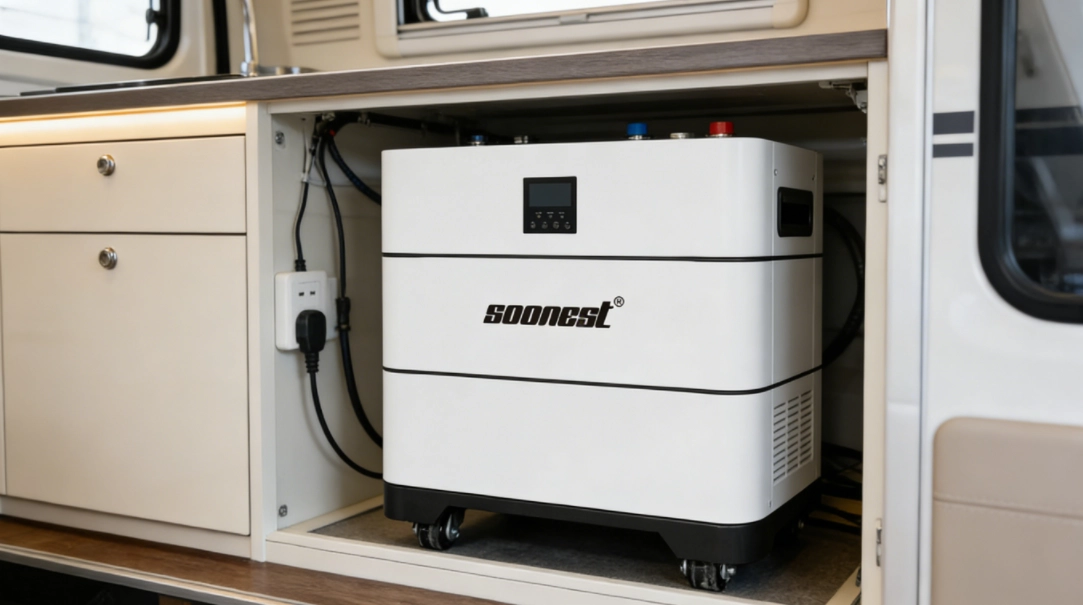
With even cycling, 12V or 24V LiFePO4 batteries commonly last 8 to 12 years. Since these setups skip daily cycles at times, overall time span can beat plans.
3,000–5,000 Cycles in Mobile Use
Top LiFePO4 batteries supply thousands of cycles even with uneven patterns. This beats AGM types often picked for RVs by a wide margin.
Lightweight Structure With Higher Usable Energy
Lithium batteries offer close to full listed capacity without harming cells. Lead-acid ones, however, should avoid going past 50% drain often. Thus, a 100Ah lithium unit gives nearly double the working energy of a 100Ah AGM one.
Reliable Voltage for Sensitive Electronics
Lithium batteries keep a level drain line, which gives steady power to inverters, fridges, and shipboard devices. Voltage dips little until the battery nears empty charge.
The SOONEST Deep Cycle Solar LiFePO4 Battery 12.8V/25.6V 100Ah–200Ah fits these cases. It stays small, recharges well, and handles repeated full drains. For those on the move who want fewer swaps, lithium turns into a smart lasting pick.
Do Lithium Batteries Last Longer Than GEL or AGM Batteries?
Price checks usually look only at starting cost. But duration shifts the math. When adding cycle numbers and swap times, lithium tends to bring down cost per cycle.
The next table uses common sector averages for comparison.
| Battery Type | Approximate Cycles | Usable Capacity | Estimated Years in Solar Use |
|---|---|---|---|
| LiFePO4 | 4,000–6,000 | 80–90% | 10–15 years |
| GEL | 800–1,200 | 50–60% | 3–5 years |
| AGM | 500–1,000 | 50% | 3–5 years |
This gap shows why lithium setups now appear often in home and business solar work. Less need for swaps cuts total costs over time, even with a steeper start price.
Longer Service Interval
Lithium batteries cut down on upkeep and swap rounds. For fitters handling many jobs, this lightens the load of ongoing tasks.
Higher Round-Trip Efficiency
Lithium-ion batteries usually hit 95% round-trip efficiency, whereas lead-acid ones fall between 70% and 85%. Better efficiency ensures more solar power gets saved and sent back to uses.
Application Flexibility
Though lithium tops in cycle span, AGM and GEL batteries continue as budget-friendly picks for reserve or light-cycle setups. The SOONEST Deep Cycle AGM/GEL Solar Battery 12V 100Ah–250Ah stays apt for backup jobs without daily full drains.
How Long Do Lithium Batteries Last in Commercial and Industrial Applications?
Business systems like telecom stations, spread-out solar fields, and small grids call for dependability under steady loads. These spots need even voltage, growing capacity, and stretched swap periods.
Factory-level LiFePO4 batteries surpass 10 years when fitted right with matching inverters and heat control. Some with partial cycles stretch further.
4,000+ Cycles in High-Demand Systems
In telecom reserve roles, batteries cycle often amid grid wobbles. Strong cycle marks make lithium fit for such tough routines.
Modular Parallel Expansion
48V lithium banks permit linking side by side for bigger size without tricky cables. Even BMS handling aids uniform cell work over parts.
Predictable Performance Over Time
Lithium batteries fade slowly instead of failing sharp, which aids planning and budget for long projects.
For business fitters, Soonest lithium setups bring adaptable size picks and fit with usual inverter bases. This lets project makers grow storage while keeping steady duration outlooks.
Conclusion
Lithium battery duration shifts with the use, but LiFePO4 tech steadily beats usual AGM and GEL batteries in cycle span, working capacity, and lasting steadiness. Home solar systems realistically get 10 to 15 years of work. RV and off-grid units commonly reach 8 to 12 years. Business settings with good design often run past a decade.
Soonest supplies a full line of lithium and deep cycle battery answers made for varied storage wants. By picking the proper voltage base, size tier, and use case, owners can gain longer run times and stronger total worth.
FAQ
Q1: What Is the Typical Lifespan of a LiFePO4 Battery in Solar Systems?
A: Most LiFePO4 batteries used in residential solar systems last between 10 and 15 years under daily cycling conditions.
Q2: Are Lithium Batteries Worth the Higher Initial Cost?
A: When cycle life and replacement frequency are considered, lithium batteries often deliver lower cost per cycle compared with AGM or GEL batteries.
Q3: How Can Battery Life Be Extended?
A: Maintaining moderate depth of discharge, avoiding extreme temperatures, and using compatible charging equipment help extend service life in all applications.