Is there a way to get your energy bills under control? Well a Solar Battery is arguably the best tool on the market to help manage your energy consumption. An awful lot of householders who install a Solar System don’t use all of the free electricity it generates, therefore most of it goes back to the Electricity bill. A Solar Battery takes the excess energy during the daylight hours generated by the panels and stores it so that it can be used during the night time hours instead of being wasted to the Electricity bill.
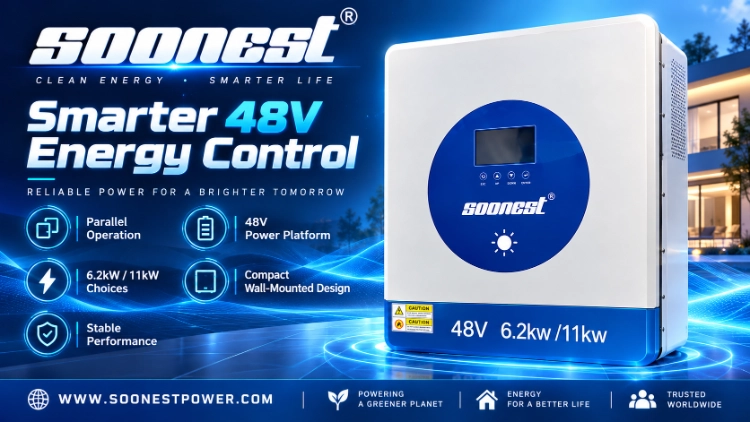
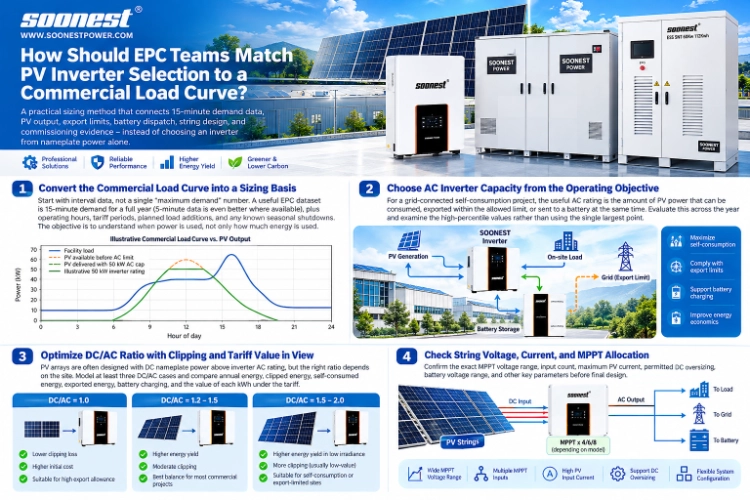
If you are looking for a partner with rich technical competence, then I would like to recommend Zhejiang SOONEST New Energy Co., Ltd.. Founded 20 years ago in the photovoltaic industry, it has developed into a one-stop service provider. Different from ordinary manufacturers, SOONEST not only provides solar modules, but also energy storage products and comprehensive solutions. All of its products have passed global certification such as CE, UL and SONCAP. Even though SOONEST’s products are made of high efficiency solar cells, all products will have to pass a 2-hour aging test in order to ensure the safety of customers.
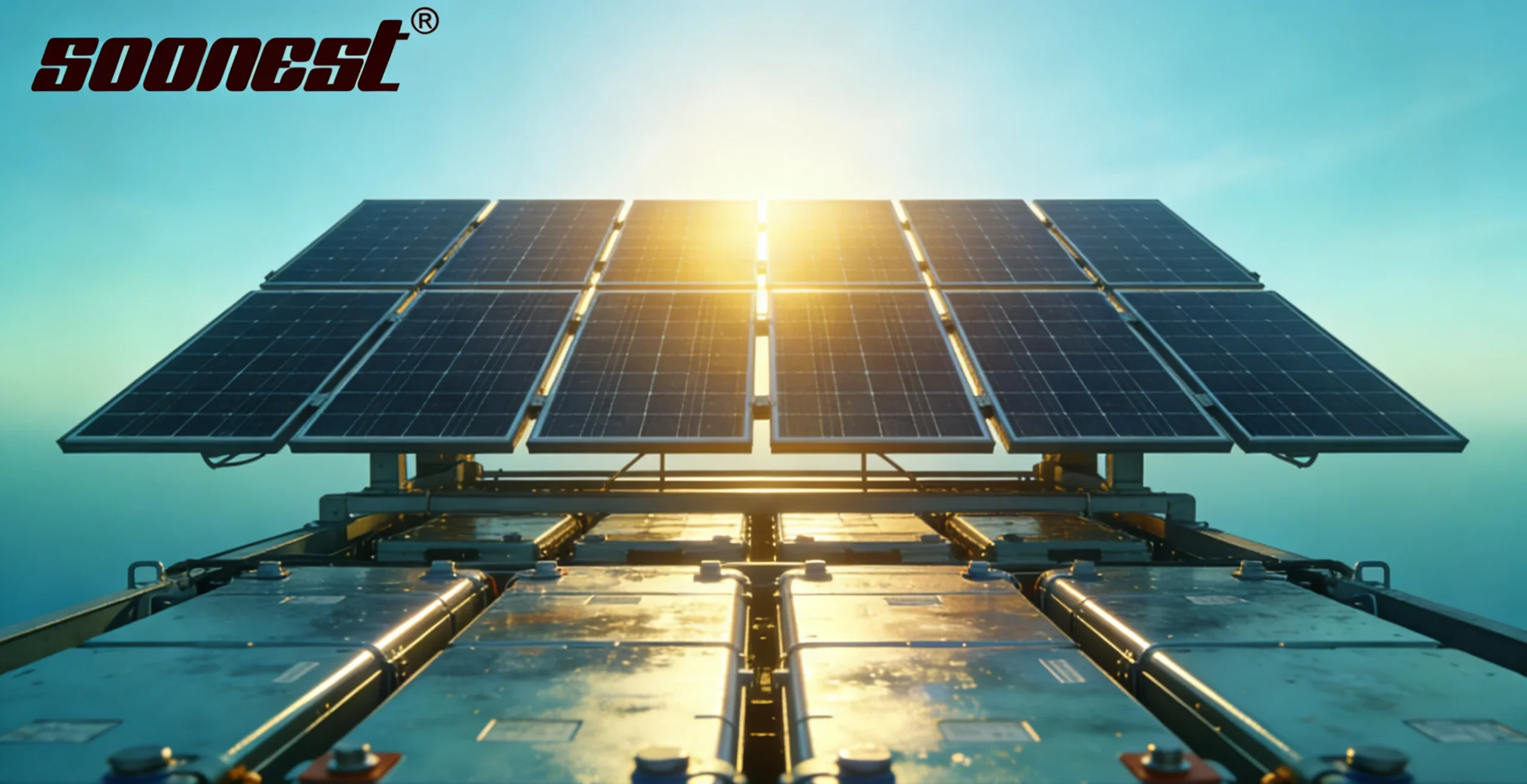
How Does a Solar Battery Storage System Reduce Your Monthly Costs?
Energy Storage and Independence The financial arguments for energy storage are simple. Using your own self generated renewable energy at the time you need it, is priceless. Without energy storage, during the middle part of the day a significant portion of the energy that is produced by your solar panels goes to waste or you sell it to the utility at a very low rate, earning you back only a few cents on the kilowatt hour.
Maximizing Self-Consumption of Solar Energy
Your storage system is an energy bank which stores surplus energy produced during the day when the panels are receiving the most sunlight. The excess energy will otherwise be lost. Instead you can use it when you need it – at night or during periods of low sunshine. Your home will then be powered as a complete microgrid, and every single photon is used to the maximum degree to keep your costs down.
Achieving Energy Independence and Grid Stability
Running on the grid is very expensive and unreliable. With a battery storage system you can safeguard your home against future price hikes. Using your battery system to perform arbitrage in peak valley pricing markets allows you to save up to 15-20% on your energy bills for commercial and industrial customers.
Extending the Lifespan and Efficiency of Your Solar Investment
Hybrid Storage systems come with MPPT charging on the storage inverter. This ensures that the panels are operating at the Maximum Power Point. Energy Management Systems (EMS) of the new era hybrid systems manage and optimise the energy flow between the grid, the house load and the battery at all times, eliminating any energy losses, and at the same time, giving you the maximum benefit out of your capital expenditure.
Which Solar Battery Technology Is the Best Investment for You?
Choose the suitable technology for your application based on your budget and environmental requirements. The options include high performance lithium or gel electrolyte chemistry with long life time.
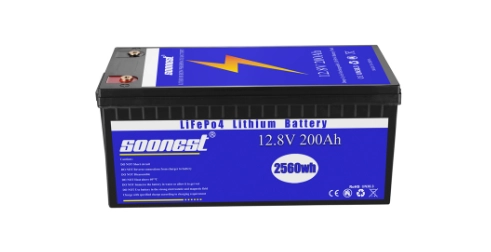
High Efficiency and Long Life with SOONEST LiFePO4 Battery
If you’re looking for the most technologically advanced battery available, then look no further than the SOONEST Deep Cycle Solar LiFePO4 Battery. The lithium iron phosphate batteries in this unit provide a cycle life of over 6,000 cycles at 80% depth of discharge, and are good for 10 years or more of reliable service. The LiFePO4 batteries in this unit are 50% smaller than a typical lead-acid battery, allowing more housing to be used for living space and less for battery storage. These batteries are also much safer to use than other types. While other materials can undergo thermal runaway in high temperatures, the stable olivine structure of lithium iron phosphate does not.
Reliability in Harsh Climates with SOONEST AMG/GEL Solar Battery
Reliability for large temperature swings and infrequent maintenance. This product is a Deep Cycle AMG/GEL product, a gel electrolyte is formed by mixing Sulphuric Acid with silica fume and forms a static and leakproof battery. Suitable for hostile environments such as remote sites including telecom towers and unmanned stations where the battery must perform over the entire designated temperature range of -10 to +50 degrees.
Scalability and Smart Management for Future Power Needs
Don’t guess your future energy needs on day one of your solar journey. Our systems are designed to start with a 5kWh energy storage system today, and expand up to 50kWh or more as your home evolves. Our lithium battery is BMS (Battery Management System) equipped with live-time tracking of individual battery cell voltage and temperature performance, to ensure optimal performance, equalize charge between battery cells, and avoid deep cycle discharge.
Table 1: Technical Comparison of Energy Storage Technologies
| Feature | Lead-Acid (Standard) | Gel (Advanced) | LiFePO4 (Lithium) |
|---|---|---|---|
| Cycle Life (80% DoD) | 500 – 1,000 cycles | 1,000 – 1,500 cycles | 6,000+ cycles |
| Typical Lifespan | 2 – 3 Years | 3 – 5 Years | 8 – 10 Years |
| Energy Density | Low | Medium | High (3x storage) |
| Maintenance | Requires Watering | Maintenance-Free | Maintenance-Free |
| Safety Level | High | Very High | Extreme Stability |
What Factors Should You Consider Before Buying a Solar Battery?
Before you can install the system, you have to analyze your energy consumption, in order to match the correct technology to your needs.
Matching Battery Capacity to Daily Power Consumption
Start by looking at your historical daily kWh consumption. Here is an example using 30 kWh of average daily consumption and the goal of 10 hours of continuous power to the critical loads such as lights and refrigerator. We then determine the inverter battery size needed to supply those loads for the desired amount of time. A 120AH lithium battery can power enough essential loads to sustain basic household functionality for around 8 to 10 hours. Don’t forget to add some extra battery capacity for those rainy days.
Compatibility with Your Existing Hybrid Inverter
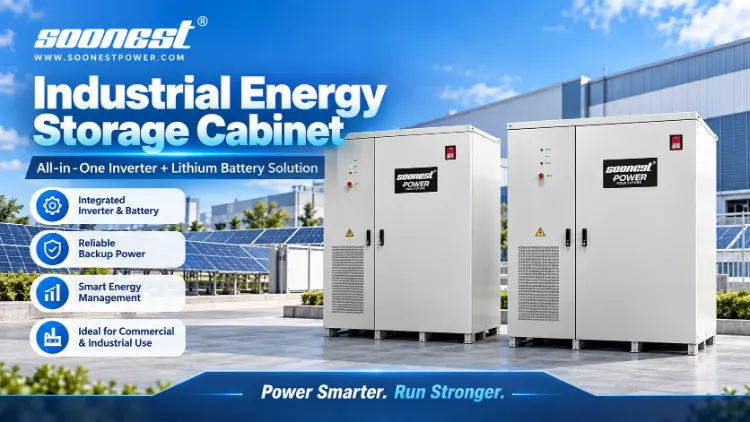
Your storage system must “speak” to your inverter. Communication protocols like RS485 or CAN are vital for the BMS to coordinate with the inverter for efficient bidirectional power conversion. Choosing an all-in-one series that integrates the inverter and battery into a single unit can reduce installation errors and improve overall system reliability.
Durability and Protection in Outdoor Environments
The effects of high humidity and dust can be highly corrosive to electronic components. As a minimum we always look for IP55/IP65 enclosures which ensure the physical housing will be proof against water and foreign objects. Using quality grade materials prevents corrosion which is one factor in us being able to guarantee the long term performance of our equipment up to 25 years, matching the guarantee of the solar panels.
Table 2: Estimated Economic Impact of Solar Storage
| Metric | Standard Solar (No Battery) | Solar + LiFePO4 Storage |
|---|---|---|
| Self-Consumption Rate | ~30% | 80% – 90%+ |
| Backup Power | No (System shuts down) | Yes (UPS function) |
| Annual Grid Savings | Low to Moderate | 30% – 100% reduction |
| Payback Period | 6 – 8 Years | 4 – 5 Years |
Why Choose Integrated Energy Solutions?
It’s not just about individual pieces of hardware. Modern energy systems are a synergetic combination of technologies. Using high efficiency solar panels with batteries creates a level of reliability not achievable by being connected to the grid. With a Microgrid system that includes the ability for a black start – this means that your system will be able to power on from a complete blackout using only stored energy in the battery.
Running your holiday home, medical centre or factory with a Solar Battery ensures that you are always ‘switched on’ and never in the dark. With the correct technology and expertise, your Solar Power system can literally turn sunshine into darkness proof 24/7 permanent power and pay itself back within a couple of years.Reach out to start your clean energy journey at the Soonest official website or contact our specialists for a personalized quote.
FAQ
Q: Will a Solar Battery really pay for itself?
A: Yes. Although the cost of the battery is higher than you might initially want to pay, the benefits of the “peak-valley arbitrage” and lowered dependence on the utility grid will significantly offset costs to the point that most battery systems will pay for themselves within 4 to 5 years. While the initial cost of a lithium battery system is $8,000 to $12,000, over the 10-year life of the system, it could save you $10,000s of dollars in lower electric bills.
Q: Can I run a gel battery and a lithium battery in the same bank?
A: No. Each type has charging voltages and rates that vary dramatically from one to the other. You can however use gel batteries outside in hot temperatures where the higher cost of lithium may not be justified, and run lithium batteries inside where the benefits of lithium’s superior performance are fully realized.
Q: How do I know which size battery my house needs?
A: Your homes battery size will be based on the recommendations from a site assessment based on the critical loads in your home and a determination of your average daily energy usage. Our technicians will use meters to measure your total hourly and daily energy usage and make recommendations on a 5kWh modular pack or a 25kWh stacked system for your home.