 I have watched the energy field for twenty years now, and the latest US-Iran energy conflicts go beyond mere news stories; they pose real dangers to your money matters. As world leaders handle tricky political games that push oil costs to wild levels, China has steadily set itself up as the planet’s main energy driver.
Central to this change is SOONEST, a seasoned all-in-one supplier with two decades of solar panel advancements. From places in Asia to those in the Americas, they have grown into overseas areas by offering verified safe options that let you avoid the ups and downs at the fuel station. Such a move is not only about caring for the planet; it concerns staying afloat in a time after oil rules. Depending on sunlight and strong LiFePO4 Batteries offers a clear route to real power freedom.
Why Is Solar-Charged LiFePO4 Storage the Solution to Global Oil Insecurity?
The present condition of worldwide power shows great uncertainty. When dependence falls on fossil fuels, living expenses link directly to fights far away. Switching a house or business to a solar-linked storage approach cuts out the go-between from the power bill.
Mitigating the Risks of Volatile Fossil Fuel Prices
Oil and natural gas serve as limited, non-reusable supplies that vary due to delivery chain issues. Setting up a solar setup fixes energy expenses for the coming 25 years. Rather than hoping for a political fix to power problems, one can gather free sunshine that renews each day. Such financial steadiness proves vital for ongoing planning, particularly as usual utility charges keep rising.
Achieving Energy Independence from Unstable External Grids
A power storage unit stands as the top guard against an unsteady electricity network or harsh weather events such as storms. Building a spread-out power creation system eases the load on shared facilities. Should a crisis hit, essential devices can keep working without worry of a power cut. This self-reliance holds special worth in outlying spots where extending the grid costs too much or simply does not exist.
The Rise of LiFePO4 Batteries Technology
Shifting from lead-acid to lithium-ion forms a key technical step. Lithium iron phosphate (LiFePO4) excels due to its firm chemical makeup and heat resistance. Different from earlier battery kinds, these do not need regular upkeep, which saves time and avoids the trouble of hands-on checks. They mark the top choice for those committed to leaving fossil fuels behind for a cleaner, more secure option.
Table 1: Economic Comparison: Diesel Generators vs. Solar + LiFePO4 Storage
| Feature | Diesel Generator | Solar + LiFePO4 Storage System |
| Fuel Source | Fossil Fuel (Volatile price) | Sunlight (Free) |
| Operational Cost | High (Fuel + Maintenance) | Near Zero |
| Noise Level | Loud (80-90 dB) | Silent |
| Carbon Footprint | Significant Emissions | Zero Emissions |
| Payback Period | None (Ongoing expense) | 4–8 Years |
How Do Solar Energy and LiFePO4 Batteries Create a Resilient Power Hub?
Pairing solar panels with lithium storage brings a combined result where the overall gain exceeds the individual parts. Charging these LiFePO4 Batteries lets users capture power during peak sun hours and draw on it when needs peak.
Converting Intermittent Sunlight into Reliable Stored Energy
Solar power comes in bursts; it only appears in daylight hours. Lacking a storage reserve means excess power from midday would go unused. Yet lithium storage works like a holding tank, evening out the sun’s ups and downs. In daytime, the setup first meets electricity demands, then directs leftover power to the battery group.
Maximizing Efficiency through Advanced Power Tracking Algorithms
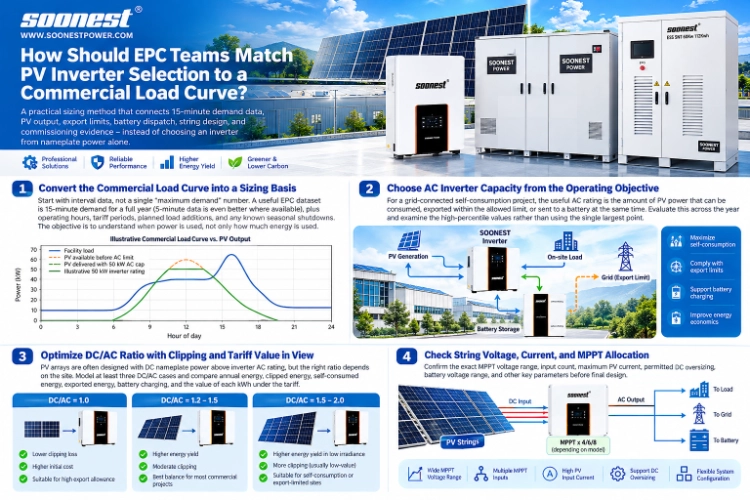
Extracting the best from a solar collection calls for exact management. Current inverters often apply Maximum Power Point Tracking (MPPT) so panels work at top output, no matter the heat or brightness. Such tech boosts power output by 10% to 20% over basic setups. Linked with lithium storage, MPPT makes sure every bit of light on the roof turns into practical, saved electricity.
Providing Uninterrupted Electricity during Nighttime and Supply Emergencies
The real strength of this power center shows up after dark. As the sun sets, the battery steps in and changes held chemical power into alternating current (AC) for a home or workplace. If the grid drops out suddenly, quality systems shift to independent mode in under 10 milliseconds, so lights stay steady without a blink. No fuel-based setup can match this dependability, since those need hands-on starting.
What Technical Advantages Does the Lithium Ion Battery Pack Offer?
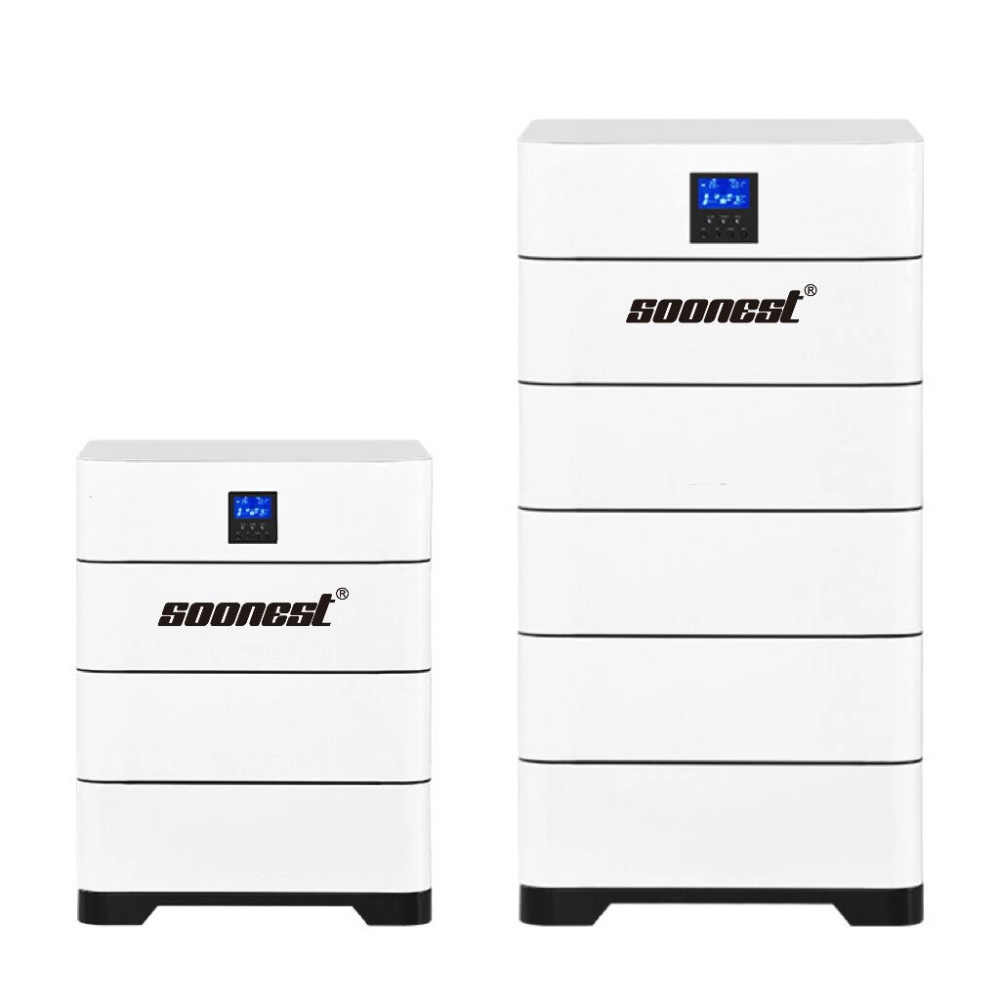
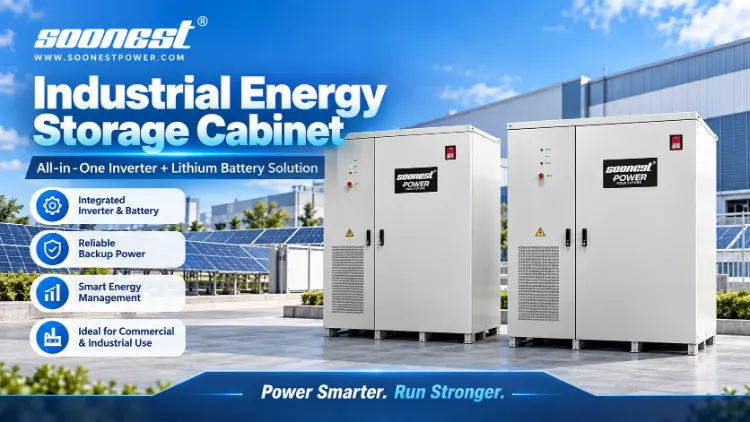
For a dependable item to support the setup, the SOONEST Lithium Ion Battery Pack (48V/51.2V) delivers factory-level output for home and business applications. This voltage level fits well with common high-output mixed inverters.
Superior Longevity Exceeding 6000 Charge-Discharge Cycles
A standout figure for this battery group is its cycle endurance. It handles more than 6000 cycles at 80% depth of discharge (DoD). Cycling it daily means a service life of about 15 years, which beats the 2 to 3 years from a typical lead-acid unit by a wide margin. A 5-year guarantee backs this durability, offering assurance that the purchase stays secure.
Enhanced Safety through Stable Olivine Crystal Structures
Concerns about safety often arise with high-power batteries in living spaces. LiFePO4 makeup relies on an olivine crystal form that holds steady even in intense warmth. It endures up to 500°C before any heat buildup risk, cutting the chance of sudden fire to almost nothing. This firmness lets the battery function smoothly in settings from -20°C to 55°C.
Flexible Capacity Expansion via Modular Parallel Design
Power requirements may increase as time passes. The 48V/51.2V line allows linking in parallel, so multiple units can join to boost overall storage. Starting with one 5kWh module, expansion to 25kWh or beyond becomes possible as family energy use grows. This flexible design avoids early over-spending while leaving room for later improvements.
Table 2: Technical Specs: Lead-Acid vs. SOONEST 51.2V LiFePO4 Battery Pack
| Specification | Traditional Lead-Acid Battery | SOONEST 51.2V LiFePO4 Pack |
| Cycle Life (at 80% DoD) | 300–500 Cycles | 6000+ Cycles |
| Usable Capacity | 50% (Avoid deep discharge) | 100% (Full discharge capable) |
| Weight | Very Heavy (Bulky) | 50% Lighter (Ultra-lightweight) |
| Maintenance | Requires watering/venting | Maintenance-free |
| Efficiency | ~70-80% | 95–98% |
How Can Users Successfully Configure Their Energy Systems?
Correct setup marks the difference between an average arrangement and an effective power source. Matching storage size to everyday use ensures no energy goes to waste.
Tailoring System Capacity to Specific Load Demands
First, figure out total daily power use in kilowatt-hours (kWh). In a standard home in Europe or America, peak demand might reach 10kW, covering items like cooling units and pumps. Using 30kWh by day and 20kWh at night calls for a battery arrangement to handle at least the evening amount, plus extra for overcast periods.
Optimizing Performance with Integrated Smart BMS Protection
The Battery Management System (BMS) serves as the core control for LiFePO4 Batteries. It tracks voltage, current, and heat levels of each cell right away. Spotting any unevenness, it balances cells so they all fill up together, avoiding spot overcharge and stretching the system’s full lifespan. Lacking such a smart BMS would let the frailest cell drag down the whole pack too soon.
Executing Precise Configurations using High-Performance Inverter Compatibility
The battery’s value depends on the inverter handling it. Selecting a mixed inverter that handles lithium startup and alert features matters greatly. These units link straight with the battery’s BMS through RS485 or CAN links, letting the setup tweak charge speeds based on the battery’s real condition and charge level. This smart connection keeps all parts in their best working range always.
Why Partner with the Right Provider for Your Global Energy Future?
In a field full of basic items, picking a supplier with twenty years in solar know-how forms a smart choice. The worldwide power change demands more than a single battery; it needs a full support network.
Meeting global benchmarks like CE, ROHS, and UL confirms equipment follows the toughest safety and quality rules worldwide. Past the gear itself, reaching skilled tech and follow-up teams means support arrives quickly if problems arise. Be it a ready-made answer or custom ODM work, teaming with a proven front-runner lets investment in LiFePO4 Batteries happen with full trust.
Start securing the power path ahead and guarding against the upcoming oil upset. Get in touch with a group that has fueled the world shift for 20 years.
FAQ
Q: Can I charge LiFePO4 Batteries directly from solar panels without an inverter?
A: Though possible with a DC-DC charge unit, experts advise using a mixed inverter or dedicated solar regulator. This keeps voltage steady and shields battery cells from harm while pulling the most energy from sunlight.
Q: How many years will a 48V/51.2V lithium battery pack last in a typical home system?
A: Offering over 6000 cycles at 80% depth of discharge, a solid pack can serve 15 years or longer. That comes to about ten times the duration of usual lead-acid batteries, which often require swaps every 2 to 3 years.
Q: Is it safe to install these lithium batteries inside my house?
A: Indeed, units with lithium iron phosphate (LiFePO4) chemistry rank high in safety thanks to their firm olivine crystal form. They resist heat buildup well and release no harmful fumes or need acid venting, unlike lead-acid varieties.