Energy decisions hit closer to home in 2026. Oil costs remain unsteady due to the U.S.-Iran tensions and issues near the Strait of Hormuz. At the same time, families and firms deal with greater push to manage power expenses and boost supply reliability. Meanwhile, China’s push into renewables advances quickly. Combined wind and solar output hit roughly 1.9 billion kW by late March 2026.
In this setting, an Energy Storage PCS goes beyond a simple tech label. It forms a key piece of a practical home power plan. SOONEST has dedicated years to creating solar panels, lithium battery setups, and inverter options for markets in Asia, Africa, Europe, the Middle East, and the Americas. This provides residents and fitters with a straightforward way to reach adaptable, sturdy solar energy.
| Energy Signal in 2026 | Verified Data | Why It Matters to Home Energy Users |
|---|---|---|
| Brent crude average in April 2026 | $117 per barrel | Fossil-fuel volatility keeps energy security in focus |
| EIA Brent outlook for May–June 2026 | Around $106 per barrel | Electricity-cost awareness remains high |
| China’s combined wind and solar capacity by end-March 2026 | About 1.9 billion kW | Renewable integration is accelerating |
| Local consumption target for new industrial renewable projects in China | At least 60% | Flexible power use is becoming more important |
Such trends all lead toward one point: making clean power counts, yet directing its timing and method grows equally vital.
What Is the Real Difference Between a PV Inverter and an Energy Storage PCS?
Quite a few residents think all solar inverters handle identical tasks. In fact, that view misses key differences. A basic PV inverter and a battery-focused power unit play distinct parts within a power setup.
PV Inverters Focus on One-Way Solar Power Conversion
A PV inverter chiefly turns direct current from panels into alternating current for house needs or grid feed-in. Its main job centers on solar conversion. Strong sun brings out useful power. But when light fades, its active input shrinks. This single-direction setup suits basic grid-linked solar well. However, it falls short in handling saved power or adaptable backup.
Storage Converters Enable Bidirectional Battery Charging and Discharging
An Energy Storage PCS handles flow in two ways. It changes battery direct current to house alternating current. It also shifts grid alternating current back to direct current for battery fill-up. This two-way movement adds real adaptability. As a result, it aids backup supply, higher own-use rates, and wise power timing.
Hybrid Inverters Combine Solar Conversion With Storage Control
In home setups, a hybrid inverter merges solar handling and battery oversight into one unit. Solar feed, battery link, and house output thus operate as one system. Such a build cuts setup layers. At the same time, it raises the share of roof-made power that gets used on site.
Why Do Home Applications Need Bidirectional Power Instead of Solar-Only Conversion?
The core issue skips whether panels make power. Instead, it asks if the setup can apply that power when needed. Two-way power addresses this need directly.
Daytime Solar Surplus Can Support Evening Household Loads
Homes often peak solar output near noon. Yet daily use dips then for many. After dark, needs climb with meals, air control, lights, and fun activities. A hybrid unit paired with batteries stores extra noon power for later draw. This step boosts own solar use. It also lessens grid reliance.
Battery Backup Improves Resilience During Grid Interruptions
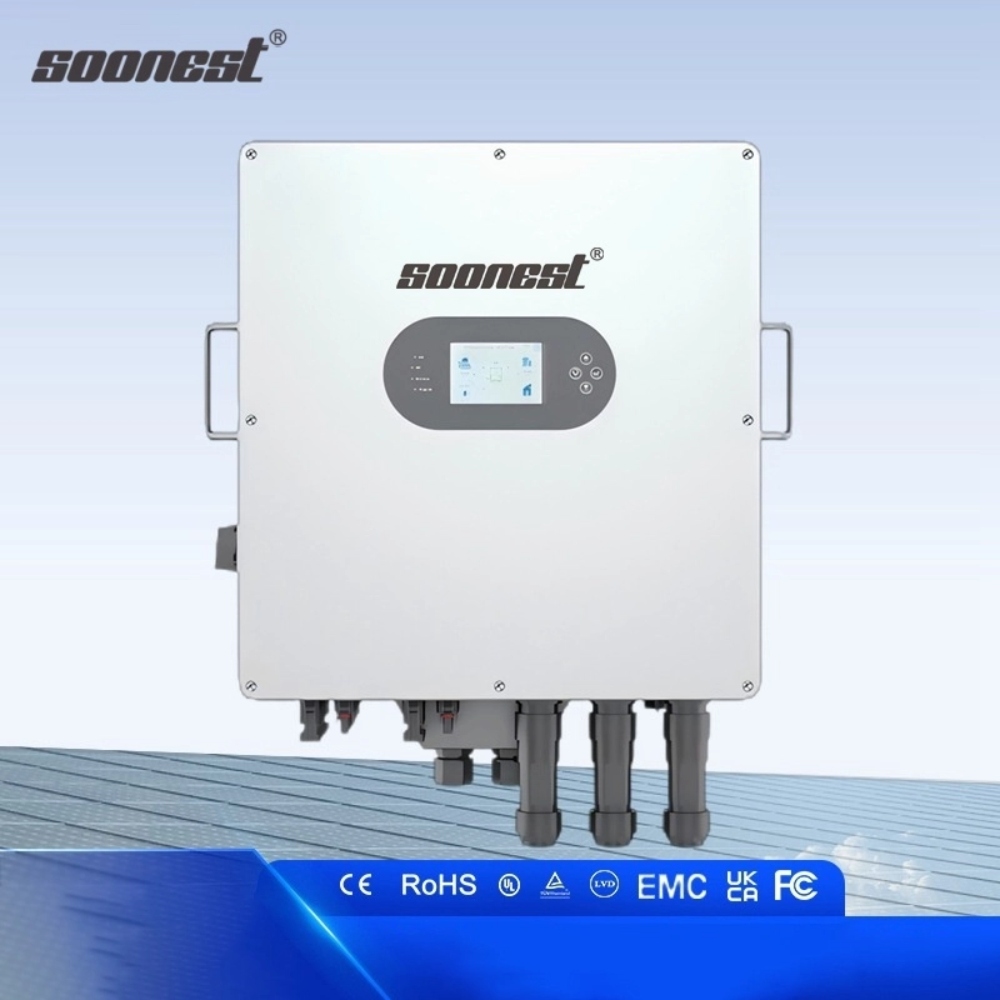
Supply steadiness and cut-off risks persist in various places. A setup that switches among grid, solar, and battery sources builds better toughness. The Single Phase 220V Hybrid Inverter targets homes and minor firms. It readies battery support. Built-in Wi-Fi/4G allows far-off checks for simpler oversight. Its outside IP65 shell adds placement ease.
Time Scheduling Helps Reduce Time-of-Use Costs
Areas with high and low rate times make timing key. Both listed inverter types hold a slot-based tool to cut expenses via rate shifts. This feature aids in lining up solar make, battery fill, and grid pull. For residences, the Energy Storage PCS counts since it shifts power from basic stream to managed asset.
Which Product Type Fits Different Residential Energy Scenarios?
One inverter power does not cover all houses. Sound picks rest on demand scale, voltage setup, growth plans, and if the site acts as a usual home or bigger estate.
The 3.6–10 kW Single Phase 220V Hybrid Inverter Fits Homes and Small Businesses
The Single Phase 220V Hybrid Inverter comes in 3.6kW, 5kW, 6kW, 8kW, and 10kW sizes. It matches common house power plans, tiny stores, and easy business spots. The unit reaches 98.6% top output rate, 99.9% MPPT rate, 22A × 2 panel input flow, and 200A fill flow. It backs Li-ion battery BMS link, clean wave AC send-out, and IP65 guard.
The 3Phase 380V Hybrid Inverter Supports Villas, Larger Properties, and High-Load Sites
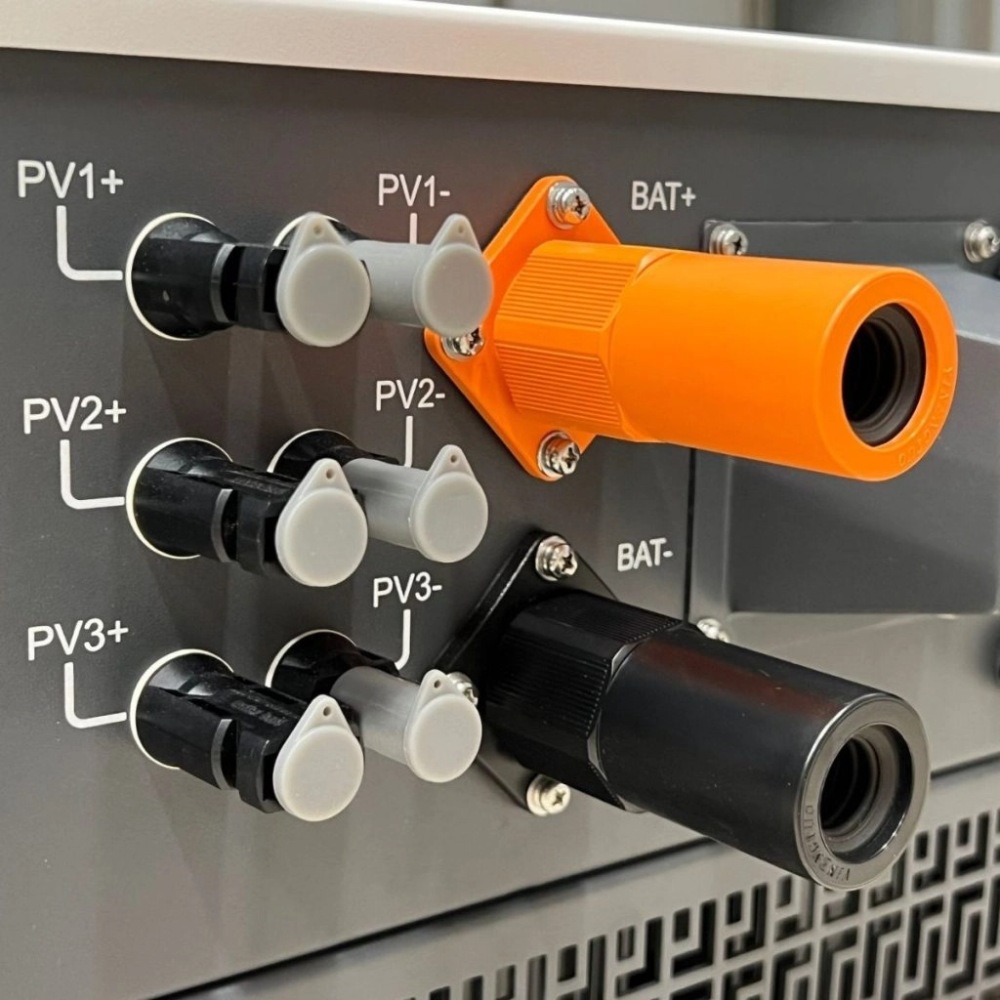
The 3Phase 380V Hybrid Inverter offers 10kW, 12kW, 15kW, 20kW, 30kW, 40kW, and 50kW types. It works best for estates, big houses, multi-site holdings, strong pumps, shops, solar shades, and heavy home-business mixes. Checked traits cover 99.0% top output rate, 99.9% MPPT rate, 22A × 2 panel input flow, 200A fill flow, Li-ion battery BMS link, clean wave send-out, IP65 guard, and high-low slot handling.
Model Selection Depends on Load Size, Battery Plan, and Future Expansion
A compact city house gains from the one-phase type due to simple wire match and fair roof setups. A wide home with big cool systems, car charge points, water pumps, or tool areas may call for the three-phase type to manage loads and grow better. Picks should track actual habits, beyond just panel count on the roof.
| Feature | Single Phase 220V Hybrid Inverter | 3Phase 380V Hybrid Inverter |
|---|---|---|
| Power Range | 3.6–10 kW | 10–50 kW |
| Typical Fit | Homes, small businesses | Villas, larger properties, high-load sites |
| Peak Efficiency | 98.6% | 99.0% |
| MPPT Efficiency | Up to 99.9% | Up to 99.9% |
| PV Input Current | Up to 22A × 2 | Up to 22A × 2 |
| Charging Current | Up to 200A | Up to 200A |
| Battery Communication | Li-ion BMS support | Li-ion BMS support |
| Protection | IP65 | IP65 |
The chart notes that both choices back strong solar-battery work. Their voltage form and send-out level fit varied home power needs.
How Do Inverters Turn Bidirectional Power Into Practical Home Value?
Tech details count only if they fix true issues. In home uses, main gains lie in better solar pull, stronger battery apply, and steady day-to-day run.
Up to 99.9% MPPT Helps Capture More Usable Solar Energy
MPPT work shapes how well the unit tracks the top power spot of panels amid weather and light shifts. Both types hit 99.9% MPPT rate. For users, this builds a system to gain more helpful power from panels all day. It avoids loss as settings change.
Li-Ion BMS Communication Strengthens Storage Integration
Battery strength rests not just on the pack but on smart unit talk with it. Both types hold Li-ion battery BMS link and special two-way start rules, plus 200A fill flow. This makes the Energy Storage PCS more useful in homes where hold time, own solar share, and wise battery pull play roles.
Pure Sine Wave Output and Remote Monitoring Improve Daily Reliability
The units suit harder place setups. IP65 guard fights dust and mild water streams. Clean wave send-out aids firm device run. Far-off checks bring ease for residents seeking clear system views. The one-phase type notes built-in Wi-Fi/4G. Wider design stresses simple setup and less upkeep load.
How Can You Build a Smarter Home Energy System?
Right unit pick holds weight, but full plan counts as much. Panels, packs, wires, demands, and growth all shape outcomes.
System Matching Across Solar Panels, Batteries, and Inverters
Linked tech notes show unit size must fit user demand, battery setup, and no-grid wants. A house sample used two one-phase 6kW storage units, 40 panel pieces, and five battery groups to back a wide home demand form. This plan style beats lone hardware buys.
Technical Service for Installation, Configuration, and Application Planning
Firm notes stress OEM, ODM, custom aid, and skilled tech plus after-help groups. Such back holds value for unit choice, battery talk, send-out plan, and setup tips. A solid home-power setup goes past product get. It stands as a linked build choice.
Contact Support for Model Recommendation and Customized Energy Solutions
For usual home work, the one-phase type offers fair balance. For sites with big demands or growth aims, the three-phase type may suit better. Either way, top picks start with demand form, roof space, battery scheme, and funds. Well-lined parts turn Energy Storage PCS into daily plus.
FAQ
Q: Do I need an Energy Storage PCS for a home solar system?
A: Basic solar needs skip it often. But for battery hold, backup supply, high-low timing, and higher own-use, two-way control aids greatly.
Q: Which inverter is better for a normal home?
A: The Single Phase 220V Hybrid Inverter fits standard houses and small firms well. It spans 3.6–10kW levels and backs battery solar apply.
Q: When should I choose the 3Phase 380V Hybrid Inverter?
A: It suits big houses, estates, heavy-demand homes, and sites needing 10–50kW size, more growth space, or firm back for home-light firm mixes.